
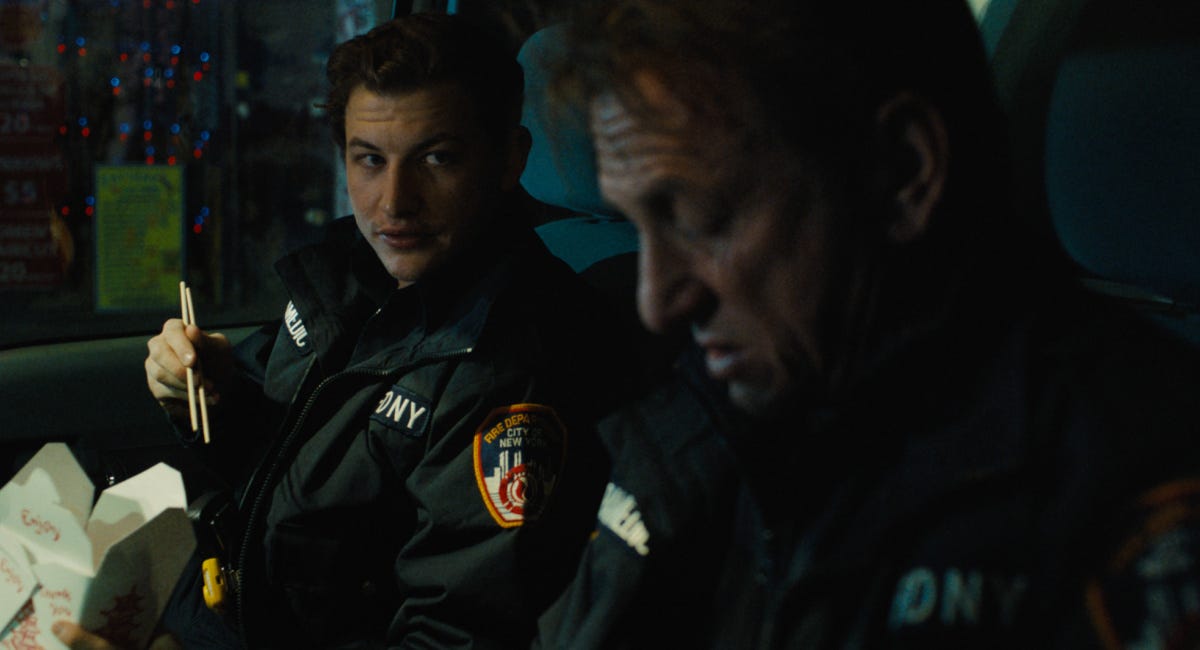
When we look back on what 2024 brought us, what can we say with clarity? Was it a year that yielded powerful performances, rich stories, or groundbreaking cinema? For the most part, it wasn’t. But it was a most memorable year for movies. Maybe the most fascinating of the decade, thus far. (Not that 2020 and 2021 left us much to bask in.)
We didn’t get an Oppenheimer, an Elvis, or a Tár — but there were some great features to behold. More importantly, some truly interesting ones. ‘Great’ fades, ‘interesting’ sticks.
I was tempted to list more than the ten films featured here because many 2024 releases deserve a spotlight and attention. Some notable mentions include Asphalt City (just narrowly edged out by the #10 pick), Snack Shack, www.RachelOrmont.com, Furiosa: A Mad Max Saga, Janet Planet, and Kinds of Kindness.
Keep an open mind as I unpack The 10 Best Films of the Year. (And a really open mind for this first selection.)
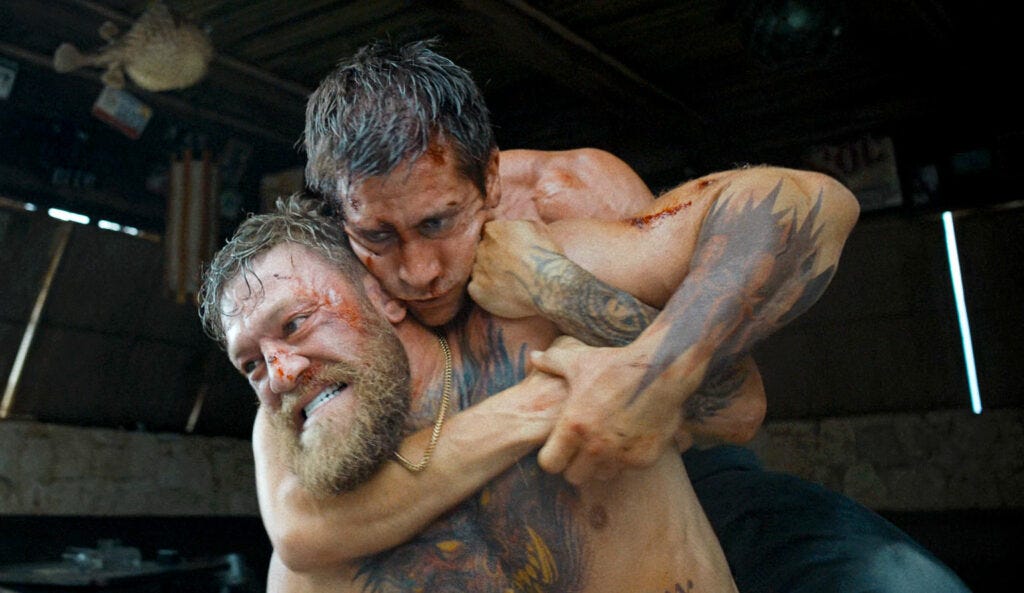
Not since Crank in 2006 has an action film felt so wholly rambunctious. Liman (who had been workshopping a Road House remake for years) retooled the original concept to make it about a retired MMA fighter named Dalton (Jake Gyllenhaal) who settles down in the Florida Keys. Not much is emotionally required of him as an apathetic former fighter turned bouncer, but Gyllenhaal doesn’t use that as an opportunity to sleepwalk to a paycheck. He brings a sense of tired fun to a character that could otherwise be relegated strictly to throwing fists and making sure his abs are oiled up. Liman uses Gyllenhaal’s physique and hand-to-hand skills to create some of the most interesting fight sequences in modern film. He makes an effort to do what other filmmakers won’t when choreographing combat: show contact. It creates a strange but powerful effect on the film’s violence.
Conor McGregor is dropped halfway into Road House as the film’s antagonist Knox and gives a powerhouse performance. But that’s not to say it’s a good performance. Some of his line deliveries are unintentionally downright hilarious. But that doesn’t make one’s enjoyment of Conor McGregor an ironic one. McGregor reintroduces us to what it feels like to watch a film with ‘movie star’ presence. Is there room for Arnold Schwarzeneggers in the industry of today, or do they all have to be Dave Bautistas? McGregor as Knox is one of the most outrageous and over-the-top performances I’ve seen in years. But that’s what makes Road House sincerely great. It carries the energy of a blockbuster from the 1980s or 1990s and refuses to self-depreciate. This is a movie with juice in the tank.
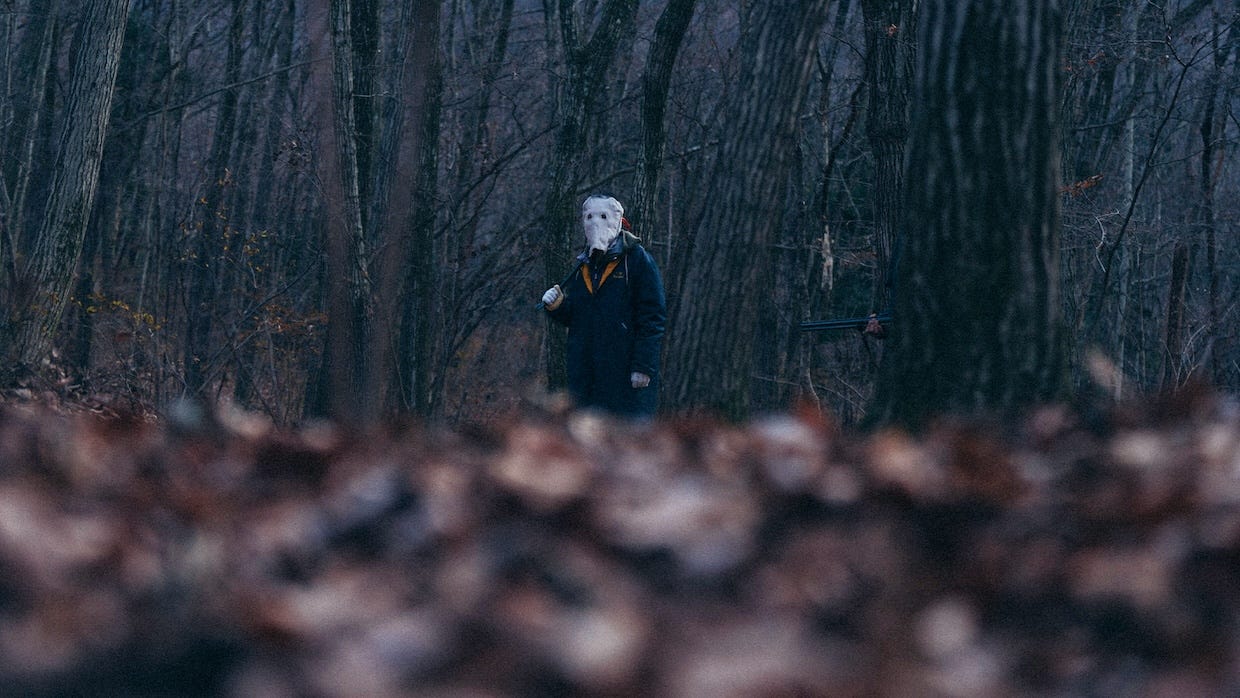
If you are successful at anything and do it for long enough, you will naturally make enemies whether you intend to or not. The severity of those enemies’ fervor is rarely up to you. In the case of Yoshii (Masaki Suda), an online reseller, the hatred he has cultivated for living an ordinary capitalist lifestyle is irrationally great.
The first half of Cloud plays like a small-scale drama. We’re introduced to Yoshii just as he is about to quit his day job and move out of Tokyo to scale up his reselling operation. He has a superficial girlfriend, a bitter former boss, a competitive close friend, and an assistant whose motives are questionable. Which one of these individuals holds a grudge? By the second hour, the question winds up being, “Which one of these individuals does not?”
Kiyoshi Kurosawa does a masterful job of making the mundane feel eerie in preparation for what’s to come. Cloud is a terrific revenge thriller that utilizes the quiet ambiance of woodland Japan, not dissimilar to recent crowd favorites like Evil Does Not Exist and Perfect Days. It is almost the best Japanese film of the year.
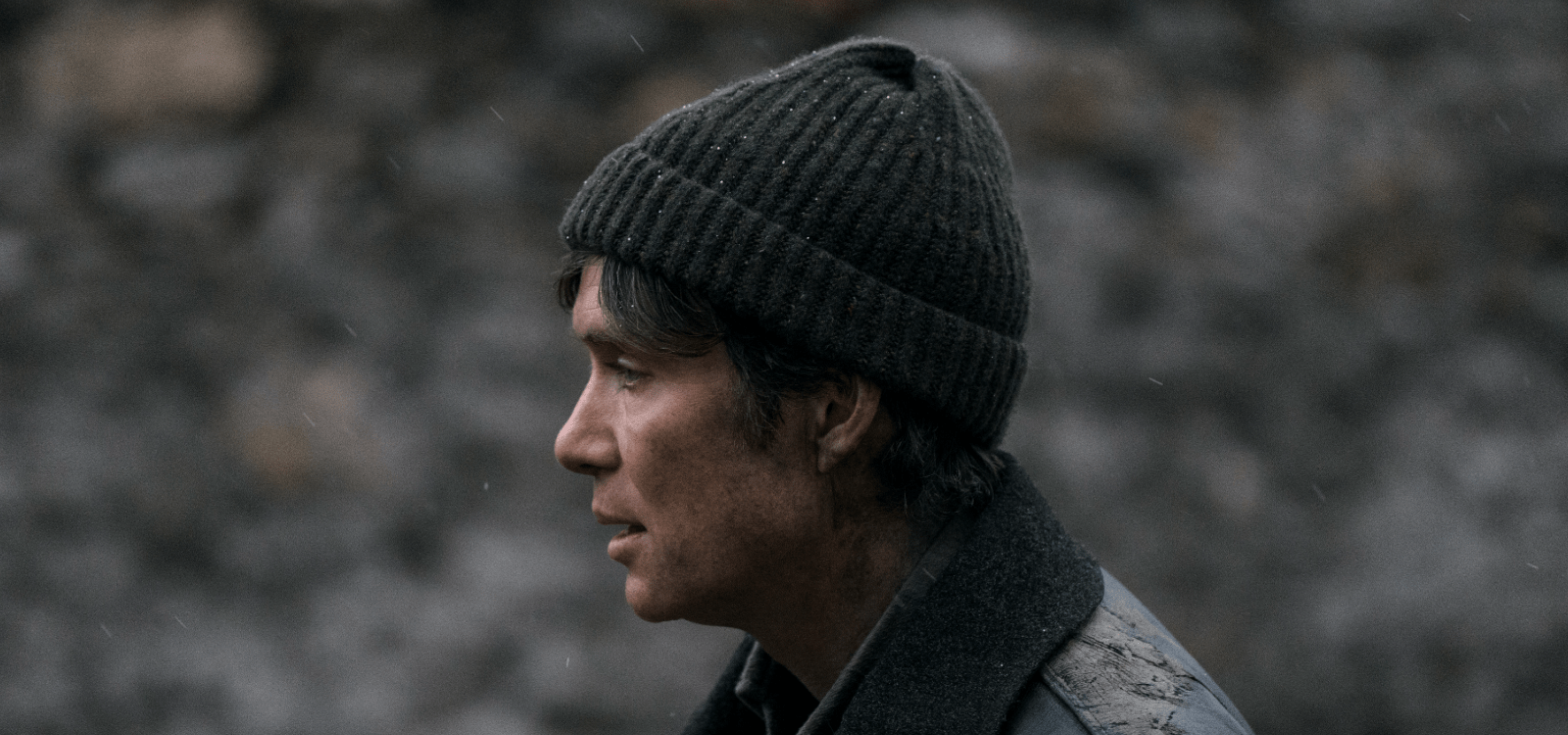
This Cillian Murphy-starring Christmas drama based on Claire Keegan’s novel of the same name slipped under the radar in such a bombastic and uneven year for cinema. Small Things Like These focuses on a troubled coal merchant named Bill Furlong (Cillian Murphy) who discovers a young pregnant woman being mistreated at the local Catholic covenant.
Simplicity is the biggest strength of Small Things Like These. It never shoots higher than it can reach, and does so elegantly. The film also serves as the perfect landing pad for Cillian Murphy to get the residual Oppenheimer out of his system. Many minutes are spent with Bill as he stares into the ether, silent and brooding. Murphy is such a good actor that this never becomes tiresome and only helps build this portrait of a late 20th century working-class father. His performance echoes the personalities of many drained-dry Irish Catholic fathers and husbands I’d encountered growing up in Boston. Men who couldn’t relate to their wives, could hardly handle their children, and relied on exhaustive manual labor to escape their domestic issues.
Emily Watson (who won the Silver Bear at the Berlin International Film Festival) is especially good as Sister Mary, the head nun at the covenant and town Kingmaker. Watson oozes a subdued menace behind every look and interaction and delivers one of the strongest female acting performances to come this year.
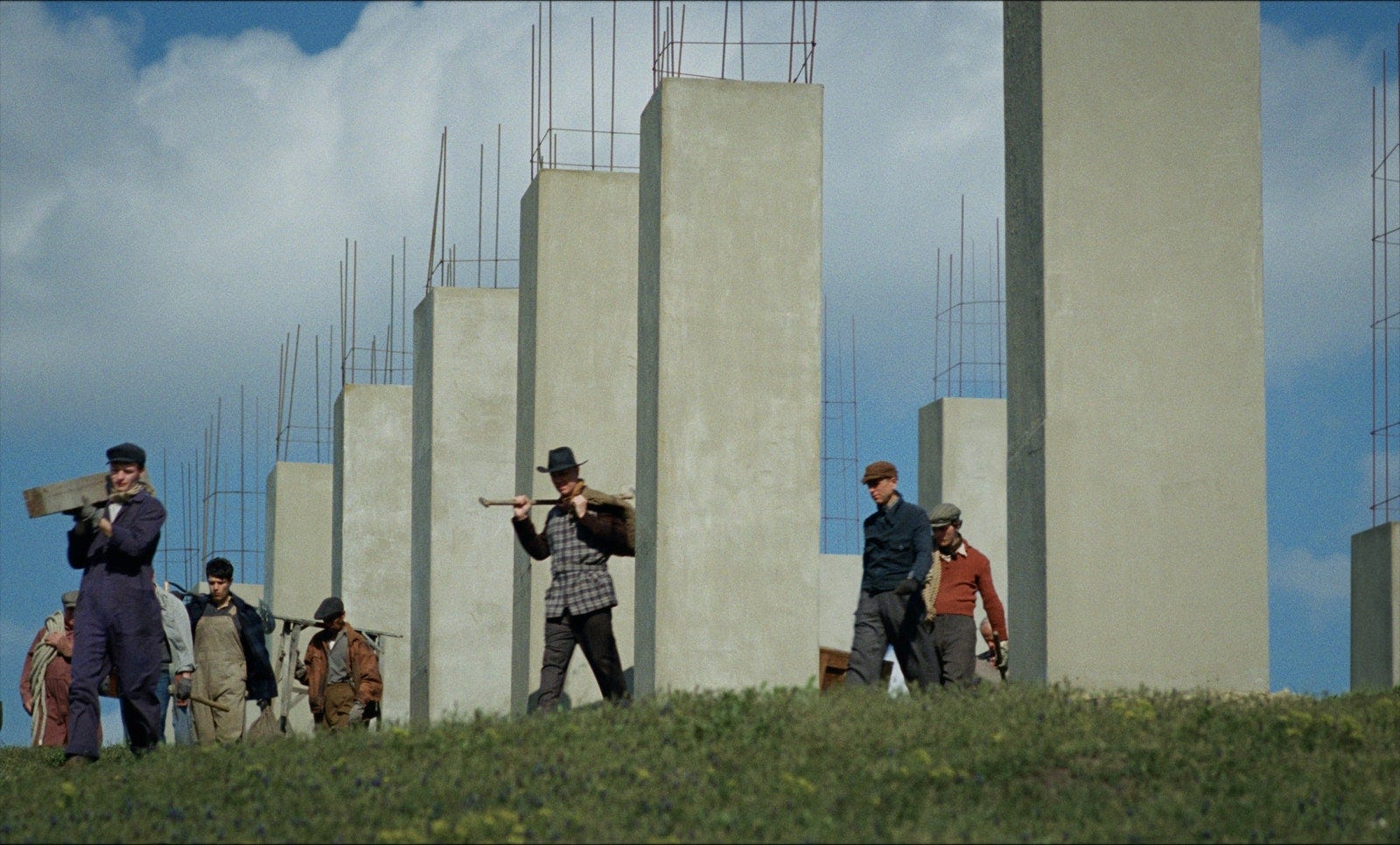
Brady Corbet understands what made films of the 20th century important. He is able to utilize that understanding in a way that does not attempt to directly crib or copy (much) from them. The Brutalist isn’t a masterpiece or the next great American epic, but it’s a damn close step in that direction.
Adrien Brody, Guy Pierce, Felicity Jones, Joe Alwyn, and Alessandro Nivola are terrific under Corbet’s direction. Pierce is the standout, playing the at-times cartoonish, Daniel Plainview-esque Harrison Van Buren — the main supporting character and eventual antagonist. As we hone in on the Van Burens, Corbet is a master of being able to say a lot about family dynamics without saying much. Brody gives his best performance since The Pianist, twenty years ago, as the talented but perpetually downtrodden László Tóth.
The ambition of a runtime succeeding 3 hours, with an intermission thrown in, is admirable but The Brutalist should have been two separate films. “Part I” feels as satisfying and conclusive as any movie you will see this year. It’s the American dream come true. “Part II” is the American dream being broken open like a walnut and exposed. Corbet thinks he’s saying something poignant with this sour turn, but it’s the weakest element of the movie. It also takes a misstep in shifting the focus away from protagonist László and onto his wife Erzsébet Tóth (Felicity Jones). Jones isn’t as compelling to hold the screen for as long as she does, but she serves the film well enough. Regardless of any story or character issues, The Brutalist endures. It carries shades of Peter Greenaway’s The Belly of an Architect at points, and anyone who can echo Greenaway deserves a firm handshake.

People will say it’s sloppy. They’ll say it’s stupid. That it’s poorly executed. That the dialogue is bad. That it has a tired ‘baby boomer’ message tacked onto it. None of that matters. What matters is that Megalopolis gave us something to talk about and argue over. Francis Ford Coppola chocked this flawed spectacle full of memorable scenes, characters, and cinematography. Isn’t that what movies are all about? Or did we get so curtailed by ‘story’ that we forgot this was a visual medium?
Megalopolis is a straightforward tale told by one of the old masters in an overly complex fashion. It features some of the most wild and technically stunning shot compositions of 21st century American cinema. Adam Driver, Aubrey Plaza, Jon Voigt, Giancarlo Esposito, and, of course—the star of the show—Shia LaBeouf make Megalopolis, using their talent to fight over wordy and ham-fisted dialogue. The unnatural exchanges between characters add to the charm of these performances.
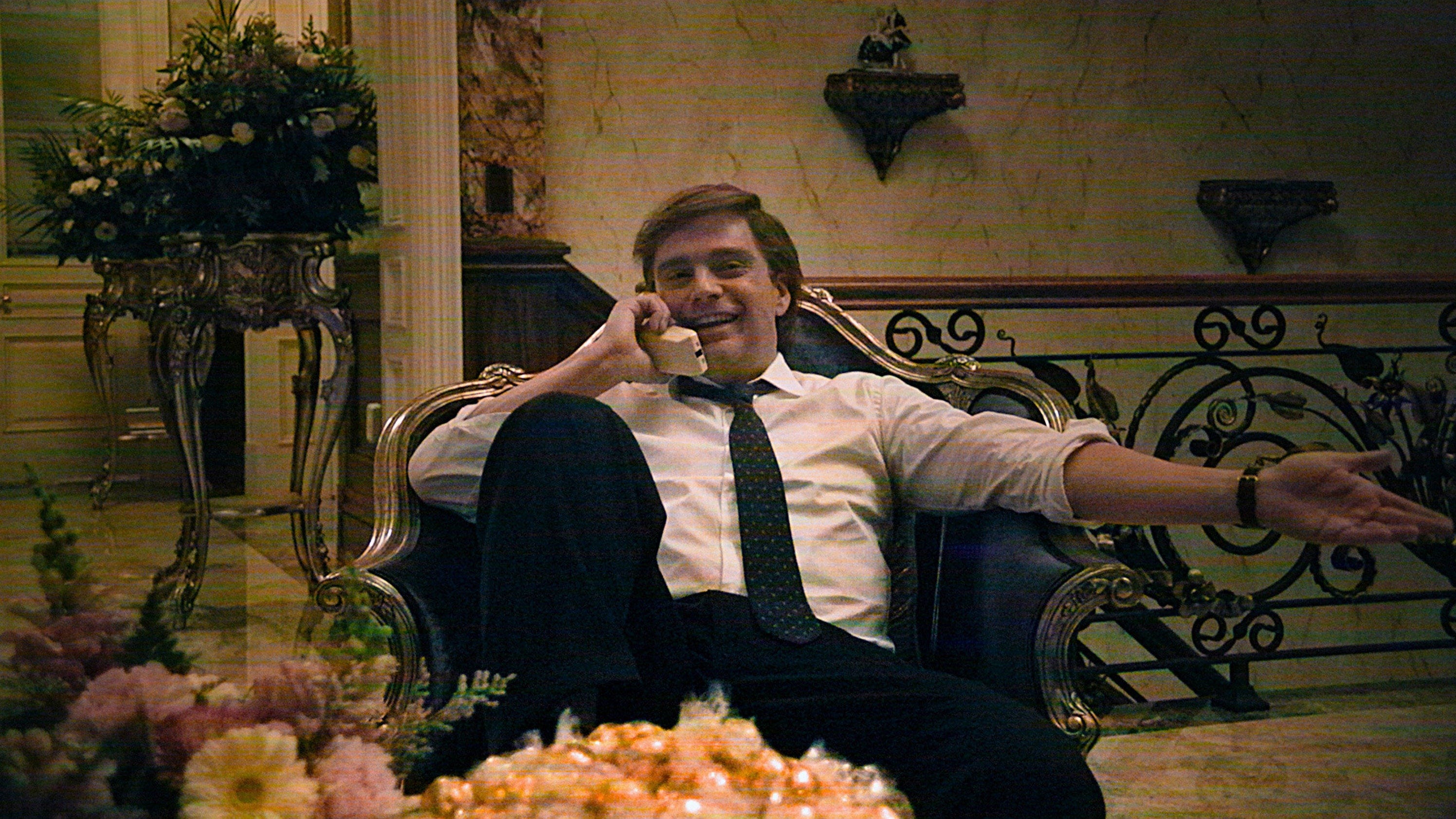
There was a time when movies were made about events in modern history and people took them seriously. Insecure, meta-commentary Family Guy humor has spoiled that. But that may be about to change. The Apprentice was the surprise of the year.
After swallowing four years of Alec Baldwin’s buffoonish Donald Trump impression, we were gifted a reprieve in the form of Sebastian Stan. In a press conference for the film, Stan admitted to listening to hundreds of hours of Donald Trump interviews and speeches while performing casual tasks. Through his earbuds, he allowed The Donald to sink into him and took meticulous note of the president’s speech pattern and physical mannerisms. Sebastian Stan’s performance is, bar none, one of the best of the year. It is complemented by Jeremy Strong’s portrayal of the vicious strategist Roy Cohn and Martin Donovan’s criminally under-discussed transformation into Fred Trump.
At any moment, The Apprentice could’ve succumbed to a liberal Gen X bend that you could sense screenwriter Gabriel Sherman was struggling to withdraw from when writing the script. You get a few 2016 to 2020-oriented Stephen Colbert touches in the dialogue, the rape of ex-wife Ivana Trump (which she later denied happening; we, of course, don’t see this in the film), and Trump evolving into a strange acne-scarred monster addicted to Diet Coke… But director Ali Abassi seems genuinely disinterested in scolding people over their politics. He does his best to escape these indulgent flourishes and molds the story into a ‘Monster Makes the Man’ morality tale.
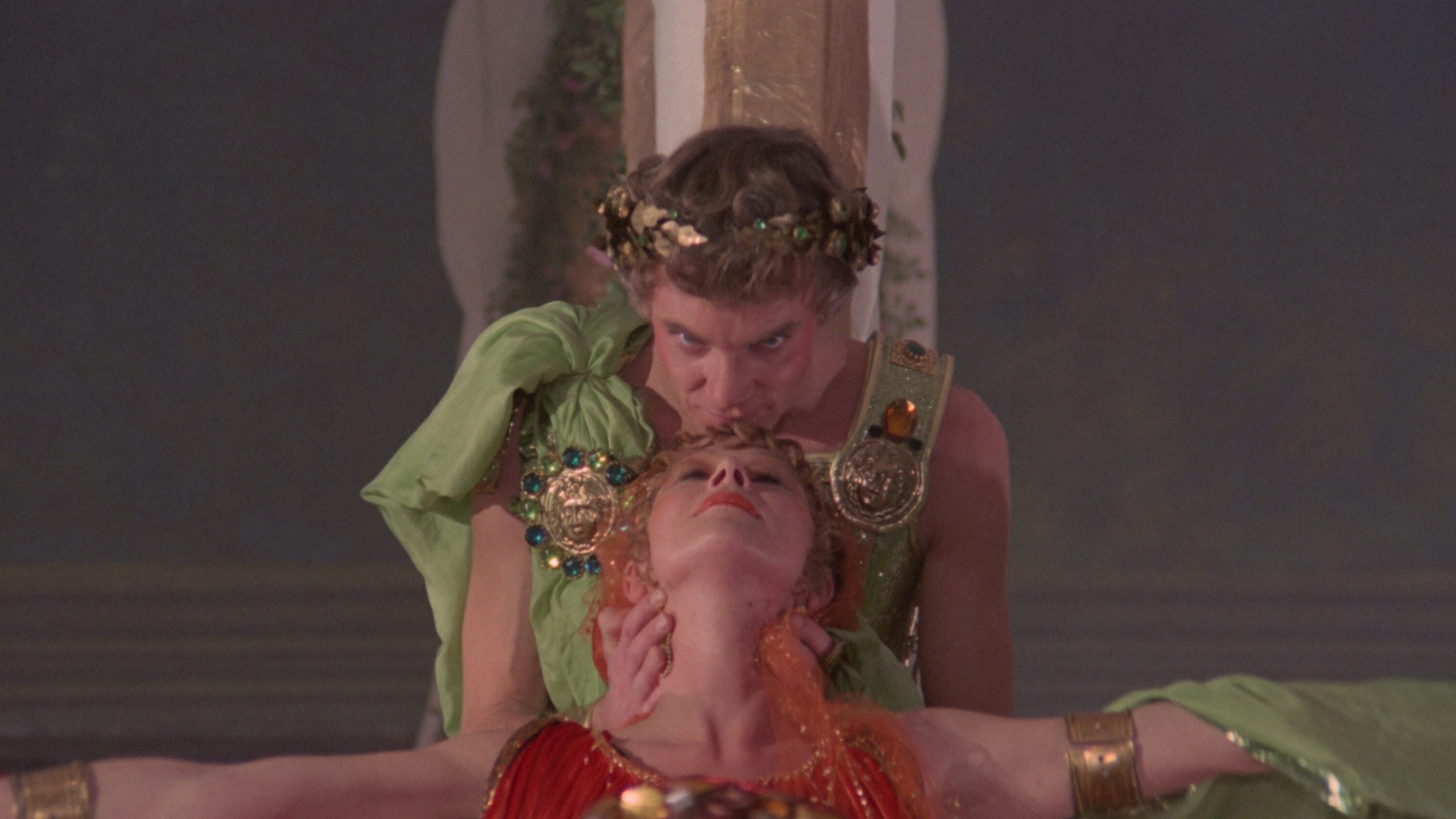
A movie shot in 1976, hatcheted down by Penthouse’s Bob Guccione in 1977, released in Italy in 1979, in America in 1980, and then in America again over 40 years later is one of the best films of 2024. Caligula: The Ultimate Cut is a closer reflection of what director Tinto Brass intended when production began almost 50 years ago. Yet, despite bearing his name as director, Brass had nothing to do with this overhaul. In fact, he tried to get it squashed before it premiered at Cannes in 2023. Gore Vidal’s screenplay was used as a textbook to assemble a brand new vision of Caligula that takes one of the most controversial movies ever made and turns it into a great film.
Caligula (1980), while dynamic and hilarious as a pornographic epic, did not yield a strong story or very good acting. Caligula: The Ultimate Cut does. Producer and editor Thomas Negovan deserves the credit as the maestro of this project. He really did scrounge to find the best of what Tinto Brass and Bob Guccione shot in 1976. In doing so, he recovered one of Malcolm McDowell’s finest performances.
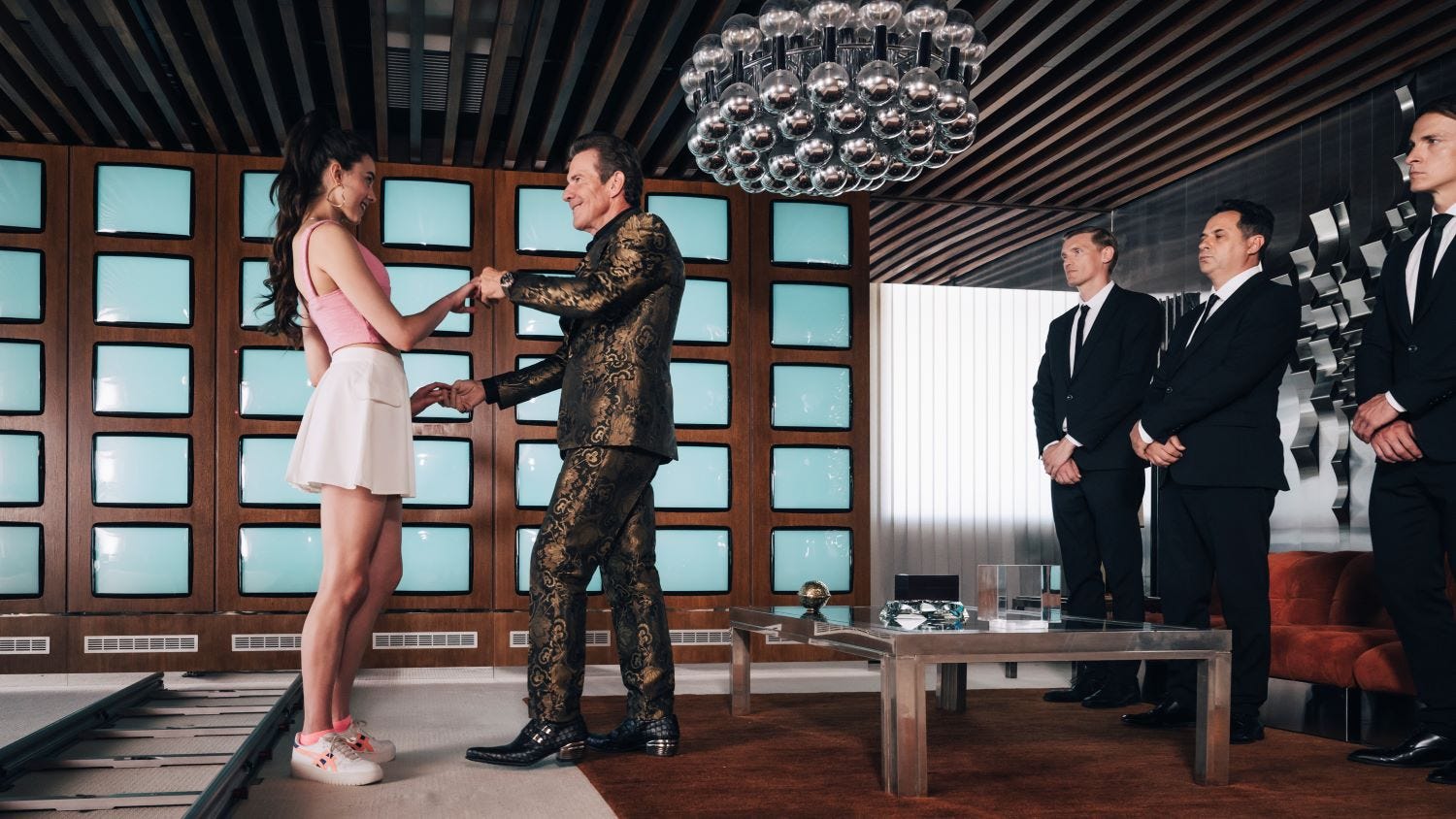
Coralie Fargeat’s far-from-subtle commentary on aging and the entertainment industry made me laugh more than any other film this year. Rolling out late 20th-century movie stars Demi Moore and Dennis Quaid to headline The Substance, alongside the now heavily lusted-after up-and-comer Margot Qualley, was a superb choice.
Yes, it wears its influences on its sleeve—and then some. But the experience is wholly original. Frankly, with The Substance, Fargeat does ‘Cronenberg’ better than Cronenberg. She even ends the movie by doing ‘Tim & Eric’ better than Tim & Eric. Consider me a fan.
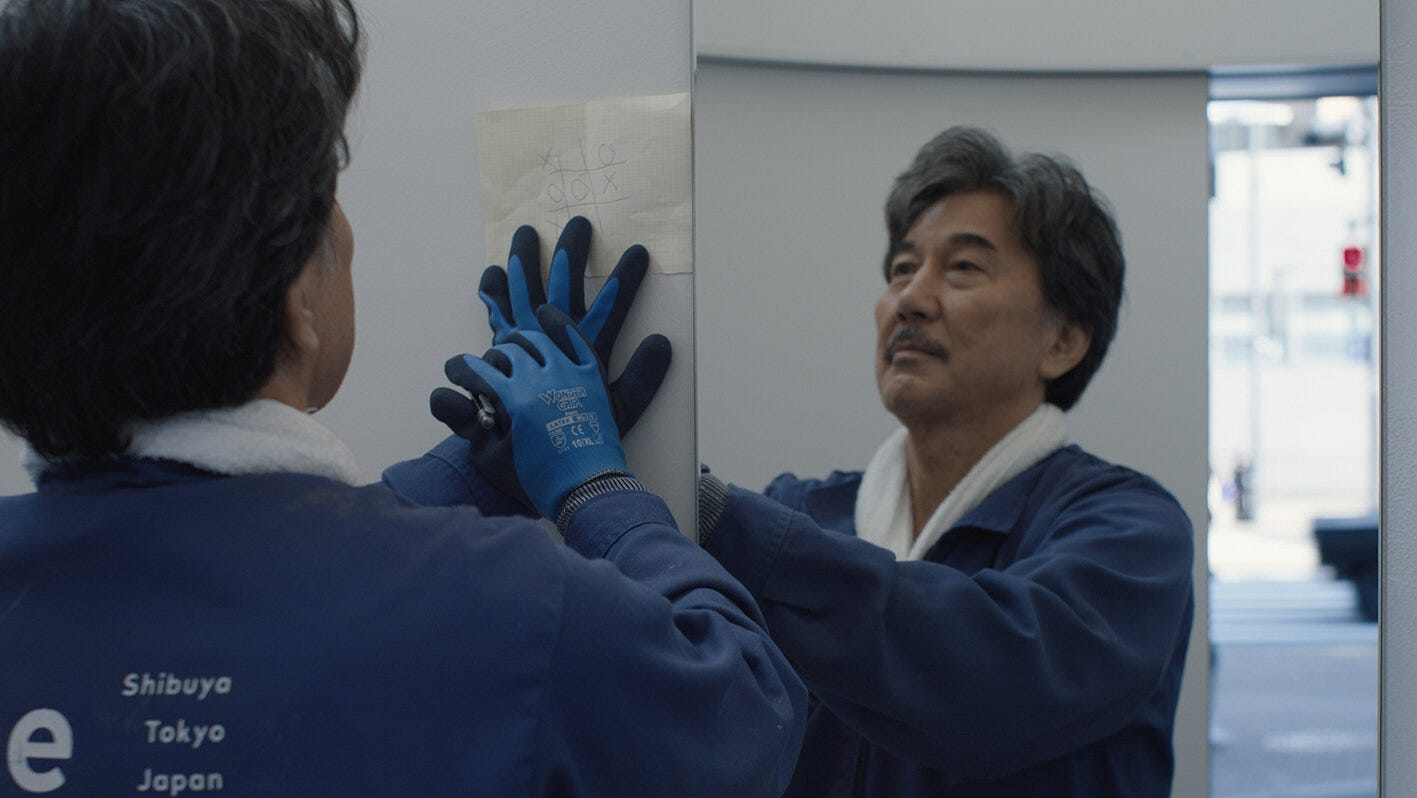
Perfect Days was nominated for Best Foreign Picture at the 2023 Academy Awards and won. It was released theatrically in the United States in February 2024, riding off of the back of its victory. Wim Wenders is a terrific director, but it had been a while since Wenders had made a special film. Until the End of the World was 1991. Was Wenders destined to be one of those great European directors whose relevance stayed confined to the 20th century? Was he to be kept in Red Box jail, making international 3D James Franco movies nobody dared pay attention to?
Luckily, the answer was no. Perfect Days is one of the most beautiful movies to come out of the last 25 years. It captures Tokyo in a way that you would never expect from a non-Japanese person. Kōji Yakusho’s performance has been talked up since the movie was released last year in Japan and he deserves all the credit in the world for carrying this film on his back as the humble custodian Hirayama. Observing his day-to-day life, when juxtaposed with Franz Lustig’s cinematography, makes Perfect Days feel like a brief, pleasant excursion to Shibuya.
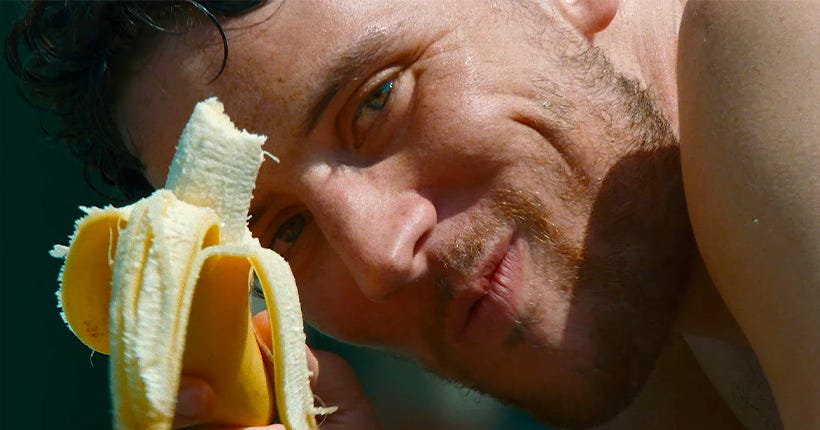
Challengers is the movie of the year. Three great actors, three great performances - fantastic direction and cinematography, and an energetic score that will stay rumbling around your veins for weeks afterward. No movie since Danny Boyle’s Trainspotting in 1996 has made youth culture feel so kinetic and alive.
After striking out with the very dumb Bones & All in 2023, Luca Guadagnino has come back hard with what could arguably be his best film. Zendaya, often criticized for being stiff and moody, is able to use some of that to make the bitter, once-prodigal tennis star Tashi Duncan come to life. Mike Faist is her affable husband Art Donaldson, whose tennis career and relationship with Tashi has drained him of his passion and personality. Cue the showstopper: Josh O’Connor as Patrick Zweig, Art’s vaguely bisexual former best friend and Tashi’s ex-boyfriend. Patrick, a rich kid living out of his car to prove something to himself, has risen out of the past to smash things up a bit and collect a paycheck.
The musical chairs dynamic of friendship and romance stretched over a decade is a bold, non-linear swing from Guadagnino. Music from composers Trent Reznor and Atticus Ross make the confusing and mildly tense interactions between these characters feel utterly explosive. The viewer is left on the edge of their seat over scenes of making out and swinging tennis rackets. It’s an incredible feat.
Challengers is a modern classic.
Thanks for reading LowRes Wünderbred! This post is public so feel free to share it.
No posts
Comments
Nothing yet. Say the first thing.
Sign in to join the conversation.