
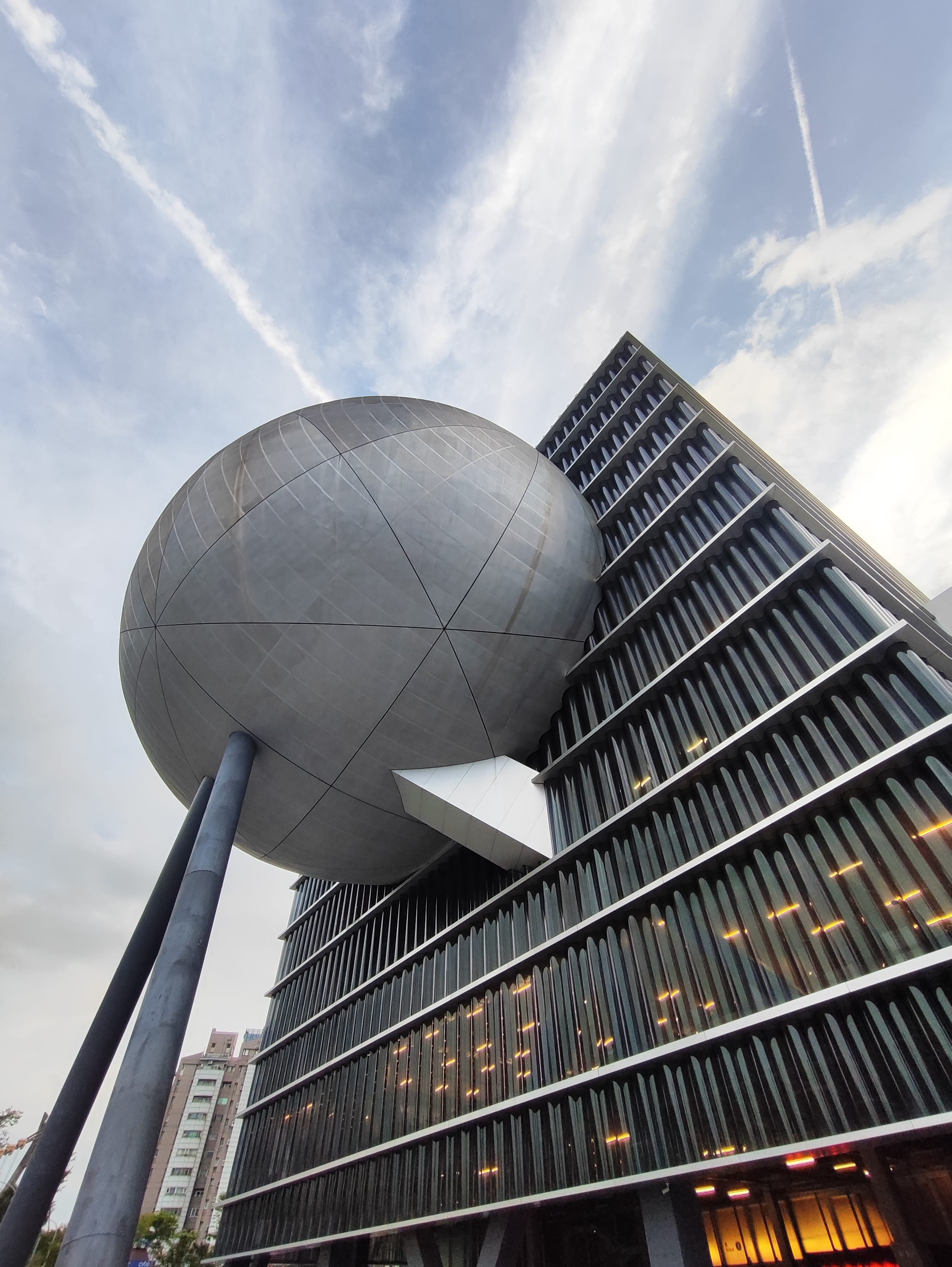
After passing by it the day I arrived in Taipei, glimpsing it from the Jintian MRT exit across it, I was finally able to enter the Taipei Performing Arts Center, which hosts the two performances we witnessed today: Cinderfella by The Party Theater Group, and Journey into the Apocalypse by Dark Eyes Performance Lab. Two diverse productions that draw similarities in its tackling of personal and national-political histories, summoning the past while it looks forward, or reimagines a future, if not a present mired in contemporary global crises. Thus, the word tense in the title refers not so much to the temporality that a verb assumes, but in how the contemplation of past and present histories, anxieties and contradictions emerge.
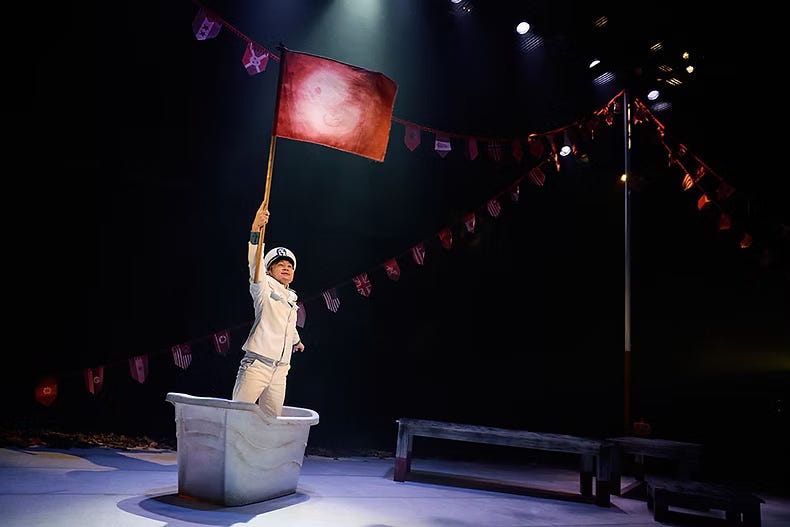
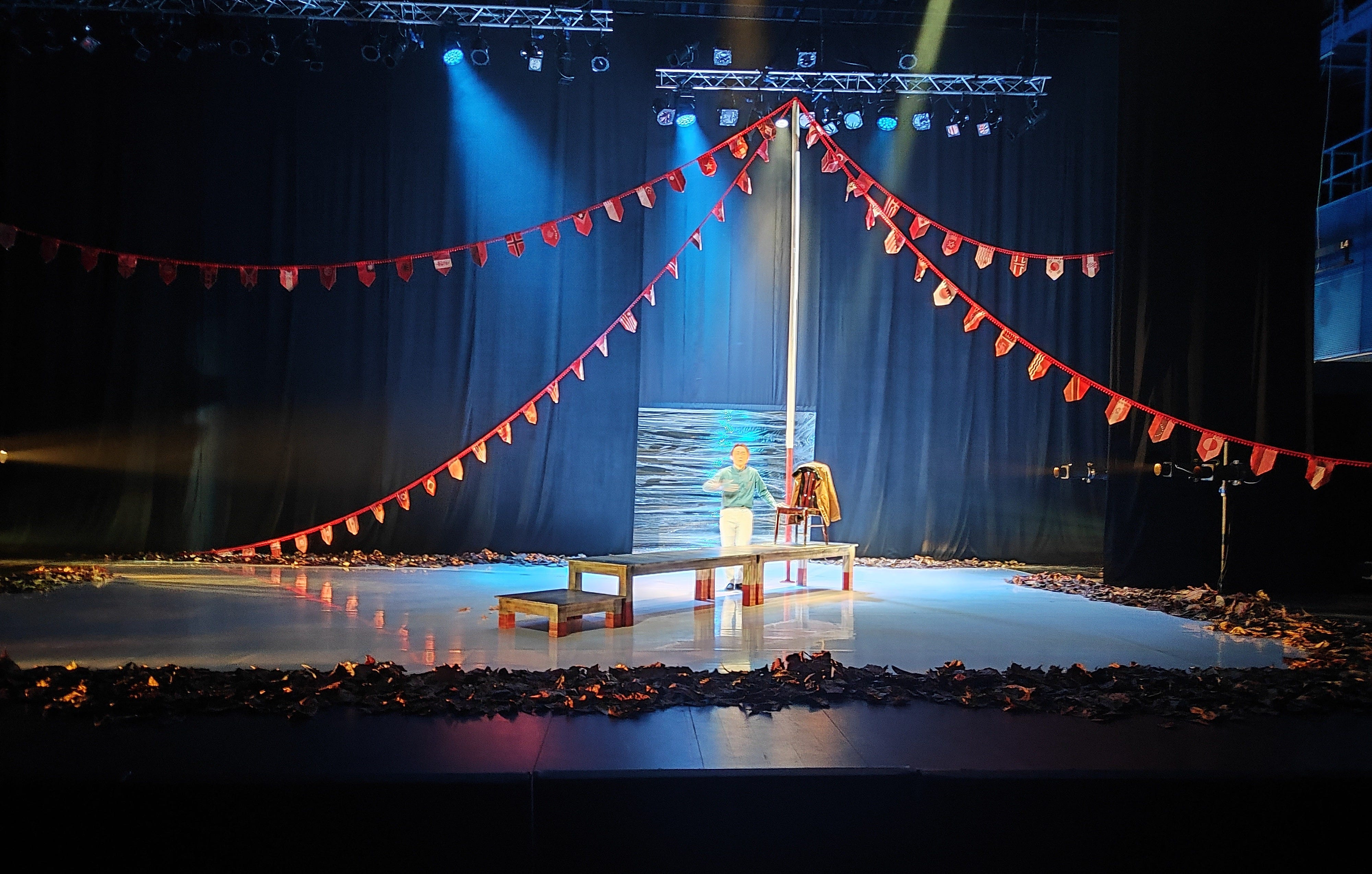
Cinderfela, a one-man play where the actor—an indefatigable Zi-heng Lin—plays 19 roles, is a sweeping narrative that is inspired by the harrowing story of a gay man caught in the tumultuous tides of Taiwan’s history of becoming and unbecoming. It explores the body both as vessel for performance and remaindered life. (If yesterday was a first in terms of contemporary dance, this is another first in terms of one-act play/performance!) Through the characters of Grandpa Fang and Ren, we see the nation through the endurance of stories even though some of these are marginalized and least-discussed. Cinderfella is inspired by a true story with narrative elements, intrigue, gay romance and melodrama that AE fellow Adrian said would undoubtedly draw crowds in the Philippines. The violence and suffering in the play reminded me of Hanya Yanagihara’s A Little Life. The triumph in Cinderfella though is that it is grounded in its nation’s history and the forgotten people who bore its brutalities. We must be Ren towards the end, never forgetting their faces, never forgetting their tears. Their stories are now ours.
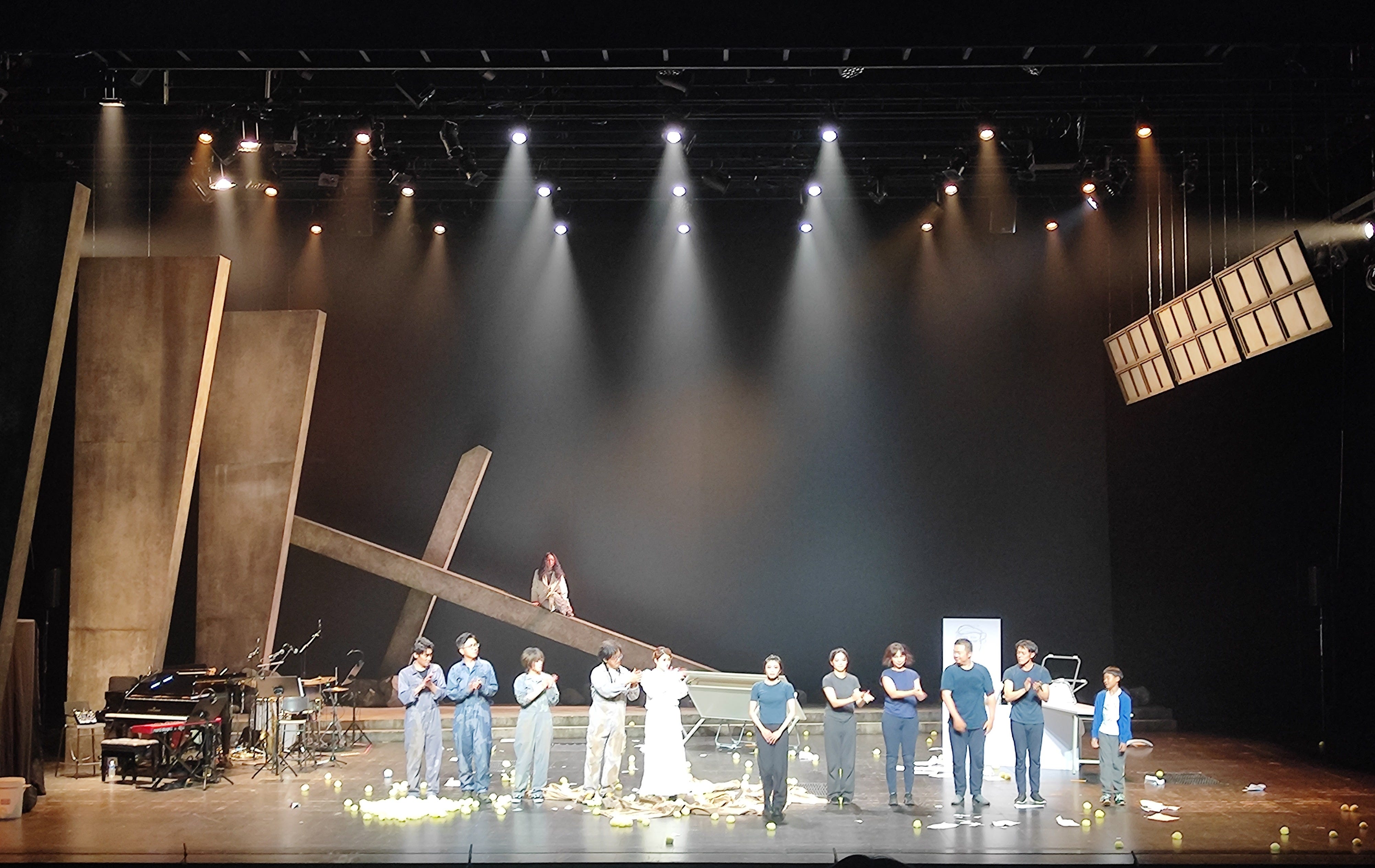
It was nice to go in clueless for Journey into the Apocalypse, which we saw an hour after Cinderfella, inside the main theater that is inside the sphere structure of TPAC. With the pull of the word apocalypse and the opening act featuring a gay couple in the woods, it’s hard not to think of the Max series The Last of Us (which is based on a video game) particularly the season one episode featuring a gay couple faced with a fungi-infected zombie apocalypse. As the play progresses, we realized that the apocalypse is something that is a work-in-progress, not the proverbial foretelling we have been accustomed to. The turning point in the play, the moment that I shifted in my seat, was when the large-scale projection becomes a straightforward extension of the narrative. We see the backdrop of the blurred city amid the flurry and furor of modernity. There’s a playfulness and unpredictability to its madness too, like jazz and its fusion in the overall production, a making-sense of the collision/blending of forms and movements.
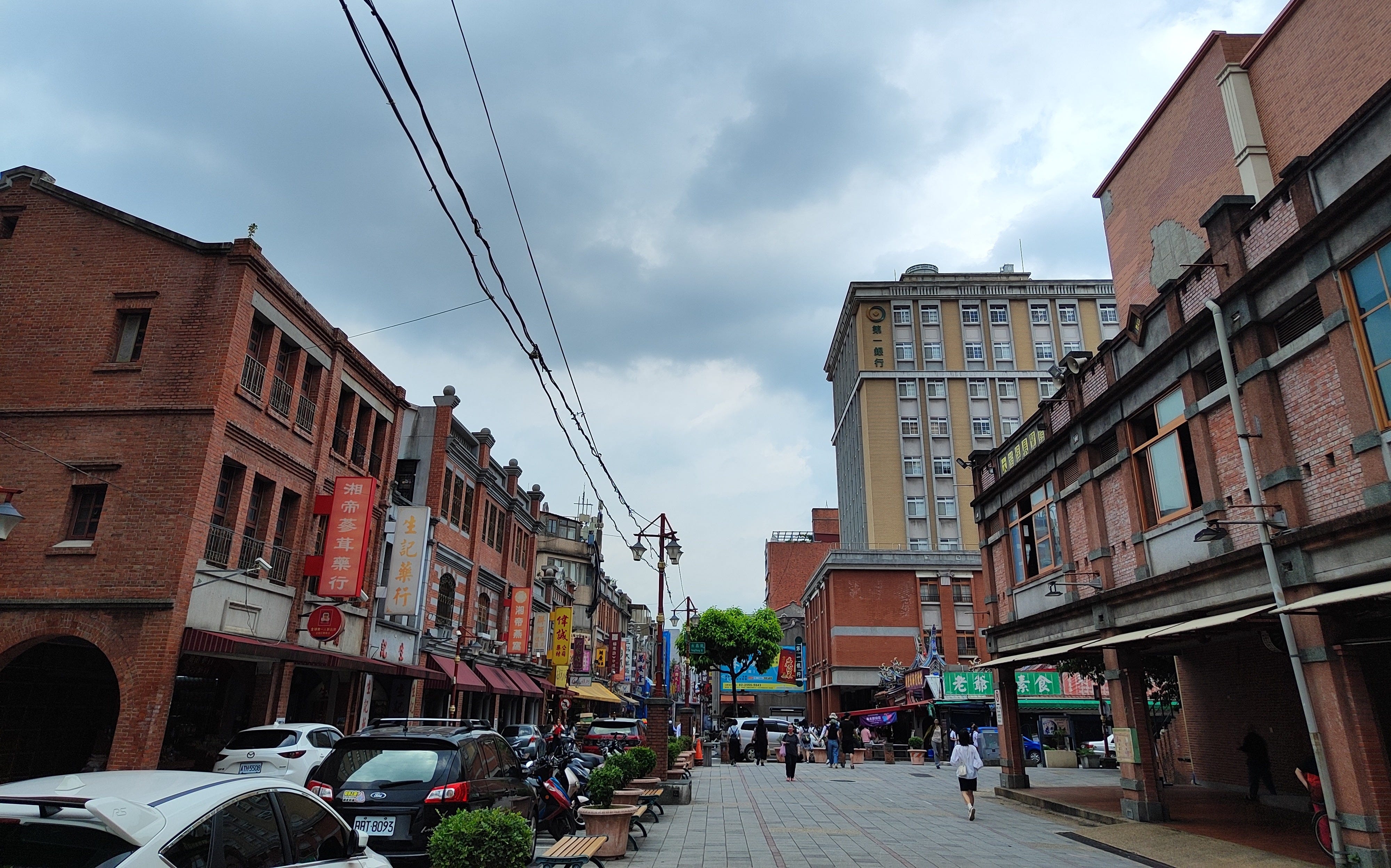
Today was really interesting thinking how each of the performances I saw was preceded by touring walks. Before Cinderfella, we had a quick tour of Dadaocheng, Taipei’s old district, each structure housing its own trove of history, marking a turning point in the constant construction of the city. Meanwhile, before Apocalypse, we also did a fast tour of the TPAC. I was blown away upon learning that it was designed by Rem Koolhaas, one of the most influential figures of 21st century architecture. His buildings are screaming slogans of modernity. The TPAC has been hailed for its being transformative. Aesthetic functionality built on principles of sustainability and transparency is on full display. To enter TPAC and learn more about its design elements, it’s as if you’re looking into the future. Except the future is now, and you’re standing in it.
The ArtsEquator Fellowship Critics Network is made possible with the support of Taiwan’s Ministry of Culture and the Taipei Economic and Cultural Office in Malaysia.
No posts
Comments
Nothing yet. Say the first thing.
Sign in to join the conversation.