
Waterfront real estate is among the most desired—and valuable—property in many areas.
After all it is generally where people want to be:
Good views, lots of people around, excellent locations, plenty to do.
And it is scarce:
Nobody is “making any more” lakes or oceans.
A type of retail real estate that shares these characteristics is...
Regional Power Centers.
The comparison is not as far fetched as it may seem.
Power Centers are large, open-air retail properties that are home to one or more category-dominant anchors like Costco COST 0.00%↑, Home Depot HD 0.00%↑, Target TGT 0.00%↑ or Walmart WMT 0.00%↑.
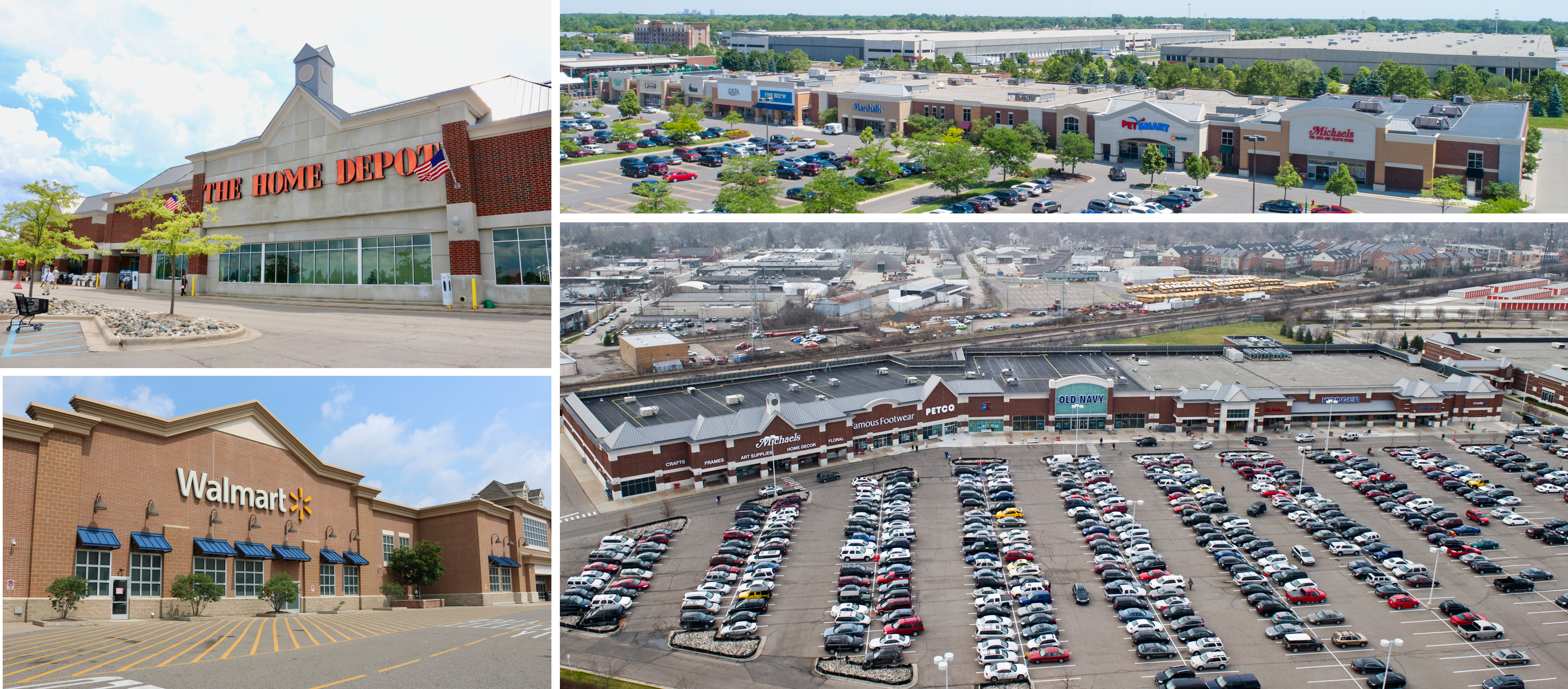
These anchors operate large, 100,000+ square foot stores alongside a dozen—or more—Big Box retailer co-tenants.
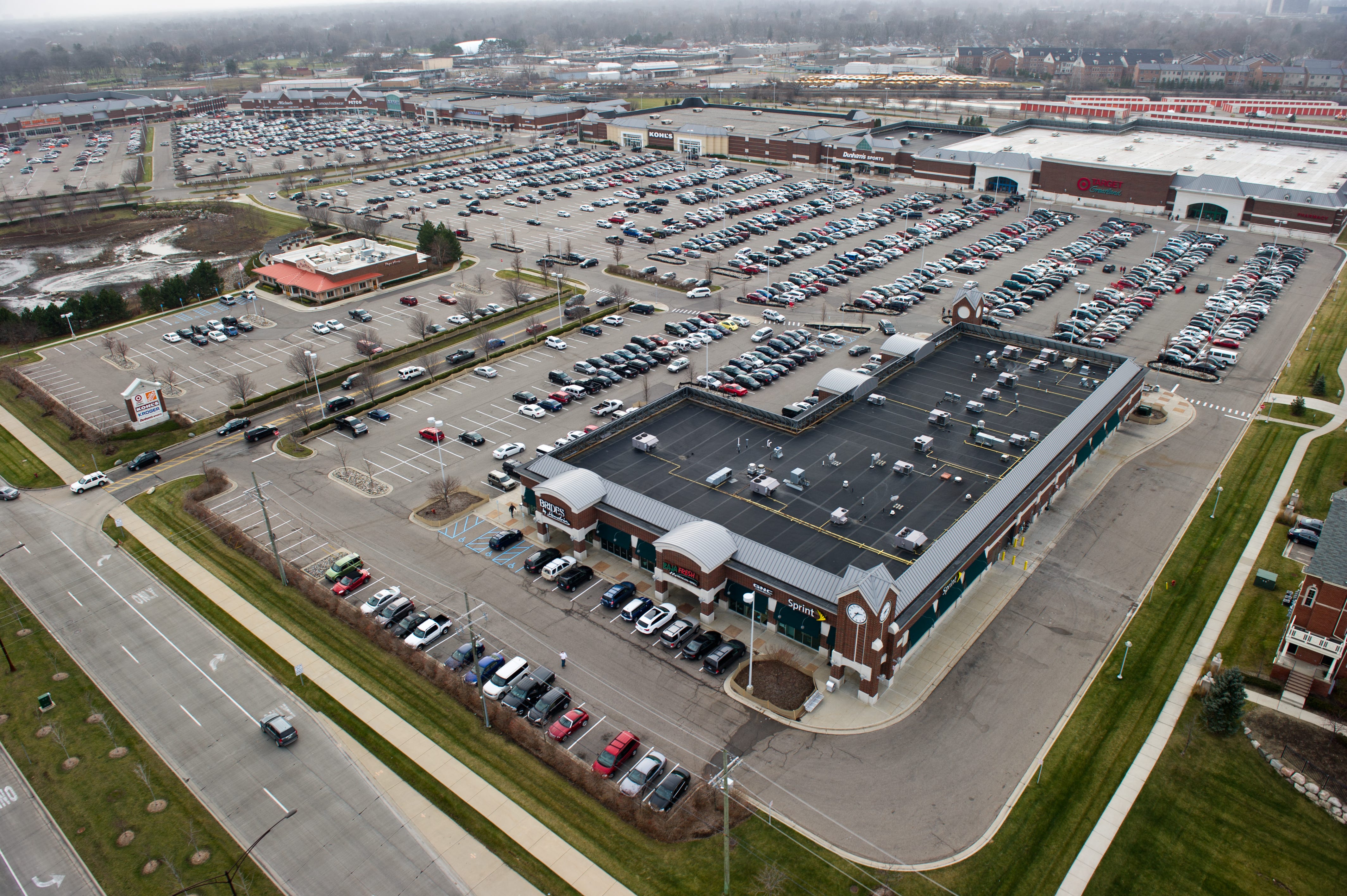
Power Centers are quite large.
Many include over 500,000 square feet of buildings on 100+ acre land parcels.
Most Power Centers also include a number of “outlots,” or buildings in the parking field that are home to small shop tenants, restaurants, banks and other service providers.
The first thing they have in common with waterfront real estate:
Both properties attract people. Lots of people.
While the parking lots at Home Depot and Costco may not be as scenic as the views out on a lake, the number of people that come and go from these centers is exactly what retailers, restaurants and service providers look for in a location.
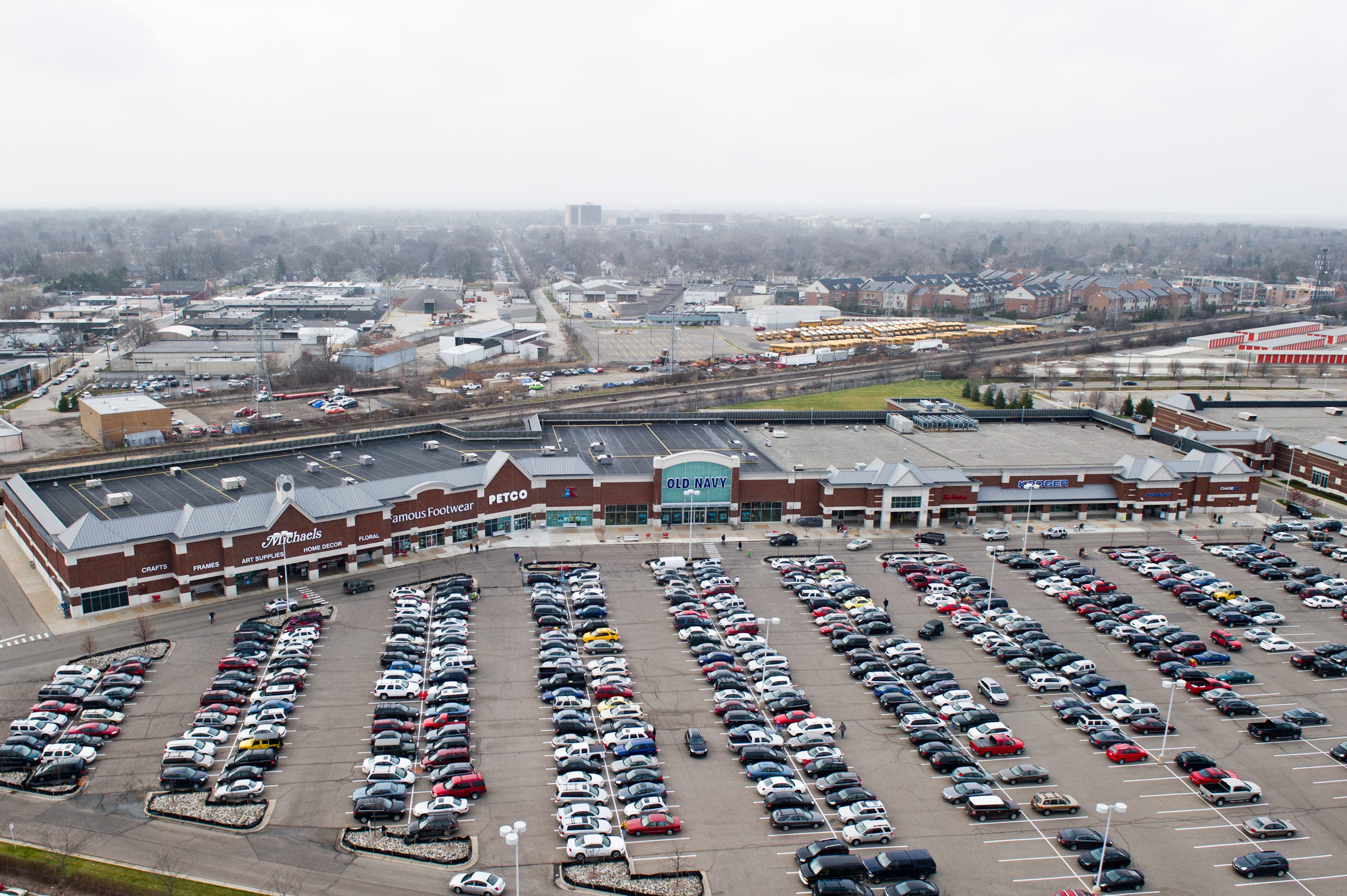
Like waterfront real estate, regional Power Centers also offer visitors plenty to do.
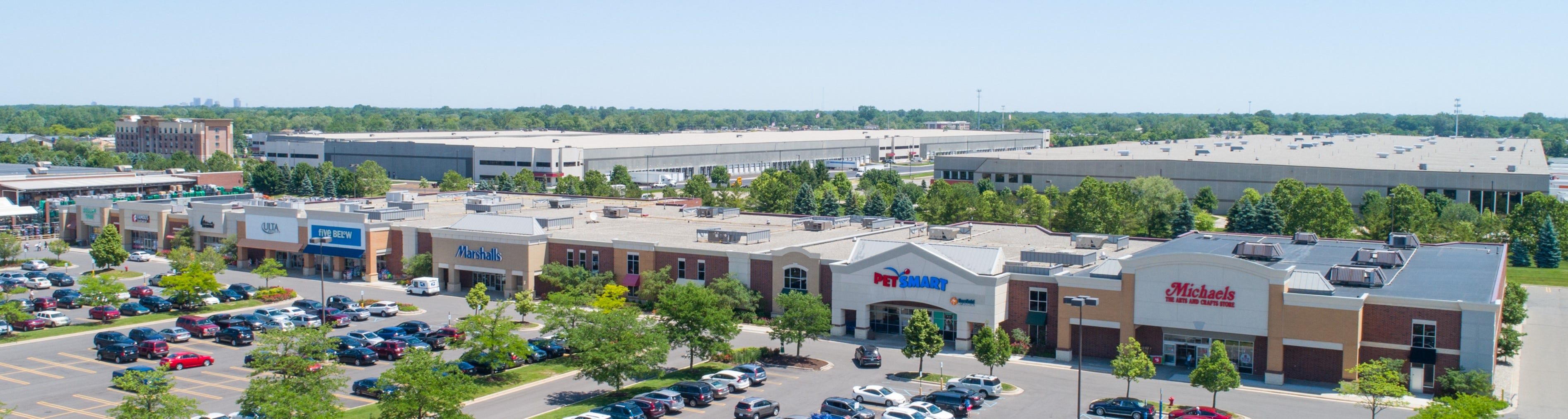
Customers come from significant distances to visit not only the key anchor draws but also the adjacent retailers—which makes for a "one-stop" shopping experience.
Landlords also benefit from this tenant diversity.
The collection of retailers that tend to locate at Power Centers are some of the most credit worthy tenants available.
And these tenants very much want to be there:
Many retailers will only open a store in a particular area if space is available in their desired Power Center.
If that center has no vacancies, these retailers will often wait for a future space to come available rather than locate in an inferior spot.
That makes Power Center space quite valuable—and quick to fill up if a tenant leaves.
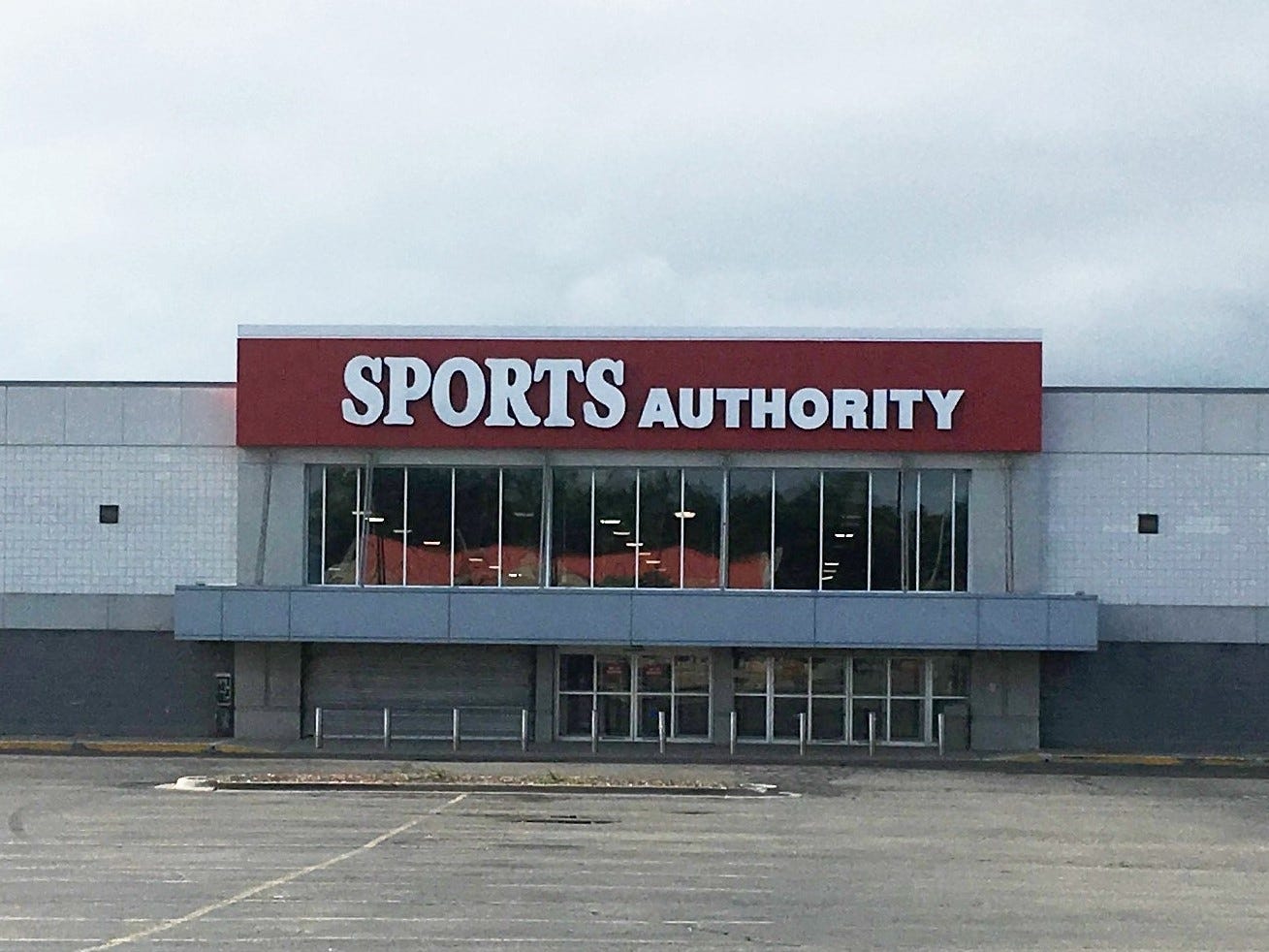
For instance, Sports Authority operated ~40,000 square foot Big Box stores in Power Centers throughout the country prior to its 2016 bankruptcy.
But all ~460 of its stores closed after the sporting goods retailer liquidated in 2017.
The space, however, did not stay vacant for long:
~95% of Sports Authority spaces were backfilled within just 3 years.
Sometimes retailers even take more aggressive actions—like acquiring the leaseholds of bankrupt retailers—to secure spots at Power Centers.
Burlington BURL 0.00%↑ spent tens of millions to acquire more than 100 leases of bankrupt retailers Bed Bath & Beyond and Joann Stores.
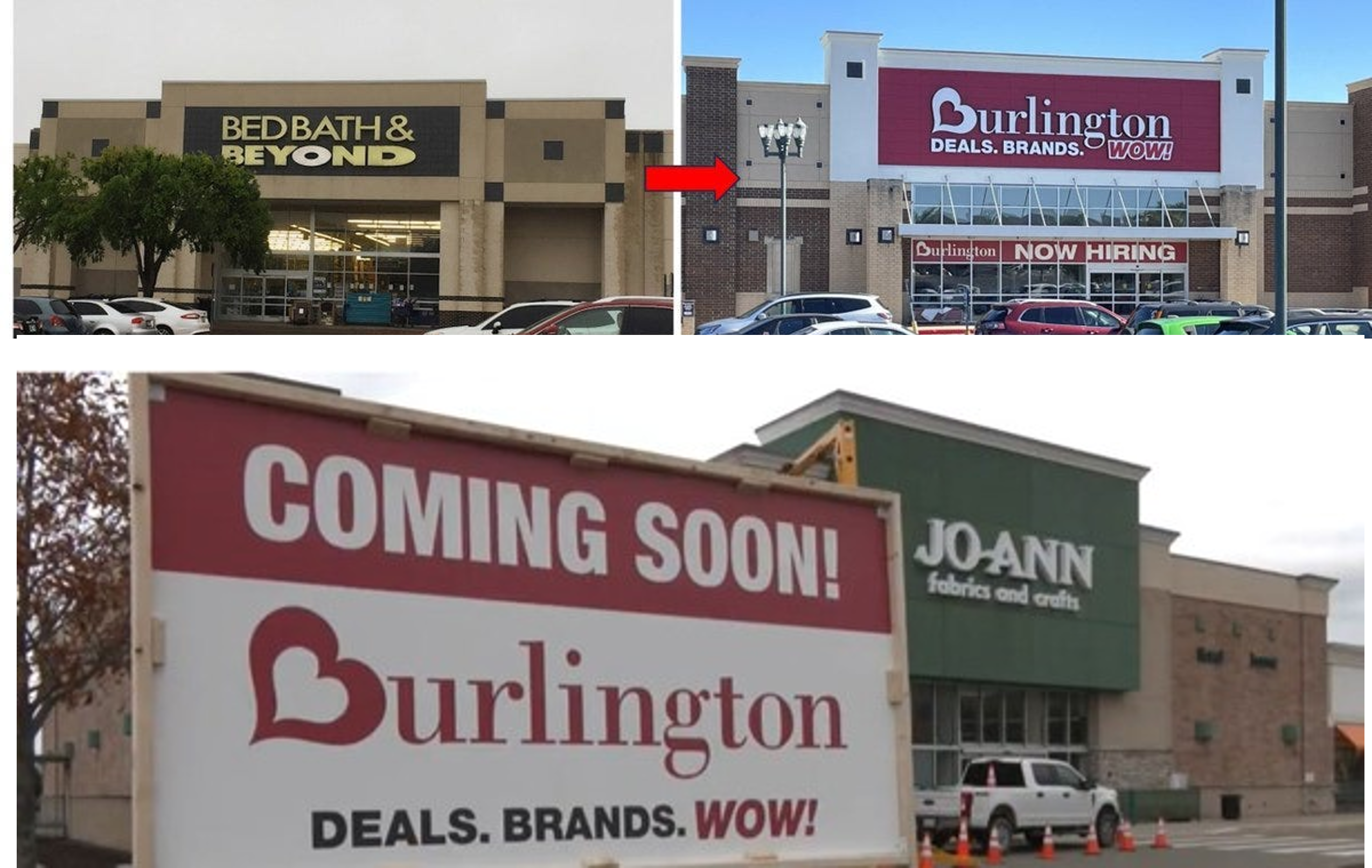
These lease acquisitions provided Burlington with immediate access to spaces without having to beat out rival retailers or even negotiate new leases with Power Center landlords.
The upshot to landlords?
They received uninterrupted rent payments—even though it took Burlington months to renovate the stores—and did not have to lay out any improvement dollars.
The scarcity factor of Power Center space is also quite real.
Industry trade group ICSC estimates there are just over 2,200 Power Centers in the U.S.
However few Power Centers have been developed over the past decade and there is not expected to be much future development in most areas.
That is largely due to the challenge—and cost—to assemble, acquire and build on large land tracts in attractive markets.
But perhaps the bigger issue is that the best Power Center locations were already taken long ago and they cannot just be built anywhere!
So to sum up:
Power Centers are in good locations, offer plenty to do and act as a magnet to attract customers from miles away.
This combination of factors makes them highly desired, valuable, scarce and near-impossible to replicate...
Just like waterfront real estate.
No posts
Comments
Nothing yet. Say the first thing.
Sign in to join the conversation.