
In a few days’ time, The Wine Society is launching the latest of its Fine Wine Spotlights, this time focussing on Italy. The offer begins on 20 April and runs over two weeks, with releases staggered over that period.
(If you’re in a TLDR mood, and want to jump straight to my picks from the offer, they’re at the bottom.)
The Fine Wine Spotlights are an interesting initiative from this influential UK merchant, which has already built a very solid reputation as a source for good value everyday wines under their own label ‘The Society’s’ range and their slightly more premium ‘Exhibition’ range.
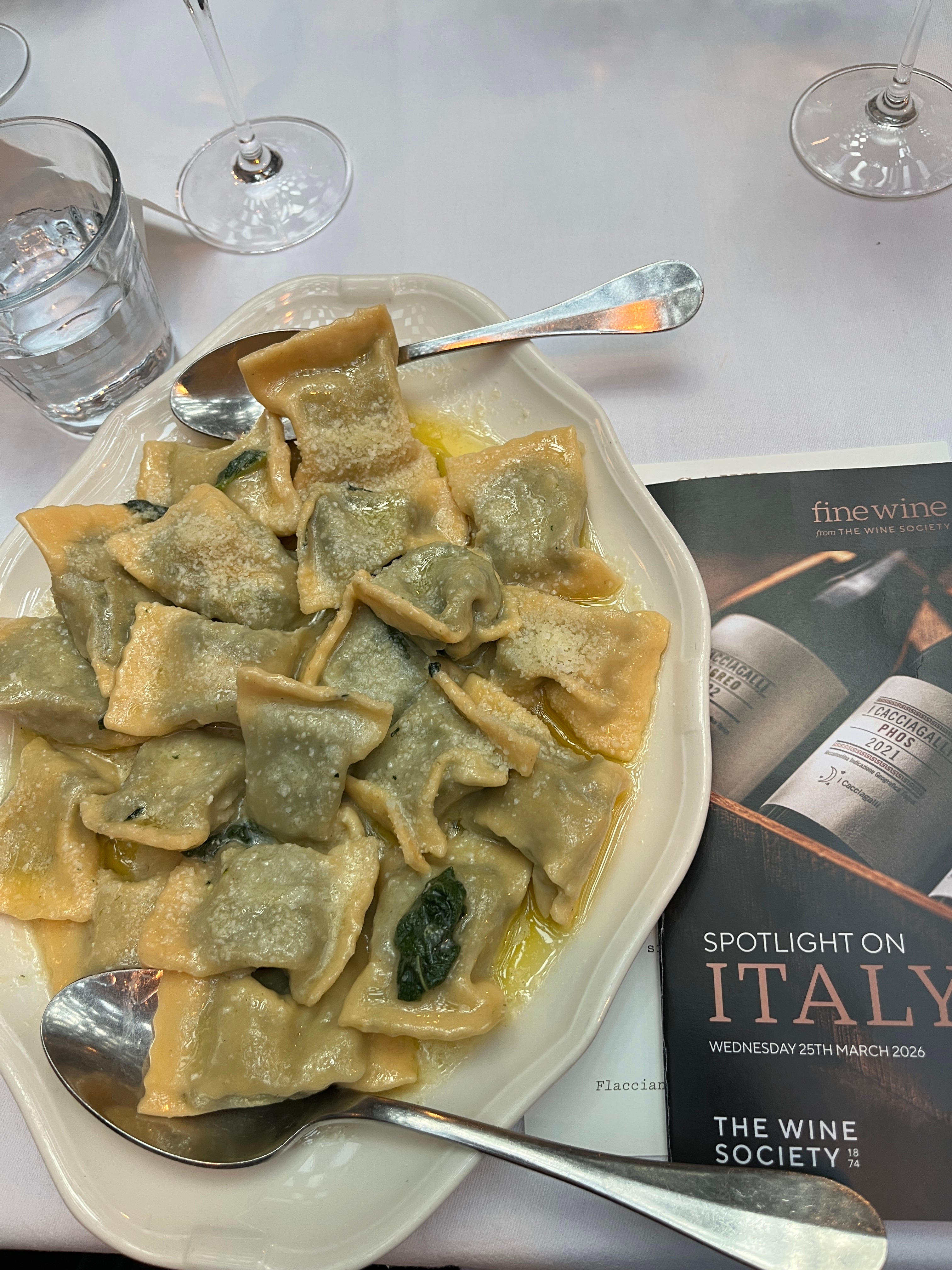
Now, The Wine Society is moving into the fine wine space. The business case for this shift is one I’ve written about for trade readers last year. Since then, Alex Turnbull has been hired to develop the fine wine programme, which continues to evolve slightly in format and execution with each new release.
As an Italy specialist, I obviously couldn’t miss the chance to see what the Society’s buyers would choose to focus on for this high-profile offer.
Now, if I’m honest, The Wine Society’s Italian range has sometimes felt like the Italian range a wine buyer weaned on France would put together. Wines with a bit more oak or ripeness, wines that aren’t too scary for people coming over from Bordeaux and Sancerre. That’s okay — it’s a buyer’s job to know what their members want and as a former buyer I completely get it: people like me (and maybe you) are definitely not representative of their target market.
But I was very encouraged to see some new listings which are more singularly, confidently, defiantly Italianate, such as Timorasso, Rossese di Dolceacqua and Pelaverga. I suspect the current buyer, Sarah Knowles, would dearly like to add more wines like this if the membership respond well to them, so this offer may well be a litmus test for Italy’s native varieties beyond Sangiovese and Nebbiolo.
In any case, the buyers have a commercial reason to tread the line between safe classics and edgier additions. Italian wine has long been their fastest-growing country, and continues to punch well above its weight in sales to members, so getting it right is very important for the Society.
Knowles explained that there were several themes to the offer: 2016 and older stocks, a First Release of wines from Etna (including the Tenute Tascante recommended below), on-trend, off-the-beaten-track wines all under £30, and benchmark classics and fine wines.
It’s certainly true that the offer is packed with major names from Piedmont and Tuscany, with a very strong offering from the truly exceptional 2016 vintage — the best Italian fine wine vintage of the 21st century. It was one that the Society went long on under Sebastian Payne, who declared it “the best Italian vintage I have tasted in my lifetime,” according to Knowles. They have been sitting on the wines ever since; the majority of the 2016 releases have come from their well-stored stocks, rather than being sourced in the market or even bought directly from reserves at the producer.
I was really impressed, well beyond my expectations, by the range of wines that the Society has put together. I actually think they do display the different facets of Italy rather fairly. In some circles, Italy is all about obscure varieties and a sort of vinous campanilismo, whereas in others it’s just Sassicaia and Tignanello and why drink anything else. By pairing classic regions and larger producers with more daring additions and smaller growers, the Society’s newest Fine Wine Spotlight represents Italy well, and deserves the support of members.
Read on for my picks from the offer and keep an eye out for TWS emails from the 20th April. Most of these wines are very keenly priced and good value to start with, such as the excellent Timorasso from La Colombera and the Riecine Riserva Chianti Classico 2016, which I will certainly be putting in for myself.
I’ve divided these into two sections. Familiar Favourites covers well-established and more traditional Society listings, while Fresh Faces focuses on less established wines and some of Sarah Knowle’s nifty but niche buys, ones which I really hope will stick around in the range long after the Spotlight has moved on.
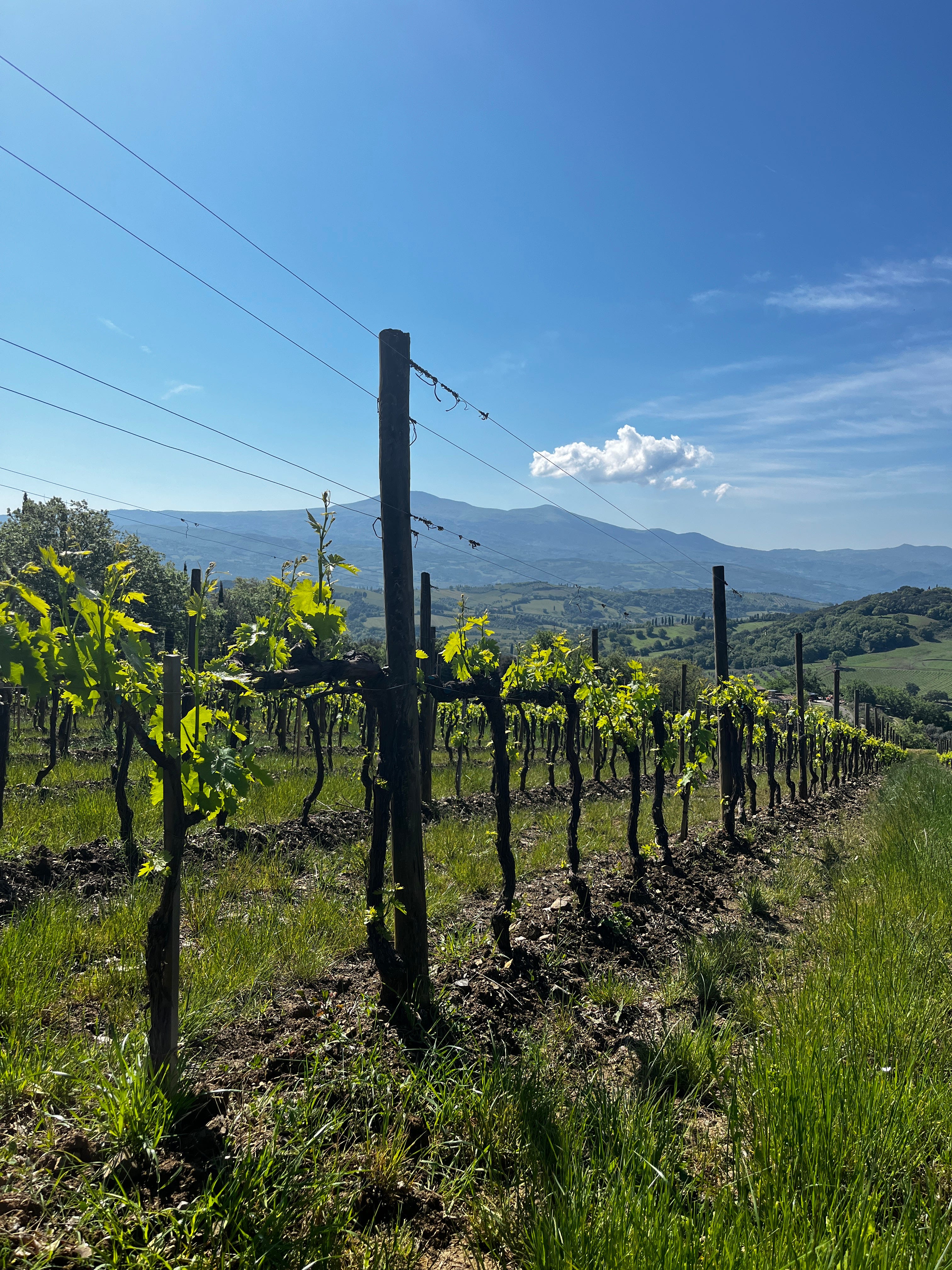
Tenuta Tascante Sciaranuova Etna Rosso 2021
The first time I tasted this vintage was blind, for a Decanter Panel tasting of Etna Rosso, and it was a top scorer out of over 100 wines and against some very prestigious Etna competition. I’ve tasted and drunk it many times since and am always blown away by its bewitching perfume and sultry fruit. It brings together the aromatics of old mahogany furniture and the nutmeg spice of nebbiolo, but the fruit — discreet, membrillo-tinged dried cherry and strawberry — is pure Etna. Complex and gorgeous, it’s a showstopper, and a benchmark for the best kind of Etna red. 95/100
£95 for a 3 bottle case in bond, c. £42 duty paid per bottle (my estimate)
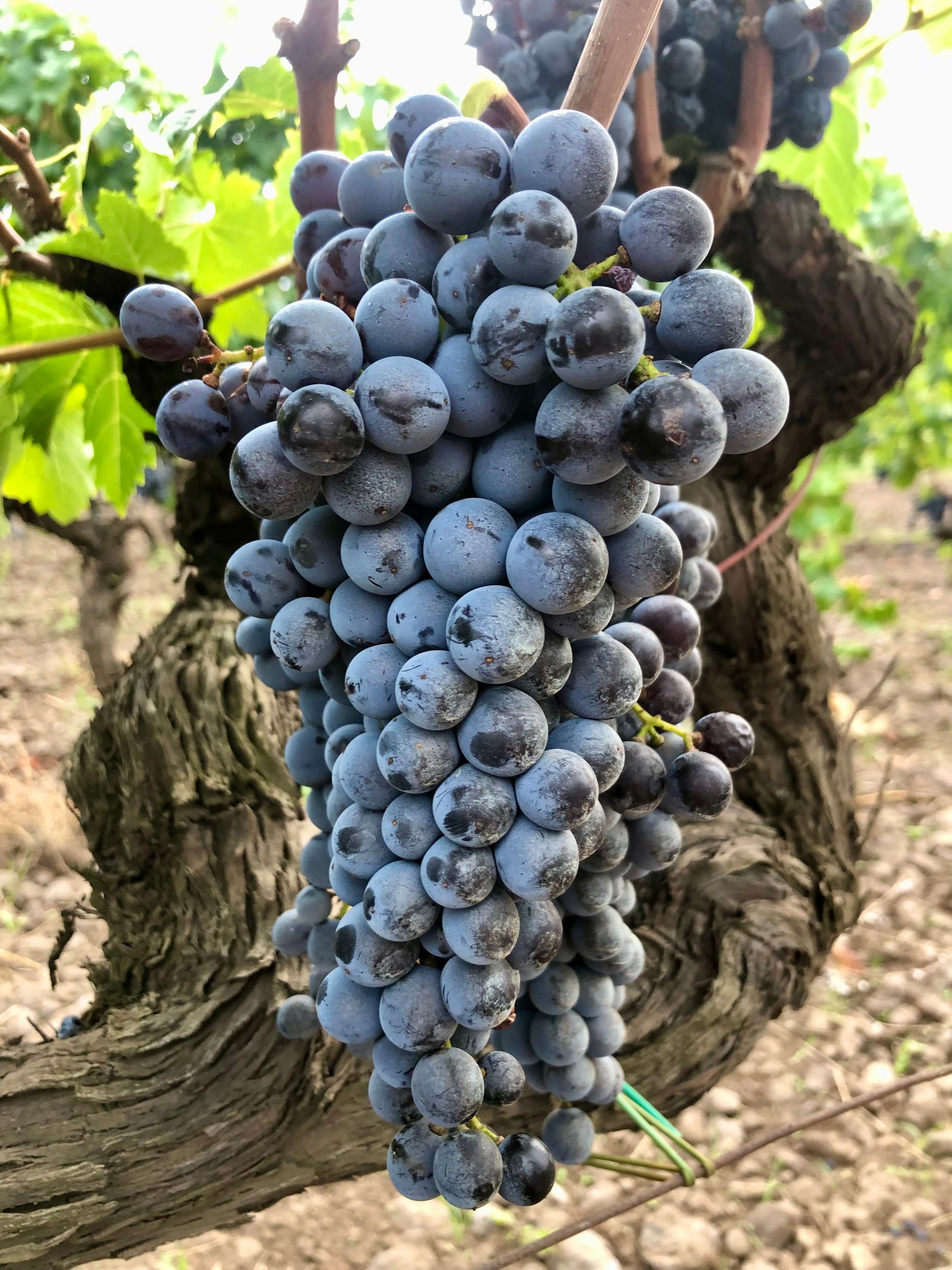
La Colombera Derthona Timorasso 2024
Timorasso is the golden grape of Piemonte’s white wine scene, angling to replace the earnest but often dull Arneis as the region’s flagship white. Like Nebbiolo, it has a very particular flavour that you’ll either love or hate. It’s slightly oily — olive oil, beeswax, that sort of thing — which carries over into the fruit character which is more lime marmalade than lime, with just a hint of petrolly, mature Riesling about it. If you like those flavours, they develop as the wine ages and Timorasso ages remarkably well. This has real concentration and should drink nicely over at least the next five years. 93/100
£19.50
Simone Santi Vernaccia di San Gimignano Riserva ‘Vigna ai Sassi’ 2023
There aren’t a lot of really good producers of Vernaccia di San Gimignano; the wine sells itself to the local tourists who come to see one of Tuscany’s most picturesque cities, the Manhattan of the Renaissance. But Simone Santi is a name to watch out for. The style is a little more modern and contemporary than Montenidoli, the benchmark producer, with ripe citrus, juicy pear, a hint of peach and some biscuity notes from lees ageing, and a very subtle hint of savoury oak. This should appeal to drinkers of Pouilly-Fuissé and those slightly more fleshy Chardonnays from the Côte Chalonnaise in Burgundy and offers better value. 92/100
£21
Barberani Orvieto Classico Superiore Luigi e Giovanna 2022
An exceptionally good wine that not enough members are probably drinking because they associate Orvieto with cheap Umbrian fish restaurants where it gets knocked back by tour groups fresh off the coach. It’s a real shame because good Orvieto is a unique pleasure. This has some pear and peach, gentle spice, a plush silky texture and plenty of discreet fruit in the middle. It’s really smart, grown-up and long with a hint of fresh honey. Based on 90% of the local Grechetto grape with 10% of Trebbiano Procanico, it may change your mind about Orvieto. 92/100
£25.50
Canalicchio di Sopra Rosso di Montalcino 2024
It’s no secret that I’m a huge fan of the refined wines of Canalicchio di Sopra, and the Rosso is one of the best in Montalcino. The relatively light 2024 vintage isn’t going to need lots of time in the cellar, but this is a wine to lay in by the case if you want Sangiovese at its most transparent, drinkable and pure. Bright pomegranate and redcurrant fruit, mild tannins, lovely mouthwatering acidity that feels like eating a fresh tomato — it’s the sort of wine you will find yourself reaching for every time you rustle up a puttanesca or marinara sauce for pasta. Great lightly chilled for the summer too. 92/100
£24
Barraco Catarratto 2024
In the hands of winemakers like Barraco, Catarratto is staging a quiet comeback in Sicily where it has largely been pushed out of the conversation by the slightly more vulgar and fruity Grillo variety. Personally, I like Catarratto more, for its gentle hint of quince and dried banana fruit. A little skin contact has added texture and amplified the impression of dryness in a good way, making this a rather gastronomic and serious Catarratto worth decanting and drinking over a few hours. Don’t drink it too cold or it will taste pithy. 91/100
£30.50
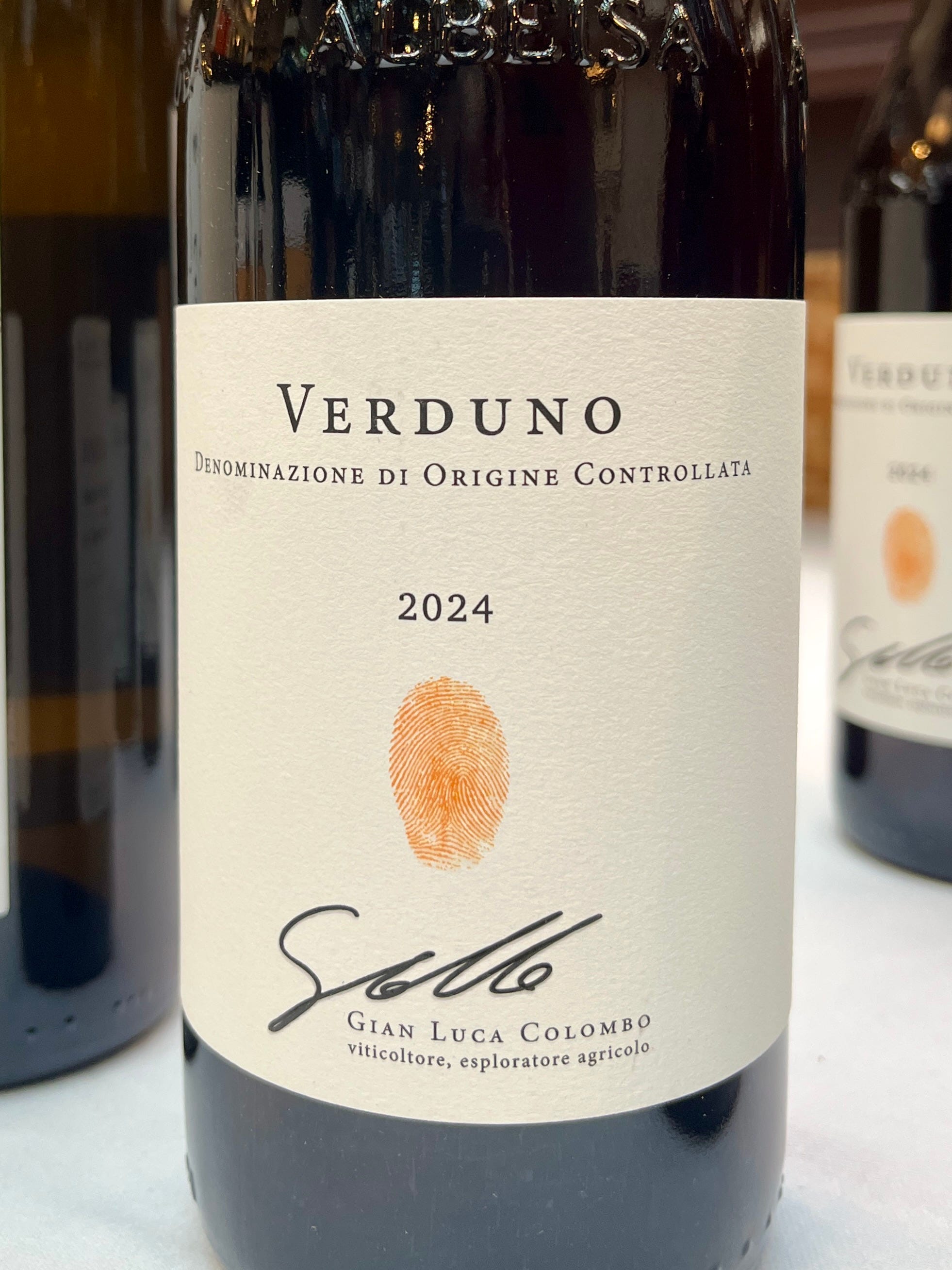
Gian Luca Colombo Verduno 2024
Made from Pelaverga Piccolo, a speciality of Barolo’s Verduno commune (where Monvigliero MGA is located and GB Burlotto have made their reputation), this is wickedly spicy with a pungent nose of white pepper, a zingy line of cranberry fruit and slight, crisp tannins that remind me of well-brewed Ceylon tea. Served lightly chilled, with or without food, it’s the sort of bottle that disappears in half an hour between two wine lovers. 92/100
£34
Marco Sara Schioppettino 2023
The tongue-twisting Schioppetino has many personalities. Here it is at its most fruity and rounded, with lots of raspberry notes made more multidimensional by some savoury black pepper and a dash of something leafy. It’s the sort of juicy bottle I’d serve with a big pork chop and some polenta or roast new potatoes on the side. 91/100
£21
Francesca Castaldi Fara 2022
A blend of 70% nebbiolo and 30% Vespolina from the tiny Fara DOC in Alto Piemonte, north of the Langhe, where the wines are often a little less powerful and often more restrained and subtle. This has delicate bramble fruit, papery tannin, lots of zippy acidity and loads of character. If you haven’t had Alto Piemonte, it’s a fun place to start and quite distinct from the more famous Langhe wines (not least because of the spicy addition of Vespolina). 92/100
£24.50
Maccario Dringenberg Rossese di Dolceacqua 2024
I was pleased to see the wines from this producer will now be more widely available at last. Many good Italian wine bars sell Dringenberg’s refreshing Ligurian reds, and yet they were tough to find even amongst London’s most Italophile wine lists. Raspberry, sage, dried rosemary, sweetly ripe plum and lacy tannins lockstep with cleansing acidity to deliver a light-bodied wine that is as intriguing as it is delicious. Rossese di Dolceacqua is the grape (fun to say once you get the hang of it) and I guarantee all your wine friends will be impressed by your originality in bringing this for dinner. 92/100
£28
Rizzi Nervo Barbaresco 2016
Richer and bolder than usual thanks to the generous character of the 2016 harvest, with darker fruit tones, a distant hint of star anise and liquorice, plenty of ripe tannins and abundant primary fruit, this is only just starting to open up and drink and has just as much life ahead of it as any Barolo. Of the aromas, Sarah Knowles remarked, “I want to put it on my wrists” and I totally understood what she meant. Unfortunately shortly afterwards someone managed to spill their glass beside her, which meant she nearly had it on her hands, arms and elbows too. 92/100
£65
Riecine Chianti Classico Riserva 2016
Formerly made by Sean O’Callaghan, the talented winemaker now at Tenuta di Carleone, this 2016 really punches above its weight and demonstrates that good Chianti Classico has every bit as much to offer as Brunello or the SuperTuscans, and often at a much keener price. Roasted fennel, fresh-turned earth, dark cherries and some roasted tomato feature on a seamless palate that still holds plenty of tannins. To drink now and over the next decade, preferably with a big ragù or some slow-cooked lamb shanks. 95/100
£35
Castello di Brolio Chianti Classico Gran Selezione 2016
This wine surprised me. Gran Selezione, the top tier of Chianti Classico, was introduced from the 2010 vintage onwards, though the first commercial releases were often muddled and unconvincing. Working with 97% Sangiovese and 3% Abrusco (a rare blending variety, documented in Robinson, Harding and Vouillamoz’s Wine Grapes, with just 6ha planted at the start of the century), this is surprisingly succulent, flowing and gentle with just a suggestion of oak spice towards the finish. It was lighter and more refined than I was expecting, and all the better for it. 94/100
£43
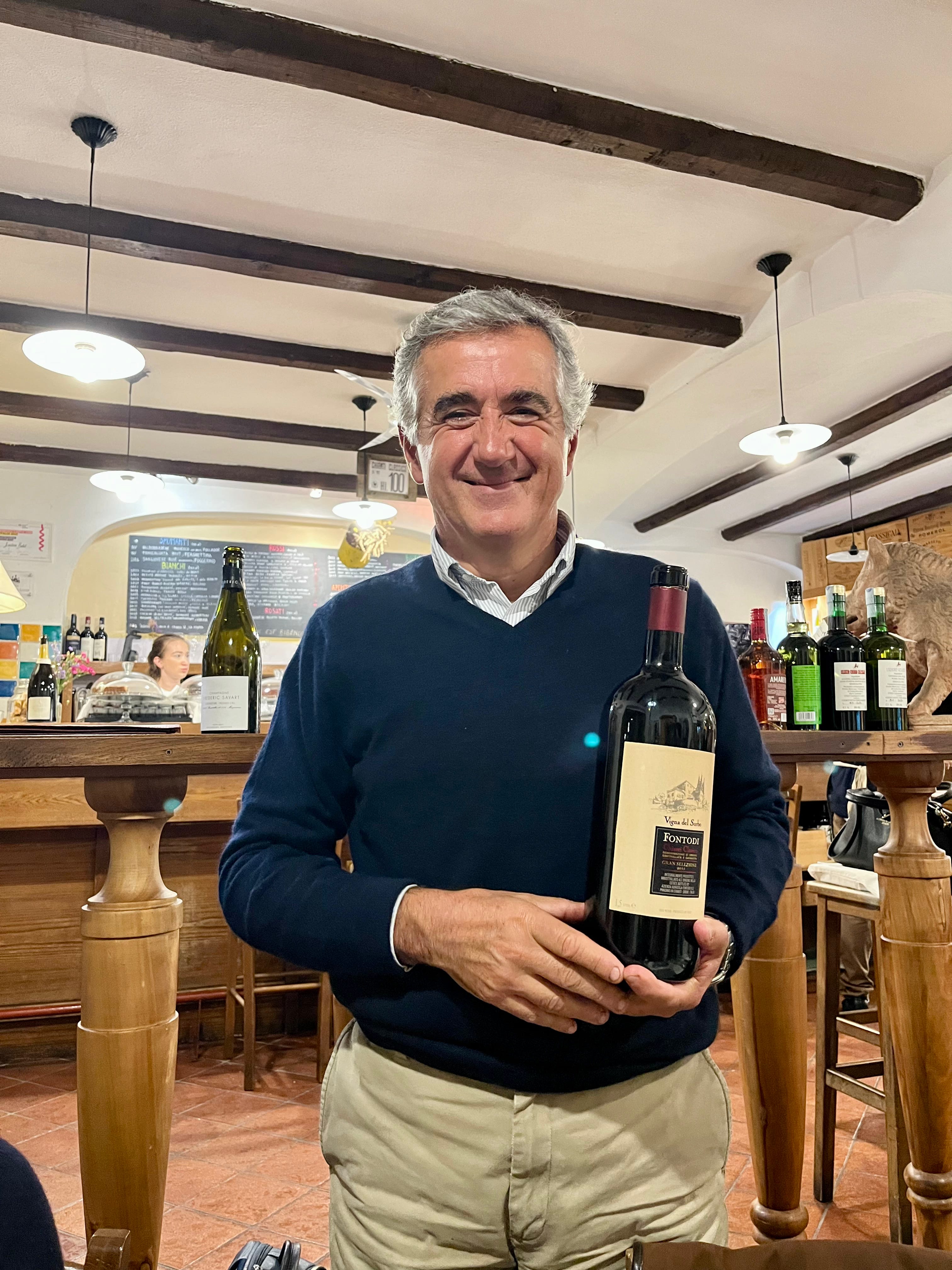
Fontodi Vigna del Sorbo Chianti Classico Gran Selezione 2016
The potent Fontodi style relies on full ripeness, traditional extraction and a good dose of well-seasoned oak to deliver wines that are consistently broad-shouldered, chunky and satisfying, with the density and structure to age well in bottle. The 2016s suit the approach well, and the 15% abv Vigna del Sorbo is a powerful wine of impact and muscle that wants steak more than pasta. Dark-fruited with gravelly, chewy tannins and plenty of spice, it’s just starting to drink well now but I’d probably tackle it over the next five years. 95/100
£65
Fontodi Flaccianello 2013
Only available as part of a mixed case, this 2013 Flaccianello is now starting to drink beautifully, with its dried black fruit, sundried tomato, menthol, balsam and leather notes. Still a potent wine, the 2013 vintage produced considerably stricter and more classically firm wines than 2016. 95/100
via Fontodi mixed case only, price TBC
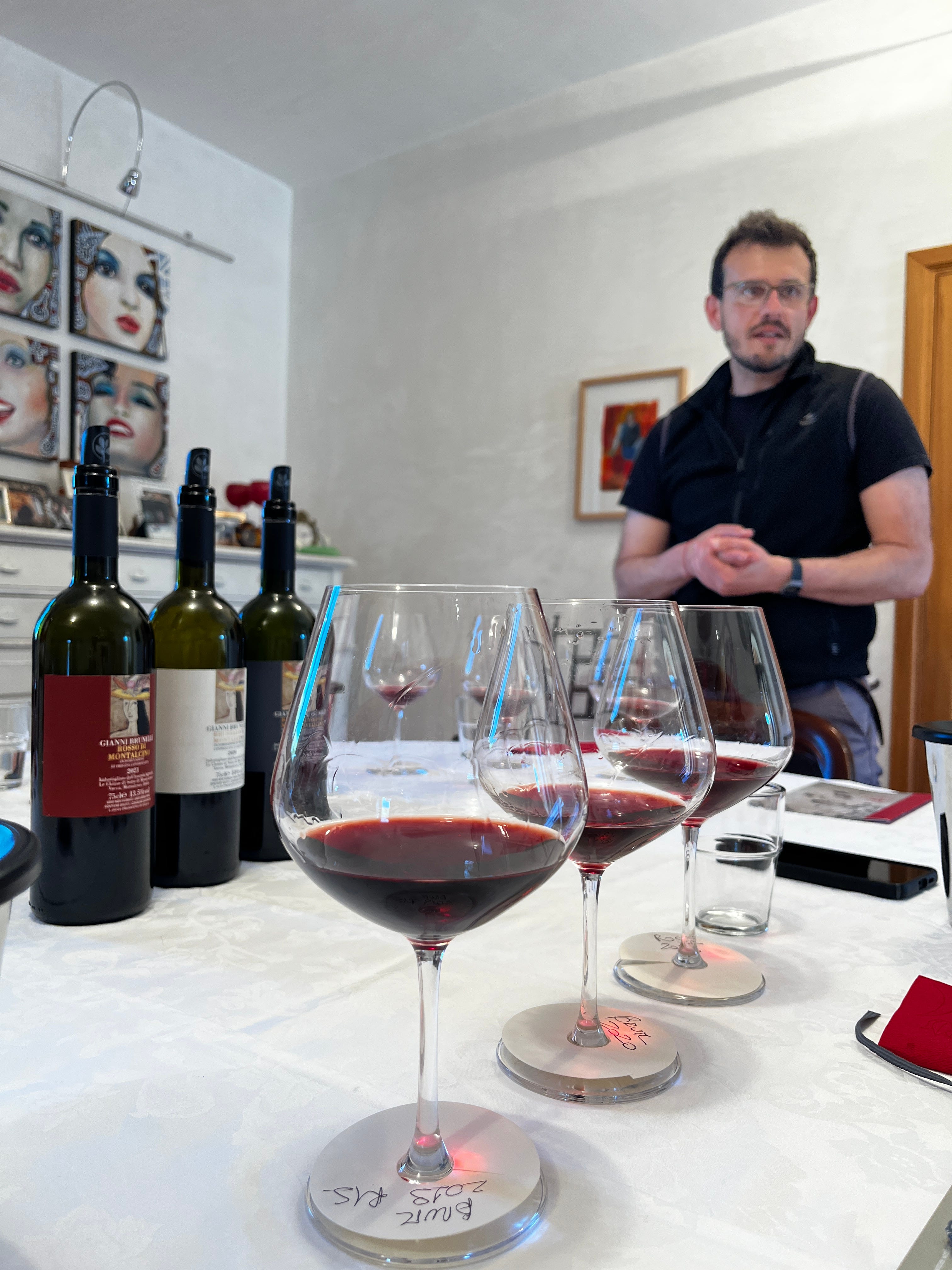
Gianni Brunelli Brunello di Montalcino Riserva 2016
At £180 this is too expensive for most, but it is also utterly superb. The Brunelli style is more about finesse and successive washes of silky fruit than immediate palate impact. The result of the latent power, ripeness and depth of the 2016 harvest and the finessed Brunelli style is beautifully perfumed Sangiovese fruit leaning towards dusty red cherry, strawberry and raspberry fruit, a hint of tomato purée but with emerging flavours of liquorice, glazed balsamic that seem to evolve and refract as you return to your glass. A benchmark wine of tremendous class. 97/100
£180
Anselma 2016: mixed presentation case
This case of four wines is a must-buy for lovers of aromatic, leathery, properly old-school Barolo who don’t mind a bit of grippy tannin and some old school mushroom, tar and incense flavours. Expect firm tannins, penetrating acidity, rooty spices and dried flowers. I wouldn’t advise it for the types who want ‘burgundian’ Barolo. This is Barolo Barolo.
It includes one bottle each of
Comune di Barolo 93/100
Comune di Monforte 94/100
Comune di Serralunga 94/100
Famiglia Anselma Barolo 2016 92/100
Everything here is ready to start drinking, particularly the Famiglia bottling which is where I’d start sampling the case. The Comune wines admirably demonstrate the differences in broad style between the comune — villages, in Burgundy parlance — of Barolo, and they’re exceptionally well-priced with plenty of life ahead. Don’t miss it.
£125 for a 4 bottle case in bond, c. £42 duty paid per bottle (my estimate)
Thanks for reading.
Please hit like below and subscribe and share if you found this useful.
Words and images © Jason Millar 2026. All rights reserved.
No posts
Comments
Nothing yet. Say the first thing.
Sign in to join the conversation.