
It’s no secret that I am keen on South African wines. I started properly exploring them around 2010, when the openness, creativity and dynamism of the Cape wine scene were palpable. Building on that momentum and energy, producers have continued to drive the Cape’s wines to new heights of quality. Today, I believe that some of the most original and exciting wines in the world are coming out of South Africa.
Over the years, I’ve bought and sold Cape wines professionally, hosted large and small tastings of them, written about them and drunk them with enormous pleasure. Some of the most magical, transformational bottles of wine I’ve opened have been from South Africa. Just last weekend I uncorked a 12% Syrah from Lismore in the difficult 2021 vintage and it was absolutely thrilling, easily the rival of the great wines of the northern Rhône.
Now The Wine Society has launched its Spotlight on South Africa, headed up by talented buyer Victoria Mason, whose selection has been put together with a brilliant combination of passion, thought and discipline.
The wines on offer reflect her deep interest and experience in the country, and include many of the best in the Cape as well as some unexpected listings, such as the Society exclusive Leeu Passant Racine 2014 and some older vintages from AA Badenhorst. It is an extensive and balanced offer featuring wines that tell the story of the evolution in Cape wine, particularly in the last 20 years.
The Spotlight is organised around six major themes: Chenin Blanc, the Swartland, Burgundy varieties, the Next Generation and a look back at the revolutionary wines of the past decade or two, and whether they’ve lived up to the hype. Part of the campaign will also focus on the promising 2025 vintage in Stellenbosch.
As Mason notes in her introduction to the offer:
“I needed to use this Spotlight to tell the story of the seismic shifts in South Africa’s wine landscape over the last 50 years: the emergence of the Bordeaux style blend in the 1970s; the reimagining of the Swartland; the discovery of the potential and value of old vine Chenin Blanc (thanks to viticulturalist Rosa Kruger’s work in the early 2000s); the pioneers who started planting vineyards in the Cape South Coast (including Tim Hamilton Russell in the Hemel-en-Aarde in 1975 and Samantha O’Keefe in Greyton in 2003). These shifts, and others besides, have ensured that South Africa now irrefutably belongs in the fine wine space on a world stage.”
Producers have been at the vanguard of climate adaptation, championing old vines, working regeneratively and matching site to variety. Much of this is because the industry is well-educated and well-travelled, undogmatic and open-minded. Some is because they were forced to confront major structural issues head-on, such as the drought that began in 2015 and reshaped planting and viticulture in profound ways.
Few countries confront the challenges of wine in the modern world so fearlessly and intelligently as South Africa; few are more deserving of a spotlight on their best wines. Yet none is more overlooked by the very customers who would appreciate the style, quality and breadth of the wines on offer.
If you love Burgundy, Bordeaux and the Rhône, South Africa’s got something compelling for you. If you like mineral, saline whites and crisp reds, it has those too. And if you want thought-provoking blends with no European equivalent, you’ll find them in abundance in the Cape’s dynamic wine scene. Prices are good, quality is extremely high and the best wines can age brilliantly.
It’s encouraging to see The Wine Society committing so much time and space to South Africa. Good retailers take risks and invest in producers they believe in, and that’s what is happening here. This is an offer full of excitement for wine lovers, whether you know South Africa inside out or are thinking about exploring it seriously for the first time.
All wines were tasted at the Society’s launch tasting in June 2026. Scores are out of 100 and reflect my assessment on the day even though time was limited and I’d have liked to have spent longer with some of these. I’ve chosen to publish my notes on all the wines shown, rather than an edit. What follows is long, with my notes minimally cleaned up, but I hope it is useful for exploring the offer. Wines will be released in stages, so you need to keep an eye on the site and your inbox.
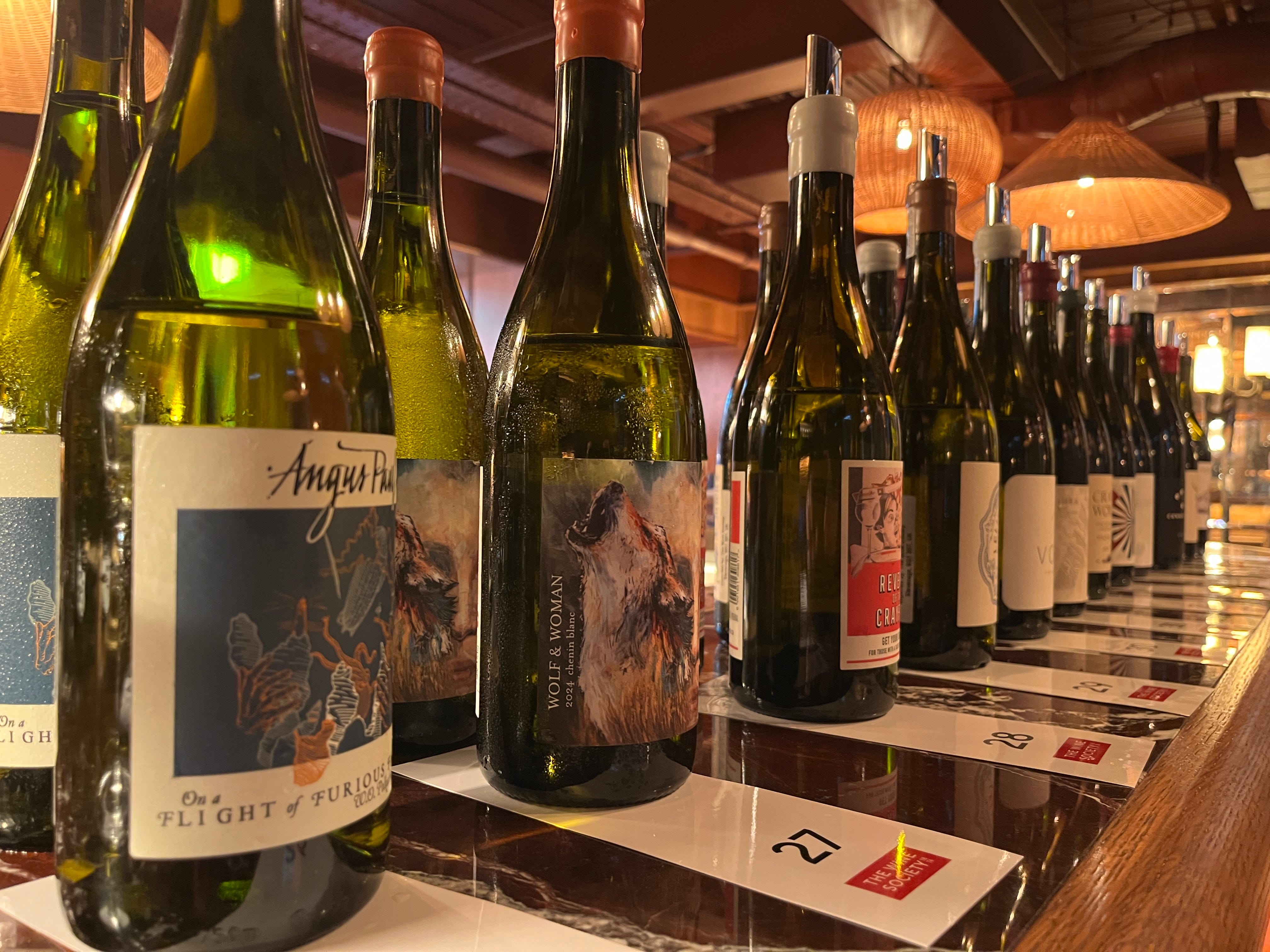
A delicate nose leads into a bright, focussed and minerally-charged palate. Linear but not lean, with white apple, salted melon and citrus pith and a stony finish. This will gain richness with age.
92 | £34
A marine nose expresses salt and seaspray with that brisk, Atlantic feel following through onto a windswept palate which is restrained and slightly elusive, with a sort of radishes-in-salt vibe that is unusual and delicious.
91 | £25
Fleshy orchard fruit and a hint of something creamy, this is a juicy, polished, smooth Chenin with attractive breadth and easy drinkability.
90 | £19
A little closed on the nose, this really builds on the palate which shows toast, popcorn and golden fruit, finishing with a hint of honeycomb. Rich but tangy, it’s an impressively concentrated Chenin from winemaker John Seccombe.
93 | £26
Peaches and yellow plums, peanuts and chickpeas — there’s an elliptical but engaging character to this young Chenin which will be better after another year or two in bottle. Long and mouthcoating, it’s serious, cerebral stuff.
93 | £35
A whiff of white pepper and a bone dry palate make for an uncompromisingly linear Chenin with a hint of salted pears. Electrifyingly fresh right now, but will develop in bottle.
92 | £33
Broad and slightly wooly on the nose in a pretty textbook Chenin Blanc way. The palate is pure Swartland — orchard fruited but with just a hint of peach and mango, and a touch of varietal waxiness overlaid on structuring acidity. This has just entered its drinking window and remains one of the Cape’s leading examples of the variety in a fuller style, although by no means oaky. It will easily keep for a decade.
94 | £67
Savoury, mealy and satisfyingly rich, I wouldn’t call this “burgundian” but I will say that if you like white Burgundy (by which I mean Montrachet, not Aligoté), you should buy this immediately. There’s some pineapple and ripe yellow fruit, but constrained by acidity, cushioned with some lees work and spiced up with some very smart oak. Extremely sophisticated and complete.
95 | £39
Pretty distinctive in this lineup, this is a Chenin recognisable to lovers of Vouvray and Montlouis with its soprano nose of tangy green apple and hint of Tarte Tatin coming in at the edges. The acids really ping on the palate which puts me in mind of wines like Guiberteau’s Brézé. Finishing with acacia honey and candlewax, it’s a lot of wine for the money.
94 | £27
This was one of the first wines I really got behind in my buying days, and I continue to think it’s underrated. Also in a more Loire-inflected style, this has Golden Delicious apples, fresh honey, a touch of savoury, nutty depth and is just so pristine, linear and fresh on the palate. Mouthwatering and discreetly rich, this also ages superbly. A steal at the price.
94 | £29
This cuvée is always textured but there’s a little bit more zip in the 2024 vintage than usual. It’s bone dry but there’s a certain thickness and chewiness to it which is distinctive, with orchard fruit and a hint of pizza dough on the finish.
91 | £60/3 (in bond)
A bit shy on the nose, the palate reveals melon and pear fruit and a sense of covert freshness and spice. It’s a very classic, benchmark Swartland white blend that needs another year or two in bottle — as some of the older Badenhorst wines in the offer demonstrate admirably (see below).
92 | £68/3 (in bond)
This is a six bottle mixed case which showcases Syrah in the Swartland. The fruit characters in this cuvée tend to intensely ripe raspberries, baked blackberries and juicy cherries, but with grainy tannins and structuring acidity in a full bodied style. If you’re into Hermitage or Crozes-Hermitage, this mixed case is certainly worth a buy with most of the wines for drinking over the next two to three years.
£205/6
Rich, dairy-led nose with lots of lees, cheese and even a hint of caramel alongside peach and yellow apple fruit, this is a fairly bold, mealy style of Chardonnay with lots of immediate pleasure and good length.
91 | £36
Steely on the nose with a hint of genmaicha, this is striking, taut and crisp into the palate with reverberant length. There’s a great sense of tension, energy and latent potential in this with crunchy green apple fruit and citrussy brightness. If you like top Chablis, give it a go. Drink over a decade.
95 | £45
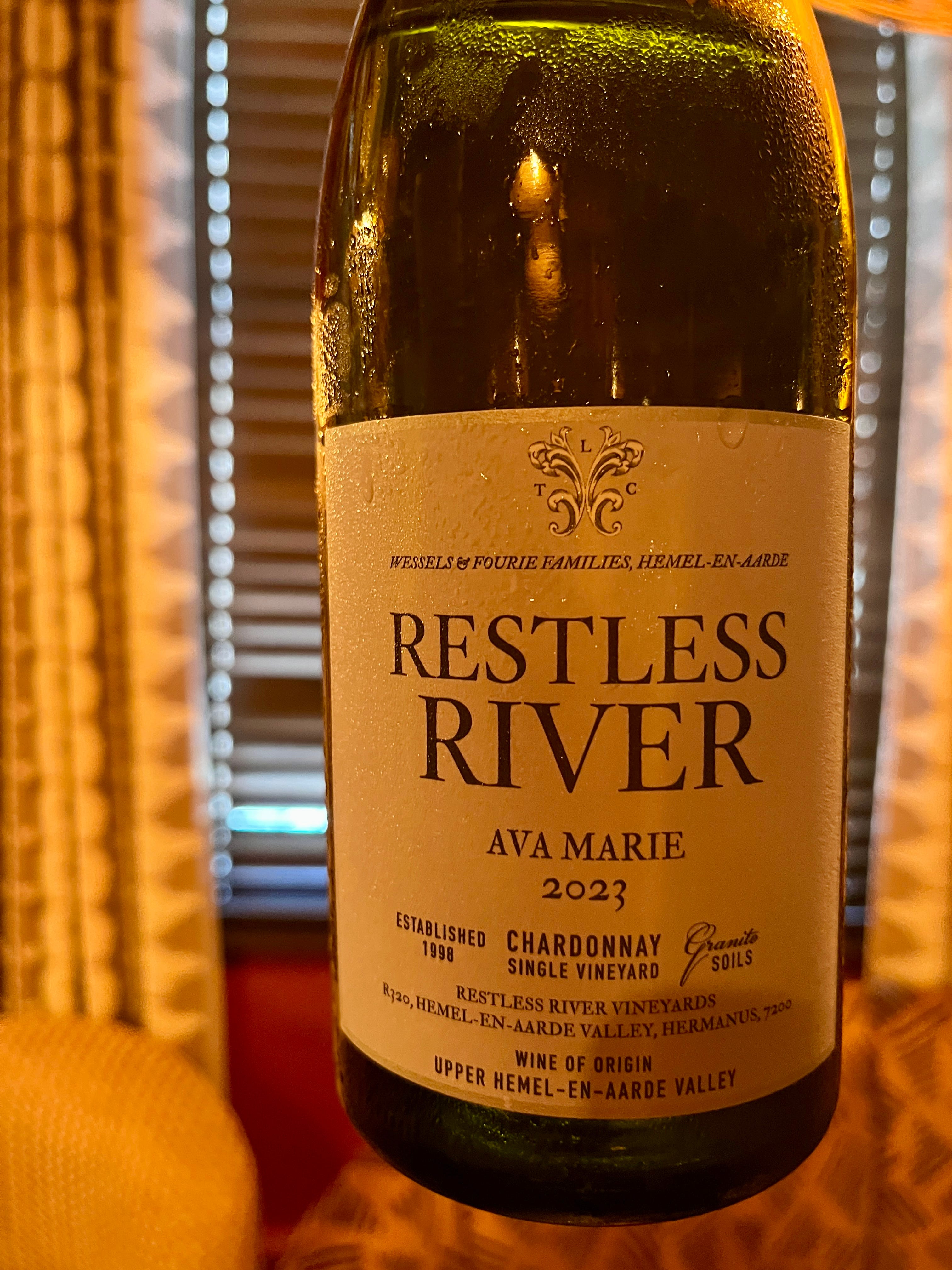
Rich and lightly tropical with waves of gorgeously tangy acidity on the palate, counterpointed by fresh butter and salted sourdough. It needs a year to settle, but this is a powerful, concentrated style with plenty of personality for those who like a bit of tension and drama in their Chardonnay.
94 | £60
I can’t say enough good things about Lismore, and proprietor Sam O’Keefe doesn’t really need me to either — the wines sell out. Like most of the truly great wines in the world, Lismore’s have a singular character. The Estate Chardonnay is a rich, striking wine, with salted popcorn, lemon curd, ripe apricot and fresh butter complemented by spicy oak and a muscular flavour that just goes on and on. If you have never tried this you are missing out on one of the great experiences in wine.
96 | £50
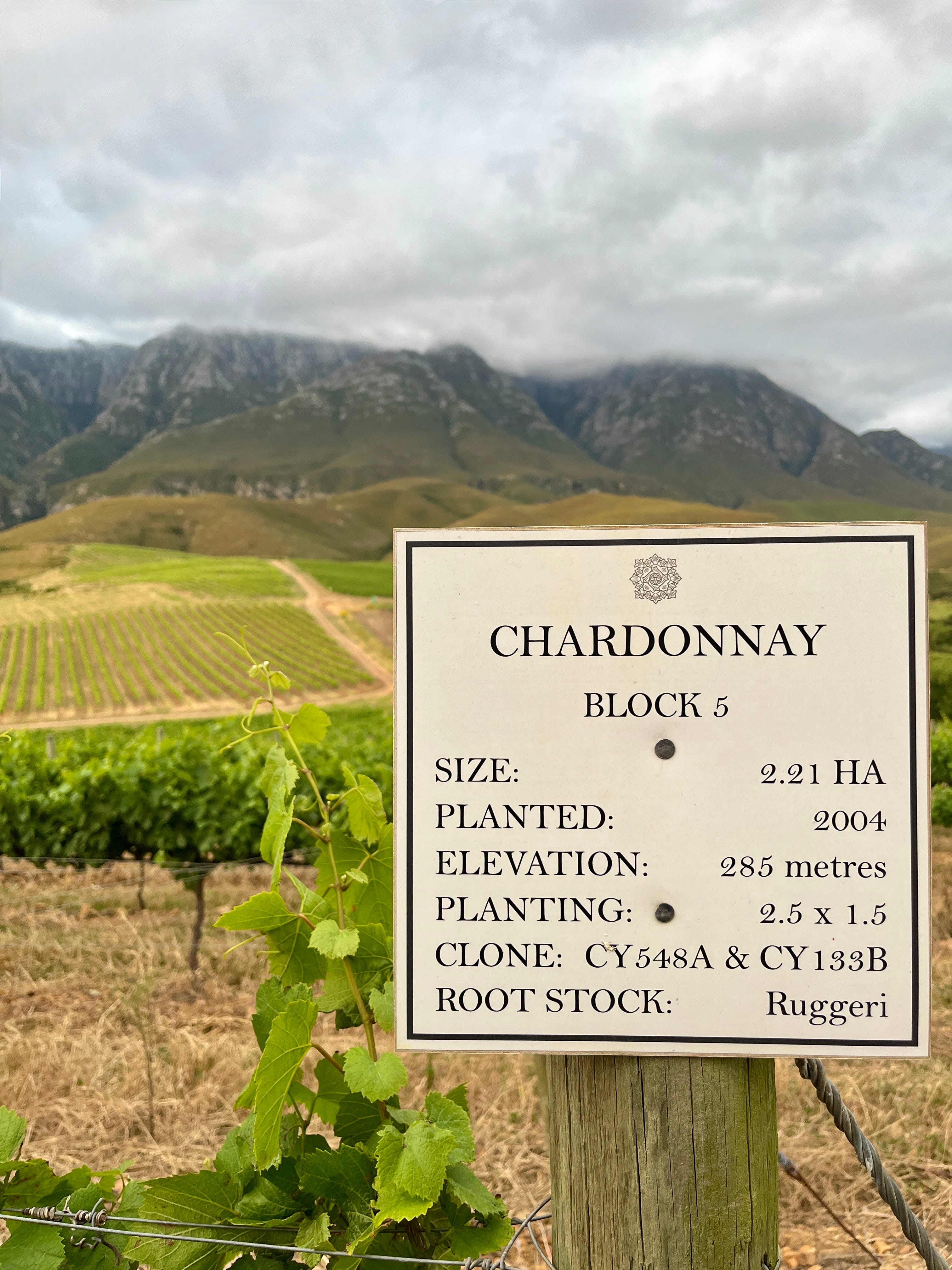
Juicy cherries, a hint of Chiroubles or Fleurie in its attractive bounciness, with fresh-picked blackberry flavours. Extremely charming, this is the ideal thing to serve lightly chilled in the early evening.
90 | £24
Smoky black cherries in a more structured, powerful style, this has some tannin and grip on the finish. Needs a year or two but will appeal to those who like their Pinots savoury rather than pretty. It reminded me, in sensibility at least, of Pommard.
91 | £40
Green tea and sweet blackberry combine in this cool style that shows a strong whole bunch fermentation character. Tapered and brisk with a hint of tomato stalks and carbon on the finish.
91 | £39
Taut, linear and crisp with lots of acid, some white pepper and a light starchiness on the finish, this is a pretty lean style but it should take on some weight in bottle after a year or two.
90 | £23
Jolandie Fouché’s solo project deserves more attention, especially since the wines just keep getting better. This has golden fruit, gingery spice, structure and great length. A classic Swartland expression.
93 | £24
Early vintages of this were a real acid trip, but Mouton is picking slightly later these days which delivers wines that are bone dry, refreshing and tightly wound but with a little more generosity. This is currently all pomelo and citrus pith with a flourish of salinity but it will fill out in bottle.
92 | £32
A cool, lean style with a touch of reduction, this is deliberately elegant and less attention-grabbing than a lot of Hemel-en-Aarde Chardonnay. One for those who prefer their wines a little quieter.
90 | £24
From the Kweecamp vineyard in Robertson, this is yellow fruited, gentle and easy with good richness and flesh on the bones. Satisfying and fairly priced.
89 | £23
South Africa is producing new wave Grenache that can stand beside the Rhône, Gredos or Mamoiada with confidence. This is all minty strawberries with a cool, fennel-spiked palate that’s shaped by the sort of diaphanous, spacious tannins that characterise Grenache grown on sand.
91 | £21
Firmly in the new wave style with no new oak, this keeps a hint of Pinotage’s smokiness but it’s clean and bright with lots of juicy blackberry fruit and nice zip. Very friendly, much less macho than most.
89 | £19
A blend of Syrah, Carignan, Grenache and Cinsault, this is fairly compact in style with tangy red fruits and a hint of garrigue herbs. Papery tannins frame elegant, trim, thirst-slaking fruit.
90 | £19
Gentle red plums and fresh raspberry are lifted by a pleasingly herbal note of tomato stalk with a little white pepper to add intrigue. Rather lovely with delicate tannins this is best served lightly chilled.
92 | £24
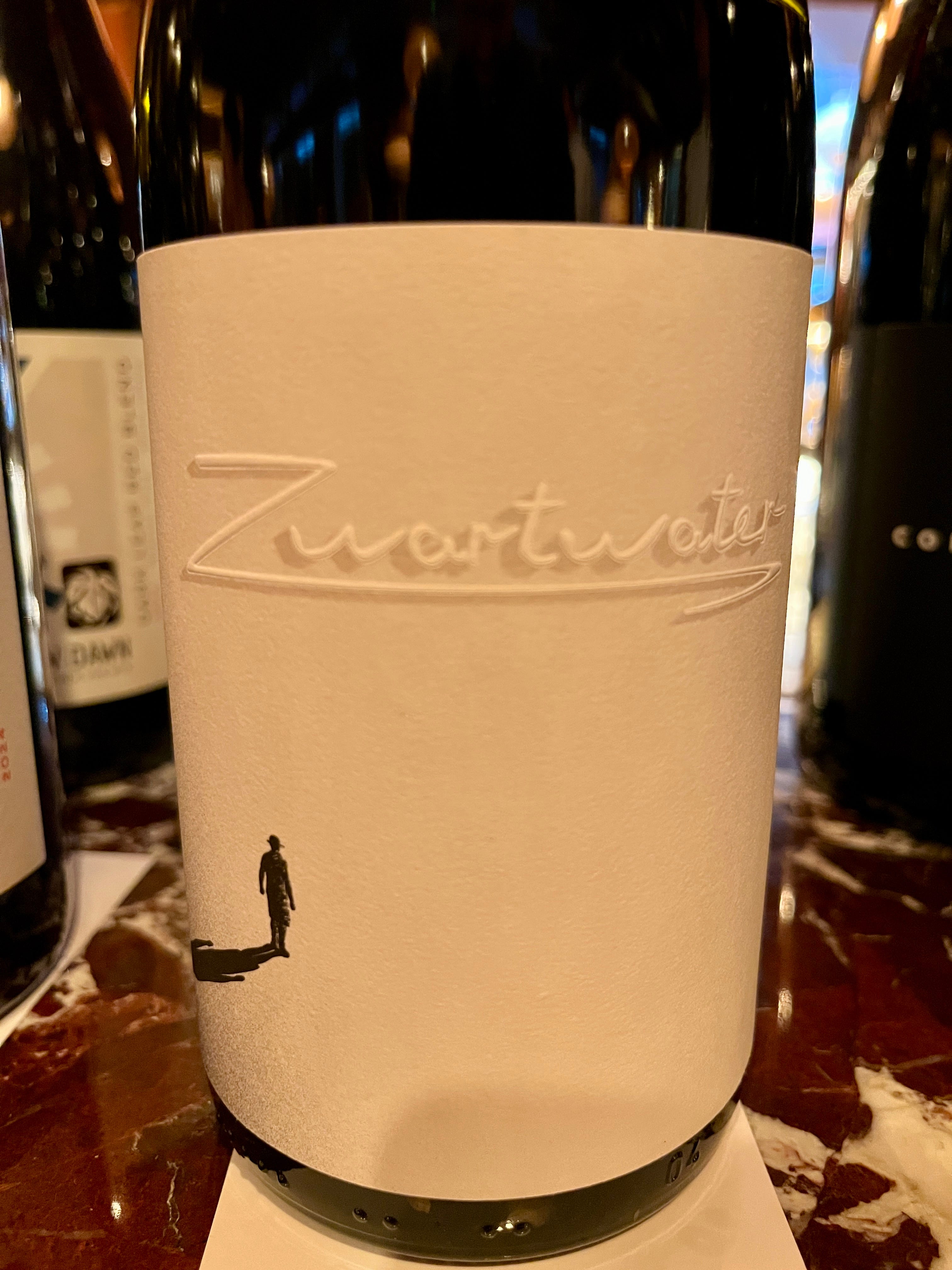
Blueberries, sloes and black pepper characterise the nose, while the palate shows a riper, more tannic style with baked raspberries and structural acidity that needs a little time to resolve. I’m being conservative with my score — this may just need more time in bottle, or air in the glass.
91 | £49
A cool nose of blue and black fruit with a hint of pancetta and violet, this is an outrageously silky and seductive Syrah. Black pepper comes through on the palate which has gorgeous raspberry fruit, super-fine tannins and a slinky texture. A joyous Syrah from the talented Banele Vakele, whose has learned a trick or two from his day job with Duncan Savage.
94 | £34
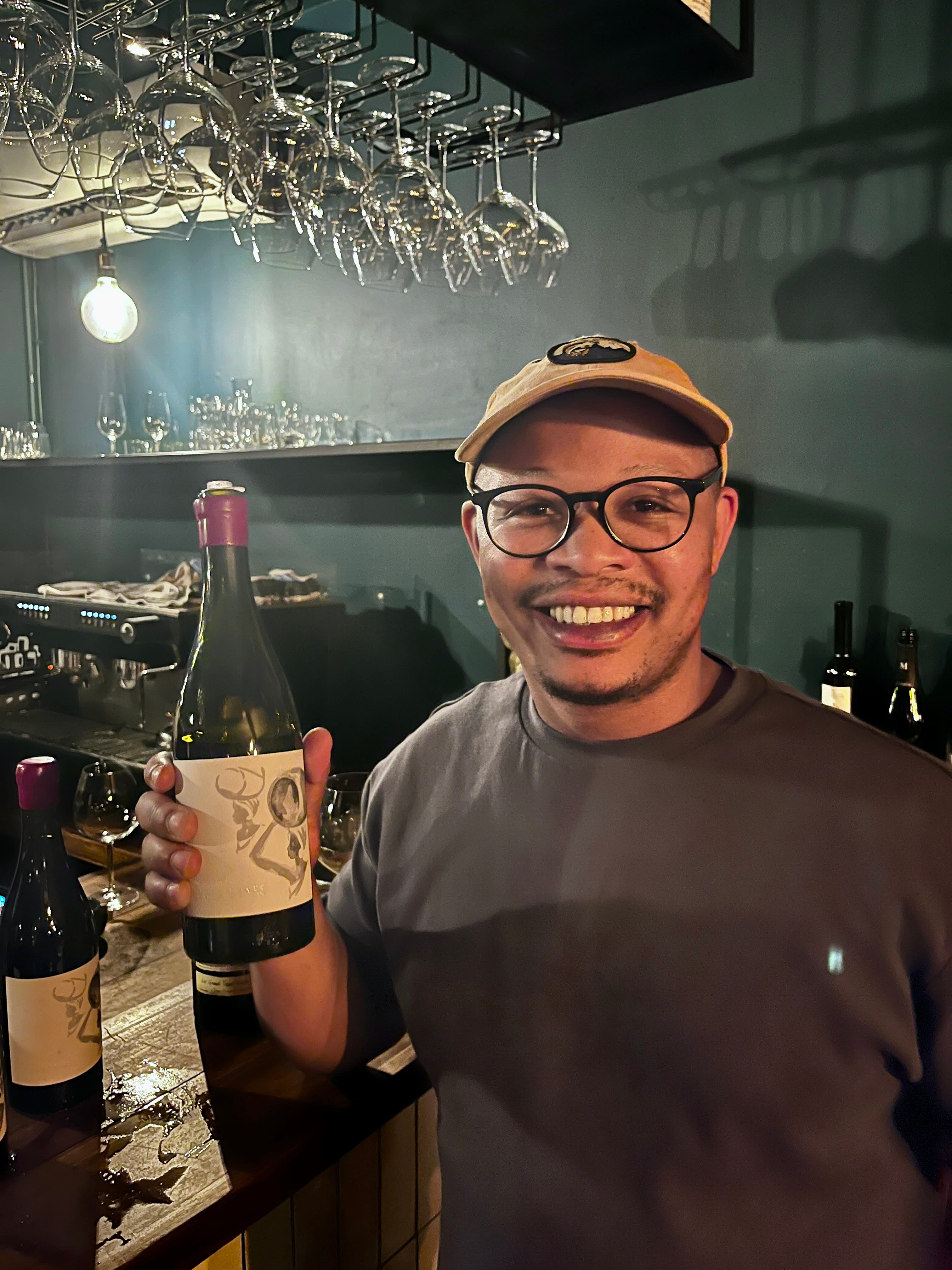
Minty and herbal without being green, this 100% Cabernet Sauvignon shows that even the classic grapes are open to being reimagined by the young guns in the Cape. Chiselled and slightly austere with a dusting of oregano, this is a literate, unexaggerated Cabernet, the kind Michael Broadbent might have respected.
90 | £25
Cinsault is the Cape’s answer to cru Beaujolais and, just like cru Beaujolais, it can age rather brilliantly — but only if you don’t drink it all, which is harder than it sounds. This is transporting with rosewater, grenadine and a hint of liquorice. Silky and long with an Ottoman exoticism, it should be served cool. Remarkable longevity — I don’t think anyone could really have expected this to age so well.
93 | £39
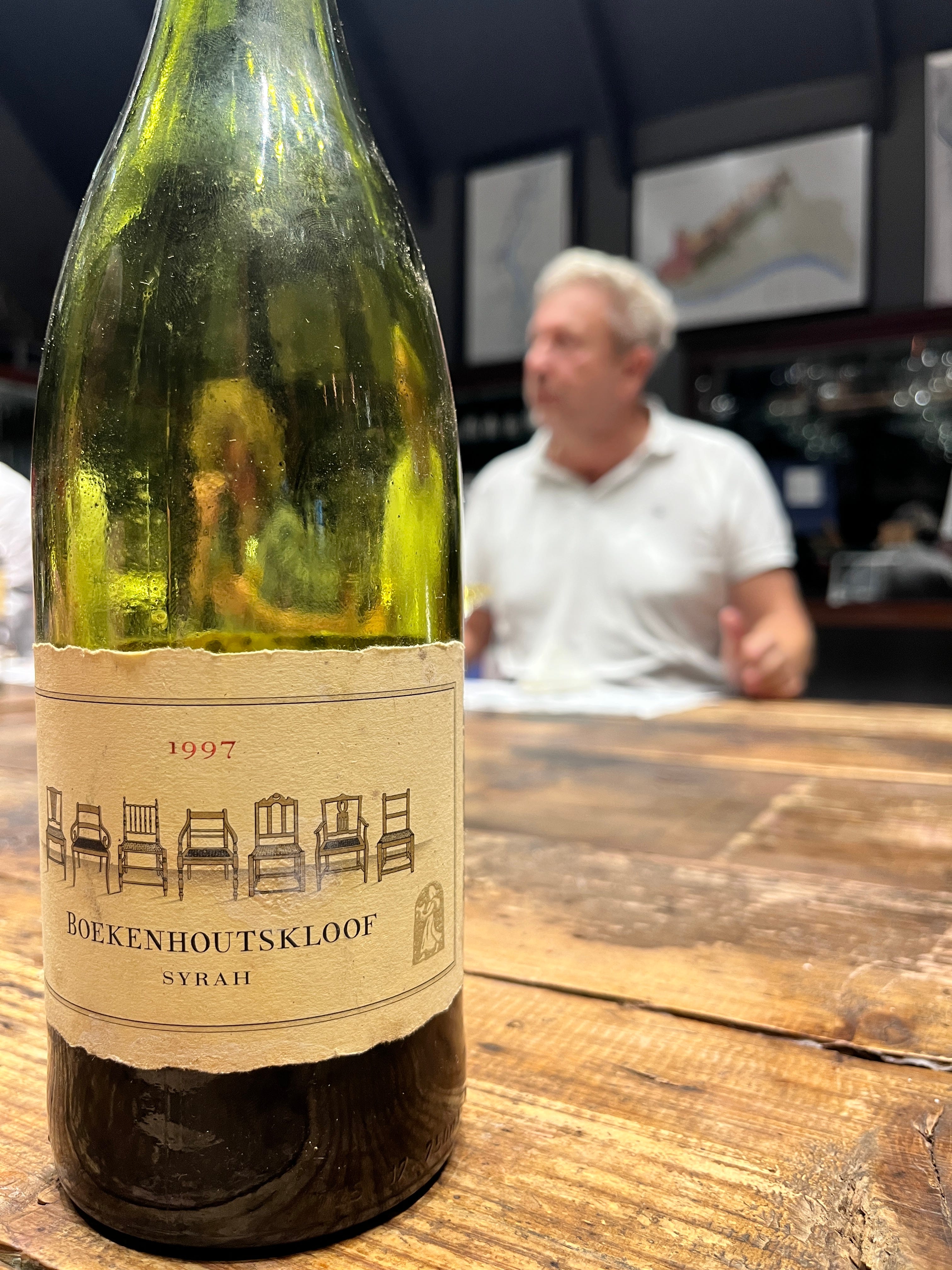
Mark Kent of Boekenhoutskloof was a key figure in the Swartland Revolution, and it is nice to see that acknowledged with the inclusion of Boekenhoutskloof Syrah in the offer, the wine that kickstarted the variety in the Cape. Ripe red fruits, but on the meatier end of the Syrah spectrum with some oak spice and toastiness. Supple tannins and good length with a plush texture.
92 | £43
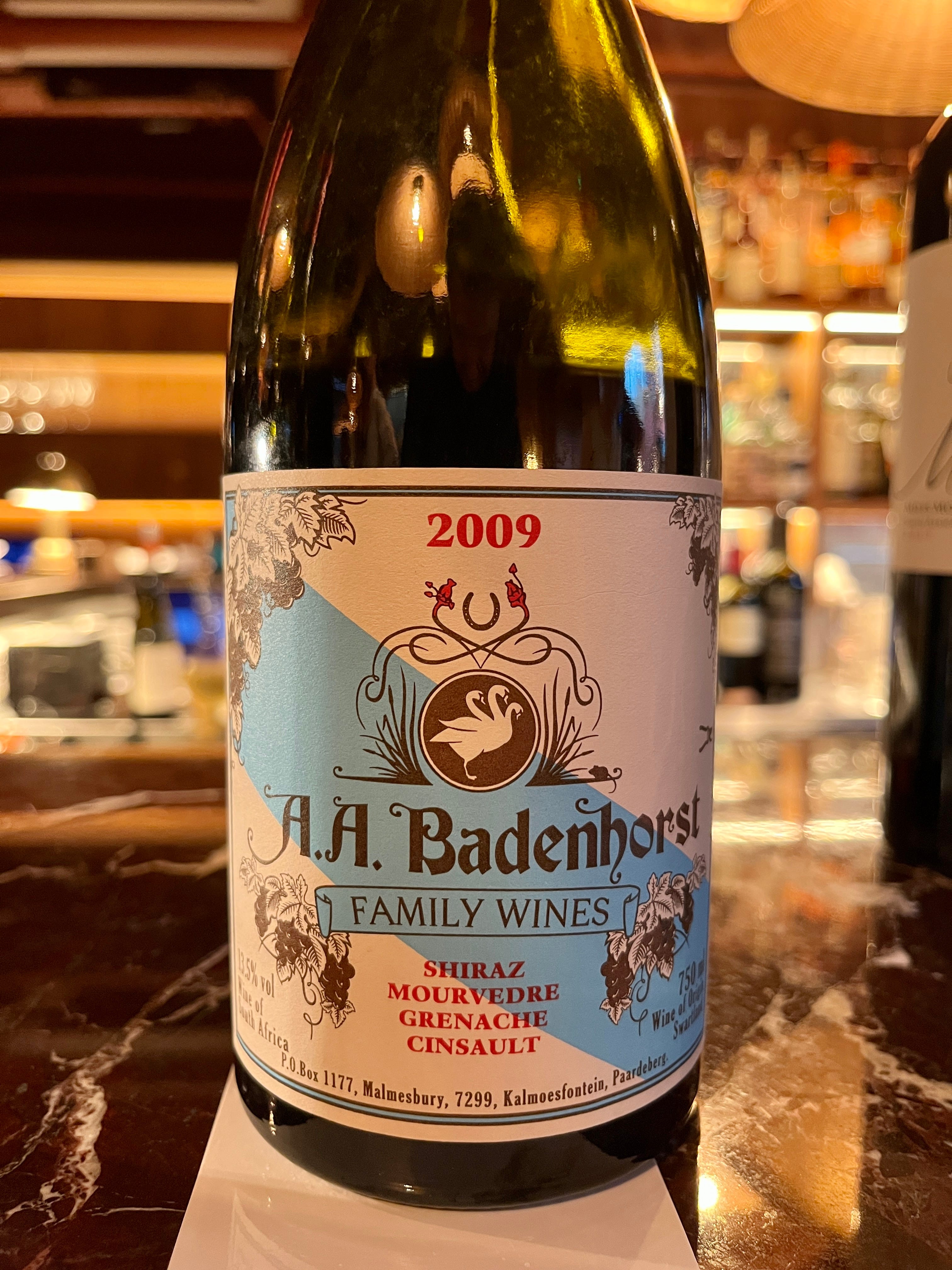
Yes, 2009 — and under screwcap, which even winemaker Adi Badenhorst can’t explain. This seems to have been an experimental batch that got forgotten in the cellar. Lucky us. It’s a pristinely fresh blend of Shiraz, Mourvèdre, Grenache and Cinsault with black pepper, topsoil, biltong and leather in an almost Bandol idiom, with dark tobacco, paprika and blackberry coming through on the palate. A stunning wine that shows just how compellingly the Cape’s wines can age. I think at the time you could probably have picked this up for about £20 so £39 now is very fair indeed. Don’t miss it.
95 | £39
Crisp blackcurrant and raspberry lead into a superb palate that shows no fatness or excess, just cool, gravelly fruit, great purity and precision and real youthfulness. This has 15 years ahead of it, no problem. One of the top producers in Stellenbosch, Mossop shows just how good these Bordeaux blends can be, regardless of the fashions of the wine world.
94 | £30
From a family that formerly sold to the co-ops, this is the second vintage of estate bottled wine, made from Colombard and Chenin Blanc. There’s a delicacy and lightness to this which I liked, somewhere between a Muscadet and an Aligoté, with crisp orchard fruit and subtle, impressive length.
90 | £19.50
Pioneers Chris and Suzaan Alheit made their name with Cartology, and their Magnetic North is one of the top three Chenins in the Cape. This cuvée is made with estate fruit — they bought land in 2019 — and is steely, closed and firm with introverted orchard fruits and a hint of earthy parsnip. This 100% Chenin Blanc needs a couple of years at least but the balance is immaculate and the wine will unfurl. Wine of this seriousness usually costs double.
94 | £42
Exclusive to The Wine Society, this is a rich, velvety Syrah with blackcurrant and blackberry jam, dense, velvety tannins and huge concentration. Intense and imposing in a good way, Porseleinberg often has a sense of monumental gravitas about it which I enjoy.
94 | £100/magnum (in bond)
A remarkable coup, unearthed during a visit to the winery by Mason, this prototype vintage is the forerunner to the Dry Red, a Cabernet-Cinsault blend made by Chris and Andrea Mullineux under their Leeu Passant label. When Dry Red launched in 2015 it was led by Cabernet, as Andrea was concerned about the ageability of Cinsault. That’s understandable but with the benefit of hindsight, she didn’t have to worry. The Cinsault here comes from an old vine Franschhoek vineyard planted in 1900 and although the Cabernet is certainly dominant, the Cinsault holds its own, adding a deliciously perfumed harmony to a classical Cabernet tune. With its lithe, peppery red and black fruit and moreish herbal nuances, this is one of the must-buy wines in the offer.
94 | £40
Thanks for reading Jason Drinks! This post is public so feel free to share it.
Words and images © Jason Millar, 2026.
All rights reserved.
No posts
Comments
Nothing yet. Say the first thing.
Sign in to join the conversation.