

Every summer, one of Japan’s biggest travel migrations begins. Around the Obon holiday, bullet trains fill up, airports become crowded, and expressways see long traffic jams as millions of people travel across the country to reunite with family or enjoy a summer vacation.
For international travelers, Obon is both an incredible cultural experience and one of the busiest times of the year to explore Japan. With a little planning, however, it’s possible to experience the traditions while avoiding many of the biggest travel headaches.
Here’s what Obon is all about—and how to make the most of your trip if you’re visiting Japan during this special season.
In many parts of Japan, Obon is observed around August 13–16, although the exact dates vary by region. Rooted in Buddhist beliefs and older traditions of honoring ancestors, Obon is a time when families gather to remember loved ones who have passed away and welcome their spirits back home.
Throughout the holiday, homes, temples, and local communities observe traditions passed down for generations.
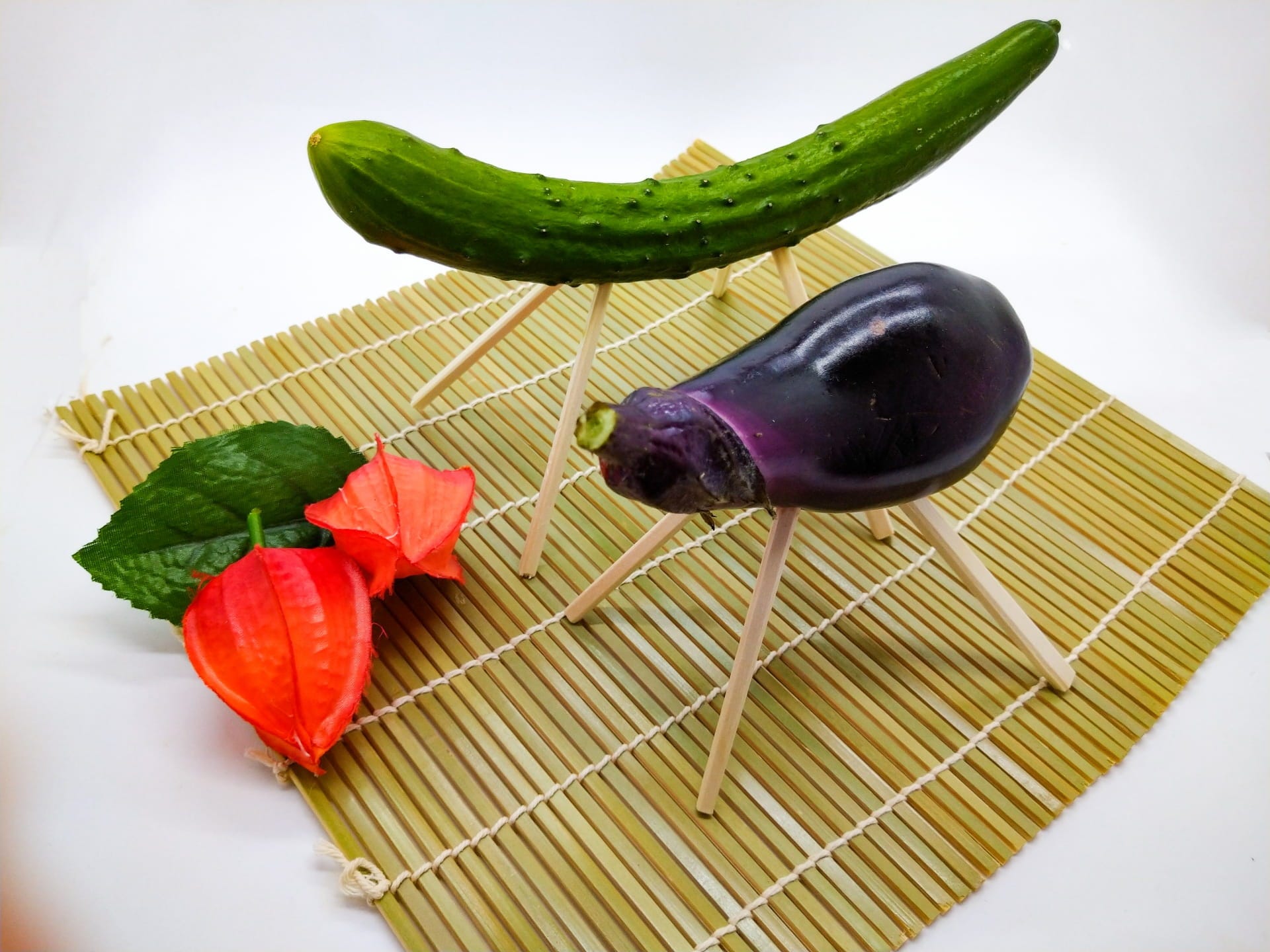
One of Obon’s most recognizable customs is the creation of Shoryoma—small figures made from cucumbers and eggplants with wooden sticks used as legs.
Each has a symbolic meaning:
The cucumber horse (Shoryo-uma) represents the wish for ancestors to return home quickly.
The eggplant cow (Shoryo-ushi) symbolizes a slow, peaceful journey back to the spirit world, carrying the family’s prayers and offerings.
These simple handmade figures are often placed on household Buddhist altars as part of Obon decorations.
In some regions, families light small welcoming fires (Mukaebi) at the beginning of Obon to guide ancestral spirits home. At the end of the holiday, farewell fires (Okuribi) symbolically send them back.
The most famous example is Kyoto’s Gozan no Okuribi on August 16, when giant bonfires forming kanji characters are lit on mountains surrounding the city. The spectacular event serves as a symbolic farewell to the returning spirits and marks the close of the Obon season.
While Obon has deep spiritual roots, it is also one of Japan’s busiest travel periods.
Many companies, schools, and factories close or reduce operations for several days, giving families the opportunity to return to their hometowns or travel together. As a result, transportation networks experience a sharp increase in demand.
The busiest travel days typically fall immediately before the main Obon holiday and again as people return home afterward. During these periods:
Popular Shinkansen services often sell out well in advance.
Airports become especially busy.
Expressways can experience heavy traffic.
Hotels in popular destinations may fill up earlier than usual.
Visiting Japan during Obon doesn’t mean you have to avoid traveling—it simply requires a little extra planning.
If you plan to travel between major cities, book your train or flight as early as possible.
Seat reservations for most Shinkansen services open one month before departure at 10:00 a.m. (Japan time), and popular departures can fill quickly during the holiday period.
In recent years, some Nozomi Shinkansen services have operated with all reserved seating during peak holiday travel periods, so it’s always worth checking the latest railway announcements before your trip.
While transportation leaving major cities becomes extremely busy, many office districts in Tokyo become noticeably quieter as residents travel elsewhere.
Major tourist attractions remain popular, but neighborhoods that are normally crowded with commuters often feel more relaxed than usual. It can be an enjoyable time to explore museums, cafés, shopping streets, and parks at a slower pace.
If your schedule is flexible, consider traveling a day or two before or after the busiest Obon dates.
For longer journeys, overnight buses can also be a useful alternative, although they should be booked well in advance.
While large tourist attractions generally remain open, some family-run restaurants, smaller museums, local shops, and medical clinics may close or operate on reduced hours during Obon. Checking official websites before heading out can save you an unnecessary trip.
Once your travel plans are in place, take time to enjoy the atmosphere that makes Obon one of Japan’s most memorable seasons.
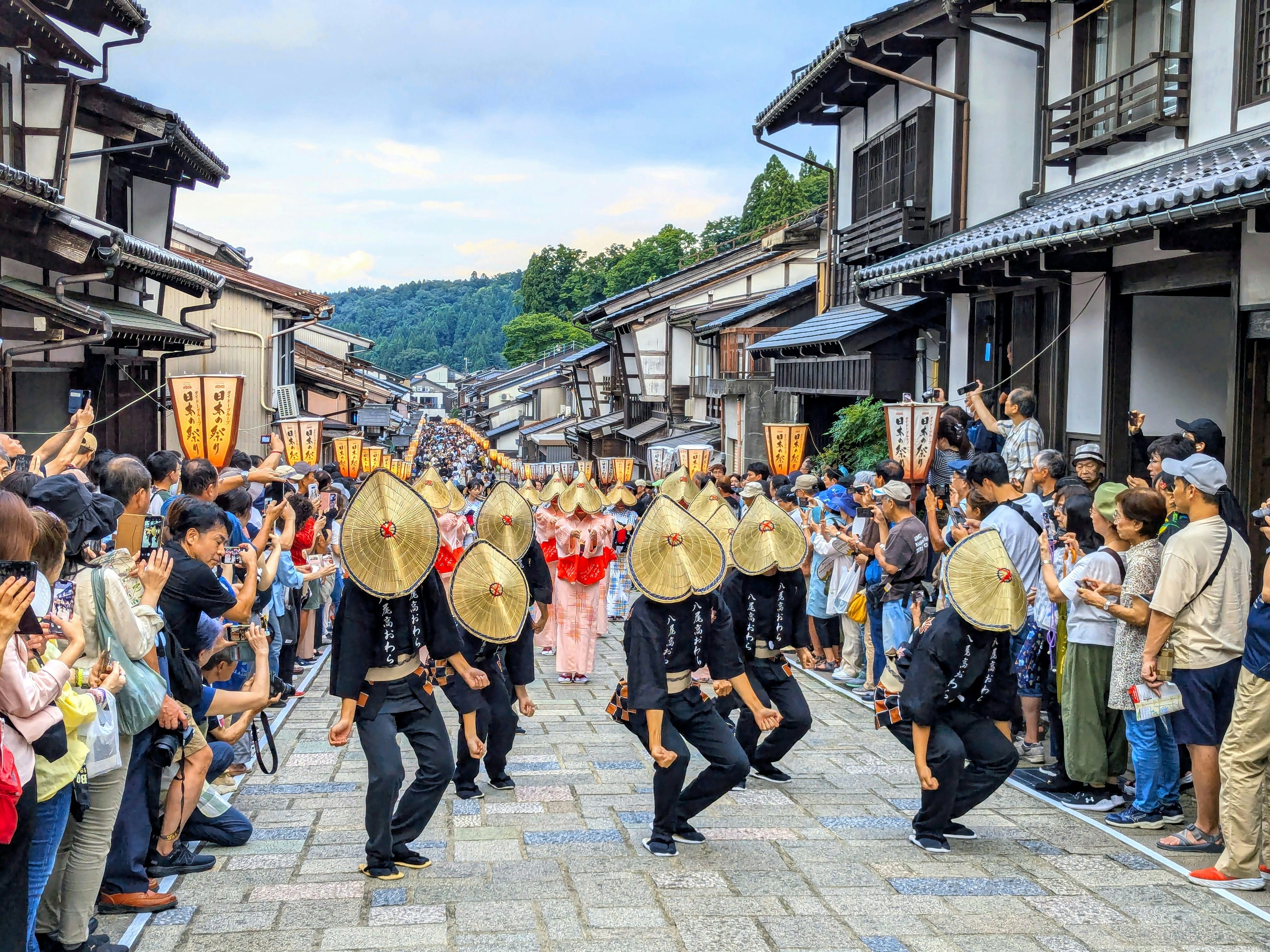
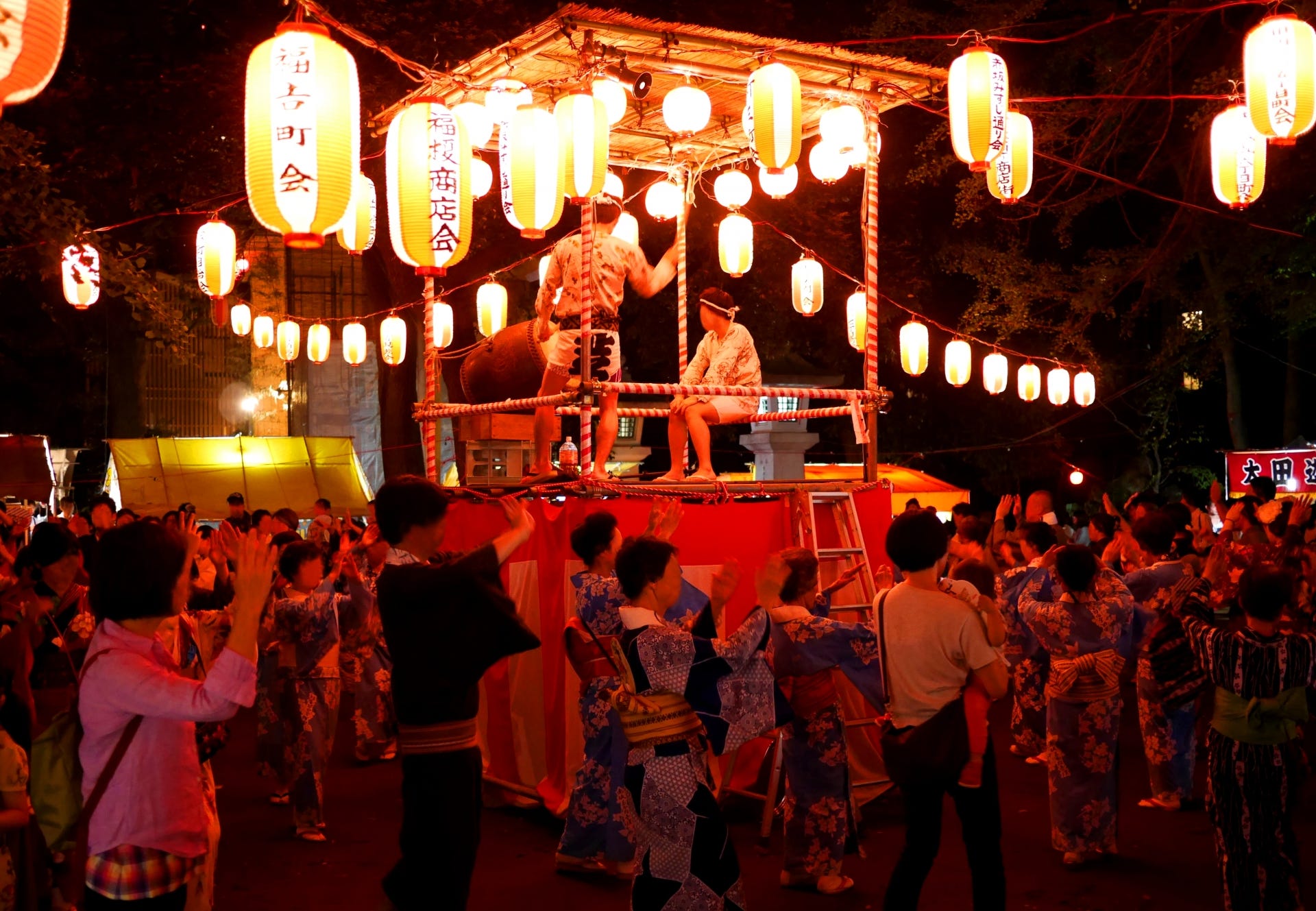
Throughout the holiday, many communities hold Bon Odori festivals in parks, temple grounds, and public squares. Lanterns illuminate the evening while people of all ages dance in circles to the rhythm of traditional taiko drums.
The dances are intentionally repetitive and easy to follow, making them accessible even for first-time visitors.
If you’re in Kyoto on the evening of August 16, try to view Gozan no Okuribi from one of the city’s designated viewing areas. Watching the giant illuminated characters appear across the surrounding mountains is one of Japan’s most iconic summer traditions and offers a moving conclusion to the Obon season.
Obon is far more than a busy travel period—it’s a time for family reunions, remembrance, and traditions that have shaped Japanese summers for centuries. Although transportation requires a little extra planning, the opportunity to experience Bon Odori festivals, ancestral customs, and the unique atmosphere of this special holiday makes visiting Japan during Obon an unforgettable cultural experience.
For deeper insights into Japan’s culture, travel, and everyday life, explore more stories on Japan Web Magazine.
No posts
Comments
Nothing yet. Say the first thing.
Sign in to join the conversation.