
Not every testimony starts with a crisis.
Sometimes it starts with a third-grade teacher who happens to live next door, and fifty dollars for church camp that somebody else quietly paid.
This week on Just Talking About Jesus, recorded on retreat on the Oregon coast, Trisha Nix sits down with Jan for a conversation that doesn’t need a dramatic backstory to be worth hearing. It’s about the ordinary, faithful things that shape a life — and about a season, much later, when Trisha sold everything she owned, moved to another country on a whim, and ended up back at her mother’s house with nothing but a suitcase.
That’s where the real story begins.
Here’s her story, in her own words.

In the Wilderness: What God Does With What’s Left
I want to say up front — my testimony isn’t a big dramatic story. There’s no traumatic event I can point to and say, “that’s when everything changed.” No rock bottom that came out of nowhere. If you’re expecting fireworks, I don’t really have those to offer.
What I have instead is a third-grade teacher who happened to be my neighbor.
She’s the reason any of this happened at all. She would come and pick me up — bring me to church, to Sunday school, to VBS. We were five kids at home, and there wasn’t a lot of extra money for things like church camp. She paid for me to go. Somebody else in the church chipped in too. It was something like fifty dollars back then, which doesn’t sound like much now, but for our family, it was everything. She played a very pivotal part in my life, and I thank God for her constantly, because my house wasn’t a place where I found any of this on my own. My mom believed in God, but we didn’t go to church regularly, and we definitely didn’t hear the gospel at home. Honestly, I didn’t feel like God was in our home at all. There was a lot of anger. It was a hostile environment to grow up in, if I’m being fully honest.
So VBS, in the evenings, became this other world. I remember being somewhere around nine or ten years old, at a small Baptist church in Louisiana, and the pastor gave an invitation. He said God is calling you, and he knows exactly who you are. And I felt like my heart was going to beat out of my chest, because I knew — I knew — he was calling me. It was real. You might expect that a nine- or ten-year-old at an altar call is just caught up in the moment, being persuaded by an emotional room. But that’s not what this was. I accepted Christ that day, and he has never left me since. I’m forty-seven years old now. He has been so faithful, so sweet, for almost forty years, and I am endlessly grateful for that.
If you’re someone working with kids — in a Sunday school class, a VBS program, wherever — please hear this: don’t think what you’re doing isn’t important. Don’t think the small things, the driving someone to church, the paying for camp, the just showing up, don’t matter. I hear this story over and over from people. That’s where they got saved. Maybe they didn’t think about it again for years. Maybe life happened and it got buried. But it comes back. It becomes the foundation everything else stands on. So don’t stop. Invite your neighbors. Invite your students. Whoever God has placed in close proximity to you — those are the people he’s given you to love on, to encourage. Go get them.
A Relationship From the Beginning
Even though my home life wasn’t grounded in faith, I never had to grow into a relationship with God later — I had one from that moment at nine or ten years old. I’ve always been a creative person, even before I understood that about myself, and I would go hide away in my room and just create. I’d color. I’d write. I wrote poems to him, about him. And I felt him in those moments. Which makes sense, honestly — he’s a creator, and I think that’s part of how he made himself known to me early on. I always felt him near. That never left.
The Wilderness I Walked Into Myself
People ask if there have been “but God” moments in my life, and — loaded question — there have been so many. I think the most important thing to understand about walking with God is that it’s not easy. It’s not a yellow brick road. But he is with us, and we have hope in what’s to come.
I’ll give you the one that still teaches me the most.
A couple of years ago, I decided to move to Costa Rica. I was living in Bend, Oregon at the time, and I just decided — I didn’t seek God about it. I didn’t pray it through. It’s simply what I wanted. It seemed like a good idea. Ooh, Costa Rica. I’ll just go live there. So I sold everything I owned or gave it away — my clothes, my car, all the warm-weather things you accumulate living somewhere like Bend — because I planned to be there a long time. Maybe forever.
I got there. I was teaching at a Christian school. And it was not butterflies and rainbows. The school turned out to be a little shady. The weather was brutally hot. I was going through perimenopause and just not equipped to be dealing with all of it at once. A couple of months in, I was praying, God, I have to go now. And granted — this is on me. I sold everything I owned. I had nothing left to my name except a suitcase and a carry-on.
I came back to the States and did the only thing I could do — I went to my mom’s, because that’s what you do when you don’t have a place to go and no way to get anywhere. I had almost no money, because the school I’d been teaching at was more of a ministry than a paycheck. I was, in every practical sense, in the wilderness.
So I would sit in the backyard at my mom’s, in a chair, in the April sunshine, and just sit there all day. Read my Bible. Pray. And feel hopeless.
But that’s how any good story works, isn’t it. That’s where the turn happens. It has to get to helpless before you can see what comes next.
I beat myself up for a while about not praying first, about not seeking his will before I made that decision. That’s the lesson in it — seek him first. But to shorten the story: I felt like the scum of the earth in that season, because so much of how we measure our own value comes from what we have, what we’ve built, what we can point to. And I had none of that left. And God kept saying, trust me. Trust me. The verse he kept giving me, over and over, was, “I’m doing a new thing.” It was repeated to me constantly, in different ways, through different people. That’s often how you know God is speaking to you — he repeats it. If you don’t catch it the first time, he says it again. We know his voice because his sheep know his voice.
And he turned it around. I was able to buy a car — bought it online, even though my credit wasn’t great at the time because I hadn’t paid off some debt yet. He made a way for that anyway. I eventually got a place to stay back in Bend and moved back. I asked for forgiveness for jumping ahead of him, and he completely redeemed that season. And — this is the part that still makes me laugh a little — the very next month after I moved back to Bend, I met my husband. On Instagram. By accident. That’s a whole other podcast episode on its own. But all of that is to say: God is faithful, and he hasn’t forgotten your story, even the small, embarrassing parts of it. He redeems even the small things.
The Desire Underneath the Desire
I think God knows the real desire of our hearts, even when we go chasing it in the wrong direction first. We think a certain path is the way to get there, and we plunge ahead on our own. And he lets us — he’s gracious, he’s a gentleman — but he’s also saying, I’m going to wait for you, because I know what you actually want, even when it looks like something else right now. And then he takes you through the process of actually getting you ready for it.
I made about two steps forward and three steps back doing it my way. Costa Rica is the clearest example. It wasn’t where God wanted me. And he basically said, okay, Trisha — I’m going to let you go, because that’s what you want, and I love you enough to let you learn it. But he also had to strip me of some things in that process. Pride. Worldly measures of worth. And then, once there was nothing left to hold onto but him, he gave it all back — and then some.
The things he gave back weren’t the same things. They were better. Because he’d changed my heart in the meantime. The old things I thought I needed weren’t actually important anymore. He wasn’t really restoring my stuff. He was restoring my soul. That was always the actual point.
I want to be honest about how dark that sitting-in-the-chair season felt, though, because I think it matters for anyone listening who’s in their own version of it right now. I genuinely thought, I’m going to be homeless. I’m never going to have a car again. The enemy really preyed on me in that specific moment — telling me I was never going to be anything, because I’d made an impulsive decision and now I was going to pay for it forever. You’re worthless. You’re never getting a job. You’re going to live in your mother’s house indefinitely. That voice is loud in a wilderness season, and I want to say plainly — that voice is lying. Thank God, in that same season, I had a woman speak into my life — an author who took time to encourage me — and it gave me hope again. That’s the importance of community, especially a community of women who will speak truth into you when you can’t find it yourself.
Trading the Cape
Right now, God has me somewhere I never expected: Southern California. It was never on my radar. I never once thought, I want to move to California. But that’s where my husband is, and I moved to support him and his two kids. It’s been a hard transition, if I’m honest, because it pulled me away from Oregon — a place my heart genuinely still beats for — and away from the community and friendships I’d built there. I’ve had to start over, building a new circle in a new place. The Lord did open a door for me to lead women’s events at my church there, which has been a gift in the middle of that adjustment.
But here’s what he’s really been teaching me in this season, the last year and a half especially: I gave everything I had to my new marriage and my new stepfamily, and in doing that, I lost myself a little.
How easy is that to do, as women? We think, they need me, so I have to be everything. And God has been saying, no — Trisha, your home is your foundation, and it needs to be strong, and you start there.
But you also need a small circle of women around you. People who can encourage you and who you can encourage in return.
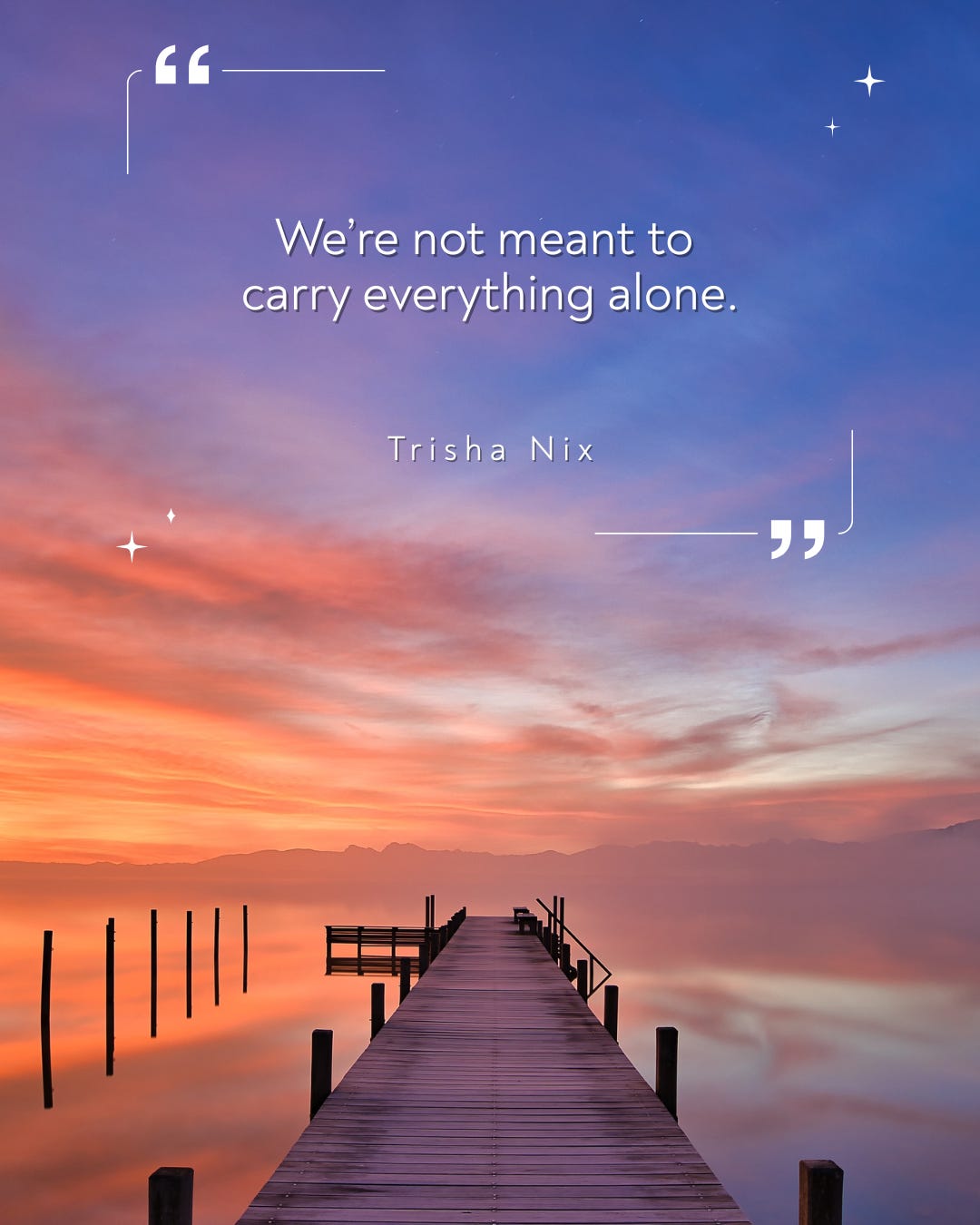
We’re not actually as indispensable as we think we are in the moment.
Everybody has their own story to add to the whole. They’re all different, and somehow also all the same. God places each of us in a specific spot, at a specific time, for a specific message — and no one else can carry your particular voice. Nobody has your mannerisms, your story, your exact way of showing up for another woman. That’s worth remembering when you’re tempted to disappear into everyone else’s needs.
I picked up a book at a thrift store a while back — bought it for about a dollar — called I’m Not Wonder Woman, But God Made Me Wonderful by Sheila Walsh. The cover caught me because my Instagram handle is a Wander Woman play on words, so it felt pointed. In it, she talks about taking off the cape, the boots, the headband — all the things that represent the tasks we think we have to carry as women. Keeping the house perfect. Managing everyone’s needs. Carrying the cape of guilt, or shame, or whatever it happens to be for you. And trading all of that for redemption, forgiveness, and peace instead — things that come from God, not from the pressure of the world.
Because when we don’t do that, we end up striving.
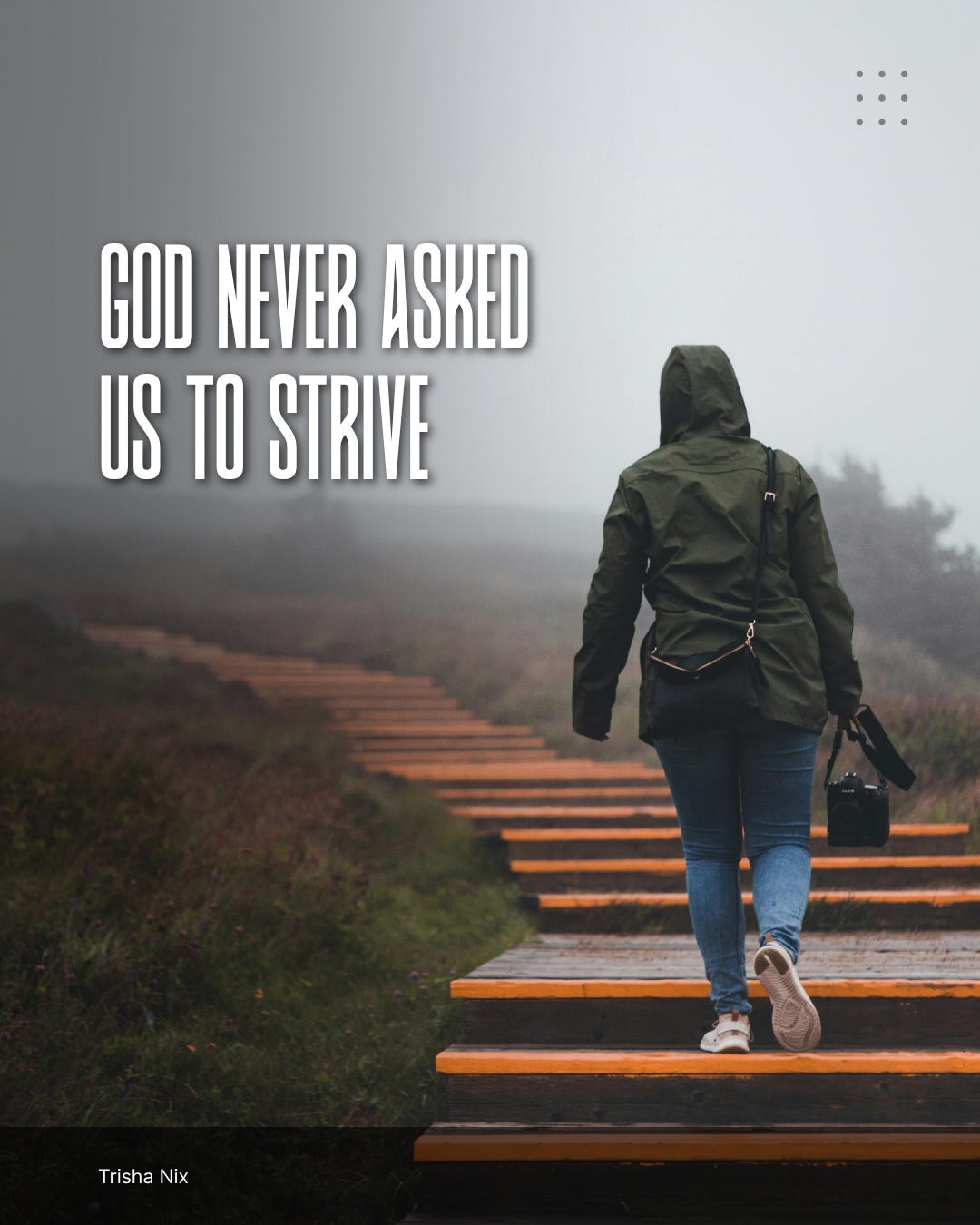
He wants us at rest. His yoke is easy — that’s literally what he said. If you’re actually where he wants you to be, you’re going to know it, because you’re going to feel at rest, not at risk.
It reminds me of an old I Love Lucy episode — the chocolate factory scene, if you’ve seen it. Lucy and Ethel start on the assembly line thinking, this is nothing, I’ve got this. And then the conveyor belt speeds up. And it keeps speeding up. And before long they’re stuffing chocolates in their mouths and their pockets just trying to keep up. That’s the Wonder Woman mentality, honestly — thinking we have to do it all, and the world just keeps pushing the belt faster and faster. We were never called to that pace. God didn’t call us to be Wonder Women. He called us to be with him, and to be used by him. It’s actually a lot simpler than we make it.
When You Feel a Call and Don’t Know the Shape of It
Sometimes you feel God nudging you toward something, and you don’t know exactly what it’s supposed to look like, so you try to make it happen yourself. I’ve done that — jumped ahead instead of waiting for him to show me, one step at a time, his way instead of mine. Costa Rica again. God basically said, okay, Trisha, I’ll let you go, because that’s what you want, and I love you. He’s gracious like that. He’s a gentleman.
But sometimes the letting-go is also the stripping-away — of pride, of the things the world tells us make us worth something.
And then, on the other side of having nothing, he gives it back, and then some.
When you’re sitting in that kind of empty — like I was, in that chair, in my mom’s backyard — it’s tempting to believe you’re actually empty, even though you technically still have God. I want to be clear that I didn’t feel that in some abstract, theological way. It felt very real and very frightening in the moment.
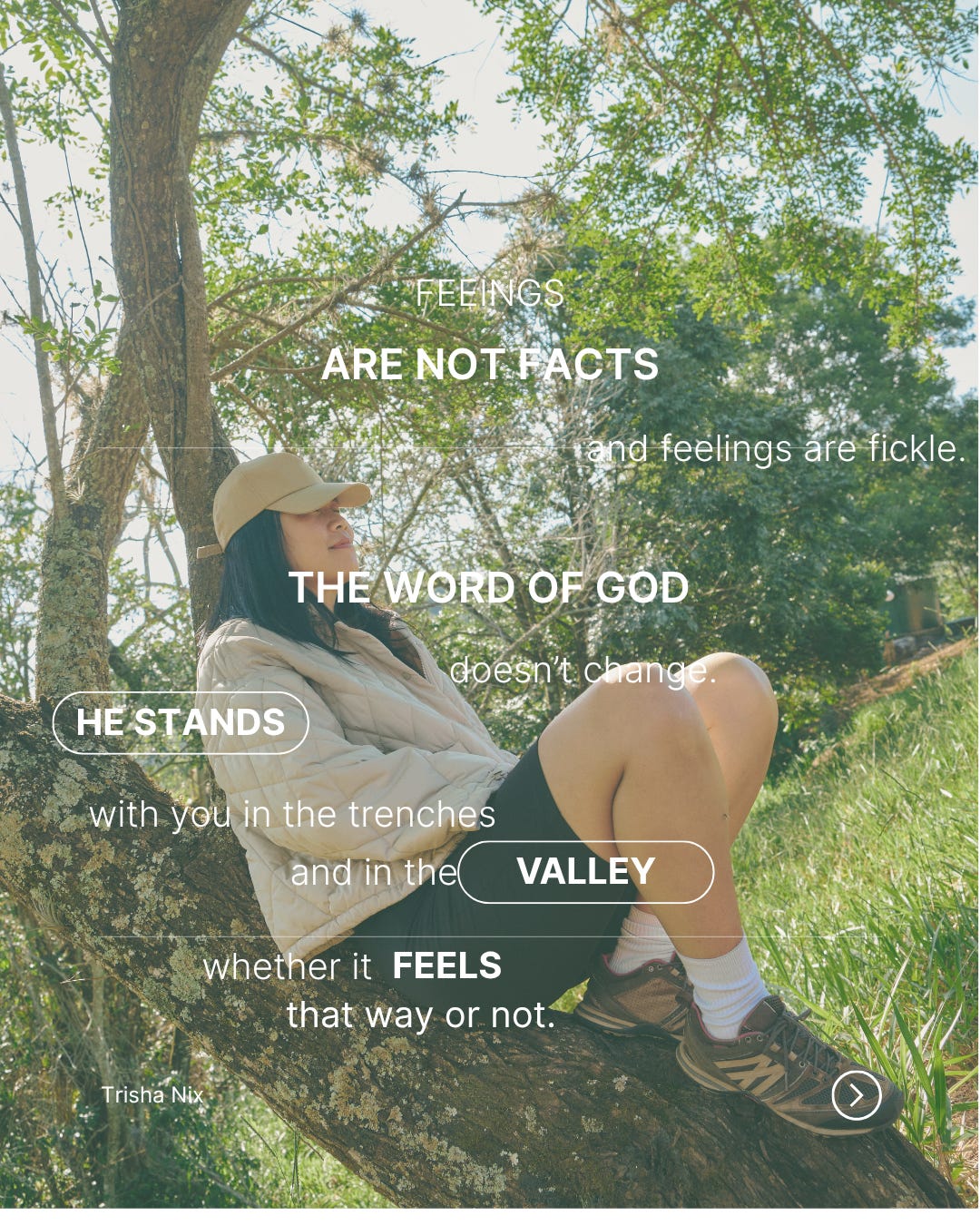
So if you’re in a season like that right now — if you feel like you have no purpose, no sense of worth, nothing to show for where you are — ask him. Don’t wallow in it. Just ask:
God, show me the gifts and the talents you’d have me carry out today. Just today. Show me the people you’ve placed around me right now, and how I can love them well.
He answers. Maybe not on your timeline, maybe not the way you pictured it, but he answers if you’re still long enough to listen.
The Power of Writing It Down
Not long ago I was in a hotel in Eugene, flipping through my Bible, and I found a note I’d written in the margin, dated — from about a month before I met my husband. It was during that exact wilderness season. I’d written, Lord, don’t let me settle for less than a man like this — referencing Boaz, the way he pursued Ruth. I’ve never been the type to chase after anyone. I told God plainly, I am not going to go after a man. And I wrote that prayer down, dated it, and one month later, I met my husband. I didn’t pursue him. It happened by accident, and then he pursued me — persistently, intentionally. That’s the value of journaling, of writing these things down while you’re still in the middle of them.
You get to go back later and see:
he was faithful then. Which means he’ll be faithful again.
Three Things I’d Leave You With
If there’s anything I want someone to take from this, it’s three things. Build your community — get close to somebody in your church, wherever God has placed you, and let that circle be real. Slow down — put away your version of the cape, the boots, the Wonder Woman mask, whatever your version of striving looks like, and trade it for the things of God instead. And then, simply, ask him to use you.
Because that’s really the whole point of any of this — to love God, and to love people. That’s the bottom line. Everything else is commentary.
Trisha Nix shares more about her life and ministry through Just Talking About Jesus. If this episode encouraged you, share it with someone who might be in their own wilderness season right now.
Isaiah 43:19 (NIV) — “See, I am doing a new thing! Now it springs up; do you not perceive it? I am making a way in the wilderness and streams in the wasteland.”
Jeremiah 33:3 (NIV) — “Call to me and I will answer you and tell you great and unsearchable things you do not know.”
Matthew 11:29-30 (NIV) — “Take my yoke upon you and learn from me... For my yoke is easy and my burden is light.”
Wonder what I’ve been up to?
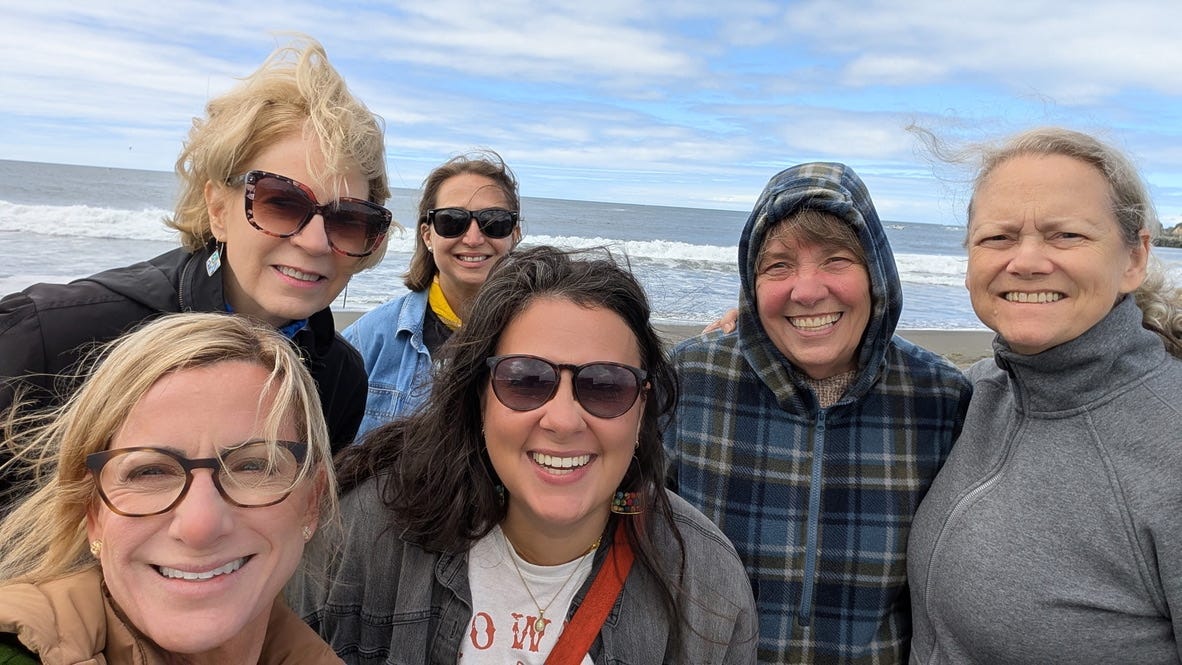
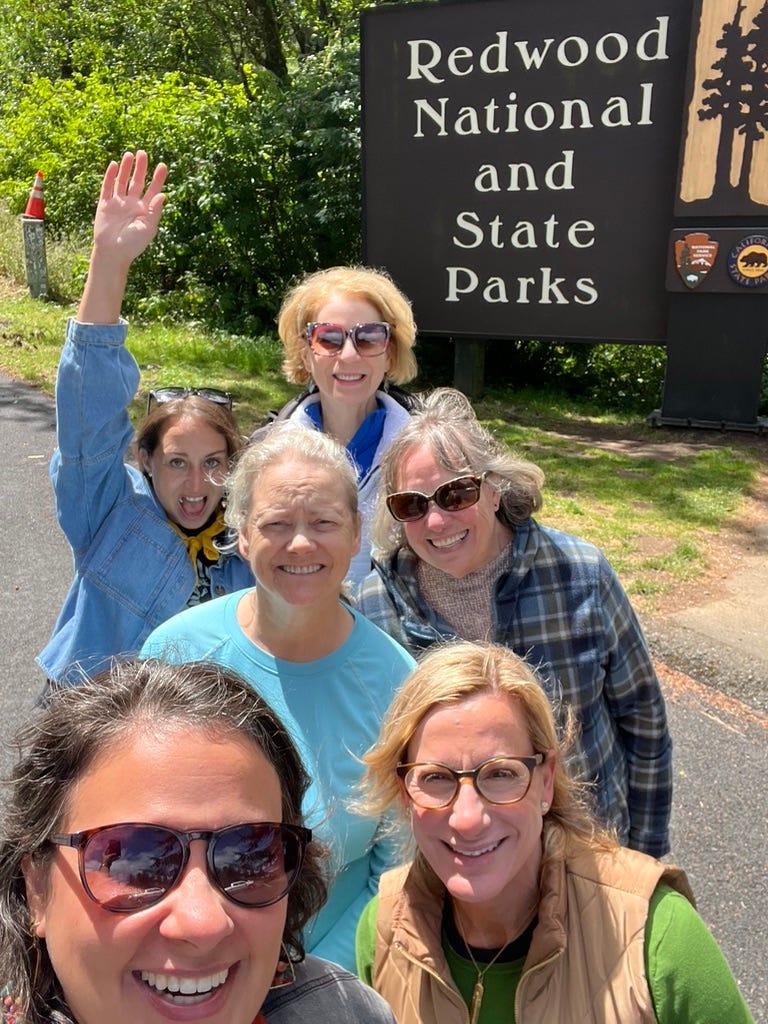
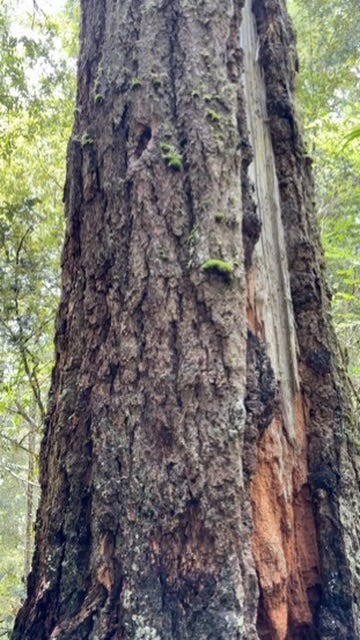
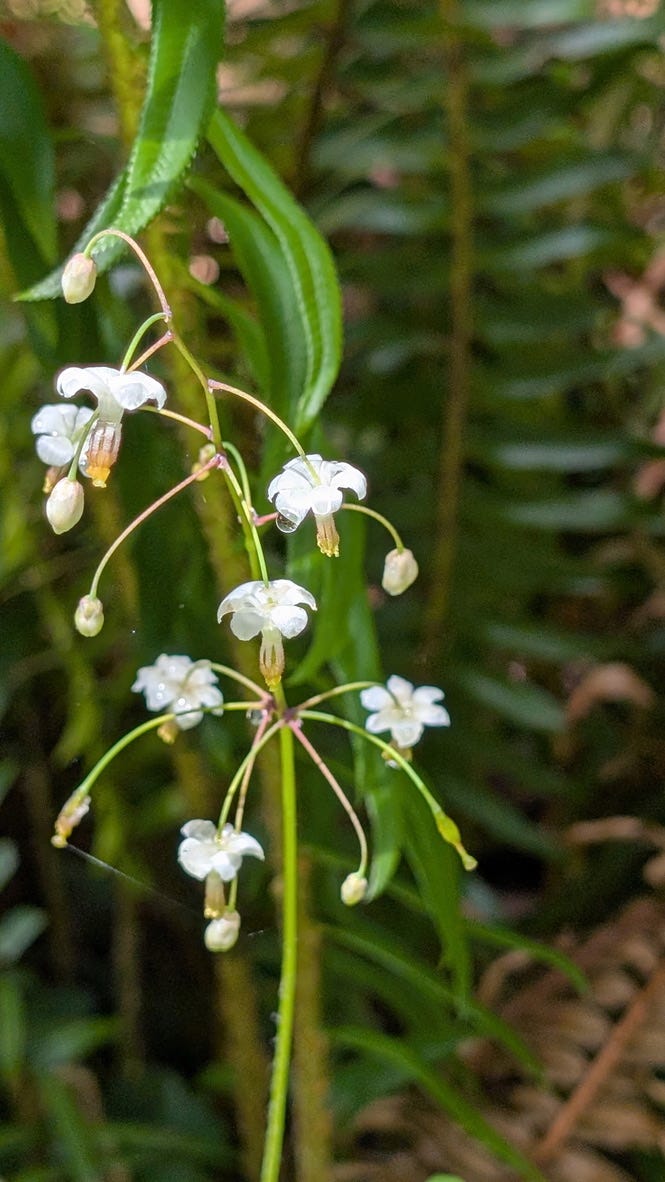
Here are photos of the retreat where I met Trisha… it was such a rich experience - new friendships, great God time, walks on the beach and trails in the Redwoods.
See you next time!
Until then, keep talkin’ about Jesus!
Jan
Comments
Nothing yet. Say the first thing.
Sign in to join the conversation.