
I feel this way every day, when I watch the world around me. Why does anyone do what they do?
We humans are all motivated to action. But if we’re writers, we need to understand what that means for our characters.
Even in the shortest of stories (say, a picture book) and certainly in longer stories (middle grade and young adult novels) characters take action out of a compelling, underlying urge. Something so embedded in their psyche that they cannot separate it from who they truly are.
They are acting out of a deeply felt compulsion.
This compulsion is motivation. Motivation is distinct from the character’s need to solve the story goal/external question, and distinct from the character’s internal desire, and also distinct from their longing. But it’s just as important to your character’s arc and to your story as are these other drivers.
So, what exactly is motivation and how do we write about it?
There are a number of motivating emotions, and here are just a few: revenge, regret, guilt, grief, jealousy, survival, desire. Notice that these are all nouns. They are solid and clear, which speaks to their power as driving forces.
For my part, I think the biggest motivators in drama (maybe also in life) are revenge, regret, and guilt; those are big energies that propel characters to actions both repulsive and heroic, from Greek to Shakespearean to modern tragedies. Most motivating emotions, and especially these big ones, are tied to the character’s backstory wounding experience and/or to the darkest moments of life.
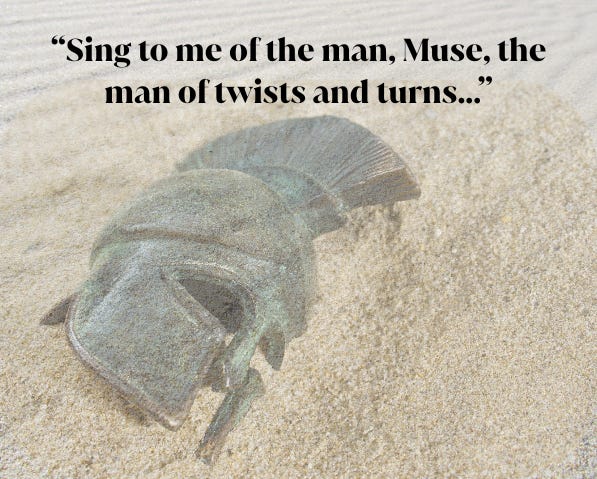
Let’s look at a couple of examples of motivations in kidlit and compare these motivations to other story emotional drivers.
Katniss Everdeen in Suzanne Collins’ YA trilogy The Hunger Games:
External goal: to survive the Games
Internal desire: to protect the people she loves, beginning with Prim
Internal longing: for a world in which life is truly just and fair and not ruled by the “odds”
Motivation: driven by her wound, the loss of her father (and later compounded during the Games): revenge against the unjust society
The little girl in Vashti Harrison’s picture book Big:
External goal: to accept herself as she is
Internal desire: to be accepted by others
Internal longing: for a place where she fits in
Motivation: driven by her wound, being told she doesn’t fit into a ballerina dress: her desire to dance
Notice that at the end of The Hunger Games, Katniss is able to exact her revenge in a way that is both shocking and that leads to the justice/just society she longs for. And the girl in Big fulfills her desire to dance when she achieves her external goal of self-acceptance; and that satisfies her longing to “fit in”.
While the above speaks to those big life motivators, this works at the scene level, too. If you’re struggling with your story at a scene level (usually somewhere in the middle, right?) you may not fully have a handle on your character’s motivation in scene.
Story momentum is driven by a character taking action, and that action must be driven in part by their motivation. Motivation is an integral part of the cause-and-effect trajectory that is essential to great storytelling. And that trajectory happens scene by scene, as each scene moves to the next one.
Every time you put a character in a scene, ask yourself: what is driving the character to do the next thing, whatever that is? And what reaction will that cause in them and in the other characters? What underlies everything they do in life, i.e., what’s their motivation?
I’ve made a course that outlines character emotional drivers and the protagonist’s transformation. My course has notes and exercises to lead you through your character’s development. You can find Character Compass here.
And my other courses are all here – I’m currently revamping them all, as I do from time to time, adding new material and updating. Since you have lifetime access to them once you purchase, you’ll also get all the updates. I hope you have a look at these reasonably priced ways to take your writing to the next level.
As always, please keep writing! It may feel daunting but, truly, kids need our books more than ever.
Comments
Nothing yet. Say the first thing.
Sign in to join the conversation.