
Those of us who write books for young readers, especially picture books through middle grade, need to take a marketing approach for our books that is unique, regardless of our publishing path.
Whether you already have a book in hand, or you’re just starting out, this is vital information.
Kids younger than 12 or so don’t walk into bookstores to purchase or libraries to borrow (without an adult, anyhow). Books are generally handed to those young readers by the myriad adults in their lives: parents, grandparents, teachers, librarians. Sometimes with tween kids, books are shared between friends.
This makes marketing kidlit a challenge that’s a bit bigger and definitely different from marketing books for young adults or adults, whether you are traditionally published or indie publishing.
I’ve been in this game long enough to have feelings about what works well when it comes to marketing our books.
I’m sure the first thing you’re thinking is what kind of online presence works best.
Honestly (and obviously), that’s not the best place to find young readers. You might find fellow writers and create a community; you might learn of bookselling opportunities. But I encourage you not to spend your time trying to sell your kid’s books via social media.
The one thing you do need is a website.
And the reason you need a website is so that you have a place to upload teaching tools that you create. Educators need all the help they can get.
For every kid’s book you write, you should build something for teachers, homeschooling parents, and librarians that connects your book to classroom/curriculum learning. Seriously, with every book you should consider the possible learning take-aways. It’s not hard to create something that can be used in the classroom, and those tools will make your book more marketable to the teachers and librarians you need to reach.
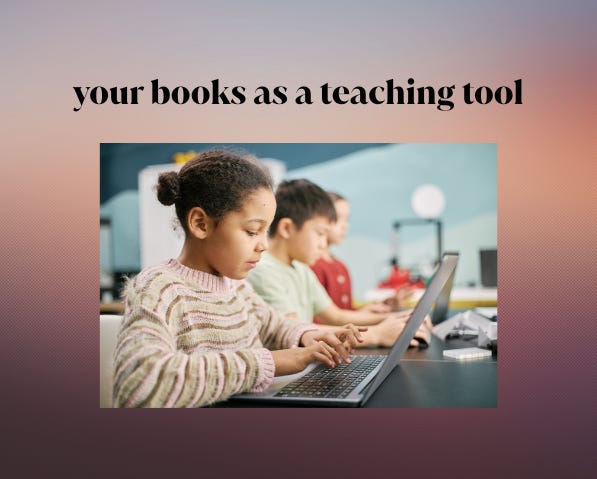
Curriculum materials include things like: discussion questions; hands-on projects; vocabulary builders; science or history connections; activity guides; group exercises; writing prompts. Think creatively - or ask any teacher for advice.
Examples:
If you write a picture book about spring, connect science activities focused on botany, seasons, or spring-time activities.
If you write historical middle grade, create history lessons, vocabulary connections, and reader guides. (Personal note: kids 10 and above are crazy for information about period clothing, foods, daily habits, and they can be used for creative or research work.)
Do you have suggestions for other examples? What’s worked for you?
The most effect marketing for children’s books focuses on the personal. I strongly suggest visiting your local bookstores, public libraries, and schools. Present yourself and your materials as a professional should, with sell sheets to leave with bookstores and public libraries, and with sell sheets, presentation summaries, and curriculum ideas to leave with schools.
I’ve found that growing outward from your most local connections is the best way to market your book. Most books beyond the precious few best sellers are found one reader at a time via word of mouth.
I’ve made a downloadable blank sell sheet for you with the kind of information you don’t want to forget to give to booksellers, teachers, librarians (and anyone else; and trust me, I’ve forgotten some of these on occasion…ISBN, anyone?). Here you go:
If you need to understand the children’s book market and how to write for that market more completely I’ve made this short course: Kid’s Book Bootcamp.
If you need to understand your best path to publishing, I’ve got a brand new course: Claim Your Publishing Power.
And I’ve made a host of smaller courses. I suggest the Idea Incubator for a fast, inexpensive way to test your story idea – and to create a necessary logline at the same time.
As always - please keep writing!
Comments
Nothing yet. Say the first thing.
Sign in to join the conversation.