
I’m a super fan of the blog Writer Unboxed and in a recent post author Terah Shelton Harris wrote that her agent told her that she rejects 97 out of 100 submissions because…
“The book ideas suck.”
That’s a 97% rejection rate, my people. And, lately, I’ve been noticing that agents and editors have been posting on Instagram interesting carousels that walk the reader through the mini-steps it takes to create a great book, and the lesson, once again, is…
…only the best ideas will grab the eye.
I’m thinking that many writers, especially at the beginning of the process, can’t articulate their idea in a way that will grab the attention of an agent or editor. Which may mean they haven’t thought past a vague idea into a compelling concept or hook.
In her post Shelton does a nice job of dissecting what makes a great concept/hook/idea, so go have a look.
You can have a good or great idea, but does that make for a good book? And how would you know it was good before you write the whole darn thing? Is there some secret sauce that you might be missing?
I believe that there’s more to a good book than a good idea. There’s a good idea and then there’s a great idea, and the difference, as Harris points out, is in the details.
Let’s look at some important facts in the forming of a great idea and creating the pitch that pulls it to life.
Protagonist: your protagonist must be more than a stick figure. Rather than “a teen boy” maybe “a teen boy math genius with a gift for puzzles”. Rather than “a lonely girl” maybe “a lonely girl who can dream the future”.
A story problem with stakes and ticking clock: the story problem must be something challenging that only your protagonist can solve. So: “A teen boy math genius with a gift for puzzles begins a seemingly innocent online game with an unknown opponent.”
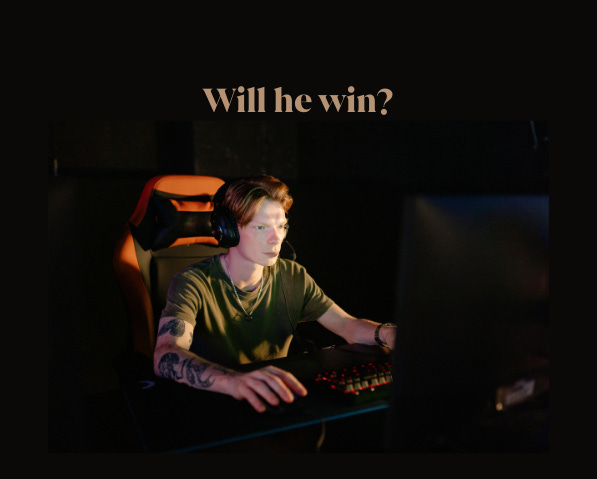
An antagonistic force: the antagonistic force must be powerful enough to be fearsome and raise the stakes to the highest level. So: “The opponent is an artificial intelligence, and the game’s winner dictates the fate of the world.”
What happens if the protagonist fails at solving the problem: “The boy must assemble a team of unwilling friends to help him win the game or the AI will decide the world’s fate – which may mean total destruction.”
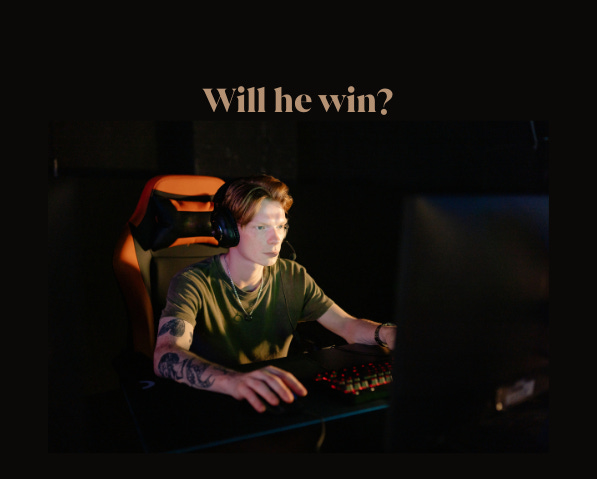
By thinking through an idea in depth, by knowing all of these elements at a deep rather than superficial level, you can come up with an idea that is both original and appealing.
And that’s more than just the idea; if you can articulate the pitch in an appealing way, then that means you’ve thought about the important things that lift a story above, and you know you have them inside the idea. You need these elements to work in the best stories:
the protagonist
the story problem with stakes and a ticking clock
the antagonistic force
what happens if the protagonist fails at solving the problem, with a twist
The pitch that results when you put these elements together in a novel way will be much more likely to catch an agent’s eye:
“A teen boy math genius with a gift for puzzles begins a seemingly innocent online game with an unknown opponent, who turns out to be an artificial intelligence. When the boy learns that the game’s winner will decide the world’s fate, he must assemble a team of unwilling friends to help him save the world from destruction. Unless, if the boy is the winner, he decides something…else.”
In other words, a good or even great idea isn’t quite enough to get your story to come alive. You need the elements that articulate that great idea in a novel way.
I created my Idea Incubator after I ran a workshop in which I discovered how many people were thrilled to have an actual template to help them design the right story idea to pursue, and the way to articulate that idea. A template that is simple and elegant and results in a few sentences like the ones above. That’s what my course does: helps you outline the five essential ingredients to express a perfect and compelling idea. Take a look at Idea Incubator here.
And my course First Pages Pop helps you write the opening pages to that story in a way that will grab and hold the reader. Because an agent or editor will only give you about five minutes/five pages (and that’s reading them on the train, or while they are about to fall asleep at the end of a long day…) before they say “yes” or “no”.
I hope you’ll look through all my courses and find the right ones for you.
Cheers and please keep writing!
Comments
Nothing yet. Say the first thing.
Sign in to join the conversation.