
The quirk chungus millennials, steeped in epic bacon grease, Bazingas, and finger moustaches, had been trying to steal “awkward introverted nerd” valor since the early 2010s at latest. By 2011, I had had enough, and I wrote this op-ed at 13.
Socially awkward is the new cool
Since when did it become cool to be socially awkward. I look around and I see popular socially awesome penguins going all like, “Oh em gee, I am SO AWK,” and I’m just going, “No. No. No. YOU ARE NOT SOCIALLY AWKWARD. OKAY? I HATE GOING TO RESTAURANTS BECAUSE I DON’T LIKE IT WHEN I HAVE TO TALK TO THE SERVERS. I HATE SUBWAY BECAUSE THEY ASK TOO MANY QUESTIONS, and no I do not have social anxiety disorder, but just okay, you think you have the RIGHT to call yourself socially awkward?” No way, not on my watch. Yeah, all you special snowflakes out there, I seriously hope you step on a lego. Because the way you are behaving is not acceptable. And awkward suddenly became synonymous with cute. When did that happen? I mean, was Jesse Eisenburg’s performance in The Social Network really that revolutionary? Oh, and calling yourself fat. When did that start? I mean, one of my special snowflake friends is literally eight inches wide and she is saying things like, “I am so fat, you have no idea. You’re so lucky you’re skinny.” And I just ranted about it to my bestie and we had a good ranting session about special snowflakes and other pet peeves of ours (mostly mine).
Jane Song is a girl with a lot of pet peeves, strong feelings about fictional characters, and the more you get to know her, the more you question her sanity.
The next year, Susan Cain’s TED talk kicked off the era of “introvert superiority” by officially attributing to introversion qualities such as depth, creativity, and thoughtfulness. I guess it is frustrating that American corporate culture really values extroversion and doesn’t acknowledge people unless they are extremely active about self-promotion and verbally speaking up. But the whole buzzfeedification and self help economy around introversion and “highly sensitive people” and “empaths” contributed to a sort of slave morality for those with more recessive qualities, who implied they were morally and intellectually superior in some way because they “lost” to the stronger and louder and more powerful. Meanwhile, I’m sure the extroverts stayed winning because they “increased their surface area for luck” by embracing spontaneous, stimulating experiences and putting their name out there more.
Basically, anyone who wasn’t super obnoxious and loud and confident 100% of the time were given the permission to identify as an introvert and uncool. It was better that way, I guess, because perhaps you can more easily manipulate a demographic of uncool, unconfident introverts. Maybe they’ll stay inside more and stream more. Maybe they’ll have more money for concert tickets because they didn’t spend it on poppers and ATVs.
In 2013, I couldn’t get away from the song “Cool Kids” by Echosmith, which I found out of touch in a post Mean Girls economy, within a fracturing monoculture. It presented such a Disney Channel idea of identity. The narrator of the song wishes they could be “more like the cool kids ‘cause all the cool kids, they seem to fit in.” But if anything “cool kids” are distinct and don’t fit in. How else would you recognize them as cool if they were just like everyone else? There needs to be a 50%+ “NPC” uncool population for the cool kids to be distinguished. And then on top of that, the narrator is trying to cope by acting like the cool kids are “living life without knowing,” because your alienation is supposed to give you wisdom. But that’s not actually true. Lonely people can be stupid, too.
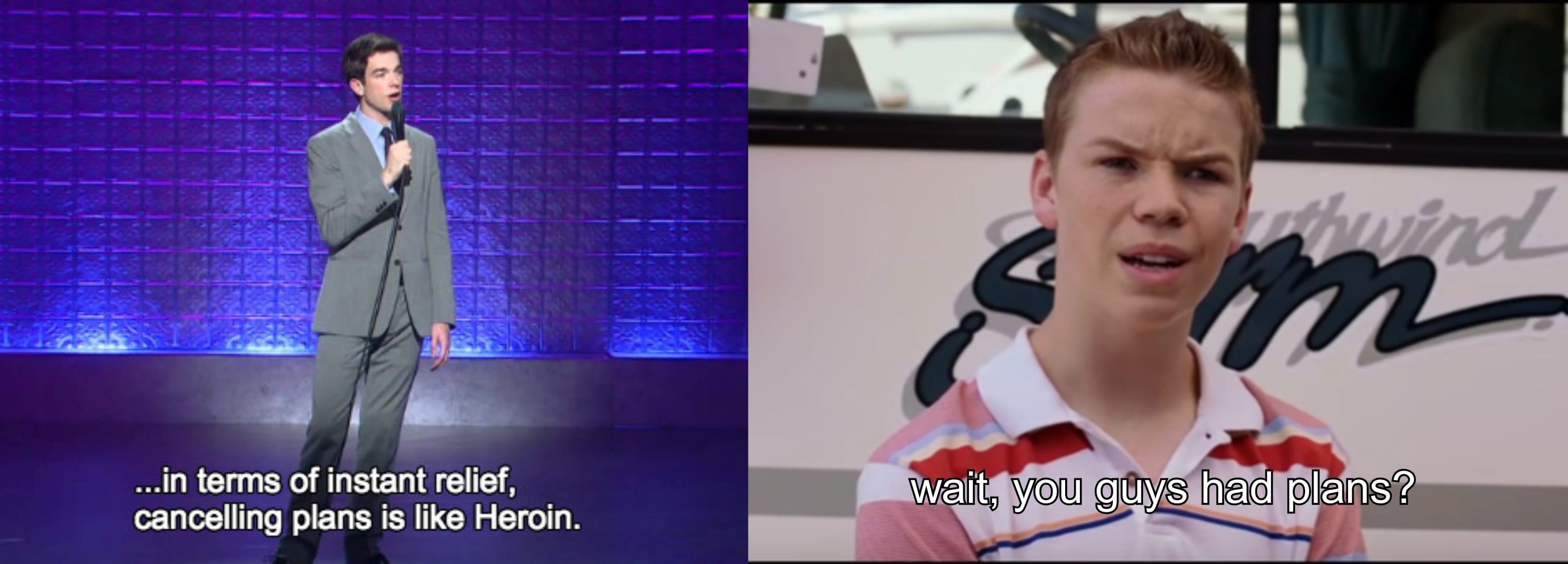
In 2015, Alessia Cara’s “Here” rose to the charts, which really irked me and my “anti special snowflake” complex. The narrator of the song was so ungrateful and passive-aggressive. At least you were invited! The narrator of “Cool Kids” is jealous of you! The narrator comes to a party with her friends, people are asking her to dance and hitting on her, and she’s bitching about how the music is so shallow and she’d rather be chilling out with her friends. Why are you acting like you’re so different from everyone else when you’re literally there too? Your friends can exist in different contexts, and they wanted to share that with you. Sometimes they want to sit down and be quiet and listen to “music with a message” and other times they want to enjoy a rowdy time. And now she’s going to wait in the car until someone comes and finds her and asks her what’s wrong.
“I found myself remembering the day in kindergarten when the teachers showed us Dumbo, and I realized for the first time that all the kids in the class, even the bullies, rooted for Dumbo, against Dumbo’s tormentors. Invariably they laughed and cheered, both when Dumbo succeeded and when bad things happened to his enemies. But they’re you, I thought to myself. How did they not know? They didn’t know. It was astounding, an astounding truth. Everyone thought they were Dumbo.
Again and again I saw the phenomenon repeated. The meanest girls, the ones who started secret clubs to ostracize the poorly dressed, delighted to see Cinderella triumph over her stepsisters. They rejoiced when the prince kissed her. Evidently, they not only saw themselves as noble and good, but also wanted to love and be loved. Maybe not by anyone and everyone, the way I wanted to be loved. But, for the right person, they were prepared to form a relation based on mutual kindness. This meant that the Disney portrayal of bullies wasn’t accurate, because the Disney bullies realized they were evil, prided themselves on it, and loved nobody.”
- Elif Batuman, The Idiot
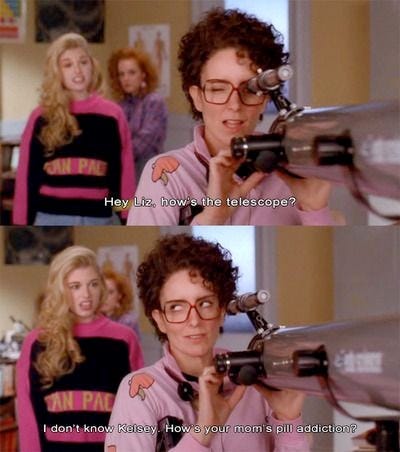
Ultimately, my beef is with the idea that the powerful seem to use this method of appropriating the identity of the powerless, while enjoying all the benefits of power.
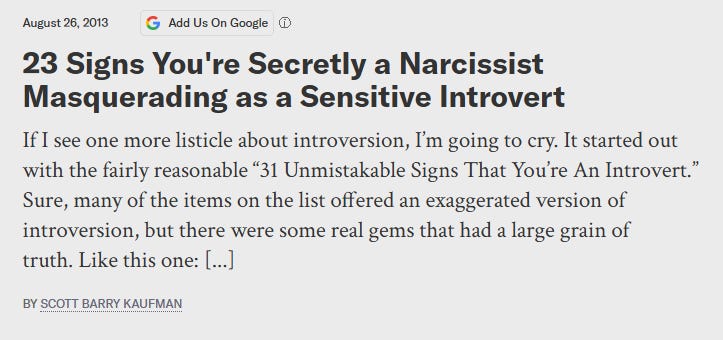
These vibes are reflected in that celebrity memoir phenomenon where every celebrity was apparently bullied for being so skinny and awkward. It’s the “she was bullied in school for being too pretty they threw rocks at her and called her little miss pretty face” of it all. Creatives, especially the successful ones who are good at getting promotion and approval, are disproportionately entitled, sensitive, and attention-seeking because they are trying desperately to fill the void in their heart that they believe will only be satisfied by success.
Sensitive people have a tendency to interpret negative reinforcement of behavior as “bullying.” They are singing ballads in front of your locker, and you’re somehow the bully for trying to dodge them as you grab your jacket for third period. You’re a bully and a cheat for getting the solo that they “deserved.” The music director is a bully for not giving you the solo. Any interpersonal conflict among peers and equals is a form of bullying. And look at how far you’ve come now, despite all the haters and ill will sent your way. You want to say that it made you better because the victim who overcomes adversary is the most sympathetic main character, and someone driven by success is not afraid to distort the narrative in their favor. To be so nakedly ambitious is unsympathetic.
But that quality is something I respect about Madonna. In this 1991 quote from Vanity Fair she says: “My drive in life is from this horrible fear of being mediocre. And that’s always pushing me, pushing me. Because even though I’ve become Somebody, I still have to prove that I’m Somebody. My struggle has never ended and it probably never will.” She’s not out here pretending to be meek.
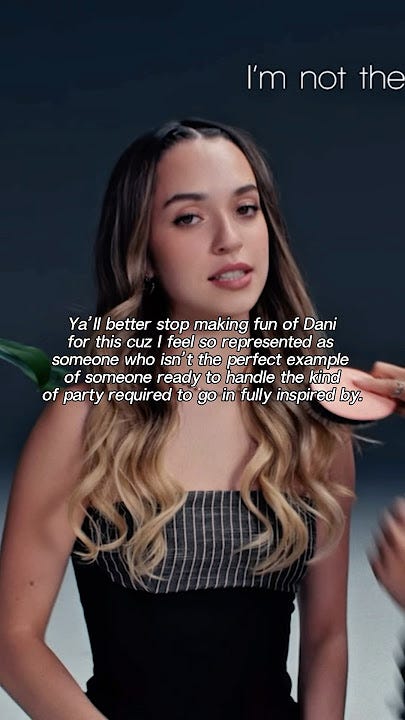
One day, as I scrolled Twitter, I came across “I’m not the perfect example of someone ready to handle the kind of party required to go in fully inspired by.” The video of Daniela of Katseye singing in the “Tonight I Might” music video had been the quote tweet atop some word salad, signifying that the statement below was word salad. Because “I’m not the perfect example of someone ready to handle the kind of party required to go in fully inspired by” is some crazy word salad.
I kept thinking what does this sentence mean? And it struck me that the song was basically the inverse of “Here” by Alessia Cara.
Even though the record label Hybe x Geffen is definitely evil and probably acquired “Tonight I Might” from some middle aged men manipulating a semi-introverted potential teen girl audience, I can’t say I hate the song’s message.
What I imagine the Hybe X Geffen writer’s room to be:
The protagonist is an “overthinker, loner, the one who misses all the jokes,” organized, uncomplicated, someone who sleeps at a reasonable bedtime. The point of the song is that tonight, she is going to do the kind of thing she usually doesn’t and have some spontaneous fun, do something stupid, go be social with people she doesn’t know well, etc.
But you’re not supposed to cling to your temperament so tightly. There is an appropriate time for everything; to be quiet or loud, to be gentle or aggressive. The ideal is being able to navigate through these contexts comfortably for yourself and others. The narrator didn’t seem to resent that everyone else had been enjoying wild times without her; she just found a way to join. It’s “out of character” until it isn’t.
Since we’re collectively experiencing a disgust response against grown-up iPad kids, youth culture rewards those who touch grass. A high status young person is the one who manages to be offline. “Tonight I Might” reflects that value shift. While she missed out on opportunities in her childhood, she’s going to “carpe diem” or something. Gen Z is back on YOLO.
I have a small antidote to being a ressentimental hater, and it’s the idea that you never know who’s going to like you. Someone with a higher social credit score could find you incredibly charming. Aw shucks, Lil’ ol you! I know this is so Twilight brown haired meek girl gets with the two chaddiest hunkiest supernatural guys in town. But I don’t only mean it in that way.
Everyone is a potential fan. You never know who’s on your side, and I mean that in a good way. There are a surprisingly large number of general well-wishers in this world, who see your particularities and notice your essence. You do one nice thing in front of a person and every time they see your Instagram post, they’ll like it and genuinely think “their dog is so cute” or “I’m glad they got married.” I know I talk about envy and and have been holding a grudge for over 13 years about this trend, but The Jane Institute is more than just snark. The levels and hierarchies don’t matter as much when there is goodwill.
No posts
Comments
Nothing yet. Say the first thing.
Sign in to join the conversation.