
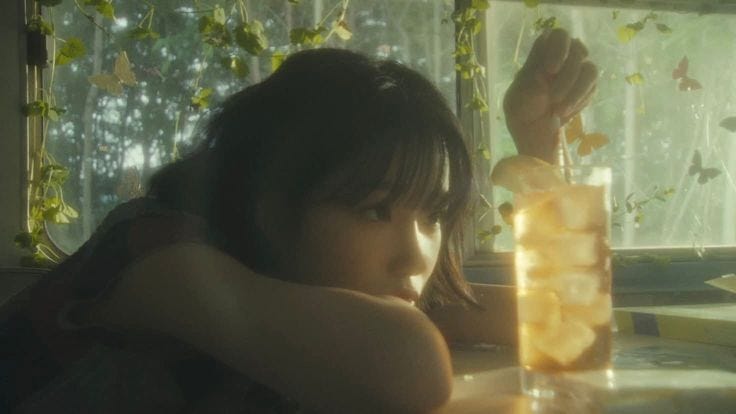
The more you want something, the more you are reminded of the fact that you do not have it.
The more I want to be confident, the more aware I am of my own shyness and anxious tendencies. The more I want to be successful at something, the more I obsess over tiny mistakes that would otherwise mean nothing. The more I crave beauty, the more flaws I discover in the mirror.
Desire distorts our perception of reality — it paints a vivid image of a world where everything falls into place, where we achieve all our goals and are unconditionally loved and admired by everyone in our lives; only to remind us, again and again, that that world does not exist.
The moment we want something, its absence becomes painfully impossible to ignore.
Once I realised this, I wanted to cut off all forms of desire. I thought in doing so, I would finally be liberated from all the pain and distress that comes from wanting. But oh, the irony: I wanted to cut off all forms of desire; wanting hides plainly even in the request for its removal.
Perhaps desire is inseparable from being human. We are constantly reaching for something — a better life, a more passionate love, more money, more recognition, more freedom, more knowledge. Without a destination, what would move us forward? Without desire, what would drive us to wake up tomorrow and try again?
This is a paradox that I struggle to solve: the thing that gives us something to reach for can also make us painfully aware of what we lack; the thing that makes us dissatisfied with life is the very thing that makes us care about life.
So should we want less? Or should we learn to want in a way that is less burdening?
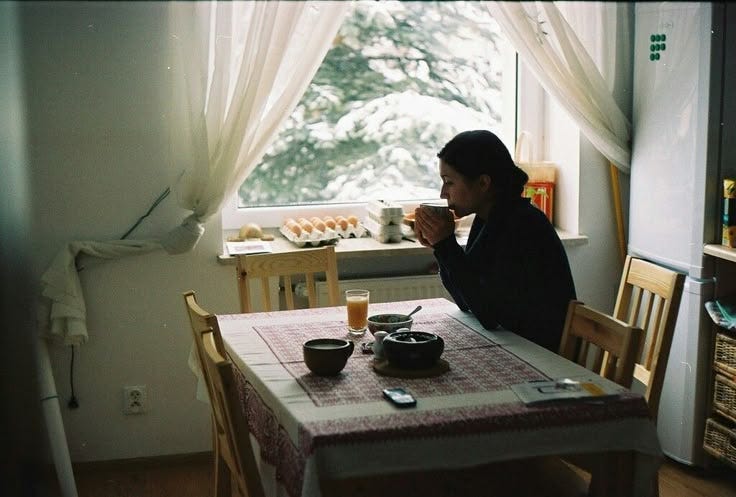
Perhaps we shouldn’t strive to eliminate wanting altogether. The necessary first step may be to acknowledge that wanting is an inherent part of us. We are creatures of longing. We imagine, we hope, we pursue. We look at what is and instinctively wonder what could be. And there’s nothing inherently bad about that.
Consider a potato.
When it’s boiled, steamed or roasted with a little oil, it’s considered healthy food that provides great nutrition for our body. But take that same potato, slice it into thin pieces, drown it in buckets of oil, process and package it in factories that eventually sell it as chips; suddenly, it becomes something that should not be consumed in excess.
The potato itself is not the problem; the assessment lies in its final form before consumption.
I believe desire works in the same mechanism.
Hi, I’m Janelle☆ Whoever you are, I hope today has been kind to you.
You’ve reached the paywall for this article. To continue reading, please consider becoming a paid subscriber to One Cup of Tea for exclusive access to all articles, podcasts, and materials. I’ve prepared a gift to welcome you to the community~
You can also help me by buying me a coffee ;) Your support means the world and helps me keep doing what I love. Thanks for walking this path with me, one step at a time ──★

Comments
Nothing yet. Say the first thing.
Sign in to join the conversation.