
Something happens very often on sound checks with Vital Information that never gets old, and I heard Steve explain it in such a great way a few days ago midway through our tour of China.
Manuel and I are often talking about harmony, and sharing ideas whether it’s in the back of a van or on stage while we wait for keyboards and drum mics to be patched to the house. Manuel is a never ending source of information, and if you ever get the chance to be around him, I highly recommend opening your ears and moving your lips as little as possible.

Steve’s incredible lack of ego comes in right about now when, onstage in Shanghai I believe it was, he tells us why he loves being a jazz musician. Perhaps even more than his love for the music and for playing the drums, it has been about the moments he gets to hang out with other jazz musicians. These times onstage, with no audience in the room, when we get into the granular details of the music, share ideas, and make discoveries that might then start to develop over the course of a tour. It feels like a very private and very special moment. Yes, these ideas may well be shared with the audience eventually through our performance, but the conception of them, and the real work that goes into developing them, is incredibly sacred and rarely seen by anyone but us.
For someone like Steve with such a legendary career at both the pinnacle of rock and jazz, it is very refreshing to hear him talk so openly and honestly about how important and special it still is to him to be around other musicians and be a part of a creative conversation over 5 decades into the trip.
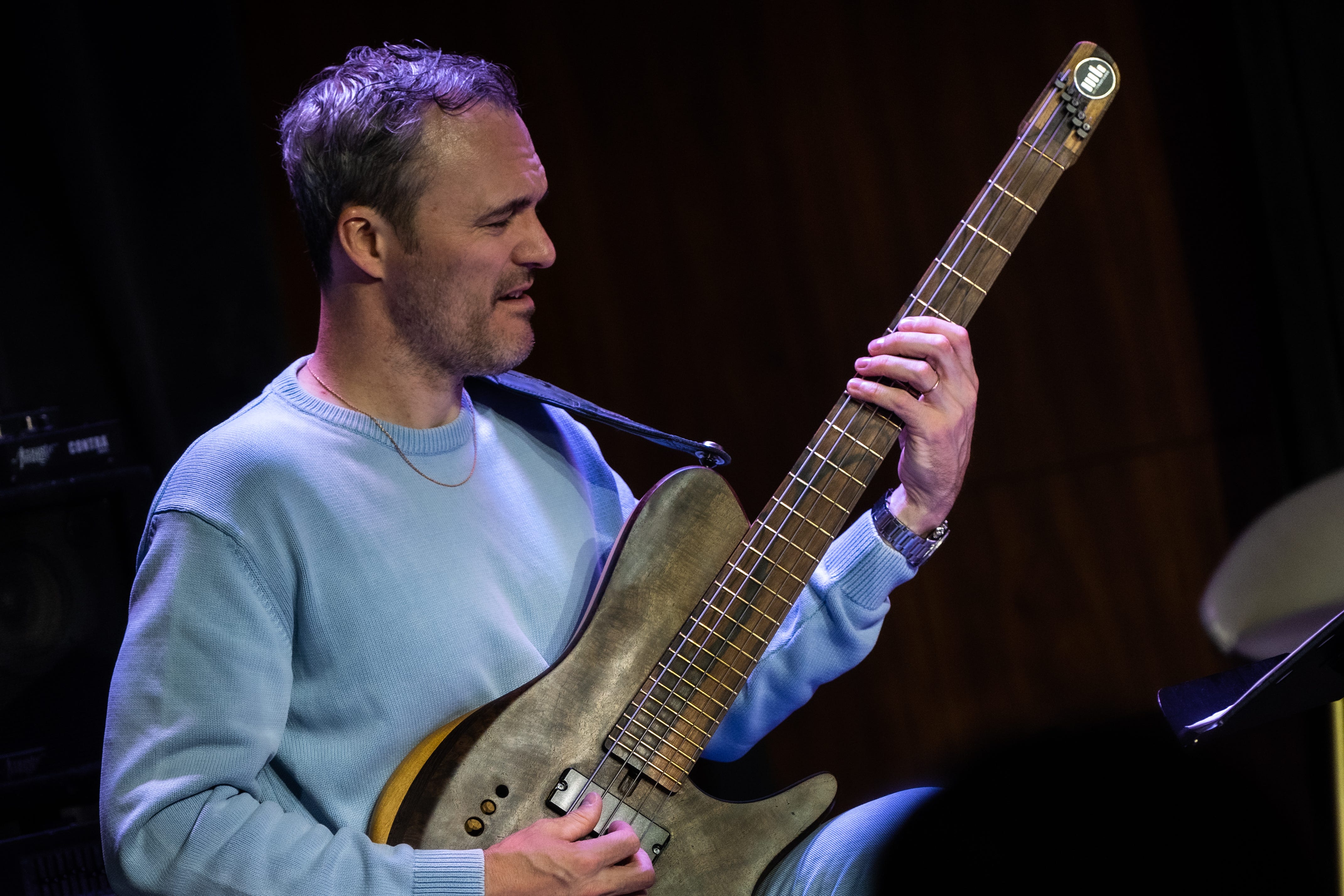
Since Manual was sharing some deep thoughts on triads that day, I’ve recorded a short clip of me playing and explaining combinations of two triads using Neo Reimannian Triadic Transformation Theory, and talking about why I’m working on them this way when it comes to improvisation and finding more outside and angular sounds to juxtapose with the inside linear playing I love so much. It creates tension, opens up a whole other world of melodic possibilities, and gives some insight into how we create melodies in the first place.
0:00
-5:09
To get technical for a second: Triadic transformations in Neo Riemannian Theory are categorized into three main categories.
Transformations where one note shifts and two common tones remain: A C major triad for instance where the root shifts down a half step to create E minor in the second inversion. The notes G and E are common tones to both traids
Transformations where two notes shift and only one common tone remains: Take a C major triad and move the root and the fifth up a half step to create C# minor. The E becomes the one common tone between the two triads
Transformations where all three notes of the triad shift. This is what I’m working on in the audio example above where the C major triad becomes an Ab minor triad in its first inversion by moving each note a half step. The root and the third move down, and the fifth moves up.
This alone is incredibly rewarding when it comes to harmony and creating chord sequences, reharmonization, and tension and release in music.
But when you start to turn these triads into linear ideas by combining them, breaking them up, and finding shapes and patterns whilst imposing them over different harmony… now you’re into some serious new sounds that you have have heard once or twice before in other people’s playing, but never quiet understood how they got there.
It’s important to note that whilst the exercises I’m building in the audio example are very useful for placing these shapes in your muscle memory for later use, they are kind of meaningless without the key elements of time, sound, phrasing, and context.
Simply playing these shapes over a chord because they sound “out” and create tension, doesn’t really move the emotional needle when it comes to expressing yourself and telling a story. Always make sure you’re listing to great improvisors, most of whom are dead at this point, and soaking up the essential components of what makes music speak to you and feel good.
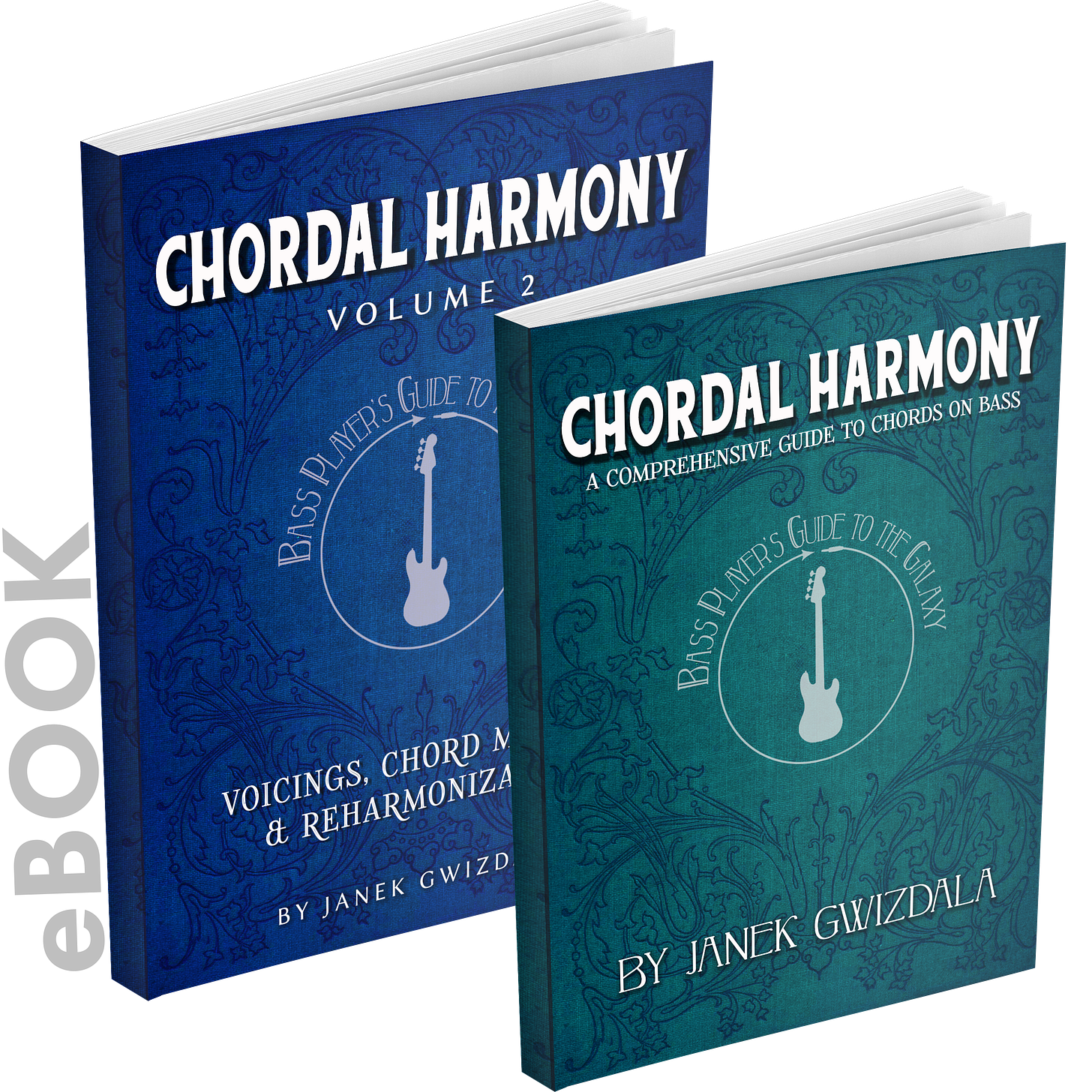
If you want some great triad and chordal exercises that you can then apply this Neo Riemannian triad theory to, I would recommend checking out my chordal harmony books.
It never ceases to amaze me that you can take a most basic element of western harmony like a triad, and turn it into something so complex and deep with just a few minor adjustments of context.
More soon,
Janek
Comments
Nothing yet. Say the first thing.
Sign in to join the conversation.