
Hi there
Last week I said I was going to be experimenting with making some articles paid for, and the one last week (The word I’d never heard at 68 and what I did about it) was indeed that.
I was so delighted when two people felt they wanted, and were able to, commit to supporting me in this way. Thank you, you know who you are!
This week, the article is for everyone, so read on and discover how many gold stars you get!

(Inspired by an article in the I paper in the UK)
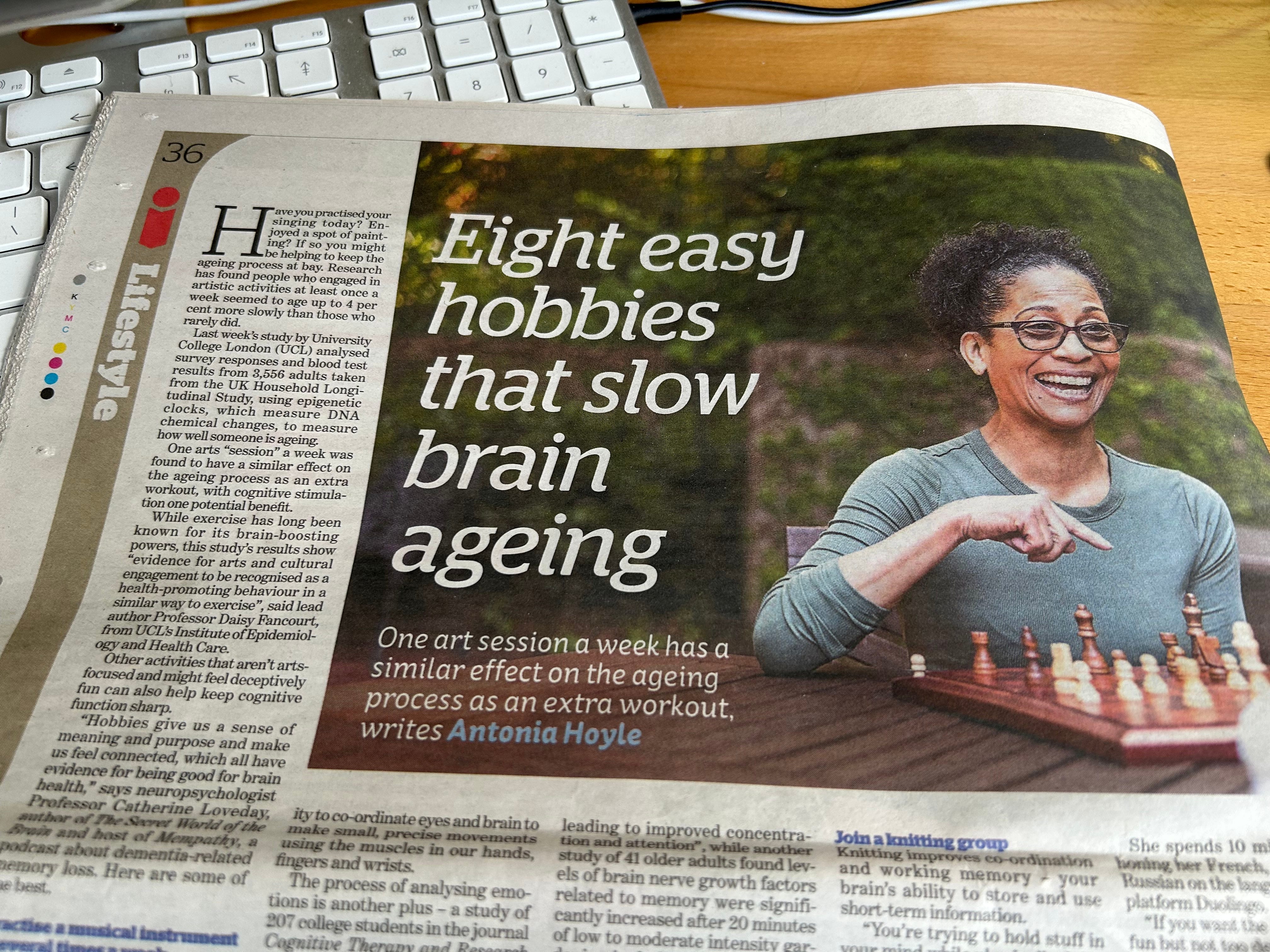
Well, it’s an attention-grabbing headline for sure. Fancy a bit of fun? I’m awarding myself gold stars for how many I am doing, feel free to do the same.
But before you read on, see if you can guess what these hobbies might be.
I bet you are fulfilling the first one already…
Okay, here we go:
Read fiction twice per week.
Twice per week? I read fiction twice per day if at all possible! So obviously that makes up for the other hobbies I’m not doing, right? 🤭 In the article above, the journalist writes that reading at least twice a week has been ‘associated with a reduced risk of cognitive decline for older adults”. That’s very good news, given reading fiction is a top priority for me. Gold star number 1 ⭐
Gaming is good for you.
Those who do Wordle, or other online puzzles could be streets ahead of me (I don’t do gaming stuff of any kind online at all). But actually, Prof. Catherine Loveday, author of The Secret World of the Brain, says that video games have “been shown to be good for mental health for many people because they’re so immersive. Sometimes there’s also a social element too. It’s not something we should see as the preserve of teenagers.” Okay, so Wordle, crosswords and other puzzles might just be a bit of ultra-processed food for the brain compared to more elaborate video games, but surely it’s better than nothing? Or maybe I need to open my mind to experiencing a video game and the mental challenges it brings. Suggestions anyone?
Practice a musical instrument several times a week.
This is another one I don’t do, I don’t play any instrument at all. Apparently this learning lowers levels of the stress hormone cortisol. That’s a good thing because high levels of this hormone can interfere with attention. And there’s no doubt about it, to play a musical instrument requires high levels of focused attention. Prof Loveday says learning the piano will challenge you more than the guitar; and singing is a way of interacting with music that is cheap and fast.
I do belong to a choir, (The Accidentals) and learning the words and music is a distinct challenge. Actually, I can pick up the music ( I don’t sight read) fairly easily, but learning the words is a bit of a slog. I might find it easier now I know its like taking my brain out for a brisk walk. I think I’m going to be kind and give myself a star for this ⭐
Write a journal before bed
I’ve always written a journal, but it’s not before bed, I wonder if that counts? That’s a bit tongue in cheek, I realise, as I read on to discover that reflecting on what has happened in your day apparently supports your memory (that’s okay then, as I do that reflecting when I’m in bed and writing down what I’m being grateful for). I didn’t realise though that the act of writing with pen and paper helps my fine motor control; and that the analysing of emotions that comes with this kind of reflection is also beneficial. Well, I’m usually up for a good bit of analysis so that’s heartening to hear too. Gold Star number 3. ⭐
Spend 10 minutes a day learning a language
If you knew that learning a second language would improve your ability to retrieve words, would you do it? That’s what Loveday writes, and it’s backed up by a study in the journal of Experimental Psychology that showed that learning a second language changed the thickness of the left inferior frontal gyrus, part of the prefrontal cortex involved in attention and working memory. Mind you, that’s particularly so in childhood, which most of you reading this will be very far away from. Hint - learning a language that you already learnt in school will make it easier. That’ll be Spanish for me then. (But actually I am not going to opt for this one. Got enough on my plate already).
Get knitting
Last winter I attempted to knit a small bolero top. I’ve knitted before and it has worked out fine, but this time round it was a disaster and I had to unravel it all. I wonder if the unravelling also counts towards the improved co-ordination and working memory that happens when actually knitting? In the British Journal of Occupational Therapy, a study of over 3500 knitters showed “a significant relationship between knitting frequency and feeling calm and happy”. I’ll have to dig out my needles again then, although it’ll have to wait until winter otherwise it will be competing with the garden…
Enjoy chess
No. I am not going to do this one. I have never been attracted to it, and the thought of it does not bring me joy, so in the words of Marie Kondo ‘if it doesn’t bring you joy, then let it go”. That’s it then, chess - you are not for me. But if you do like chess, then you’ll also like the fact that chess players had better cognitive reflection when analysing a maths problem, and greater focus on long-term outcomes than non-chess players (a tiny study of a total of 50 people, but even so). I’m not sure if this also applies to draughts, though, which I have been known to play.
Get out in your garden (or balcony, tubs, windowboxes)
I’ve saved my favourite for last (not quite - I began with another of my favourites).
Green fingers are it, apparently. And they don’t even have to be that green. Some studies have shown that levels of brain nerve growth factors related to memory were significantly increased after just 20 minutes of low to moderate intensity gardening, including digging, raking and watering. My memory must definitely be getting better then, as pottering about in the garden especially in spring time, is a must for me. (Secret - my first port of call in the early mornings is a tour round the garden, chatting to my plants, saying hallo, asking if they’re all right, seeing what they need. It’s almost like preparing breakfast for them). Gold Star number 4, then ⭐
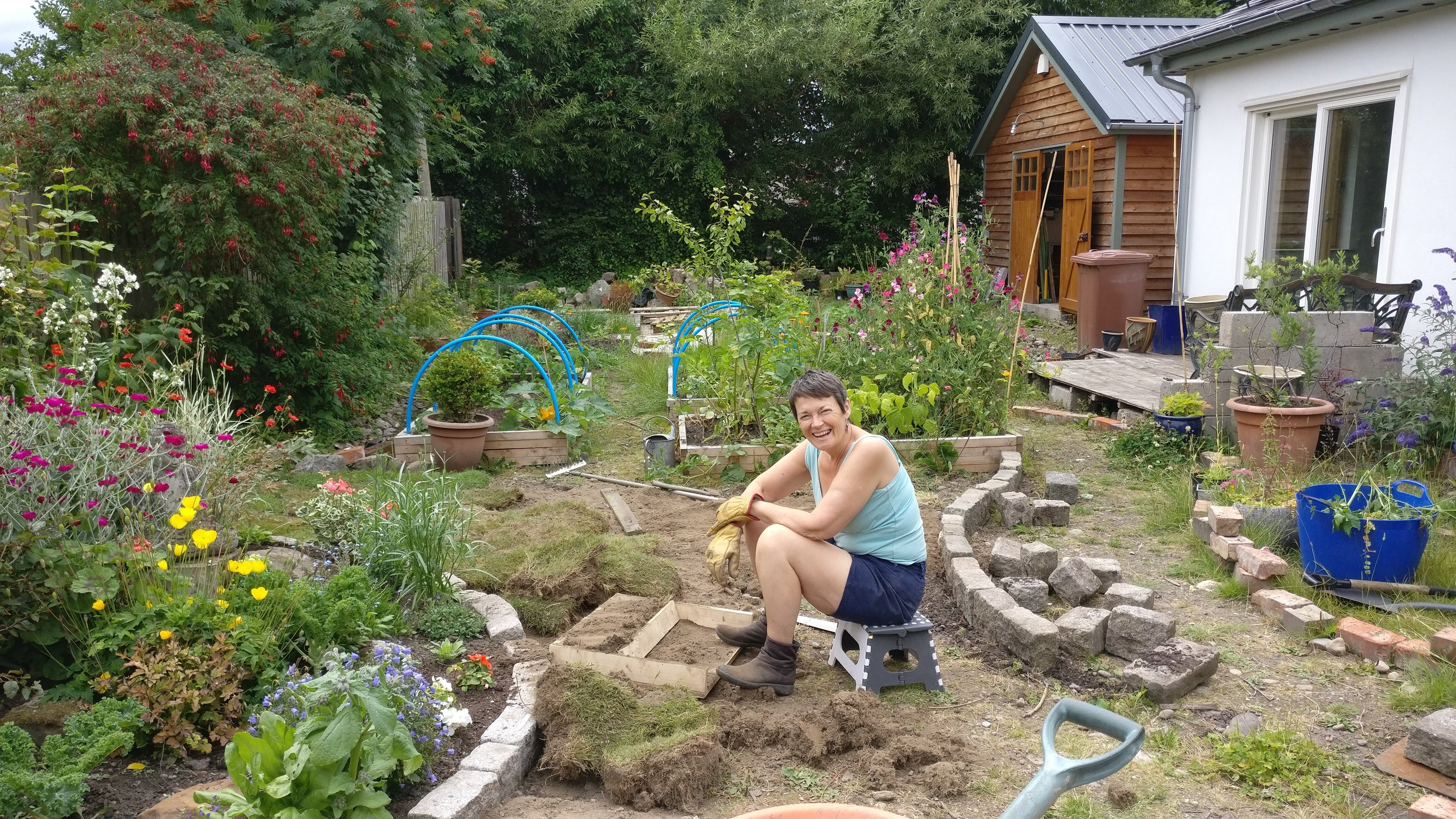
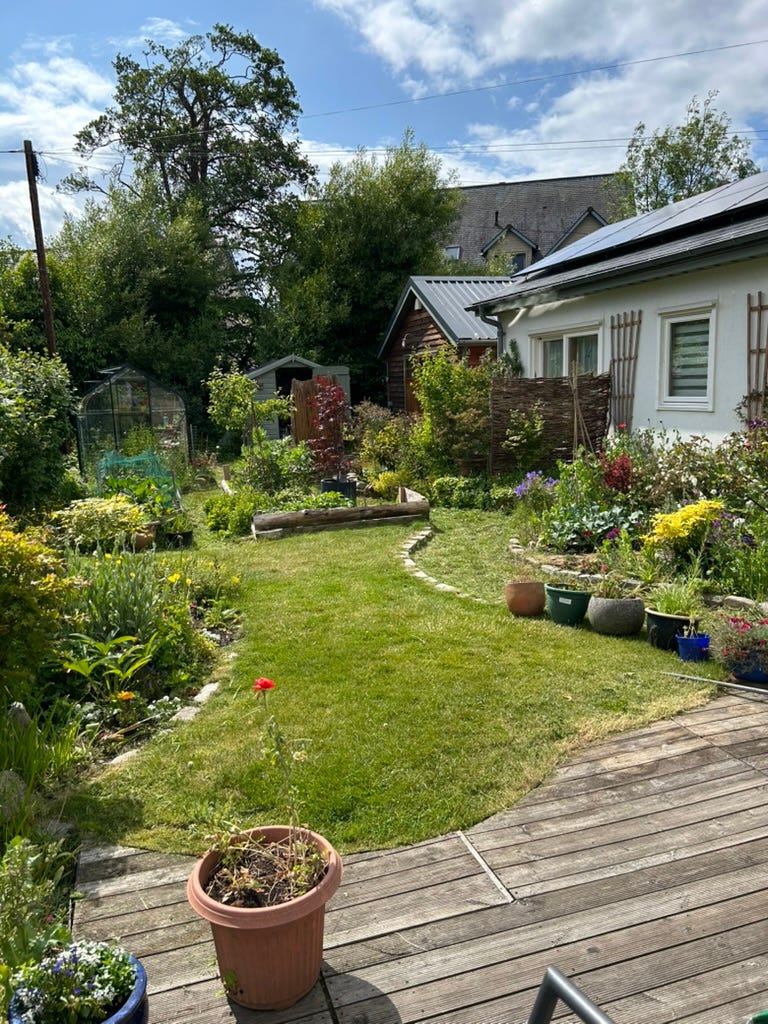
So I got four stars out of a possible eight. How about you? ⭐⭐⭐⭐
I’d argue that none of these are as important as simply enjoying doing whatever you are doing (the benefits of that are incalculable); but if your pleasure and enjoyment happen to coincide with these hobbies, or if you’ve been thinking about doing one of them, then this info is an added bonus to what you were already going to do. And perhaps a nudge to actually do it!
Now, shall I just go off and read my current utterly brilliant and engaging novel (The Maid, by Nita Prose), or pop out into the garden again?
See you next time, lots of love
Comments
Nothing yet. Say the first thing.
Sign in to join the conversation.