
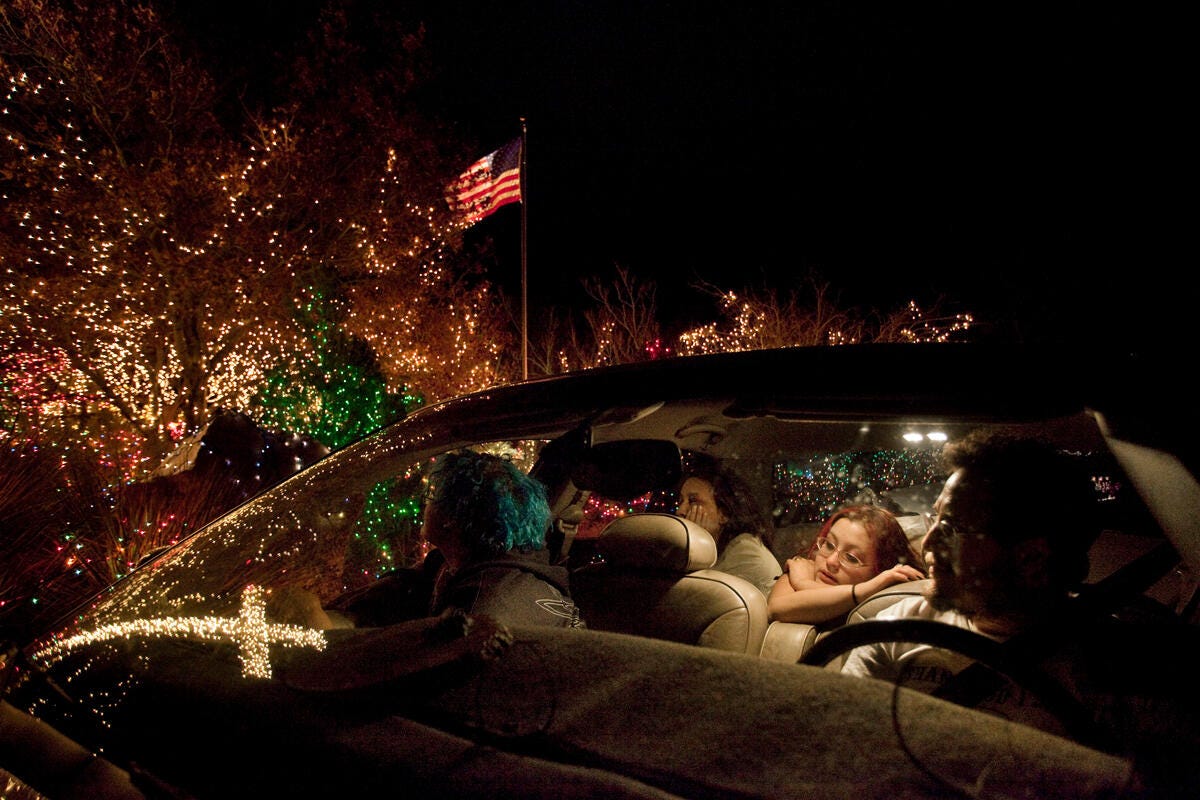
We’ve been discussing in the past two issues of this newsletter our belief that the mighty United States of America is at an inflection point. We’re reached a place where dramatic change is merited. All the fears we instinctively harbor about the unknown, the uncertain, the unproven, about trying something different, pale in the face of the very vivid example we evidence about just how wrong we’ve let our country become. Systemic problems can’t be corrected without embracing new systems.
Belief systems are a place to start. There is a standard give and take in the art world thus: I don’t know art but I know what a like; to which is rejoined: You don’t know what you like, you like what you know. What then do we do when we reach a point where we don’t even like what we know but merely genuflect to it because we’ve been doing it for so long? Dogma is something repeated so frequently for such a long time as to become subliminal truth deeply inculcated and resistant to thought. It just is.
So the many truths in our American belief systems. A nation founded on the principles of the Enlightenment, where individual freedoms are cherished and every man, even the occasional woman, too, can achieve all they are capable of in Life, Liberty, and the Pursuit of Happiness. Where free enterprise and competition created the greatest economy on earth. Where the land of the free and the home of the brave are a beacon of democracy envied and respected the world over. Were they ever and are they still?
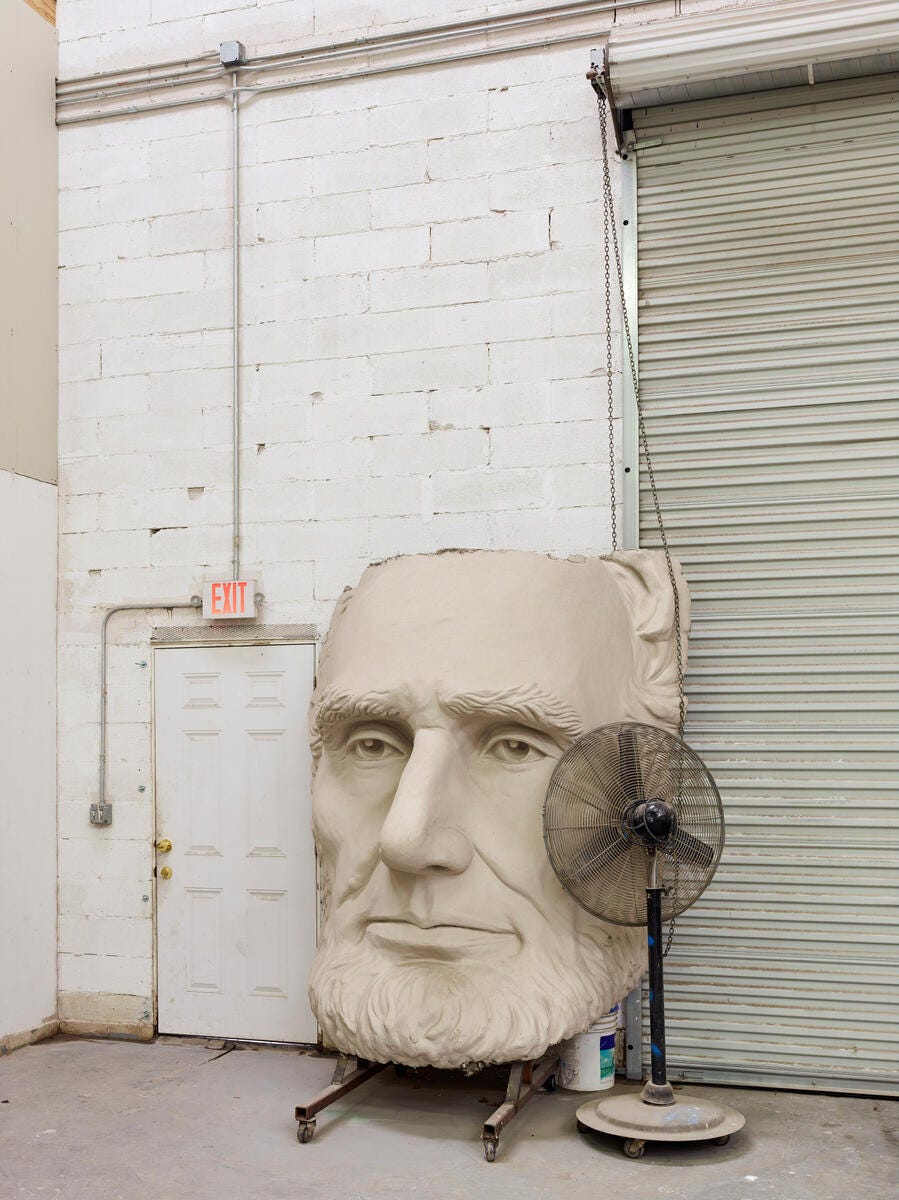
There is a baseball metaphor about people born on third base who think they hit a triple. America is that way. It was created by colonists who fled the landed gentry of Europe and found an isolated place of great riches. It was isolated except for some pesky Indians, who had no resistance to the newly arrived pathogens and despite the formidable opposition they might otherwise have mounted, died off in huge numbers and the rest were summarily defeated. Now the land was ours.
Luck, good fortune, a fortuitous turn of events, so often that is what makes success. The American Revolution created this country from the struggle between European nations vying for control and, in the end, we were what was left. This nation stole a land of vast resources from the people we found here and set about exploiting them, the people and the resources both. We created a successful agrarian society on the backs of slaves and weathered challenges large and small, even a Civil War, to persist.
World War II left the male population of America proud, damaged, and angry. It also made the country rich. This was not the same nation that suffered the Depression and resolved it by going off to war. This was now the most powerful nation on earth. In the mid-Fifties, 2/3rds of all the goods manufactured for sale in the world were made in the United States. Industry created a middle class that was a triumph of capitalism seizing opportunity and sharing the bounty, an apogee of success that was not to last.
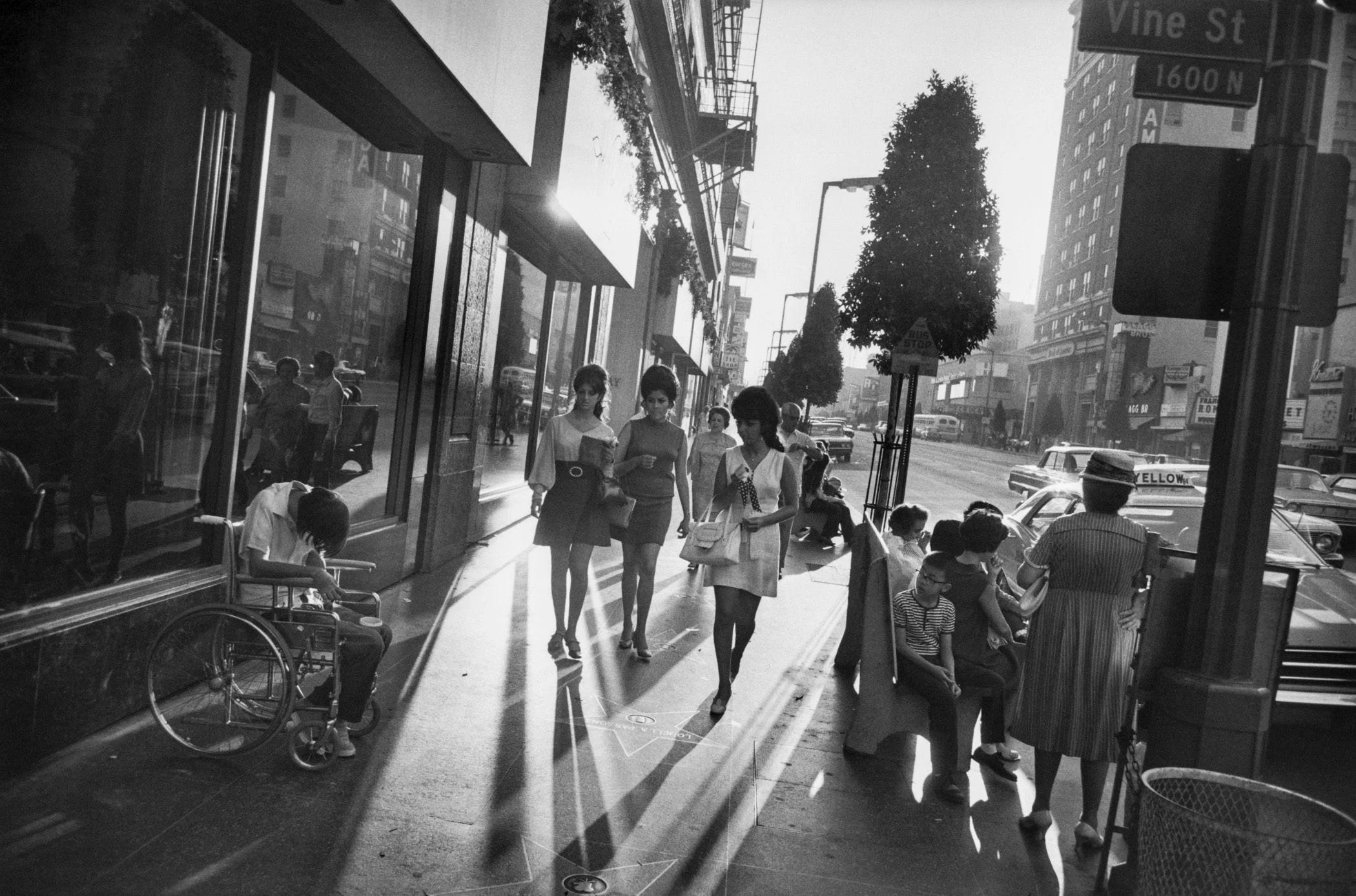
Anger appears to be the defining characteristic of America at 250. We no longer try to keep a lid on it. We exploit it. It gets people elected, keeps the incompetent in office, allows our political leaders to be purchased for pocket change by the very few titans of commerce whose interests they serve. Anger now is so pervasive and so skillfully managed it no longer threatens the powerful with the wrath they deserve for robbing us blind. Kleptocracy has become the ultimate status symbol of our time and place.
They do it because they can. What they want is more. Ever more. They have mastered the system with their lawyers and accountants, media megaphones and especially all those lobbyists who buy the elected officials to legislate them every advantage and less tax on their bounty. They became that powerful by destroying the middle class and siphoning ever greater portions of wealth from a service economy that serves fewer and costs the rest of us more. Elasticity has been stretched to a breaking point.
Do any of us in our heart of hearts not believe we can do better? When the largest block of votes cast is not for Republicans or Democrats but for none of the above; that is, when 36% of eligible voters do not vote as in the most recent presidential election, might we question what is eroding our democracy? Might we suggest that restoring hope and aspiration to those who feel abandoned by this American way of life today might be better motivation than a nation driven by fear, anger, and avarice?
Comments
Nothing yet. Say the first thing.
Sign in to join the conversation.