
Last weekend, I stopped into one of my favorite quirky independent coffee shops in Austin only to learn they were going out of business. The week before, my favorite local karaoke bar closed down.
These aren’t isolated incidents. A few years ago I took a road trip across the United States to find once vibrant cities with vacant downtowns – empty sidewalks, abandoned buildings, no community spaces.
I watched the 90s sitcom Friends the other day and felt nostalgic for the “good old days” of hanging at cafes, buying music at record stores, talking to strangers, and never knowing what each night would bring.
These days, more and more young people are isolated in bedrooms, eyes glued to iPads, facing a dating scene and job market that feel impossibly broken. LinkedIn feels increasingly dystopian as unemployed professionals scream into the void of a rapidly changing economy pivoting toward artificial intelligence and automation.
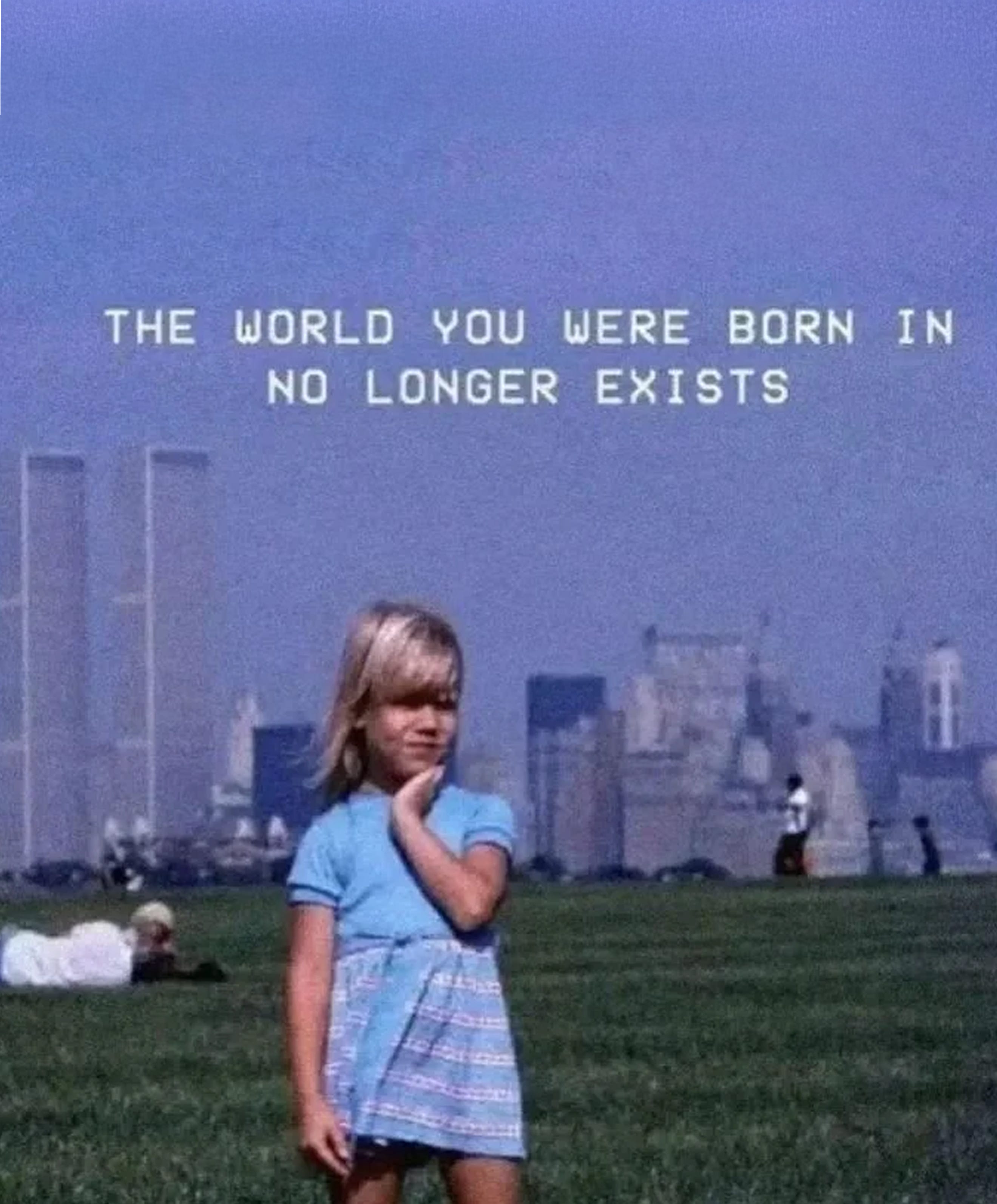
All of this change makes me sad. The future feels increasingly uncertain.
In times of distress, I bring my attention to the natural world, which reminds me that nothing ever truly dies – it just changes form. The waste of rotting produce becomes compost for regeneration.
Aristotle said, “Nature abhors a vacuum,” meaning the removal of one element will be filled by another to achieve equilibrium. As a believer in the enduring spirit of human creativity, I can’t help but wonder what new ideas, art, businesses, and community spaces will emerge from the decomposition of old norms.
The thing is – although systems are breaking down, there’s still plenty of work to be done. Roads need to be fixed, gardens need to be planted, wisdom and knowledge need to be shared, and people still need to dance, read poetry, and gather in community.
The problem is that our economic incentives are out of balance, prioritizing profit over people and replacing true service with abstract spreadsheet margins. In an age of AI, automation, and algorithms, our task is to become even more human.
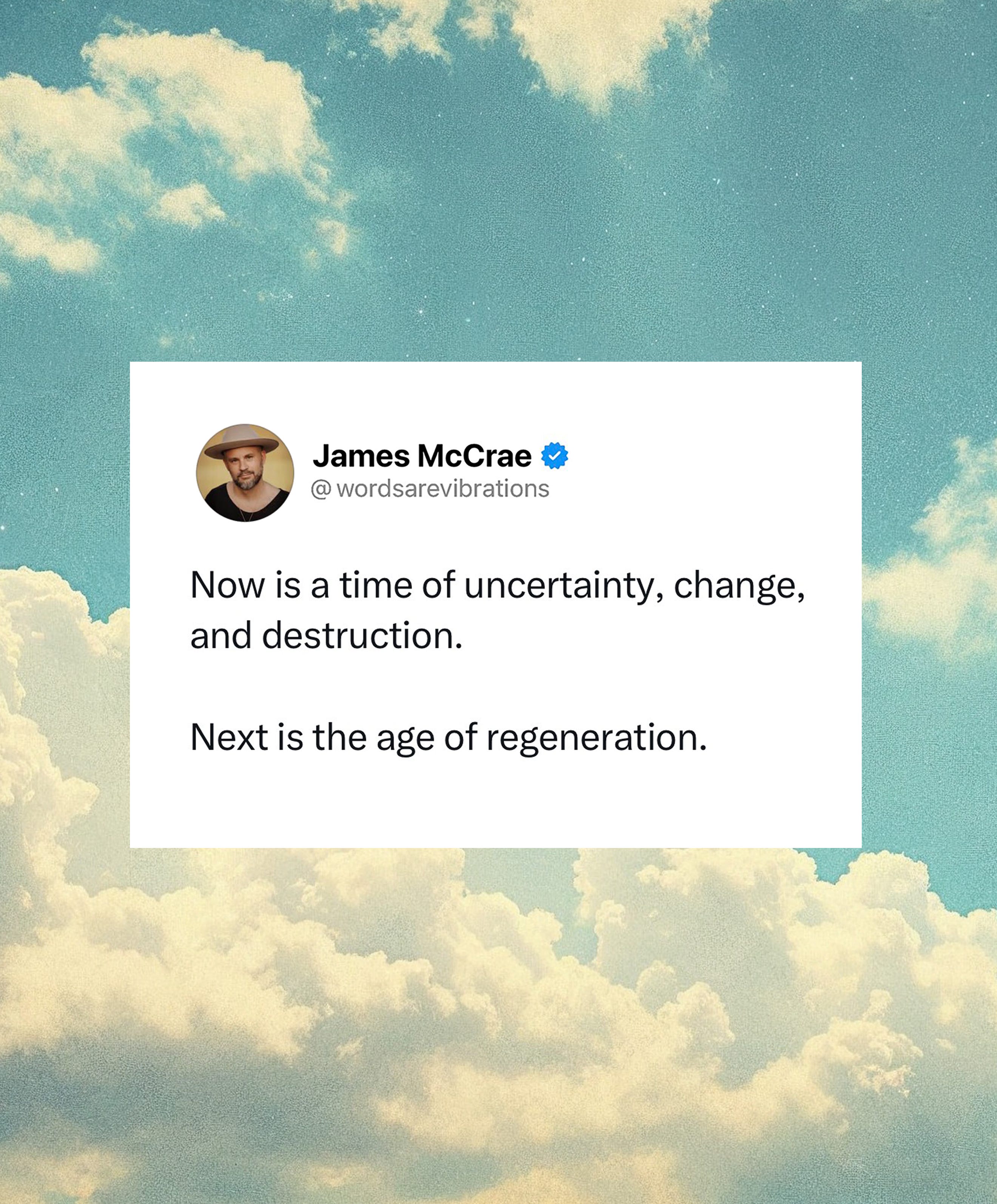
“Renaissance” is the French word for rebirth. When western civilization was stuck in the Dark Ages, innovative thinking across the fields of science, mathematics, painting and theater led to a rebirth of culture.
The Renaissance wasn’t only the work of a few geniuses like Leonardo Da Vinci. It was a cultural, grassroots movement. The fall of Rome and subsequent Dark Ages had created a vacuum which the European people filled with new ideas, resurrecting the ideals of Greek classicism into the present, leading to the historical movement known as the Age of Enlightenment.
Times of transition are never easy. If you’re feeling lost, sad, or unsure how to navigate an uncertain future, you’re not alone. But what dies becomes fertile soil for rebirth.
What is the art, business, mythos, or community you want to regenerate from the compost? The world needs what you have to share.
Creator Academy kicks off in one week.
This 6-week virtual program is designed to help writers, artists, and conscious entrepreneurs awaken their creativity, find their style and voice on social media, grow an authentic online brand, and monetize their message.
What people are saying:
“Hands down one of the best courses I’ve ever taken.” – Genesis
“This was way more than just a branding course. It was a full-on spiritual journey.” – Malika
“Working with James was the catalyst I needed.” – Carlyn
Because it’s been a tough time financially for so many, I’ve made this my most affordable Creator Academy yet.
Only $222 or two installments of $111.
Join live or go at your own pace.
Sunflower Club Virtual Community
A diverse and global platform for writers, artists, outsiders and dreamers to gather, learn, create and share. Join the club.New Book – The Art of You: Reclaim Your Creativity
My new book explores the full spectrum of conscious creativity, from cultivating intuition to developing your style to launching your work. Get your copy.
No posts
Comments
Nothing yet. Say the first thing.
Sign in to join the conversation.