
While finding a date that would work for both of us might not be as long as Homer’s journey, it felt that way. Nevertheless, my wife and I finally made it to an IMAX 70mm full-length film presentation of Christopher Nolan’s interpretation of The Odyssey. We were rewarded with a three-hour epic retelling of Odysseus’ journey. Yes, one could critique various aspects of this film (and others have), but overall, I think it captures the quest quite well.
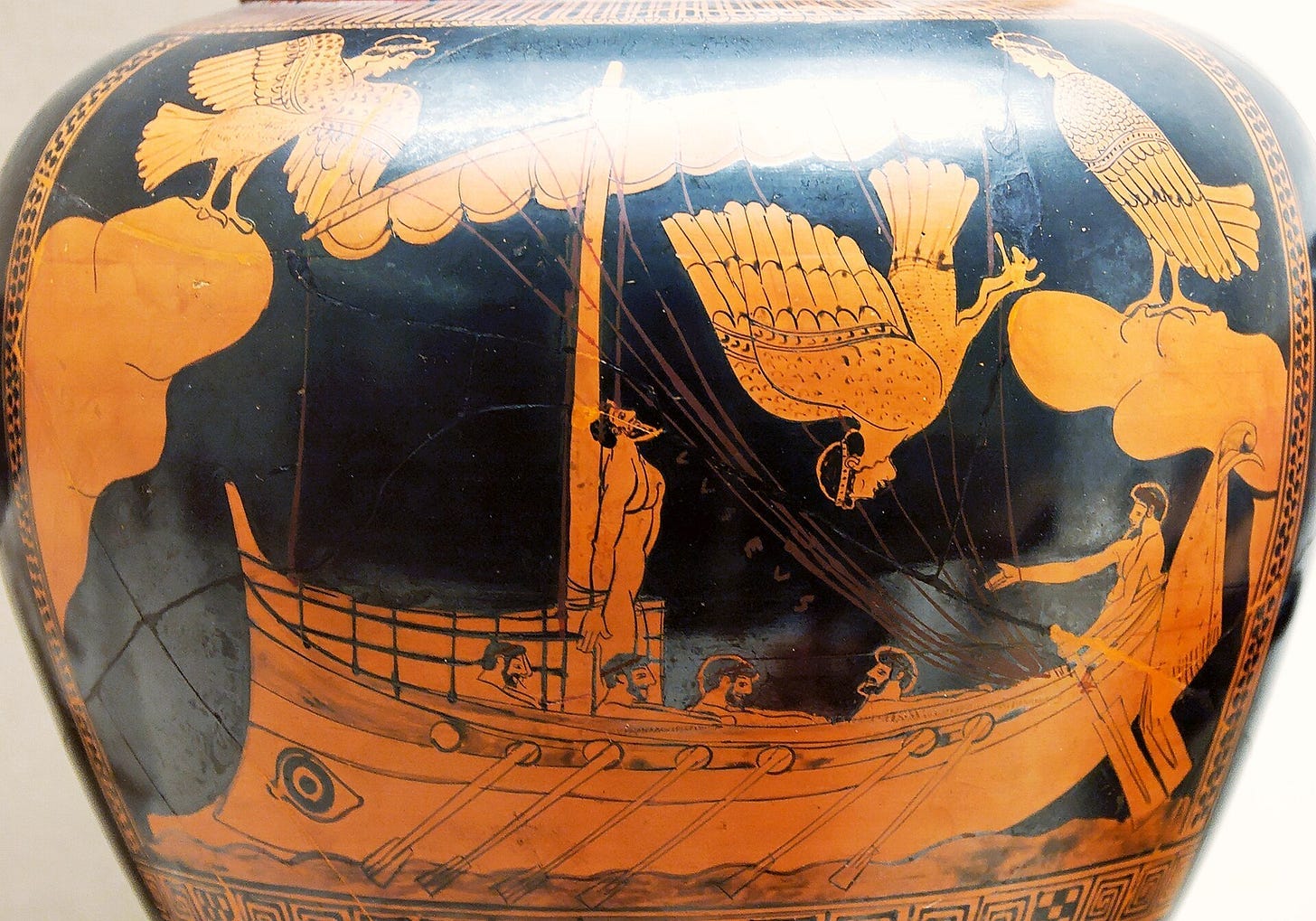
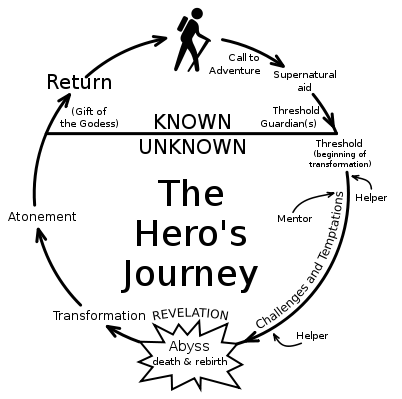
But the Odyssey is not simply a single story about a man’s quest to return home; it is the story, the epic mythological quest of humanity. As Joseph Campbell reminded us in his Hero with a Thousand Faces and Maureen Murdock in The Heroine’s Journey, these ancient tales are foundational to our souls.
We can see the writings of Shakespeare, J.R.R. Tolkien, and Alice Walker through this paradigm. You could add the stories of Buddha, Moses, and Jesus to the list. The pattern of a call to adventure, the challenges along the way, reconciliation, and the return home with something new to offer is the human search for the soul.
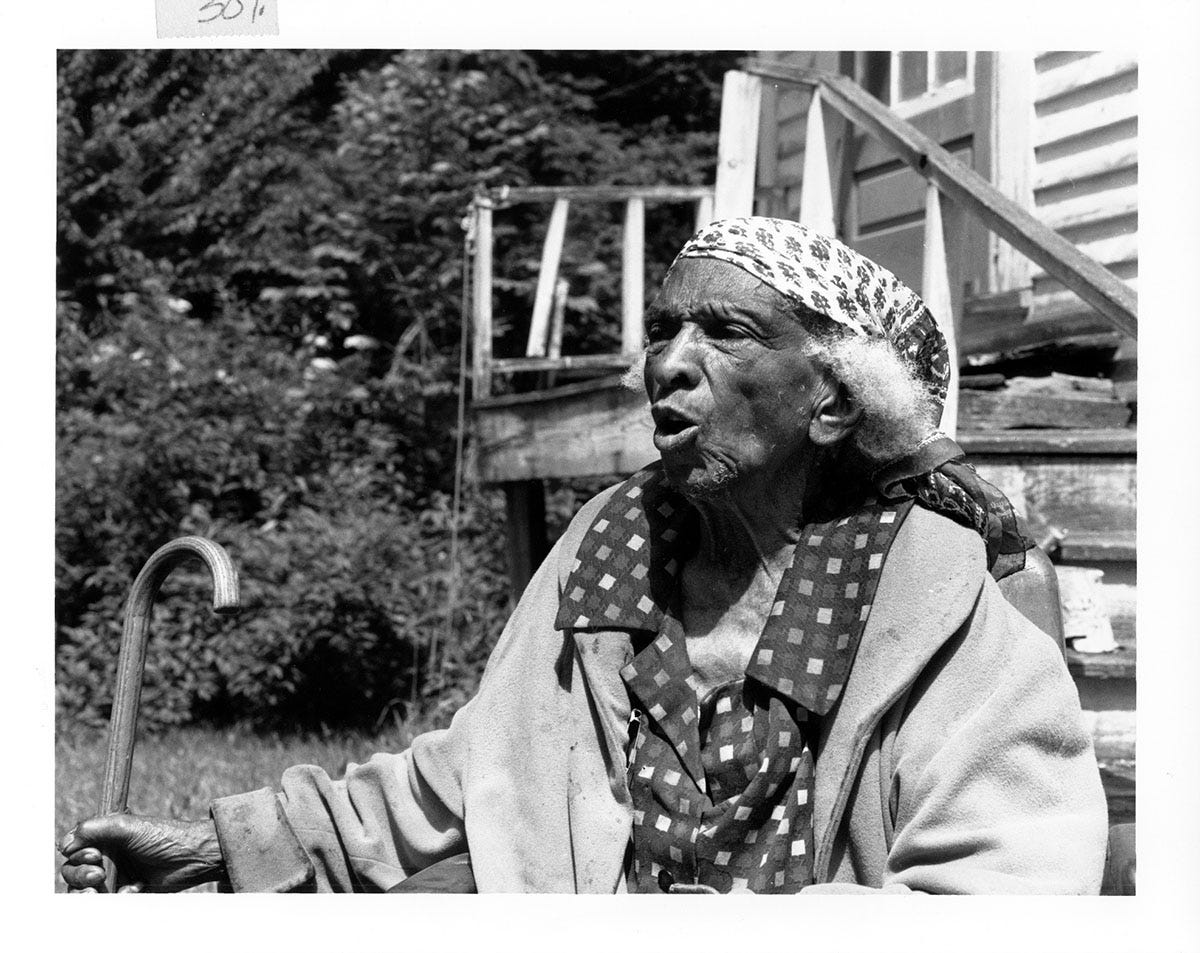
During a recent whirlwind summer vacation tour of the New England states (plus Montreal), I stumbled upon another hero’s journey in a small town in Vermont. On the bookshelf at the Grafton Inn, I found a copy of Daisy Turner’s Kin: An African American Saga. Like Homer’s Odyssey, this story is rooted in oral tradition, this time told through the eyes of Daisy, a daughter recalling the epic of her parents’ and grandparents’ quest to find a home. Within this heavily researched and footnoted text lies an amazing tale that parallels, and at times rivals, The Odyssey.
The story begins off the coast of Africa in the early 1800s, when an English captain’s wife is the sole survivor of a shipwreck. Brought to shore and nursed back to health by women in a remote African village, she soon bears a son with a member of a royal tribal family. That son becomes an esteemed and learned figure, later deceived into boarding a slave-trading ship, where he navigates the seas aboard an aptly named boat, the Fenix (aka Phoenix). From there, he is sold into slavery and relocated to Virginia, where, in time, he is favored by his relatively benevolent master, marries a Cherokee woman, and together they raise a family. One of those sons rises like his father, eventually escapes from bondage, and joins the Union Army in the Civil War. In the postwar years, he, too, marries and raises a family, eventually moving to Grafton, Vermont, and overcoming racism through his intellect, physical prowess, and leadership skills. His name is Alec Turner, and in time, he becomes a beloved member of the Grafton community.
Daisy Turner, one of Alec’s daughters, narrates this tale, along with her own heroic adventures, such as being the first African American to file and win a court case in Massachusetts in the early 1900s. No small achievement as a black woman facing an all-white, all-male jury in 1927. Author and folklorist Jane Beck recorded multiple conversations with the 100-year-old Daisy, and followed up with research, DNA testing, and detailed fact-finding to authenticate this epic. The book is a bit cumbersome at times as the research details can get in the way of the story, but the central thread is the Odyssey for a new era.
My summary doesn’t do justice to this hero’s journey, which includes many delightful and harrowing encounters along the way, not unlike Odysseus. In some ways, it’s a kind of Forest Gump tale about the history of slavery, freedom, and human ingenuity. How this hasn’t been made into a movie or a Netflix series surprises me. Oprah, Jordan Peele, or Shonda Rhimes, are you reading this? There’s a movie waiting to be made.
Homer’s telling of the Odyssey is not simply a tale of a single man setting out on a quest, encountering obstacles, and returning home with newfound wisdom; it is our story. This pattern holds for the young boy or girl starting a new school year. They will encounter their own versions of the Cyclops, temptations, and shipwrecks. The return home after that year will leave them changed, for better or worse, or, more likely, a combination of both. This is also our life story through the years of youth, middle age, and seniority. Hopefully, we come to view this life as an epic tale connected to the other great stories of Homer, John Milton, Toni Morrison, or Gabriel García Márquez. And in our latter years, may we look back to see where we have come and the maturity we have gained by fighting those battles and learning from our own flaws and hubris.
Achieving this successfully demands both courage and humility. Currently, public role models demonstrating this balance are scarce, though a few notable individuals come to mind, like Kareem Abdul Jabbar, Tom Hanks, Oprah, and the late Mary Oliver. After recently attending a Brandi Carlile concert and starting her memoir, I feel inspired by how she poetically shares her personal journey with wisdom and honesty. Is she a representative of a new generation living into the hero’s journey?

We live in a culture where challenges seem like obstacles to be avoided. But the characters in all the great tales did not run from challenges; they went into them. Crosses were meant to be entered fully, only to emerge on the other side…changed. The number of times Christopher Nolan’s film presents a choice between running from the obstacle and going through it is uncanny, and, to me, it is the most significant aspect of the film. Odysseus errs along the way (as we all do) but prevails in the end and returns home because he faced the whirlpool, went down to Hades, and gave himself over to the open ocean. All these metaphorical challenges should remind us that whether your name is Alec Turner, James Hazelwood, or (fill in your name here), we are all on a quest. Arriving home might be the goal, but it is how we travel the journey that makes all the difference.
More to Come,

James Hazelwood is an author, photographer and storyteller. He lives in Rhode Island. www.jameshazelwoodphoto.com
Comments
Nothing yet. Say the first thing.
Sign in to join the conversation.