
A common summer activity here along Rhode Island’s coast is venturing out into the Salt Ponds to clam. People wade in wearing boots or old sneakers, bent over like human question marks, prying quahogs from the muck. At the end of the day, you are sure to come home smelling of low tide and, against all reason, feeling strangely happy. There is something mud teaches you.
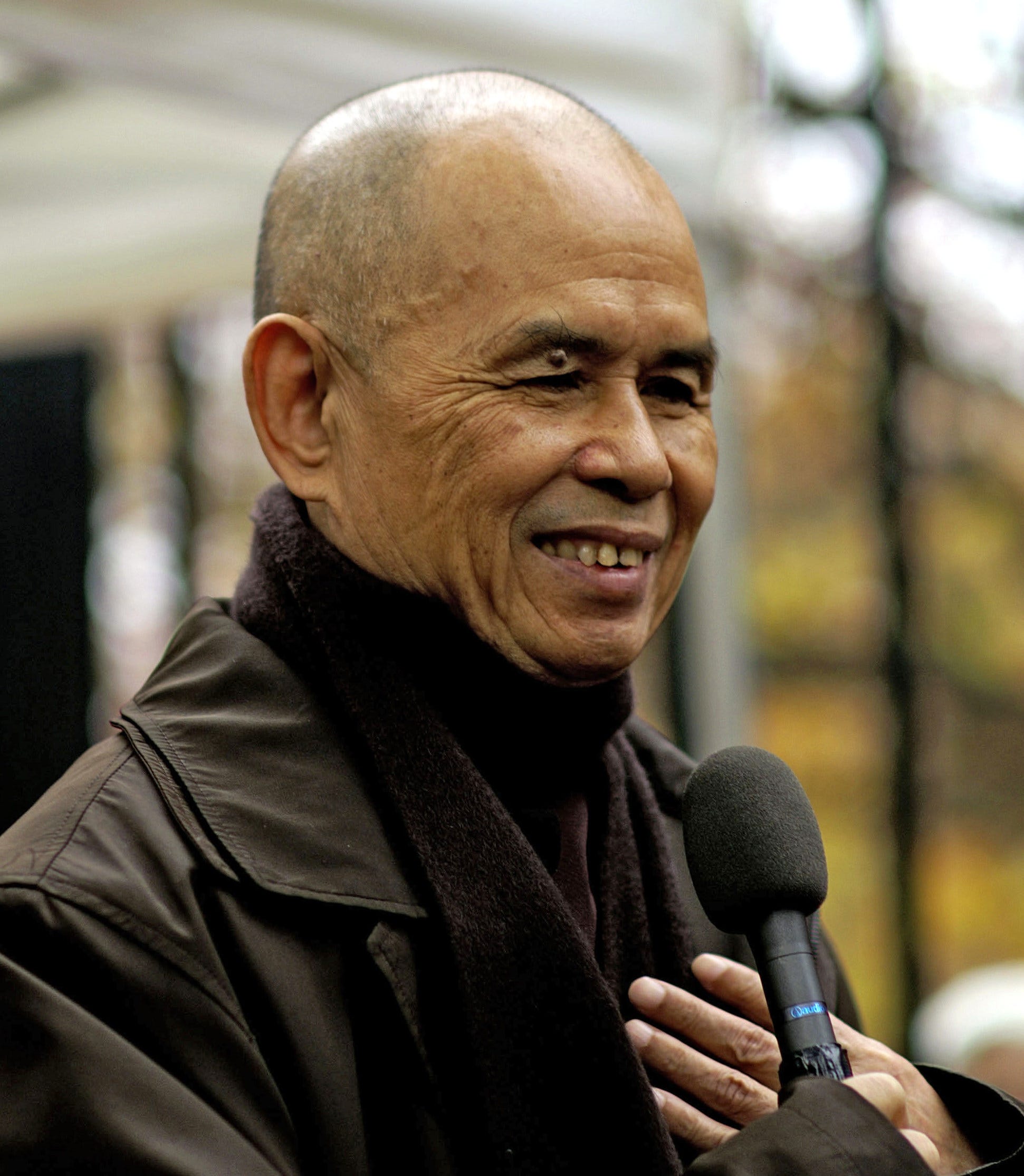
Mud has been on my mind lately. It started when I read a slim book by Vietnamese Zen teacher Thich Nhat Hanh, titled No Mud, No Lotus. If you’re unfamiliar, Thich Nhat Hanh was one of the most influential Buddhist teachers of the 20th century. He was a Buddhist monk exiled from Vietnam during the war, the founder of Plum Village in France, and an advocate for engaged Buddhism—an approach that actively addresses real-world suffering rather than remaining detached. His central metaphor in this book is simple: the lotus flower, celebrated in Buddhist art for its beauty and purity, doesn’t grow in clean water. It requires mud, decay, and darkness pressing around it before it seeks the light. His underlying message is that we can’t eliminate suffering and expect happiness to follow in the empty space. Suffering, he suggests, is the very soil in which growth occurs.
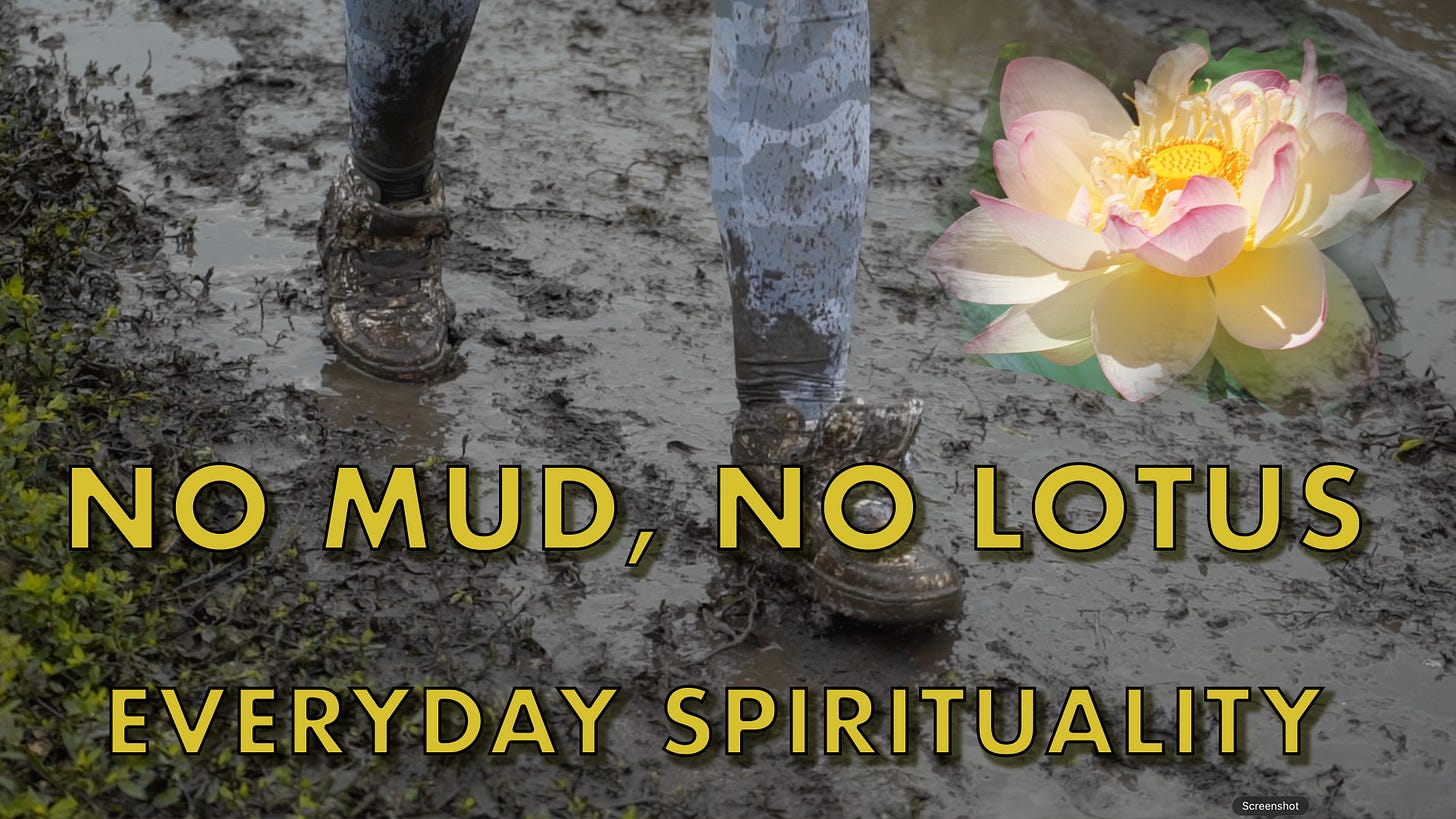
I made a short 6-minute video introducing the idea. Here it is.
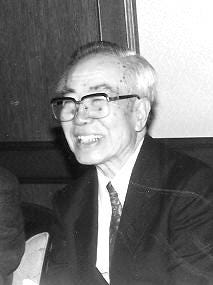
Then, over dinner one night, as I described the No Mud No Lotus video I had been producing, my wife reminded me of a piece she had written on Kazoh Kitamori’s Theology of the Pain of God. Kitamori is a name you have probably never heard. He was a Japanese Lutheran theologian who, writing in 1946 in a country reduced to ash and grief after World War II and the destruction of Hiroshima and Nagasaki, built an entire theology around a single verse in Jeremiah, in which God’s heart is described as being in pain over the ancient Hebrew people.
“Oh! Ephraim is my dear, dear son,
my child in whom I take pleasure!
Every time I mention his name,
my heart bursts with longing for him!
Everything in me cries out for him.
Softly and tenderly I wait for him.” Jeremiah 31:20
From that verse, Kitamori spins out a bold claim. The heart of the gospel, he says, is not that God swoops in to make our pain disappear. It’s that God himself suffers. The cross is not a magic trick that erases suffering from a distance. It is the place where God’s love and God’s wrath collide, producing something we can only call pain, God’s own pain, given for us.
As we look around our world and across the landscape of these times of war, economic dislocation, and attempts to undermine democracy, I confess that at times I feel the angst of it all. I wonder where this will lead. Clearly, we live in a time of pain, or at the very least a time of murky mud. I’m wondering how Kitamori and Nhat Hanh might help us. Both authors focus on the aftermath of war. Neither offers an easy solution nor a quick escape from suffering. Instead, both emphasize, in their own ways, that suffering isn’t an obstacle to healing; rather, it is the foundation from which healing arises.
Where they differ, I think, is where things get genuinely interesting. Thich Nhat Hanh needs no God to make his case. Suffering transforms through mindful attention, practice, and learning to sit with the mud without drowning in it or pretending it isn’t there. Kitamori, on the other hand, locates pain within God’s own heart. For him, redemption isn’t something we practice our way into. It’s something given to us by a deeply compassionate God who hurts. One tradition asks us to become skillful gardeners of our own suffering. The other tells us we have a gardener who suffers alongside us.
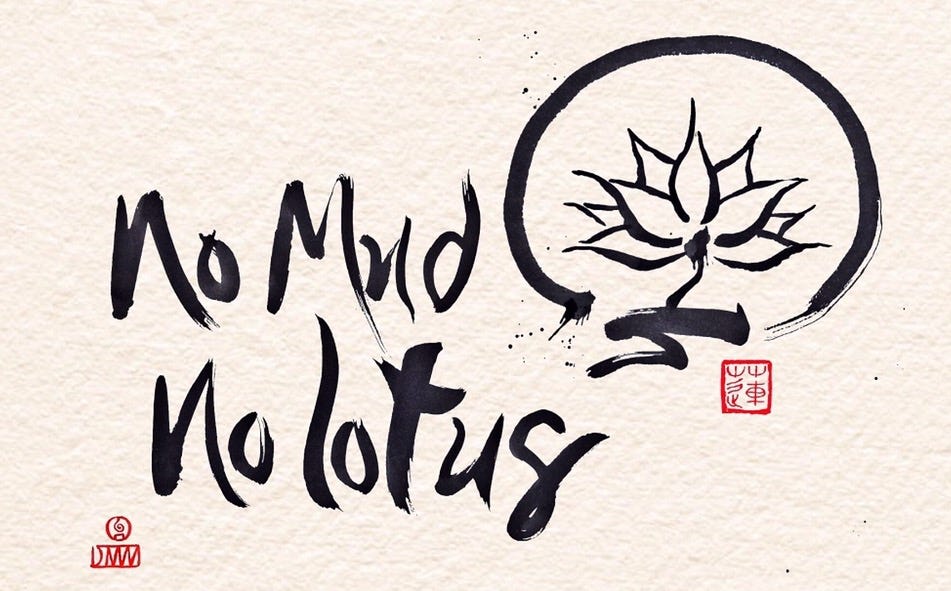
I don’t have this all figured out yet, not by a long shot. I’ll admit that some mornings I’ve sat and can’t decide whether I am a Buddhist, a Lutheran, or simply confused. But I have a hunch that somewhere between the mud that makes the lotus and the pain that lives in the heart of God, there is something true about how healing works.
So, this is an invitation, as much as anything.
Let’s go digging in the mud for clams or lotus flowers. Those are the gems where the interesting things are buried. I’m interested in your ideas, stories, and perspectives. You can reply to this email or post in the Substack app.
More to Come
Comments
Nothing yet. Say the first thing.
Sign in to join the conversation.