
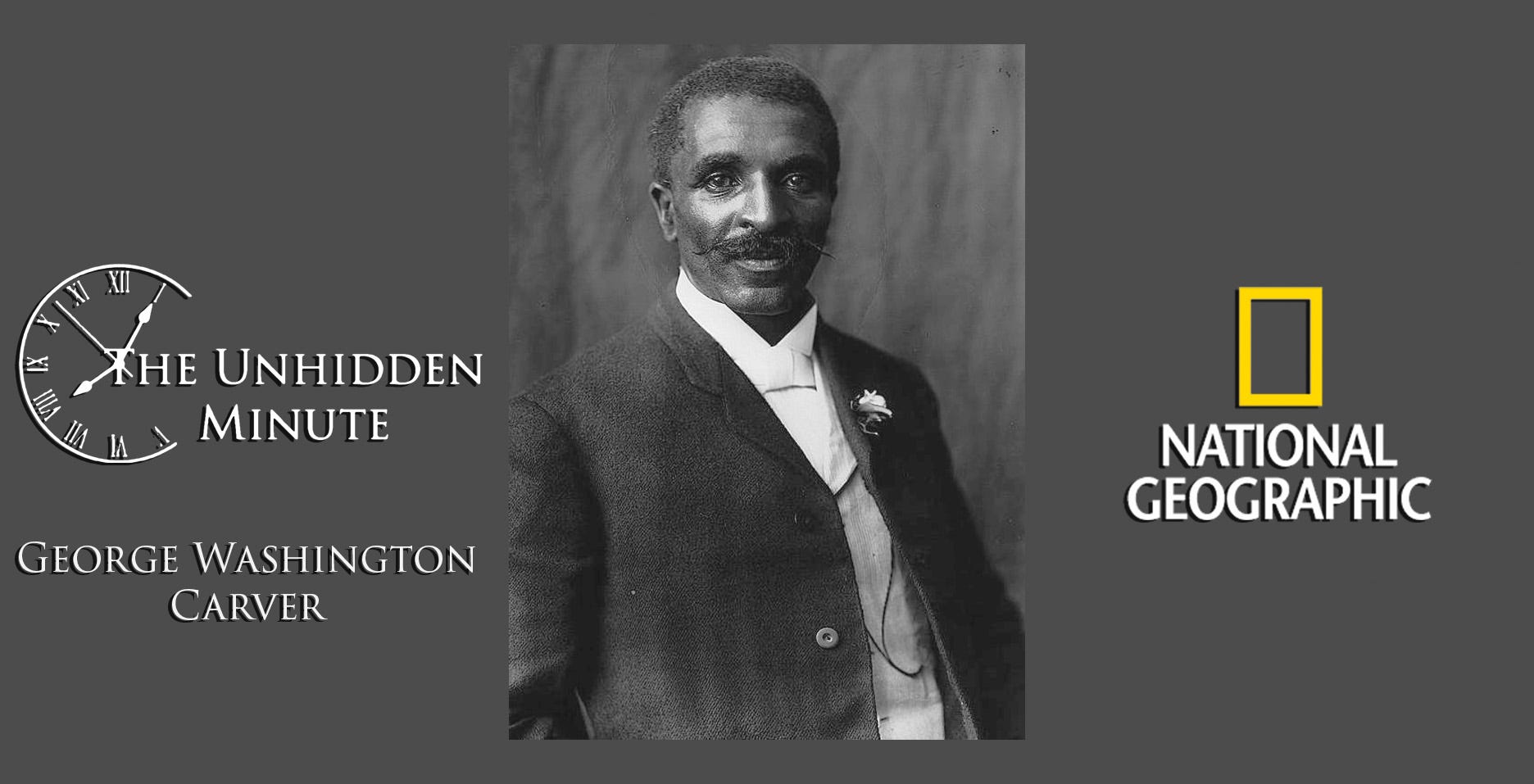
Born into slavery around 1864, George Washington Carver became one of America’s most influential agricultural scientists. At Tuskegee Institute, he taught farmers to restore soil exhausted by the cultivation cotton through crop rotation, composting, and planting alternative varieties such as peanuts and sweet potatoes.
While many remember Carver for discovering hundreds of uses for peanuts, his greatest contribution was demonstrating that conservation, education, and economic opportunity could work hand in hand. Carver’s work was not simply about inventing new products. It was about conservation, self-sufficiency, and helping poor Southern farmers protect both their land and livelihoods.
In 1943, Congress established George Washington Carver National Monument in Missouri—the first unit of the National Park System created specifically to honor a Black American. Today the monument stands as a reminder that stewardship of the land is also how we can take care of one another. Carver’s legacy affirms the belief that caring for the earth can also be an act of justice.
The Joy Trip Project celebrates the enduring legacy of Black American History. The Unhidden Minute is part of the Unhidden Podcast Project supported through a National Geographic Explorer Grant from the National Geographic Society, with the cooperation of the National Park Service. This series elevates the untold stories of Black American historical figures, events and cultural contributions.
#unhiddenblackhistory #NationalParkService #yourparkstory #NationalGeographic #unhiddenminute
Become a paid subscriber to the Unhidden Minute Podcast for one year and receive a copy of The Adventure Gap: Changing the Face of the Outdoors 10th Anniversary Edition by James Edward Mills.

Comments
Nothing yet. Say the first thing.
Sign in to join the conversation.