
In early 2017, I travelled half the world gathering material for Space Caviar’s installation Player Piano: A Subjective Atlas of a Landscape of Labour at the Biennale Internationale Design Saint-Étienne. I published my travel diary on a now defunct blog, and are reposting them here since a lot of the places and themes are relevant for later writing.
The installation consisted on video material from 33 places and objects related to the history of the design of labour, i.e places important to our idea of what constitutes work. I shot the video material for most of these sites, and covered something like 25 countries over 3 months. Read more about the installation here.
The material forms the basis of an Archive of Abraxa, with new objects and places added continuously. This archive will eventually be published. If you are interested in using any of the material for your work, please reach out.
Locations in this post:
Uros Khantati, Lake Titicaca, Peru
Dún Chaoin, Dingle, Ireland
Cragside, Northumberland, England
Ferry between Dürres, Albania and Bari, Italy
Bus between Milan, Italy and Basel, Switzerland
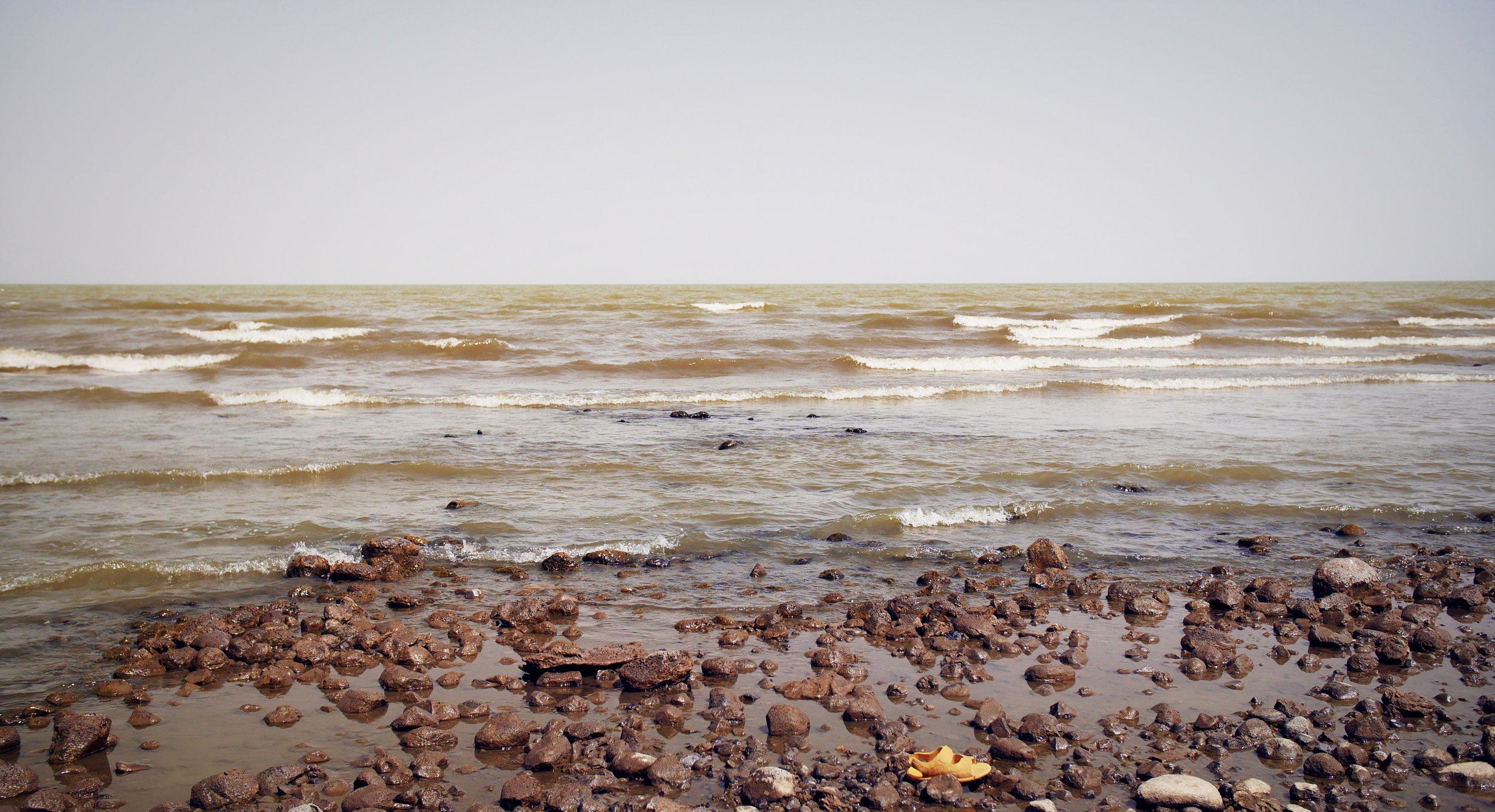
Lodwar, Turkana Land, Kenya
The Magic Kingdom Park, Orlando, Florida, USA
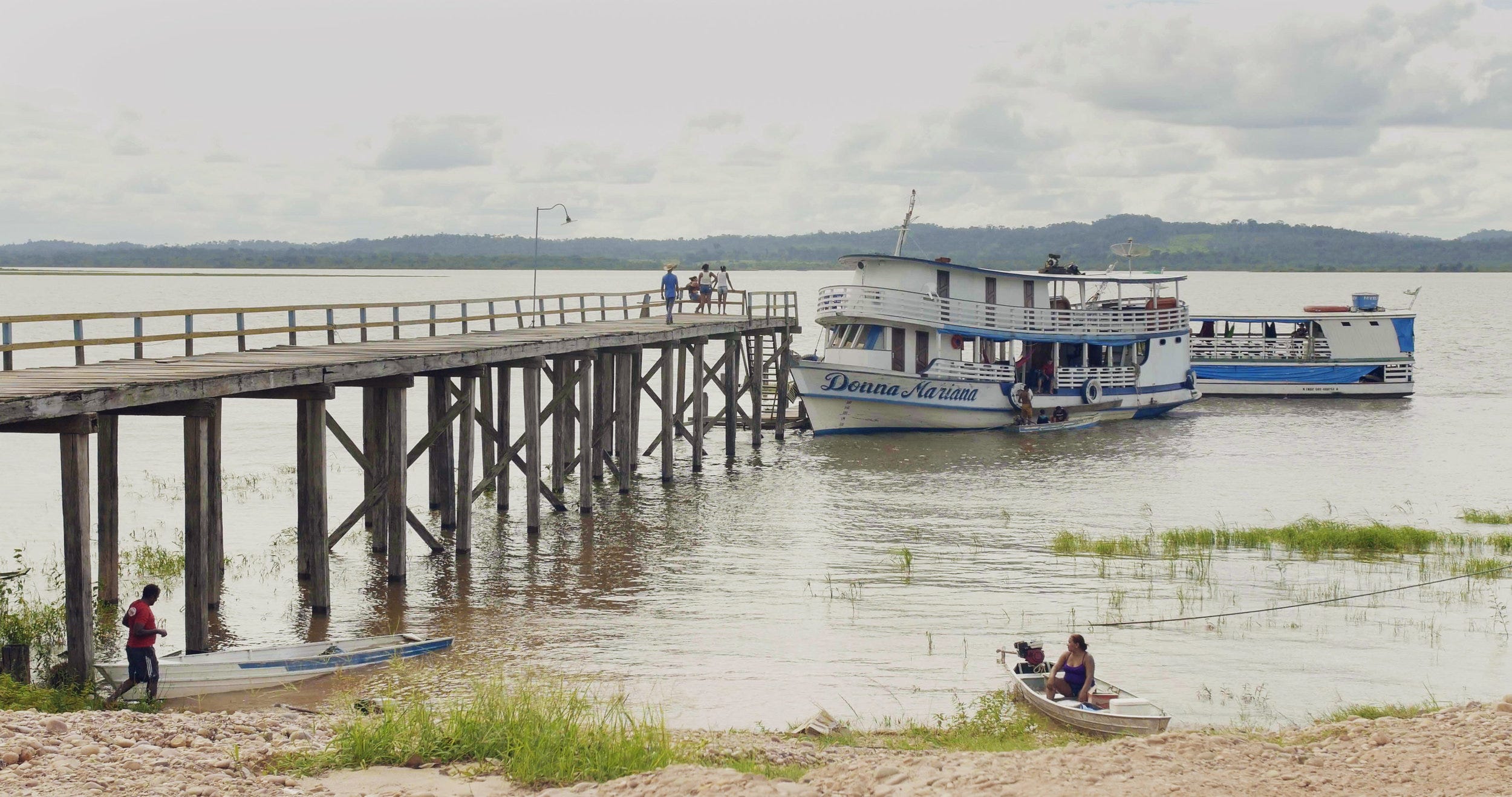
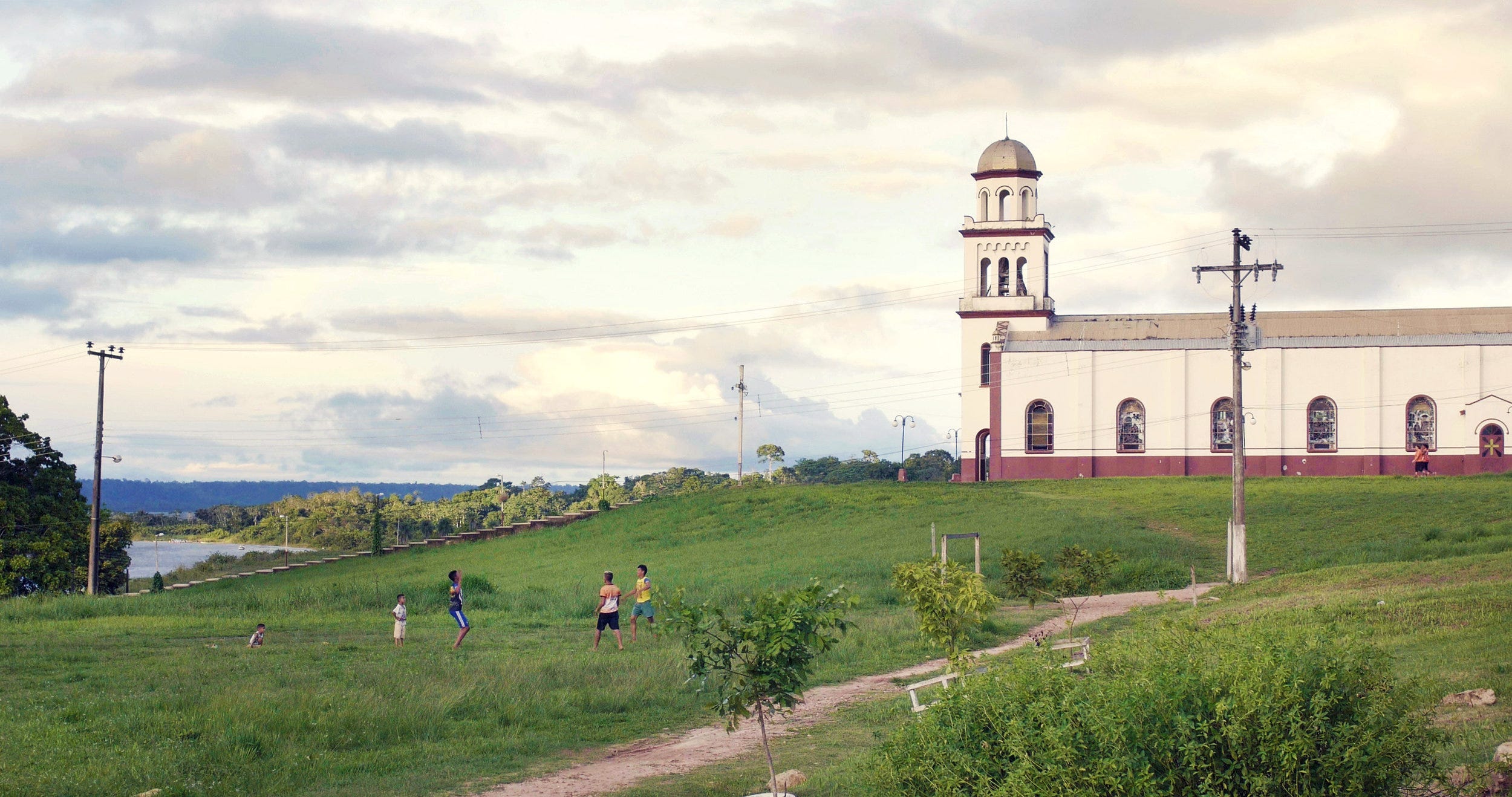
Santarém, Pará, Brazil
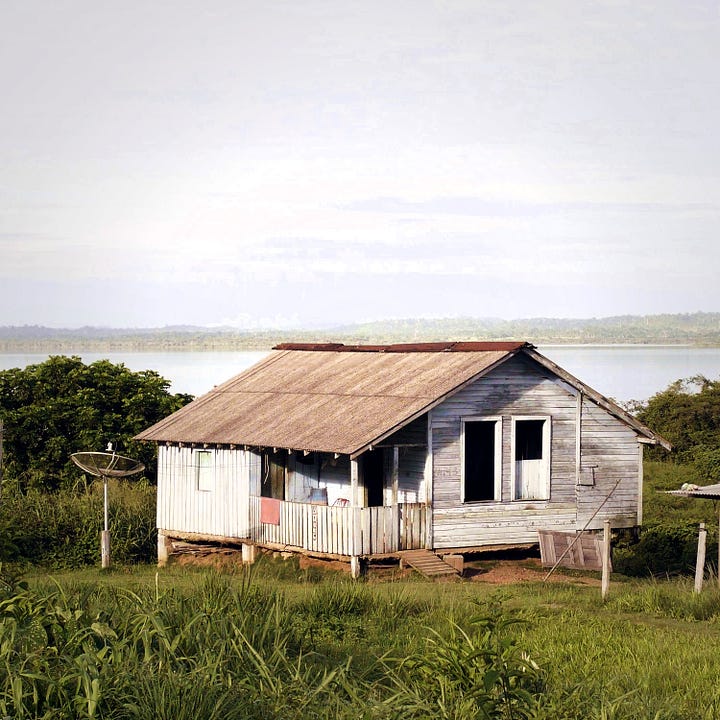
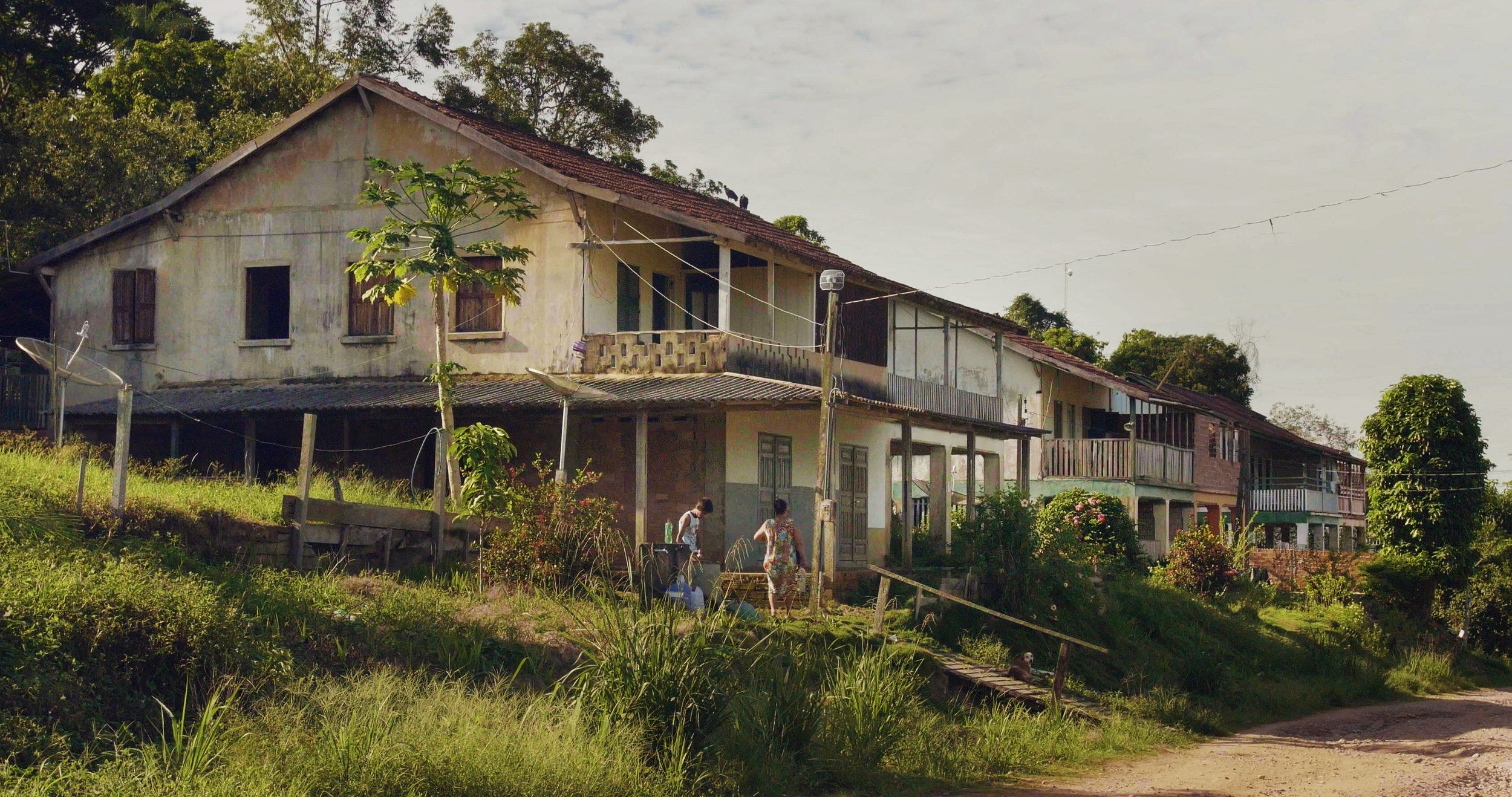
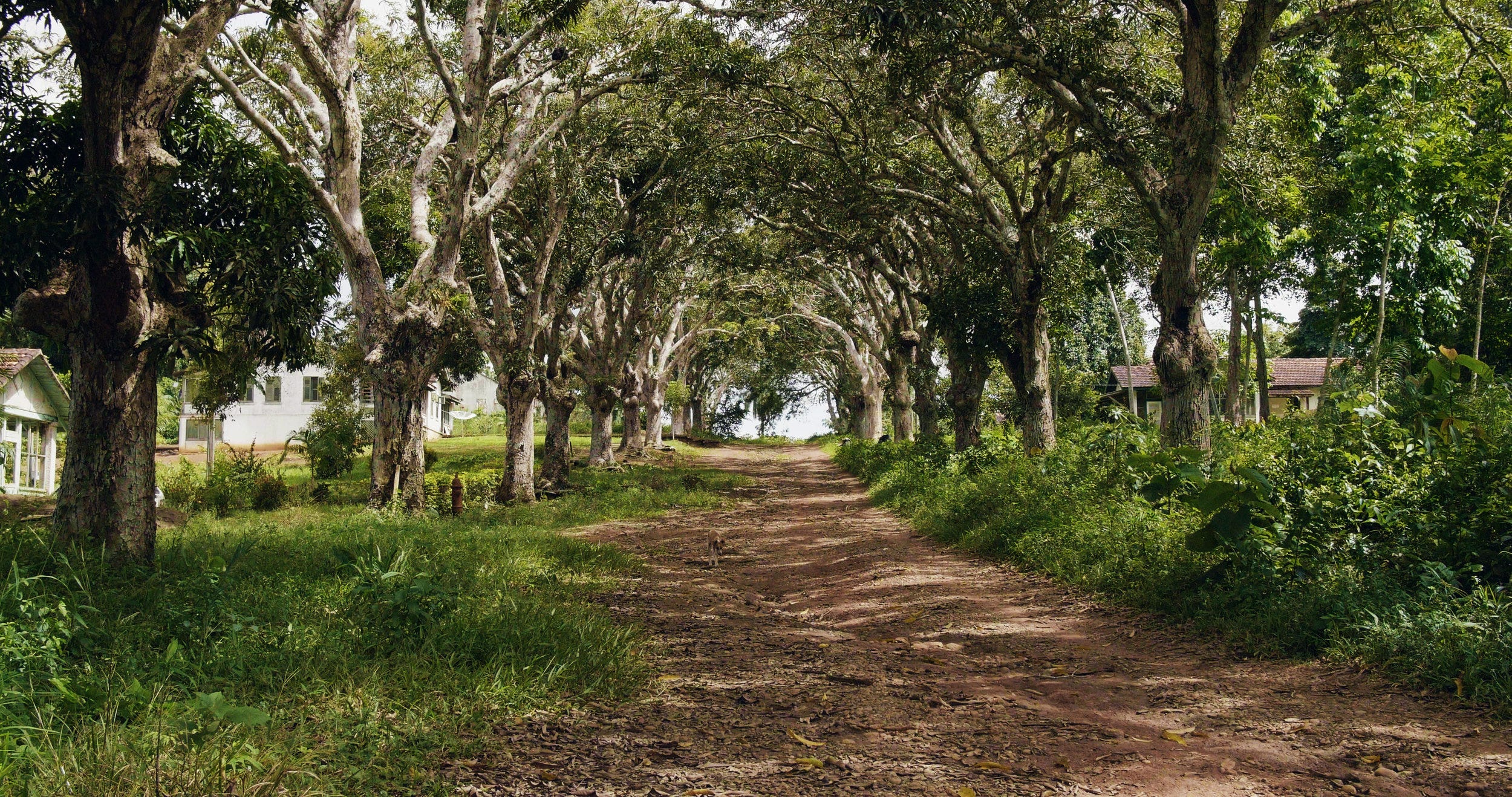
Belterra and Fordlandia, Pará, Brazil
Lima’s airport has double speaker announcements, two voluble Spanish voices jostling over the passengers attention, impossible to discern a word, especially if you don’t speak Spanish. I’m flying to the floating islands in the mountains.
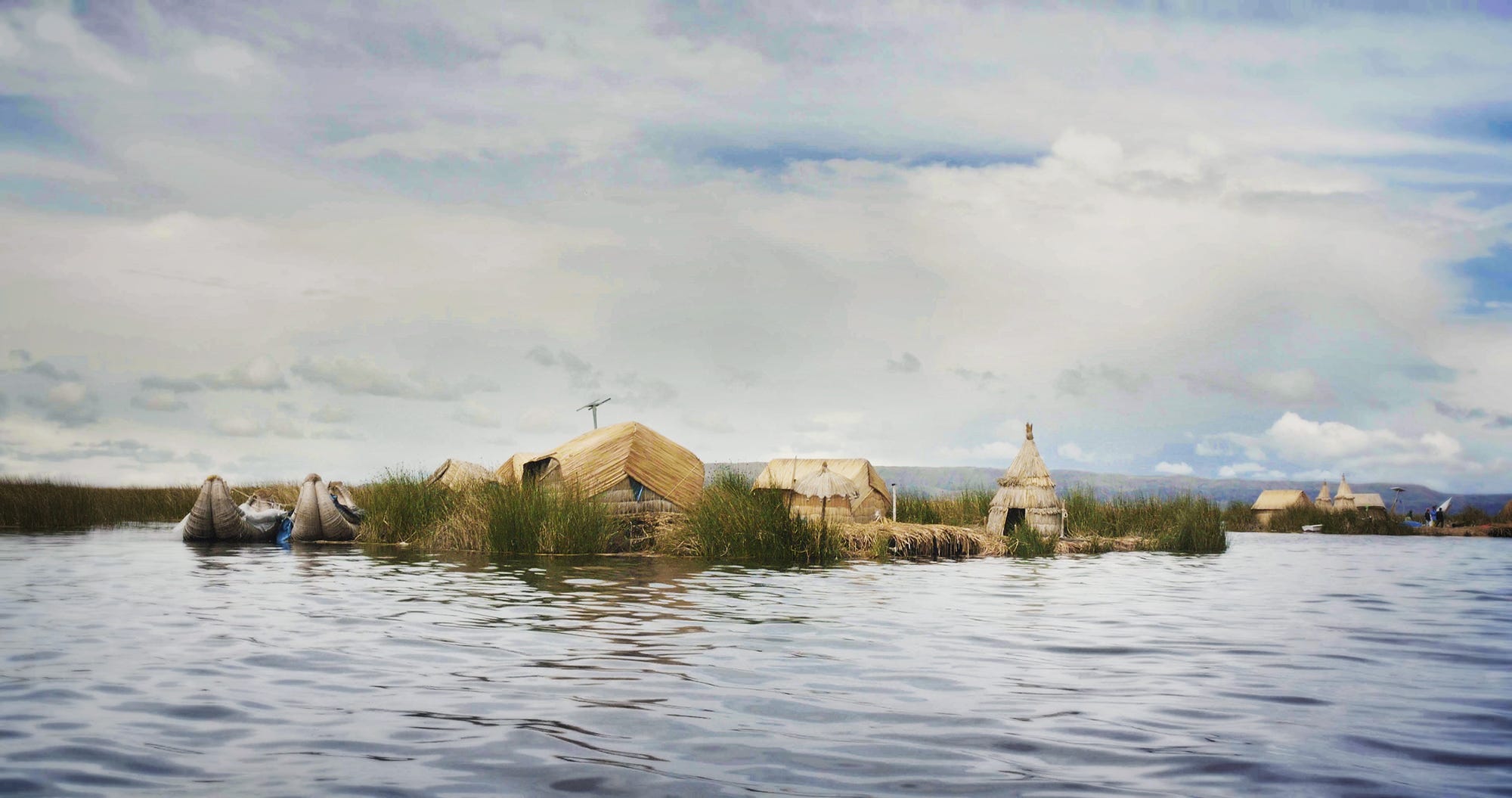
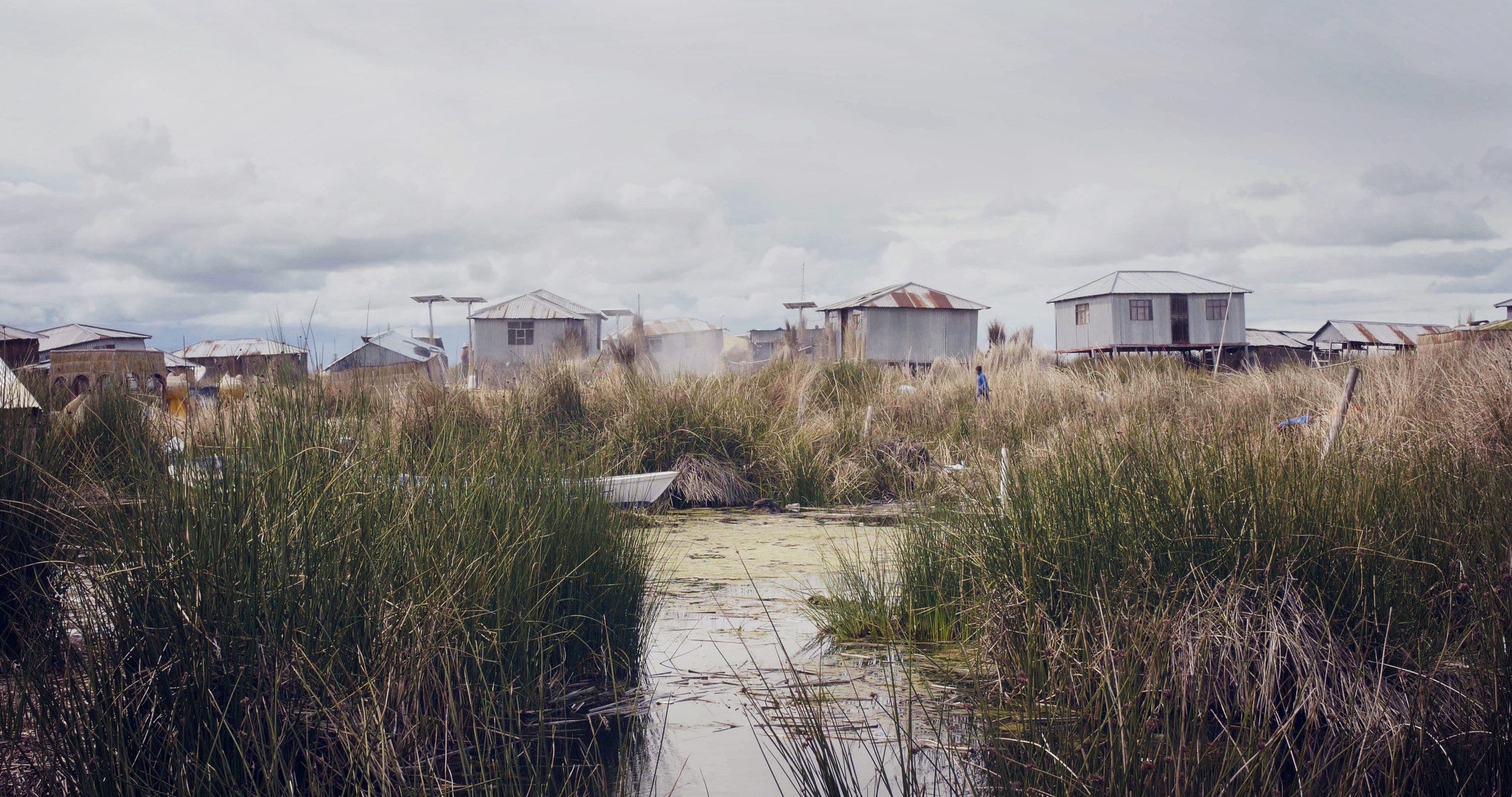
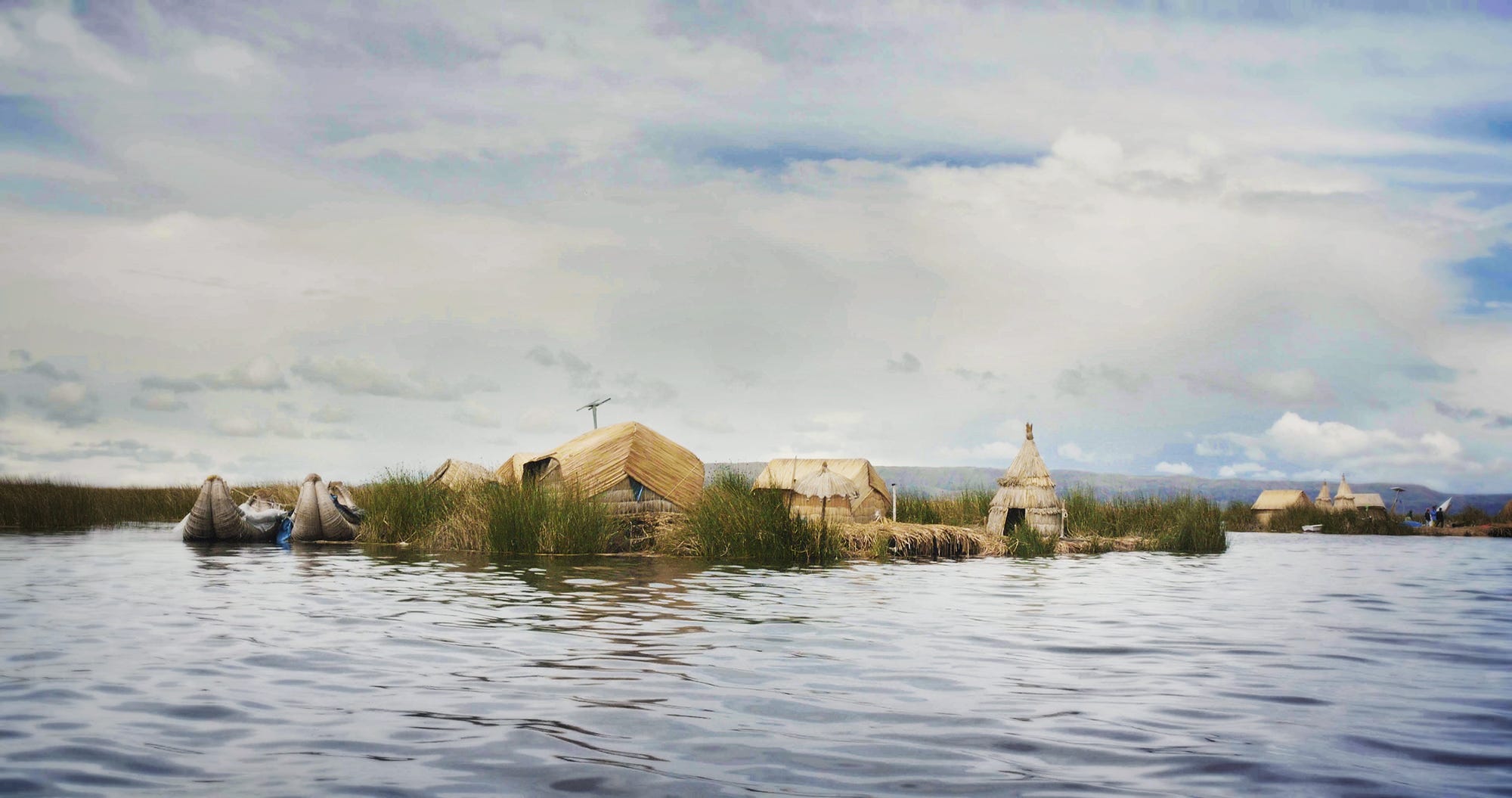
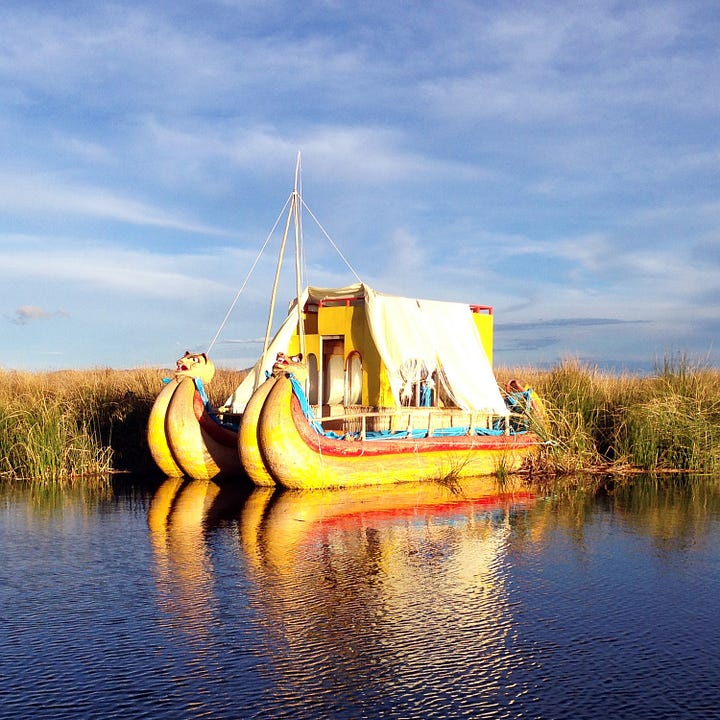
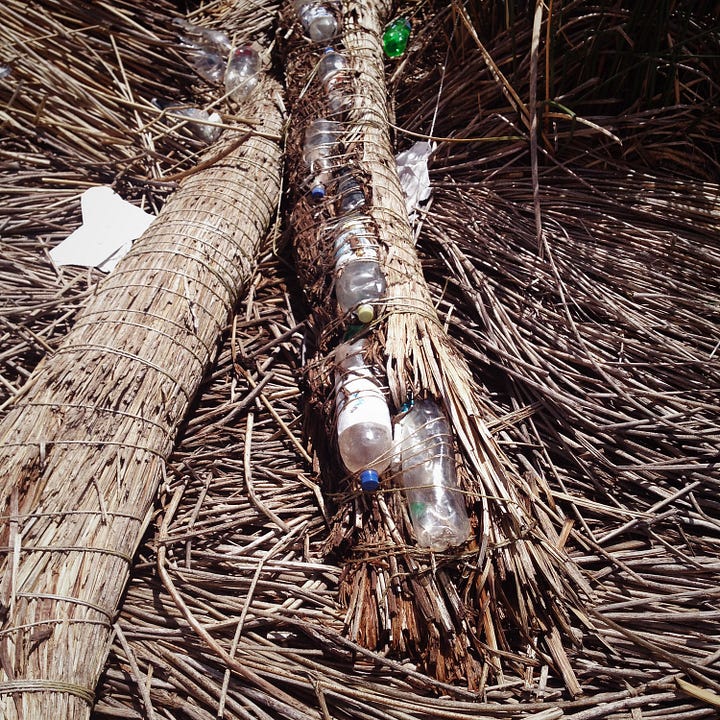
The rumour of the Spanish came with fleeing Incas down the hills, so the Uro people, native to the steep shores of Lake Titicaca, placed their reed houses on their reed boats and took shelter deep in the vast reed lands of the lake. They saw the roots of dead reeds float, and bundled them up in great quantities with a thick floor of freshly cut reeds on top, building floating islands hidden deep inside the bog.
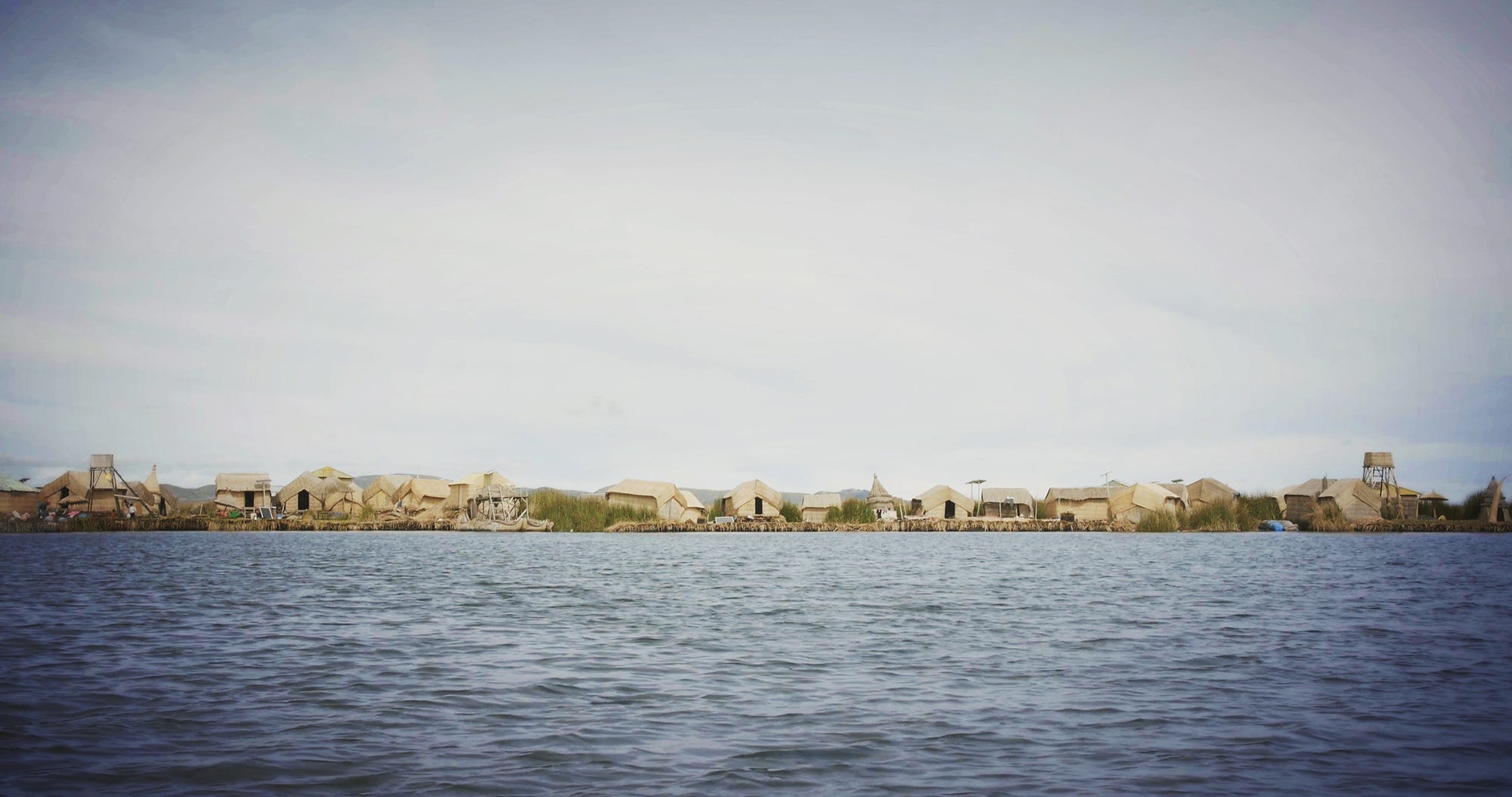
The Spanish came, the Spanish left, other strangers came and other strangers left, but the Uros stayed hidden in the reeds, living of the water. Five hundred years later it’s still afloat - although quite touristy, 50 or so floating islands, most for housing but some with specific functions, a gas station island, a church island, a school island. Easily to tow around, open urban planning taken to its logical conclusion.
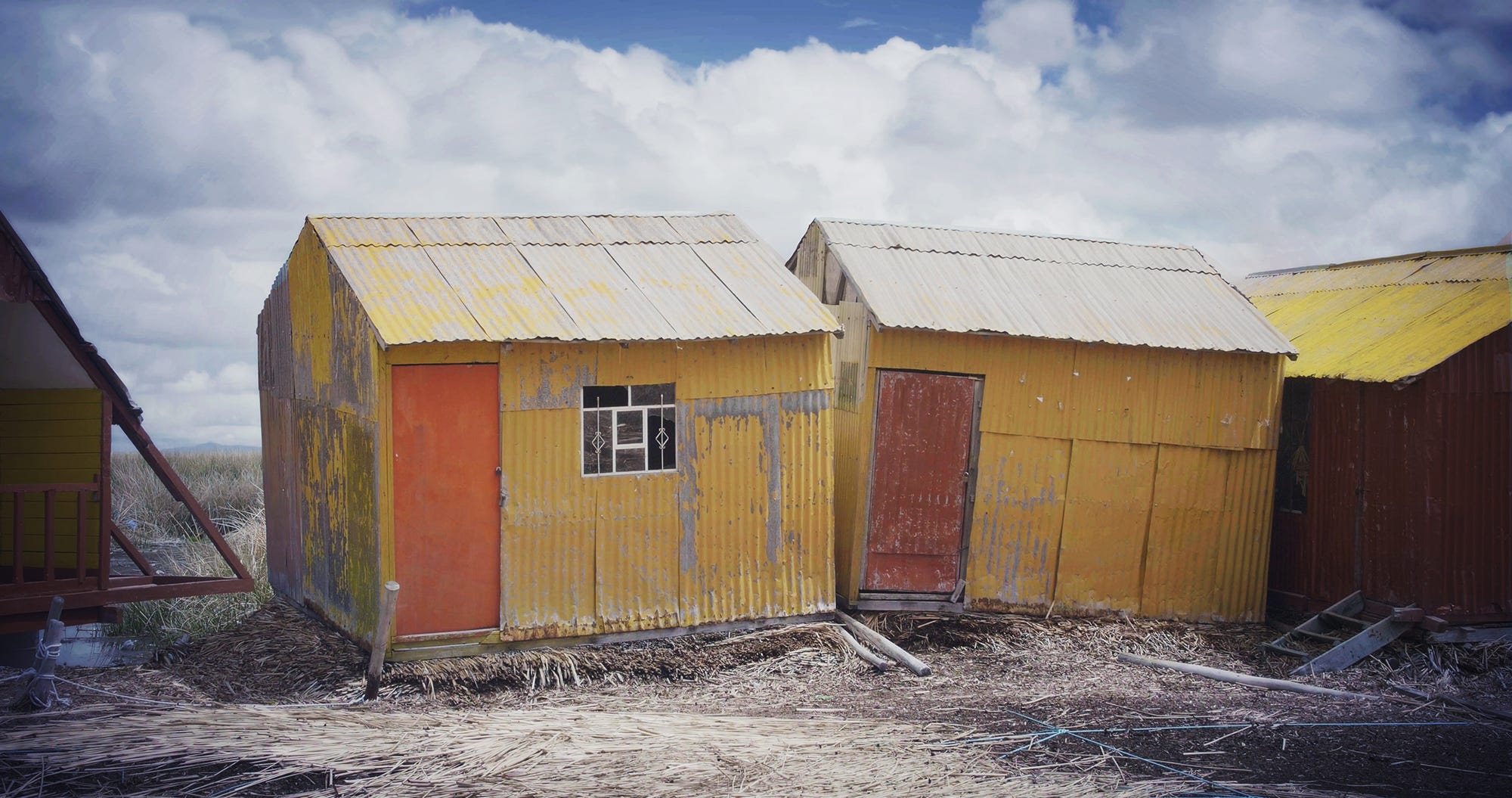
I arrive to my floating hostel in pouring rain, in a small blue dinghy with a stern Peruvian driver not minding my risky and ultimately failing selfie attempts. Dizzy from altitude sickness I nap in my brightly coloured reed walled room while the waves slowly rock the whole compound.
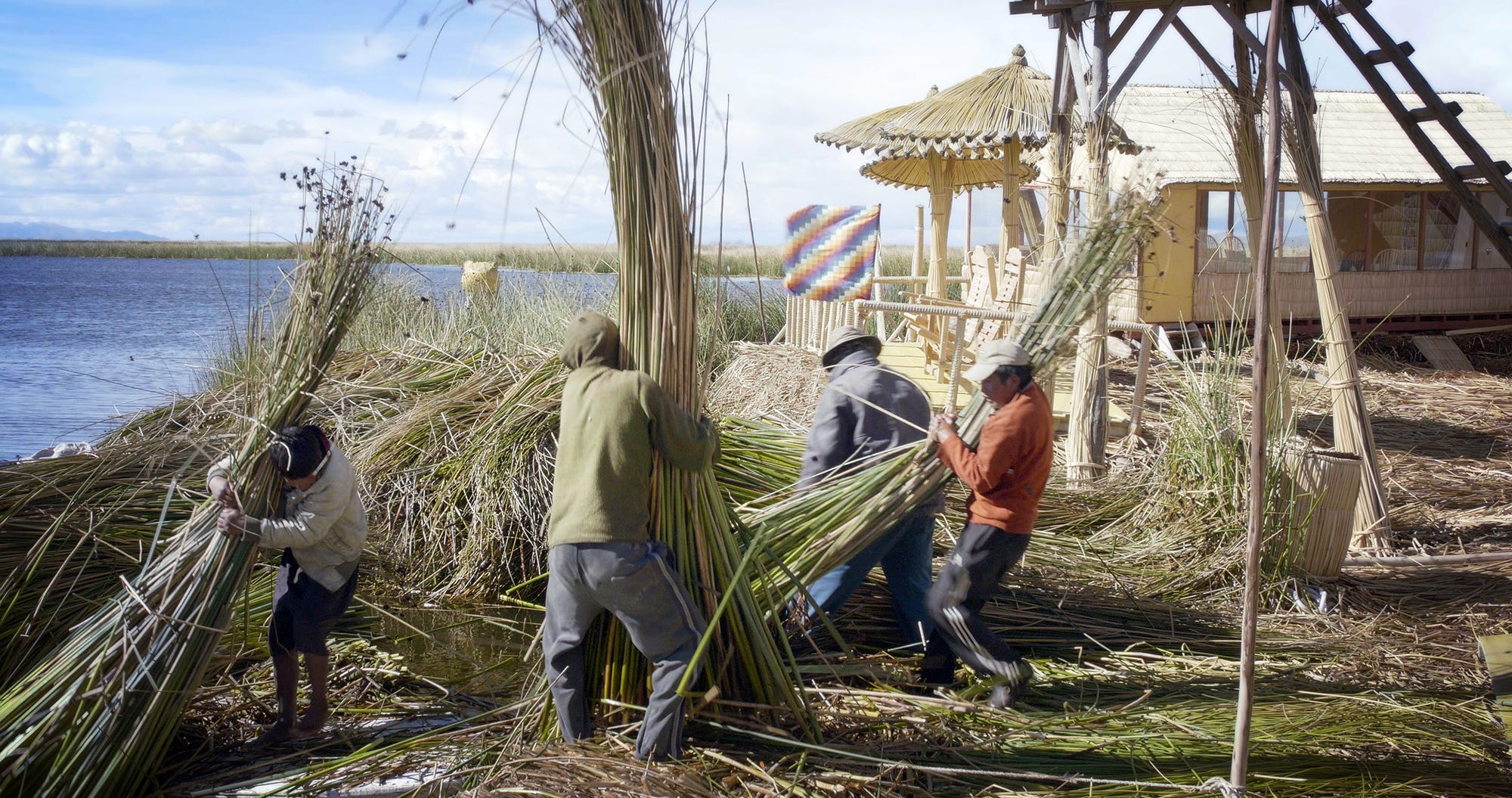
If you don't have a home, just build one. If you don't have land, build it on the water - like the plastic garbage tribe in Gibson’s The Peripheral. Or China’s current projects in the South Chinese sea. Or the Netherlands. We cannot build floating islands in the sky yet - but soon; let's bioengineer plants to produce helium infused bodies making floating forests encapsulated in their own atmosphere in space... My host Habraham is lukewarm in regards to my enthusiastic ramblings of the groundbreaking architectural implications of his lifestyle, two young kids and responsibility over his mothers floating hostel, he mostly seem to wish to move away from this moist and boggy barge.
The manmade island not more than maybe 50 meters across, the two family cats ostentatiously bored with the small but consistent stream of American tourists stopping by here for a night of “amazing!" between Machu Pichu and whatever next on the itinerary. I'm the first guest in years to spend more than one night, unfortunately realising that the meny stays the same each day and that there really isn’t that much to do here if you don’t have a boat. Perched on a sun chair beneath the vast sky I get some editing done on my laptop, storm clouds rolls in over the mountains in the distance, small boats come and go trading goods, a man pulls up fish after fish through a hole in the floor of the island.


Idle as trout in light Colonel Jones
these Irish, give them no coins at all; their bones
need toil, their characters no less.” Trevelyan’s
seal blooded the deal table. The Relief
Committee deliberated: “Might it be safe,
Colonel, to give them roads, roads to force
From nowhere, going nowhere of course?from ‘The Famine Road’, by Eavan Boland
The harsh sogginess of western Ireland is in odd places scarred by useless stone roads, often starting in the middle of a field leading up a hill to abruptly end. From nowhere, going nowhere of course. During the Irish potato famine in the end of the 1840’s the British landowners deemed the starving paupers morally unfit for unreciprocated charity. Instead they were forced to work on purposeless infrastructural projects in exchange for money, never enough to keep starvation and its fevers at bay. The peasants died in droves in the harsh winter, the survivors to weak from their futile toil to bother digging graves, leaving the corpses by the roadside.
One of the United Kingdoms least decried genocides, the potato blight affected just 17% of Ireland's food-producing acreage. 83% was producing food at a high efficiency. Had Ireland not been under the control of the British Empire a million people would not have died.
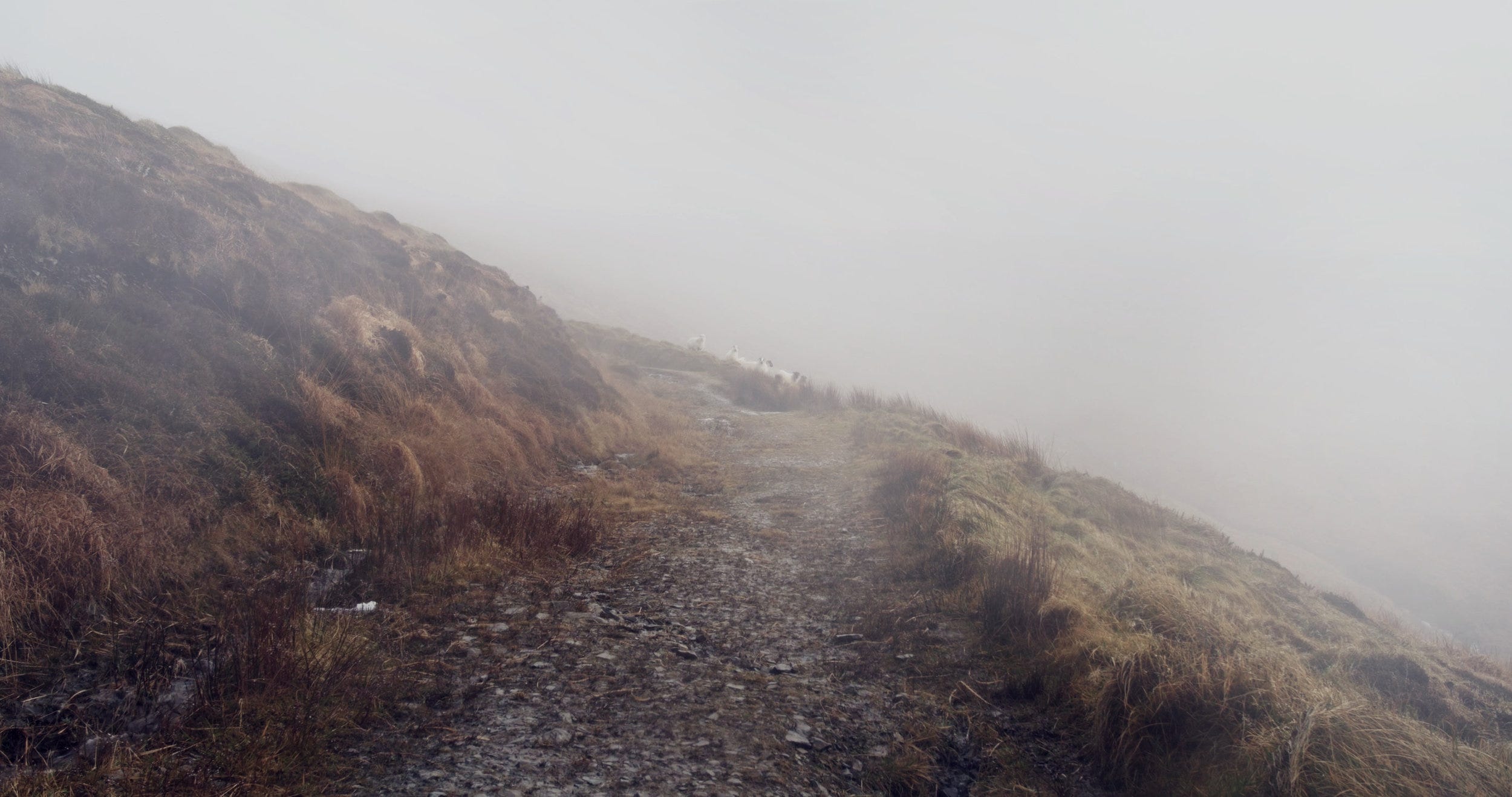
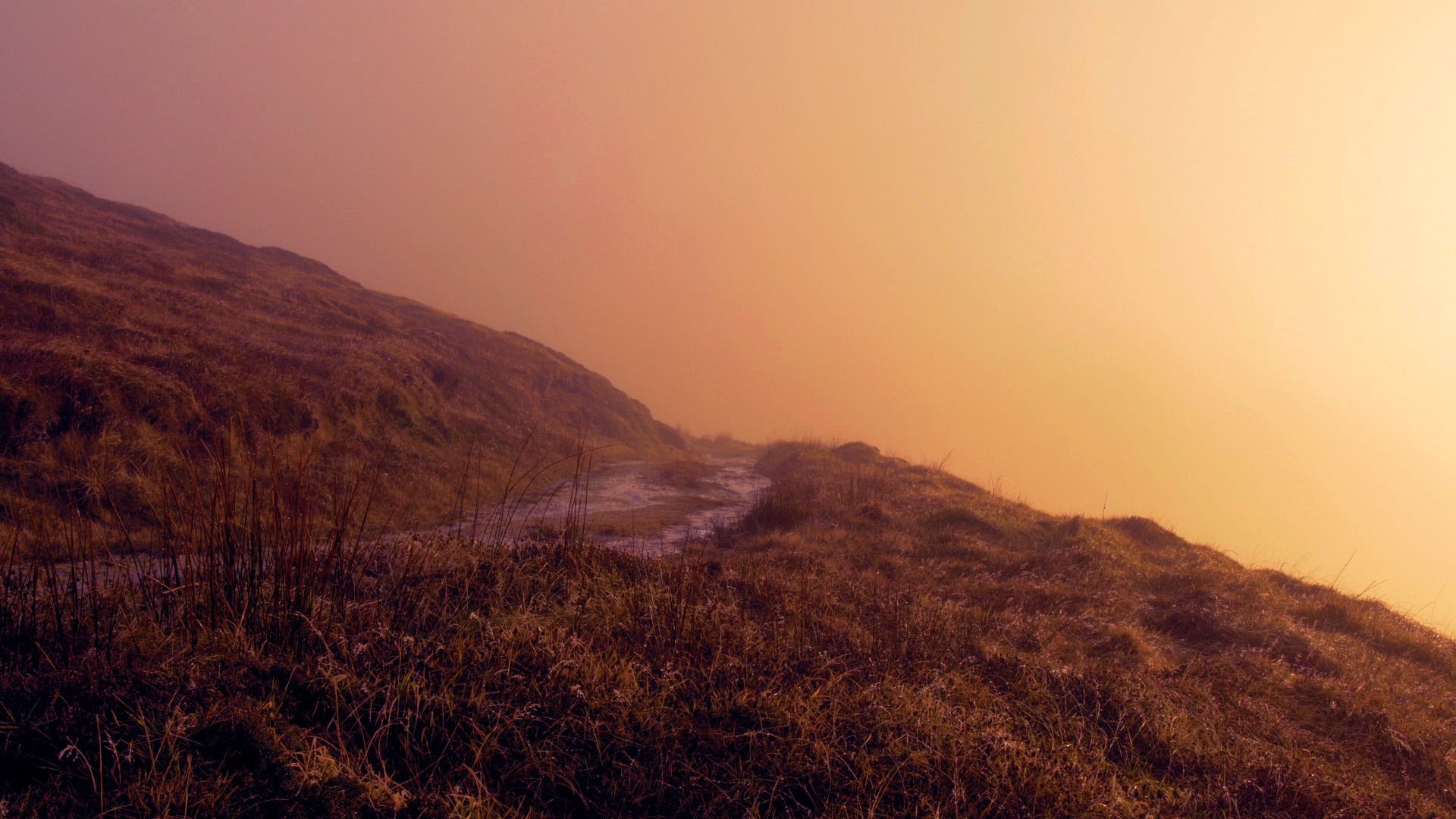
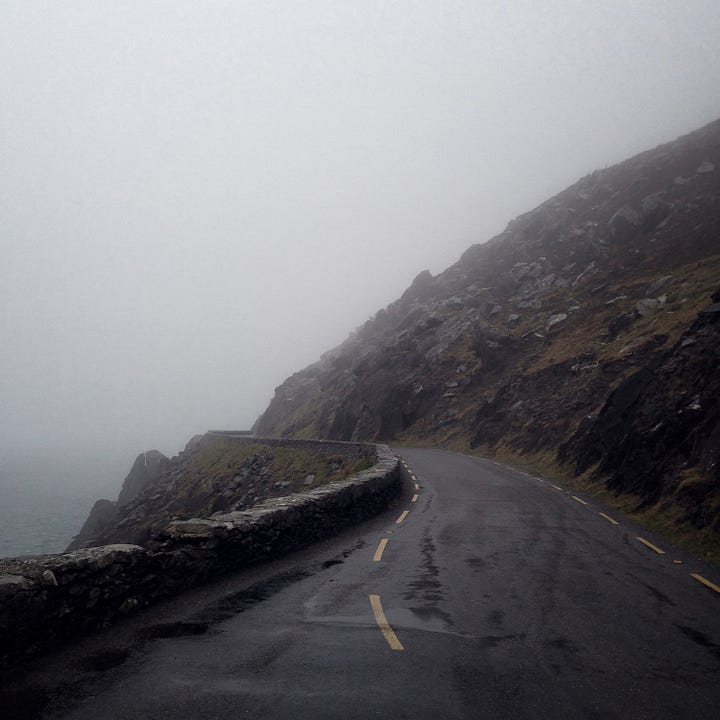
Wet and cold into my bones I'm biking through the ground clouds on the Dingle peninsula, gear in a waterproof backpack, looking for one of these damn famine roads, but can barely see more than 20 meters in any direction. Every pub where I have planned to warm up in front an open fire and a pint is closed, not a single human in sight, I end up eating a dry sandwich in the burnt ruins of a 50’s holiday home, the rain drizzling through the charred roof, the fog impenetrable outside, proper horror film location.
Giving up I start back towards the hostel, I’ll just film whatever old road I find tomorrow and be done with it. After disembarking during an increasingly steep hill I see a gravel road taking of to the right. I follow it, leading the bike, all sound muted in the mist, the ripple of a thousand small streams of water invisible beneath the grass, a pack of sheep observing me from a distance.
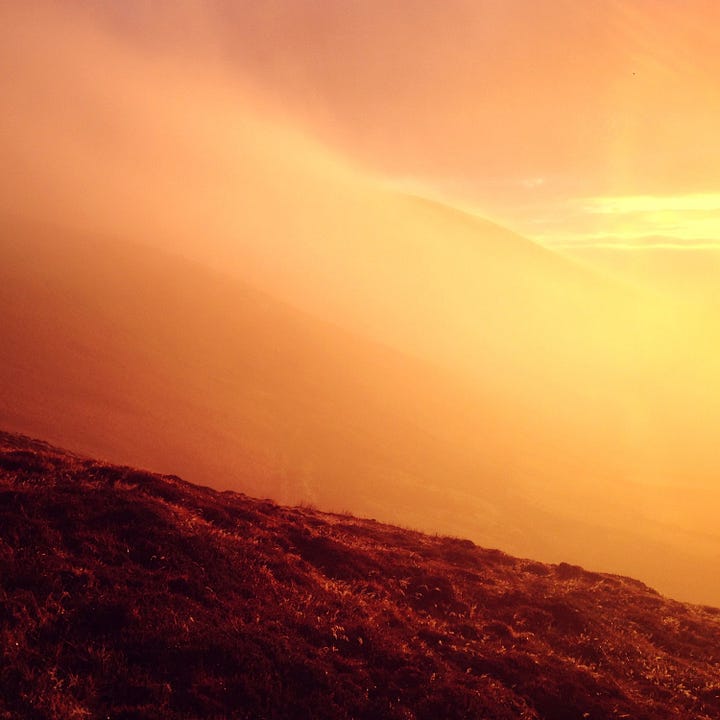
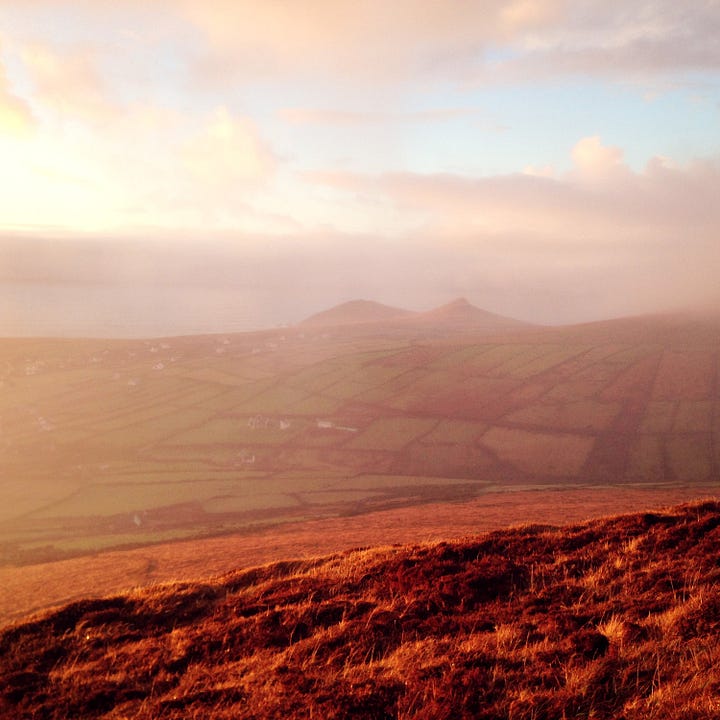
A few meandering switchbacks later I decide that this must be a famine road and rig up to capture the bleakness. I stand in the thick wet grass on the steep hillside, like wading through a tilted river, when a few sunbeams break through the clouds and steep the scenery in gold. The mist lift before me and I can see the extent of the landscape I've crossed today, gleaming glowing hills of bronze grass waving streaks of fog in thinning ribbons, a myriad of islands stretching across the Atlantic horizon, each in a scarf of cloud, tiny coastal villages whose dark windows I’ve biked passed this morning, hillside farms with shining roofs, fields demarcated by dry stone fences, some green but most the same colours of intense bronze, copper, brass and gold. I know the images look overtly photoshopped but they really aren't.

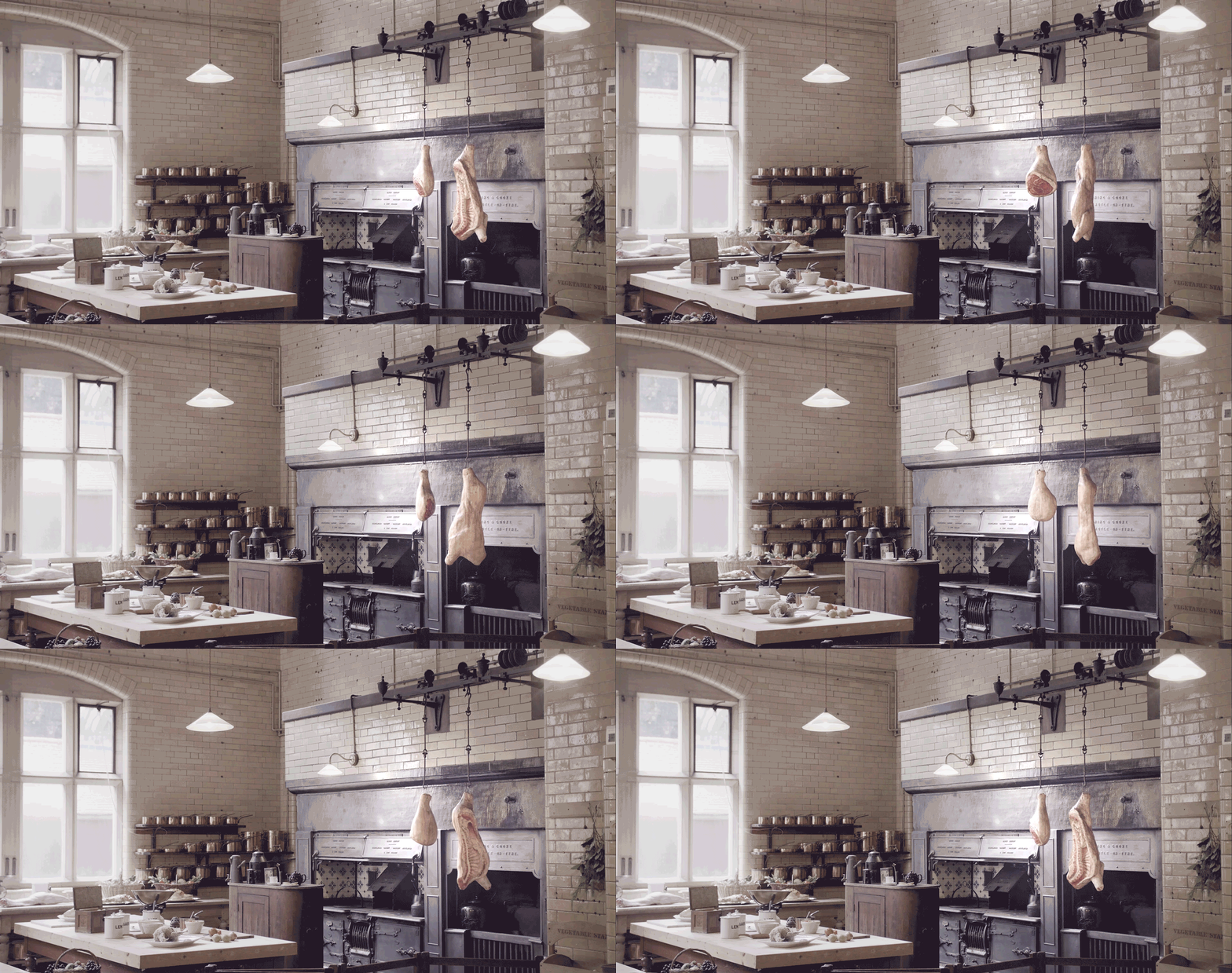
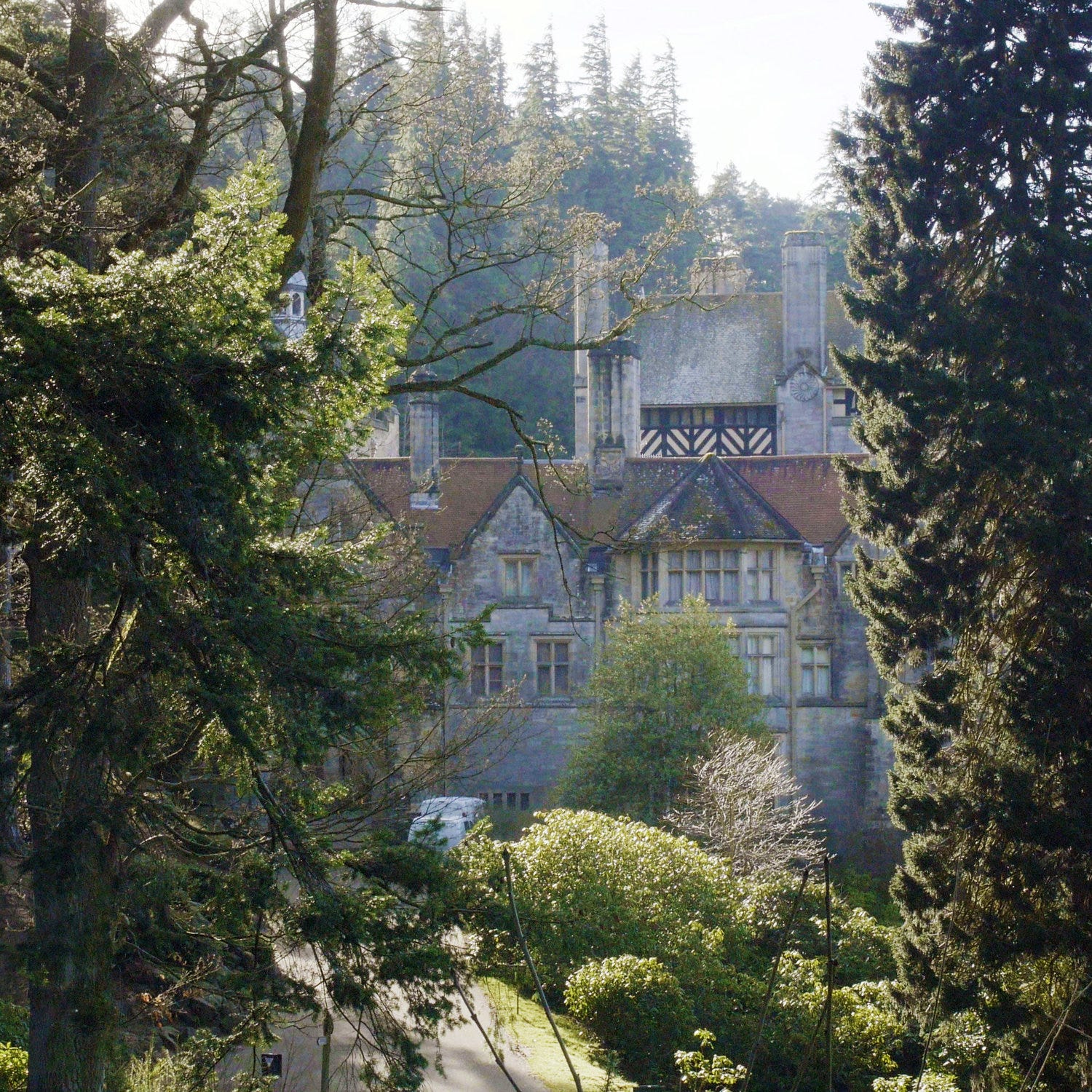
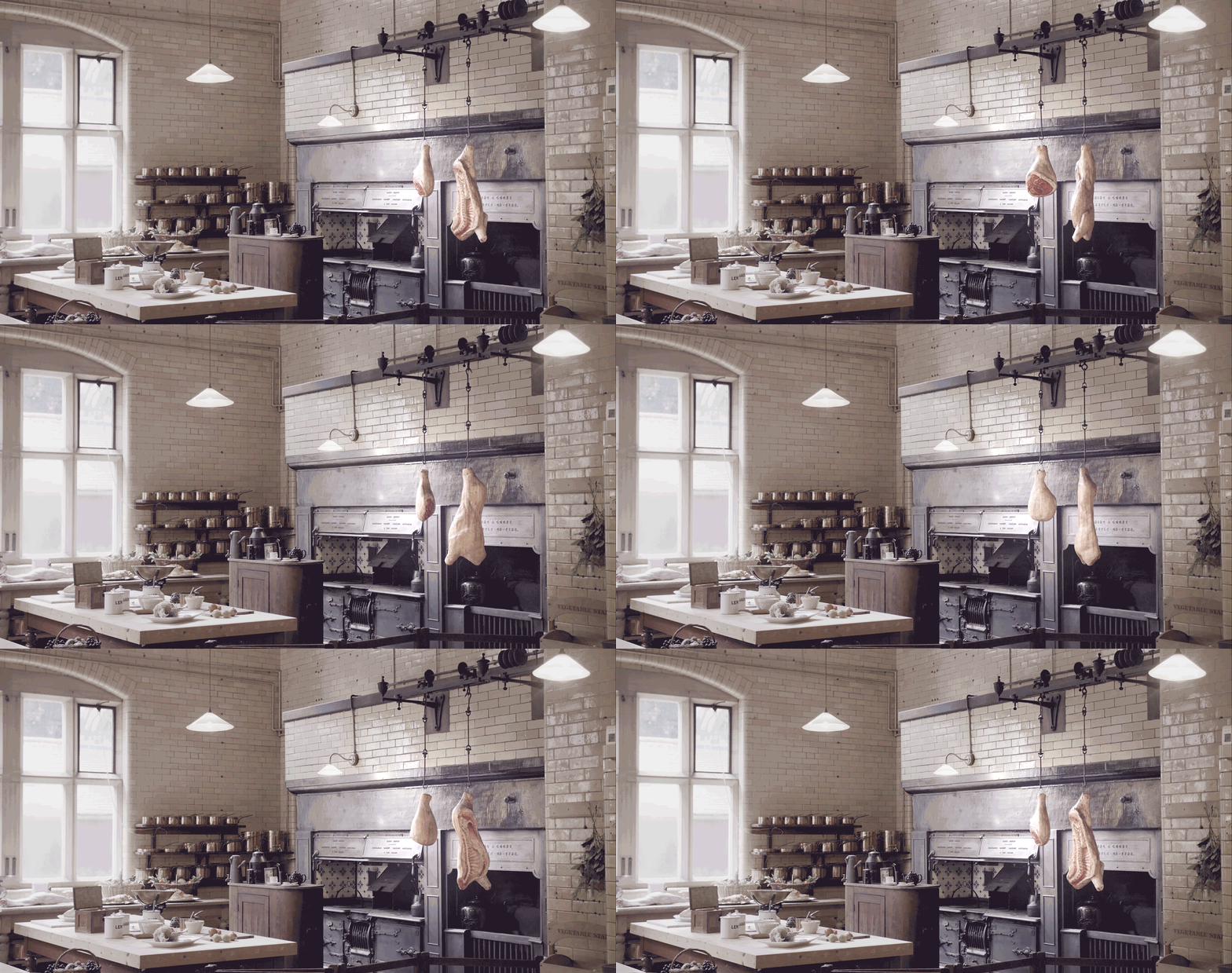
The first smart house was built in the 1860s by the British engineer Lord Armstrong, famous inventor of the machine gun. It's the kind of mansion a rich commoner with aristocratic dreams would build, lavish but architecturally oxymoronic, but it's interesting because of its many eccentric technological life simplifications; the worlds first washing machine, an hydraulic lift, and an automatic rotisserie spinning meat by the fire, among others.
Fulfilling the contemporary smart designer Yves Behar’s prediction of a future “where things magically happen around us” it preceded our contemporary relief of quotidian toil with one and a half century. In difference from the internet of things the coding is here both accessible and tangible, behind hidden flaps in every wall and floor there is compartments with spinning cogwheels, connection rods, and hydraulic plumbing. His servants were supposedly positive to the contraptions, and no automation related lay-offs or machine smashing occurred.
Early morning arrival with the ferry to Bari on the south-east coast of Italy, after a lone cabin night and exhibition preparations on my laptop sticky from excessive amounts of cheap Albanian chocolate. Forced myself out of bed for my morning walk to see the sunset, the only routine I manage to cling on to during these endless transits, past youth on pre-uni adventures sleeping on the bare deck and old Balkan men in their best suits that seem to not have slept at all, and nor to mind it either.
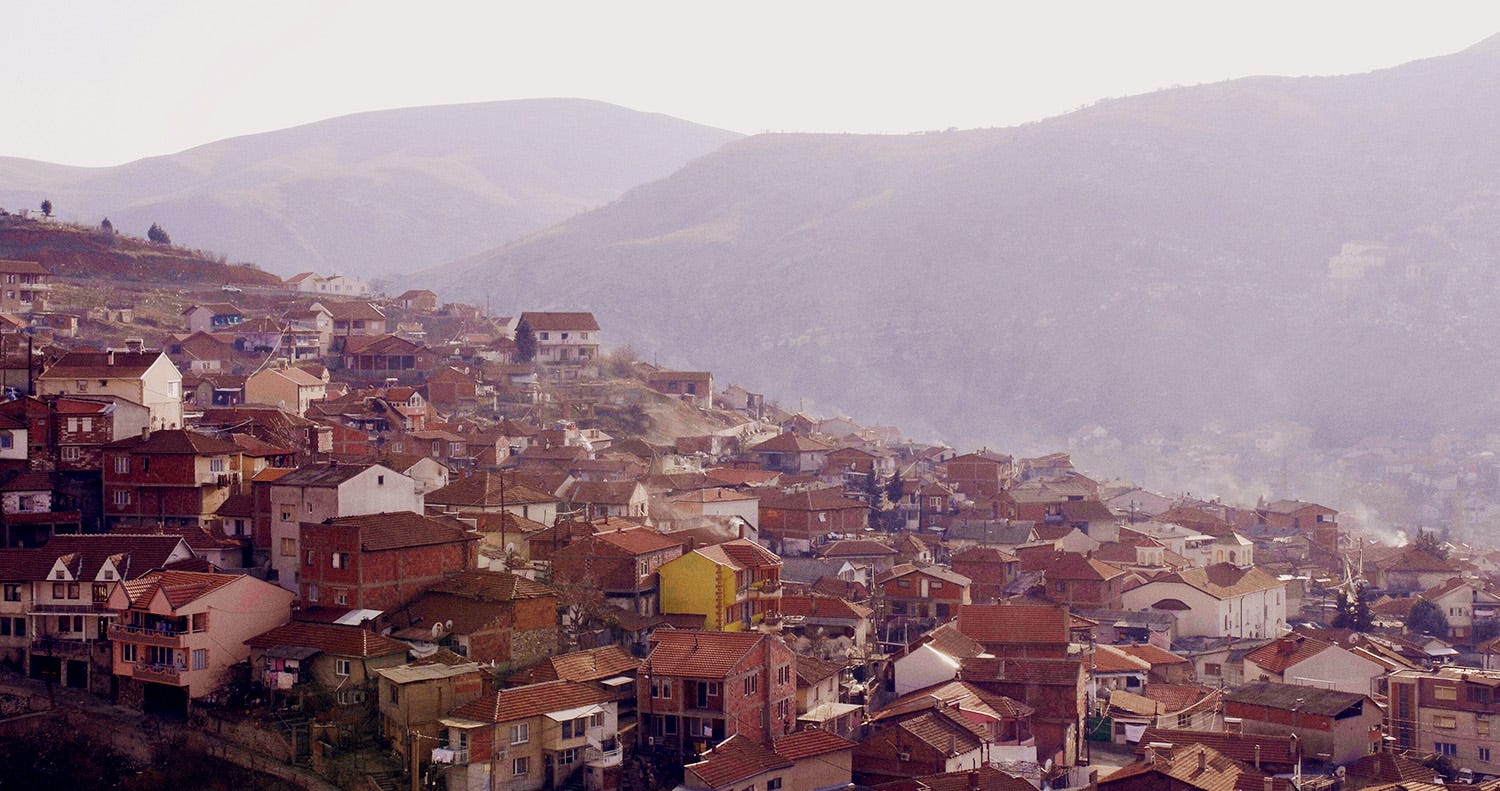
Arriving to Bari is arriving back to actual tangible real-ass history, or my very biased definition of such, after a painful medley of faux masonry, cheap surface materials, billboards with half naked girls printed in the wrong dpi and other crap in Macedonia and Albania. Sometimes it seems like big chunks of the world just consist of concrete frame buildings either unplastered and filled with Chinese plastic junk or plastered and filled with gaudy showroom furniture.
How is it that some places lack history and some don't? seemingly arbitrarily. North England's small villages, where every stone is as real and thoughtfully placed as the cheerful greetings with the elderly inhabitants on my morning walk along the quick river in the norther town of Morpeth, where every windowsill, mullion, doorframe or street sign feel like they could be the subject of a book, and some most probably are.
Belgrade's crumbling soviet facades the same lack of colour just a notch darker than the sky, faded graffiti interrupted by snow flakes and cigarette smoke from groups of dangerous looking but most certainly fatherly kind men, huddling together over styrofoam cups of weak coffee, above the cracked asphalt of a main square that has seen to many rulers and ideologies come and go - but the history is here, embedded, ingrained, like a caricature of itself, the typical easter European scene, but maybe more true than any other rendition of it’s core essence.
The ancient brown stone cathedral in Puno, Peru, an obsolete monument over the grand ideologies of Christian colonialism placed awkwardly among the concrete frame and brick that sprawl in all directions along the Andean hills overlooking lake Titicaca, life that goes on no matter what the materiality, ideology or altitude. Like Santarem's bustling irrational city turned shopping mall on the bank of the sacred meeting spot where the Amazon and the Tapajos meet but don't mix, stubbornly ignorant of the never ending amalgamation of cultures and goods along its banks.
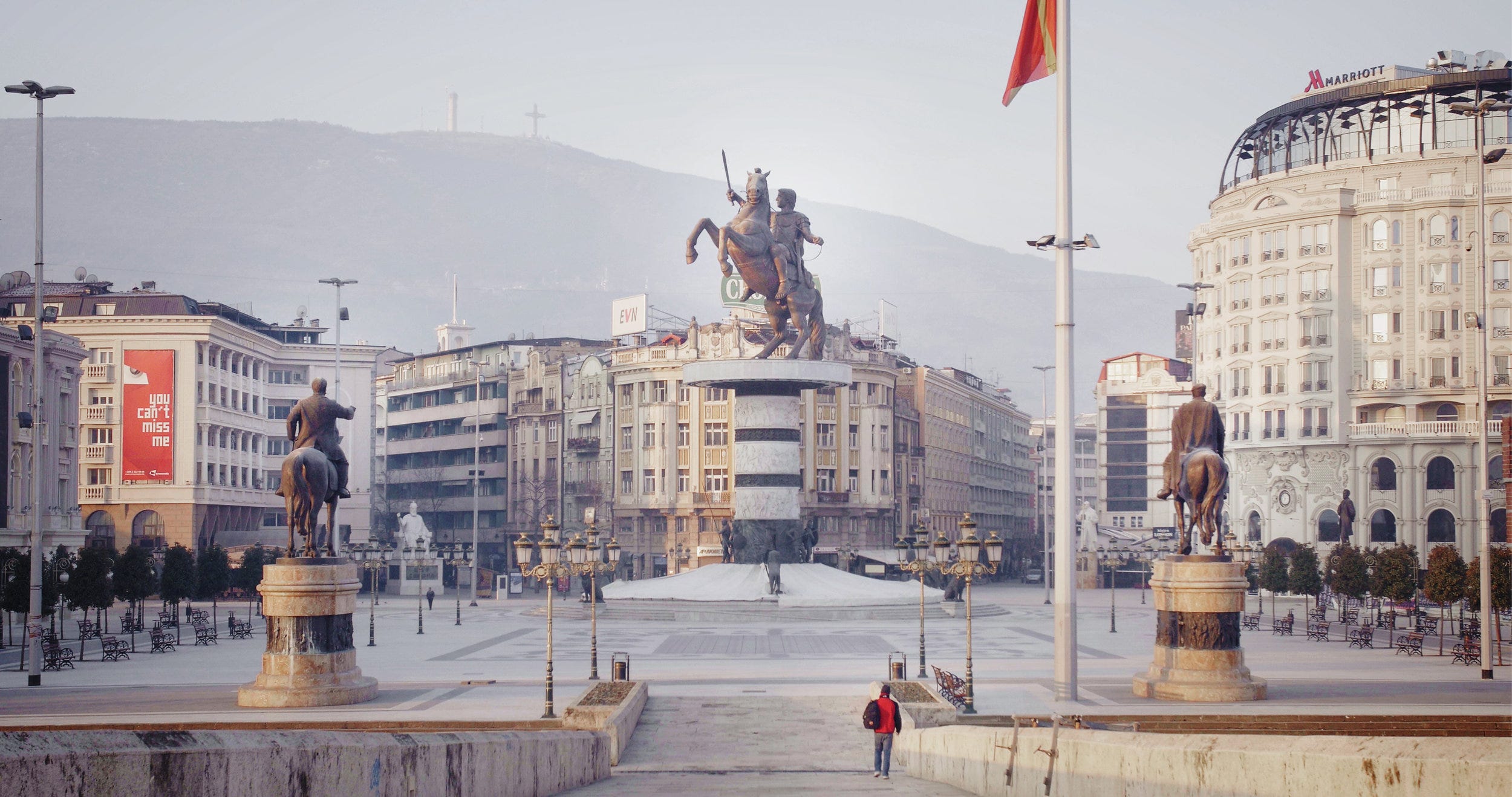
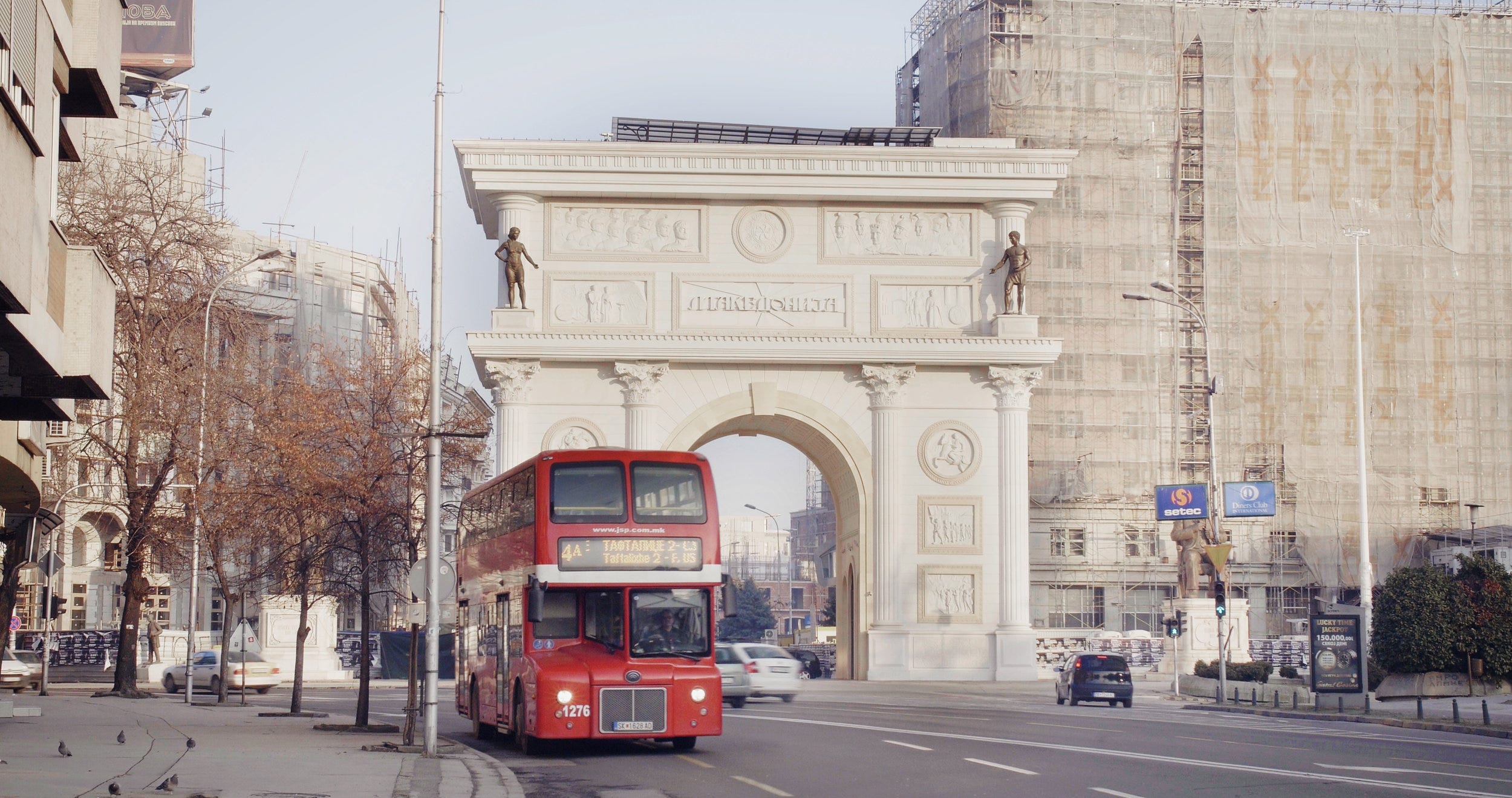
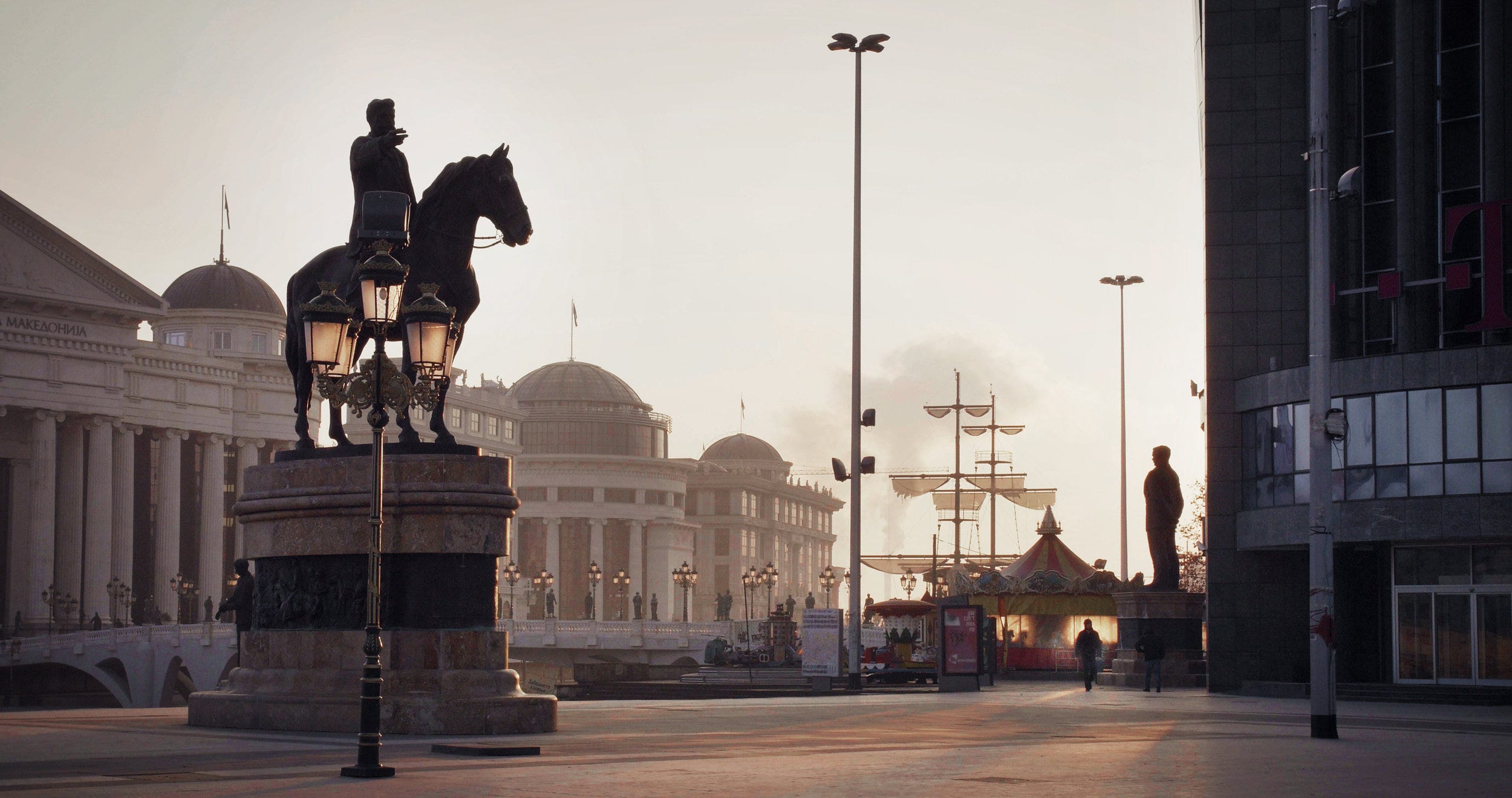
And the most painfully history-less is Skoplje, Macedonia, the failed capital over a nation who's been continuously occupied since the 15th century, now containing a copy of every memorable city symbol in the world, a surreal Epcot-style sumptuous film set for badly hashtagged government instagrams, red double decker buses and arc de triomphs, the weeping willows of the Seine and a bunch of concrete pirate ships. The home of someone who only use souvenirs as decorations - next: Banksy, Eiffel Tower, leaning tower of Pisa - which was also the interior style of my AirBNB there.
Which reminds me of Sweden, where we cleared out every city center with genuine but oh so misguided modernist trust in the devise that clean lines and empty spaces would spawn clean minds and empty consciousness - like, the thing we need the least in our emotionally barren wasteland of a country - now crumbling under both the weight of the success of social democracy and the success of neoliberalism, both disregarding the actuality, or tangibility, of the spaces and objects they produced. But once in a while you find an old wooden guest house in a forgotten farmer town in Småland and suddenly you catch the shadow of a smell revealing our old country, built on conviviality, hard labour and an almost intentional lack of ingenuity - a smell of turnip I suppose.
Like the messy land of every community garden - or just regular farm for that sake, the opposite of the fancy newfound dream life of every sudden middle class, but still lurching in the shadows - held at bay by an army of cleaners and strict social frameworks. But this dirty dusty muddy pile of mess will always be there, this is what it is, this is what life looks like, whatever veneer we hastily cover it under. It’s like Italy and the other nations of 'real history' never hid their mess behind this veneer, but rather the other way around, just slid the veneer beneath the pile of trash to give it a more attractive background, turning the mess into it’s something to be regarded as beautiful, into its own vibe.
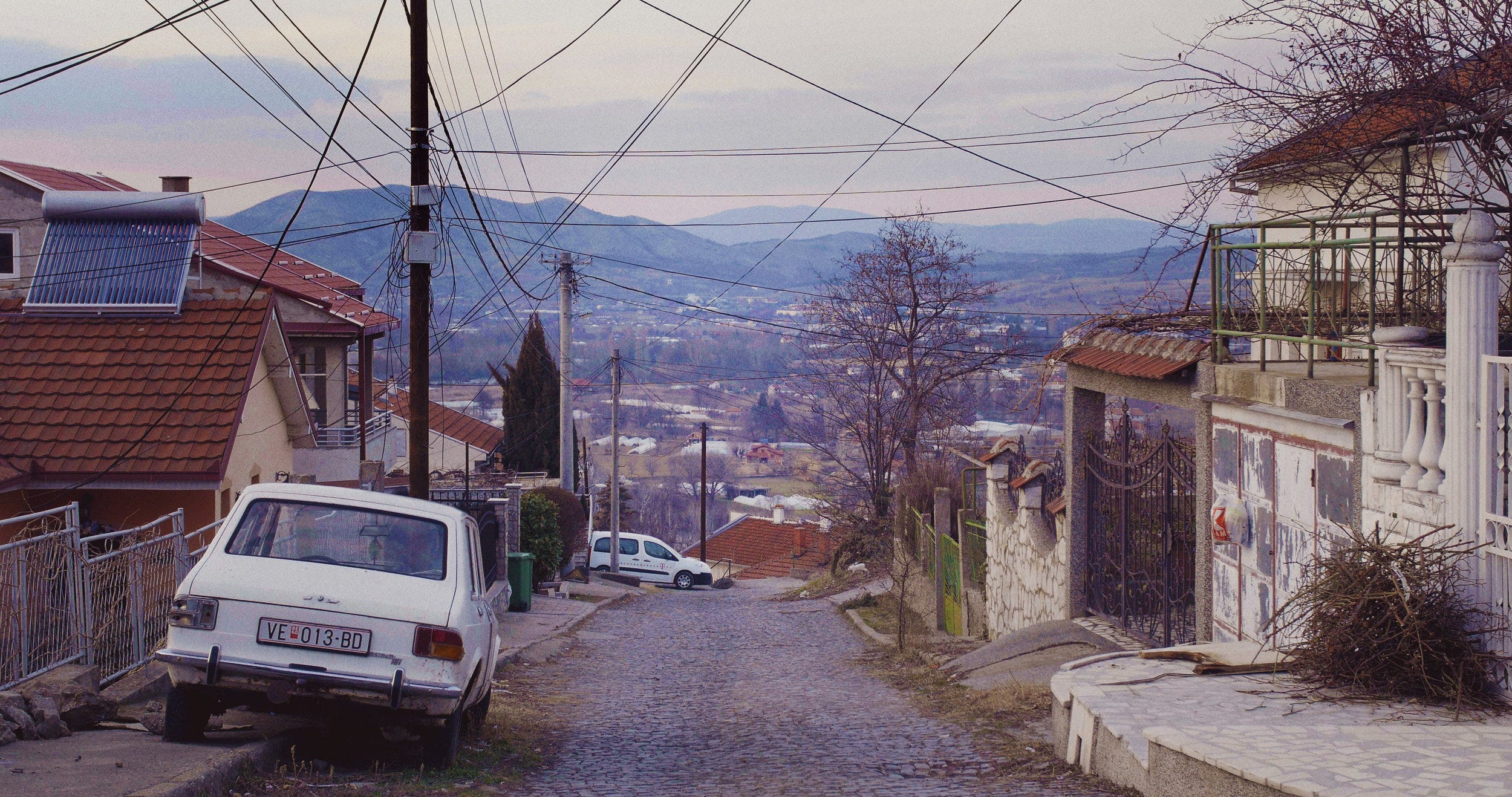

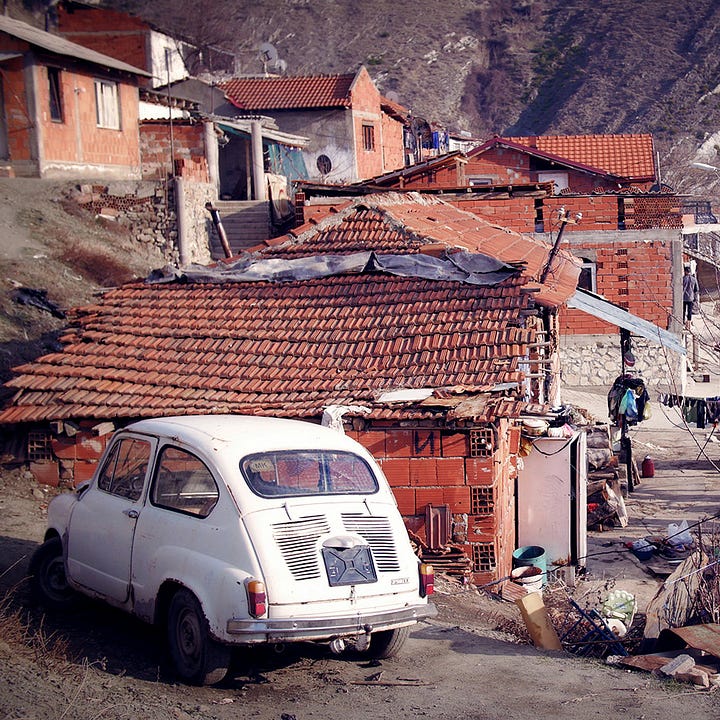
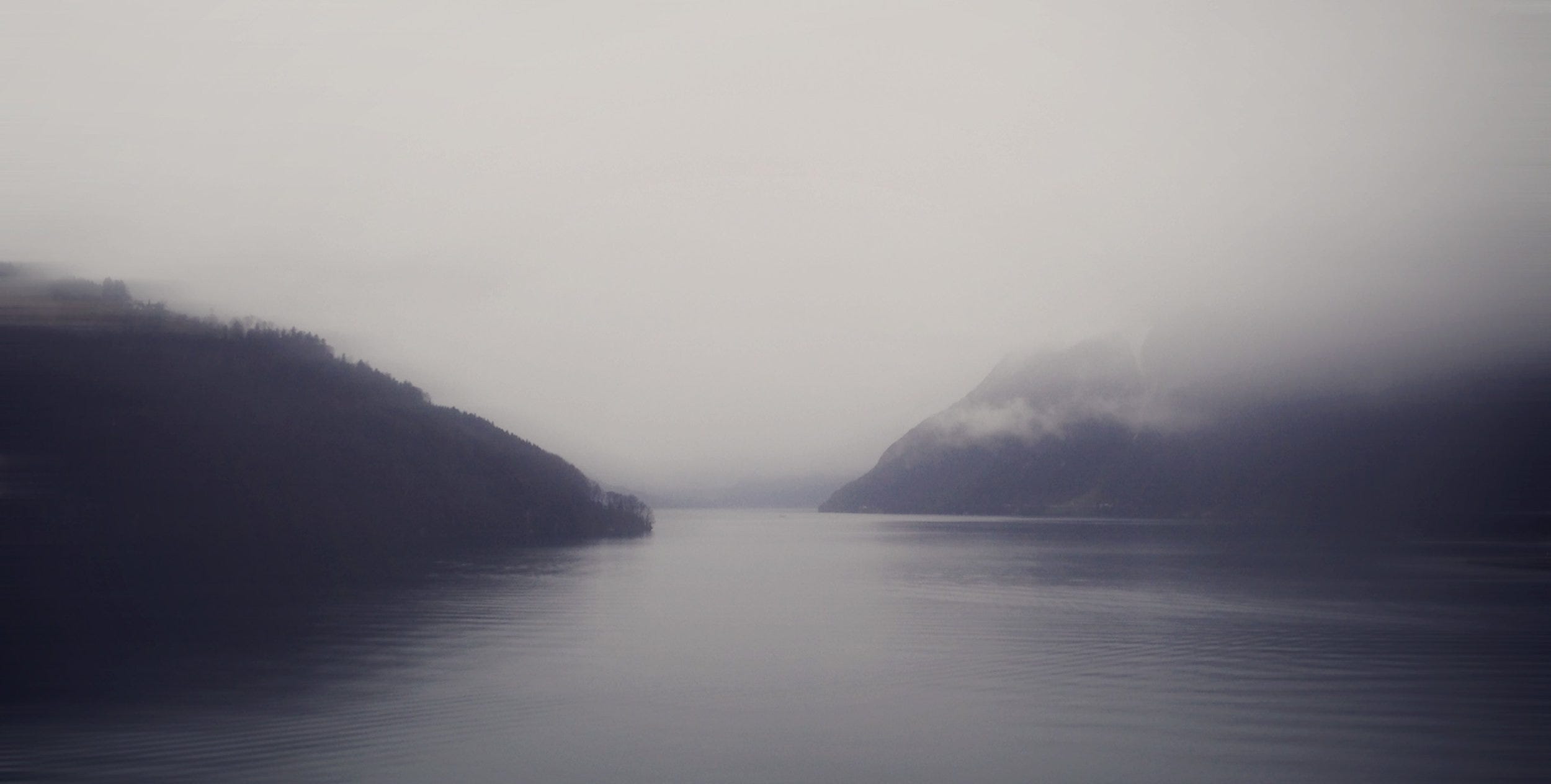
Slowly waking early morning mist and moist Milan, breakfast in a bustling cafe at the bus station, a full wall mirror, marble tables with old ladies and a barista so badly cross eyed that it's impossible to tell who he is looking at and consequently who's turn it is to order - Italy refusing any queue system - cappuccino and brioche and these small things that makes this place different from the diluted somewhere-European transits I normally spend my time in. Through stubbornly clinging to a few mundane routines this country have managed to at least partly avoid entropy, deterritorialisation, Americanization? no EU-ificiation.
African immigrants in different waiting poses outside, always waiting, among beer stained stone benches, with small couples of stubborn teenage girls skipping school and smoking cigarettes, staunch Italian mothers with groceries or dogs.
The bus route between Milan and Basel is the best in Europe, €22 for ~5h of incommensurable natural epic.
Chaos as we board the bus and the angry, very German driver tells passengers to do this and do that and go there but don’t stand there, while the Italian border official who has taken hold of our passports is visibly embarrassed over the sudden neo-fascist vibe. One hour after scheduled departure our passports return and we’re off. This time they didn’t detain anyone. A few months back on the bus south from Copenhagen we got stopped by German border police who after reviewing passports decided that one young man with a frightened but determined face was not allowed in this particular jurisdiction. He got driven away by big and neutral men, following orders, stern faces, eyes nor empty nor alive. Our bus left with an empty seat, a group of Swedish teenagers en route for coffee shops in Amsterdam discussed the scene, after all agreed on it’s horror one of them blurted “but still, image what an amazing adventure he is on, it’s like living in a movie!” ...
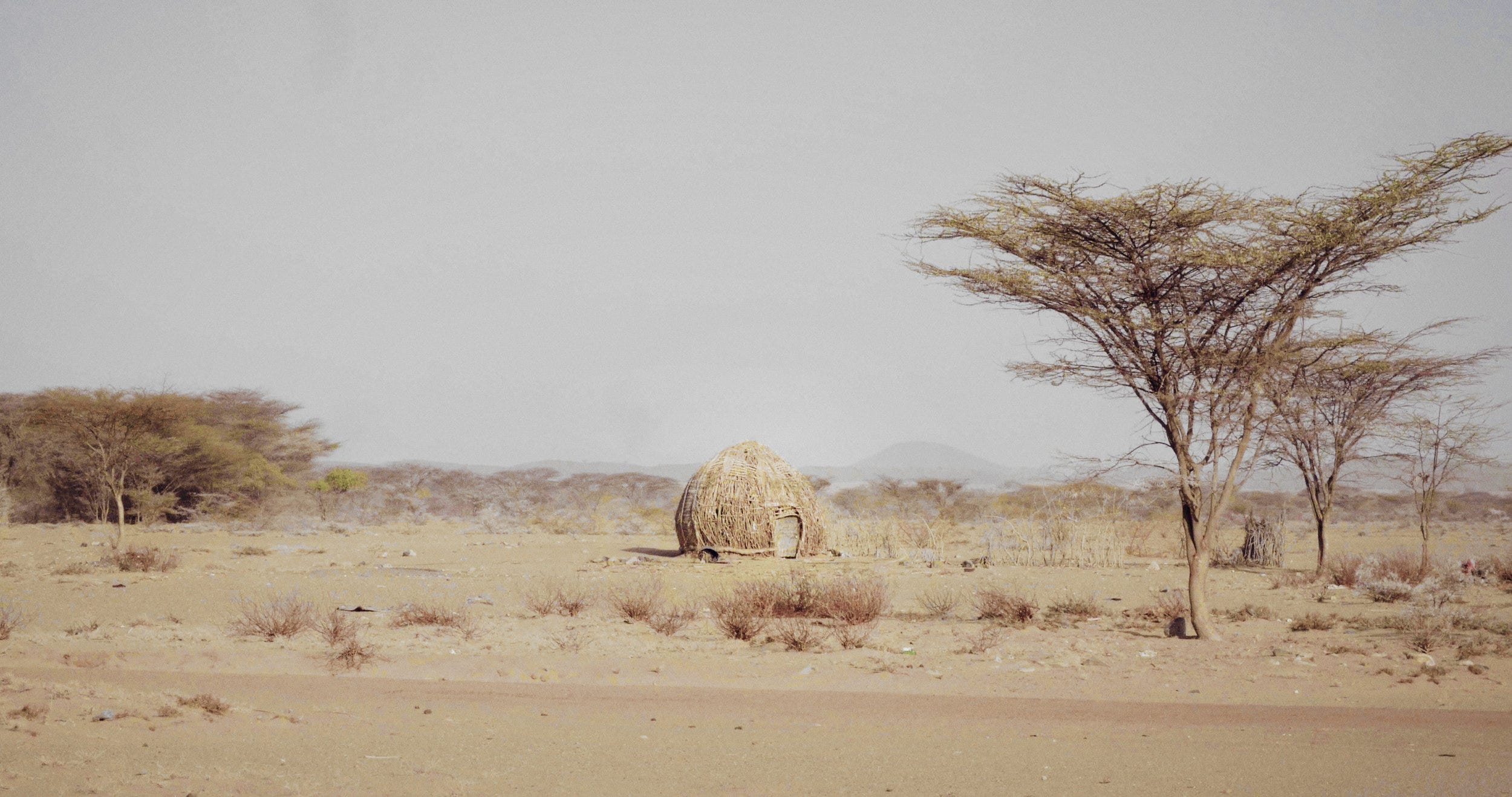
The cool breeze smells of smoke, under a crumbling concrete Jesus with abnormally big hands, alone in a sort of Christian park on top of one of three small mountains that mounds Lodwar, the biggest city in Turkana Land, an arid region of north Kenya. Another of the tiny propeller planes that dropped me here is taking of in the distance, above a peculiar mixture of corrugated steel shacks, half built concrete frames and traditional Turkanian spherical palm leaf huts - traditionally built by the wife while the husband shepherds the goats.
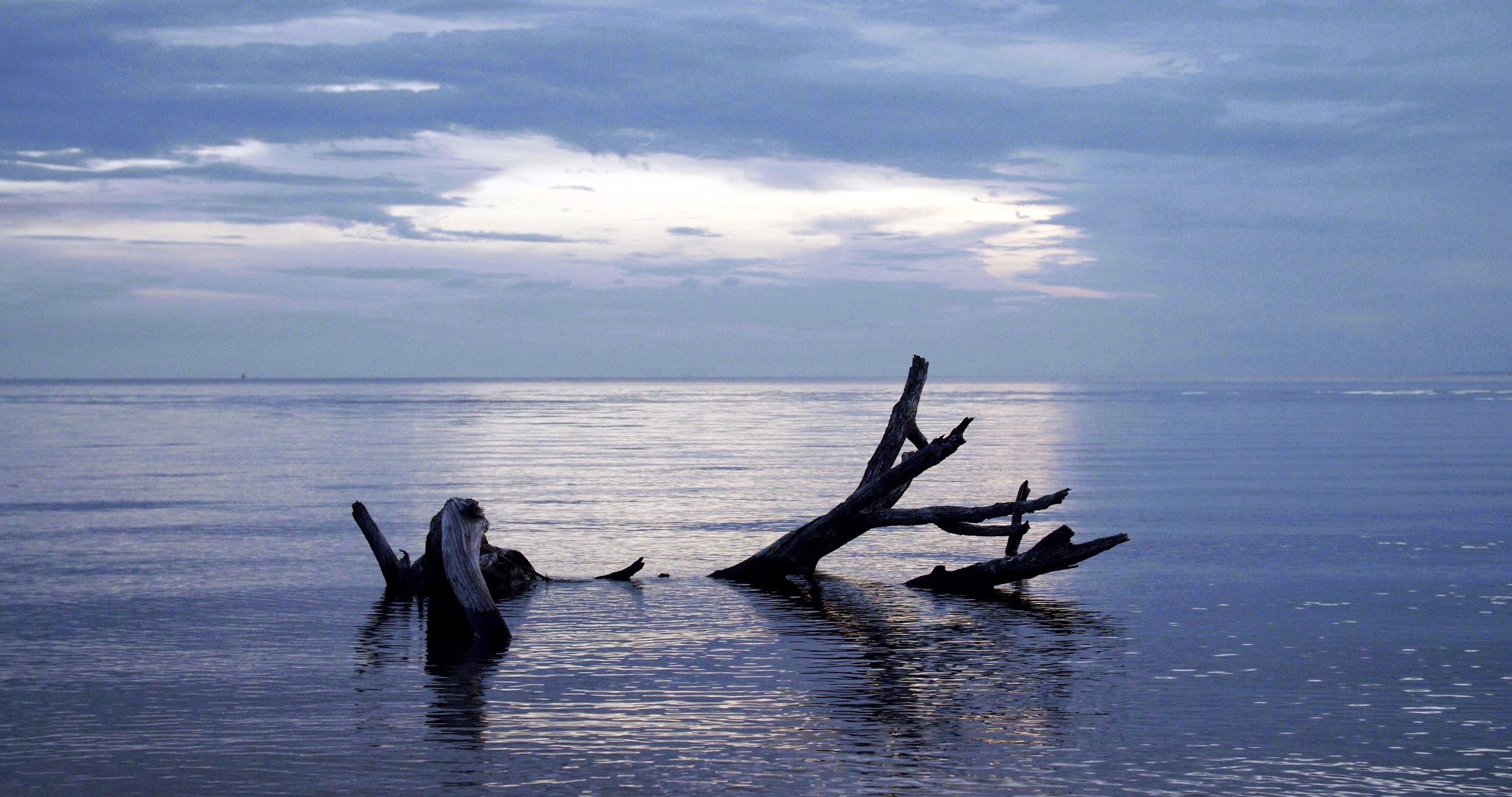
I love these secret quiet spaces in cities, the massive wooden church in Kiruna, the abandoned 19th century military buildings in the Red Fort in Delhi, the hidden beach in Alter Do Chao, with dead trees out in the water, river boats rushing in a distance, and one very anxious bird warning others of my approach. Although, I wish there was a cafe here with wifi where I could sit and do some work. Work with ‘my shit’, the term that more and more imply the strange digital limbo where I mainly just cmd+tab various applications without actually getting anything done. Earlier when I tried to check my email the power was out citywide so my cab driver took me to the only internet cafe with it’s own generator.

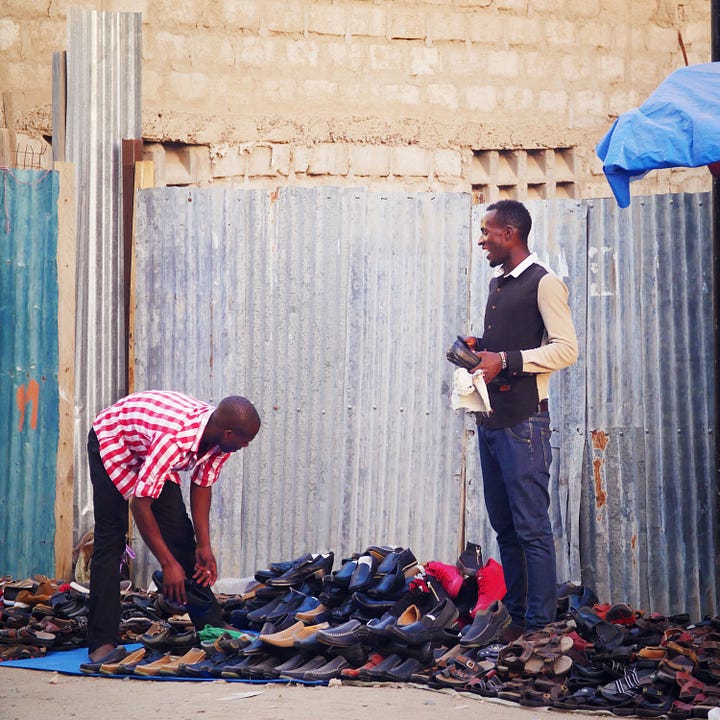
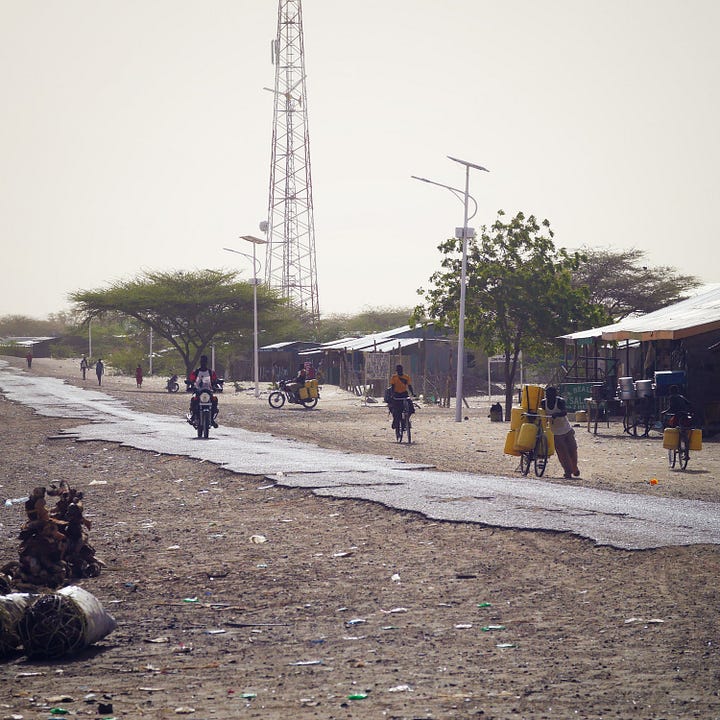

I walk back to my hostel through the dusty city and every kid shouts ‘How are you?’ at me, an echo of bright child voices following me past carpenters and metal workers in roadside workshops, repairing office furniture, crafting gaudy bed frames, or welding large mean-looking gates with spikes on top. A bunch of young girls ask me where I’m from, after deciding I’m from Germany they ask me what the best grammar school in my country is?
People acknowledge my existence with a cool nod, young boys on scooters yells something and laughs, but otherwise no one seem to mind a lone Swede meandering through the bustling dusty market streets, why would they. There is commerce everywhere, no place to rest, no space un-monetized, in a way an ideal neo-liberal urban landscape, the shopping mall - just like any European city a few hundred years back, before parks and promenades countered productivity with the for the pious ever so aggravating concept of idleness.
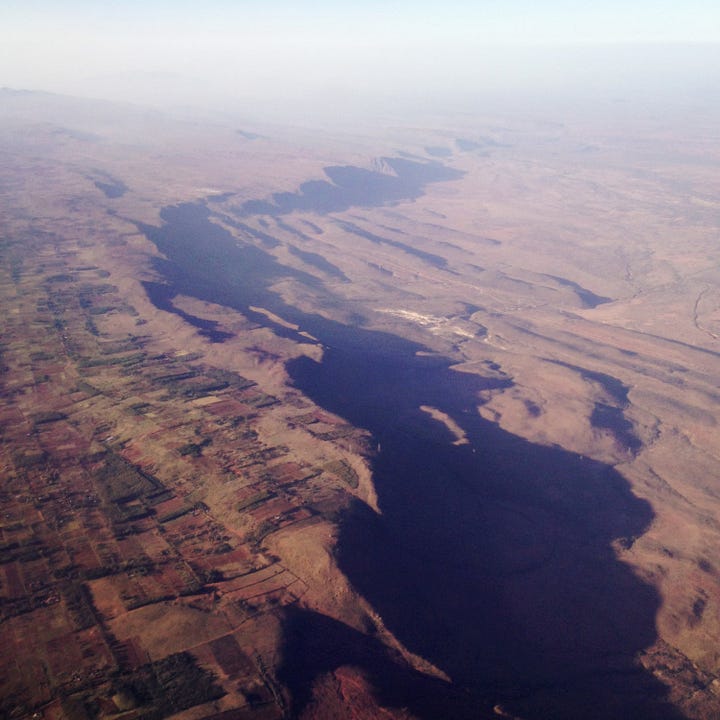

My neighbour in the Naiwotorong Guest House in Lodwar is a weathered Alaskan gold miner, using his old drilling skills to find water for the poor communities in the dry Turakanan wilderness. We talk on the plane back, he says that when encountering a problem, one third of the world reacts with fixing it, while the other two thirds react with wishing it goes away. I cringe when I realised what division he means. He talks about genetics, how cultural shift happens so slowly, how white people are problem solvers, maybe not by nature but by a culture that has long since been coded into our very dna, in contrast to other cultures. I counter with the differences between the perspective on authority and community in the east and the west, how capitalist industrialism is based on the trickster mentality inherent to our Abrahamic religions, how China never embarked on their possible industrial evolution in the 8th century not because they didn't have the knowledge but because they simply didn’t need to, people were happy as they were. He listens, and politely ask me what’s the difference between that and his geneticised culture?
I argue that even though these cultural shifts might be currently geneticised in some way, who will ever know, any discussion about these matters need to take class into account as the main driver for motivating and enabling progress. We agree on this.
Even though his views might render him such he isn't racist or even conservative. He is a pragmatic, matter of fact, realist, applying the skills he once used to enrich himself now to a different end. Helping poor communities get water without expecting anything in return. Befriending the locals, seeing how things and people here work, applying his levelheaded Alaskan mind to it; realising it aint working and then trying to change it. “They have a saying here in Kenya that 9 is close enough to ten, which is certainly true when you’re an artist or a maybe even a farmer - but I’m an engineer, if you give me gears with the wrong dimension my equipment is going to break and then I’m not going to be able to drill your well, and then you wont get any water, that’s a fact I can’t back away from.”
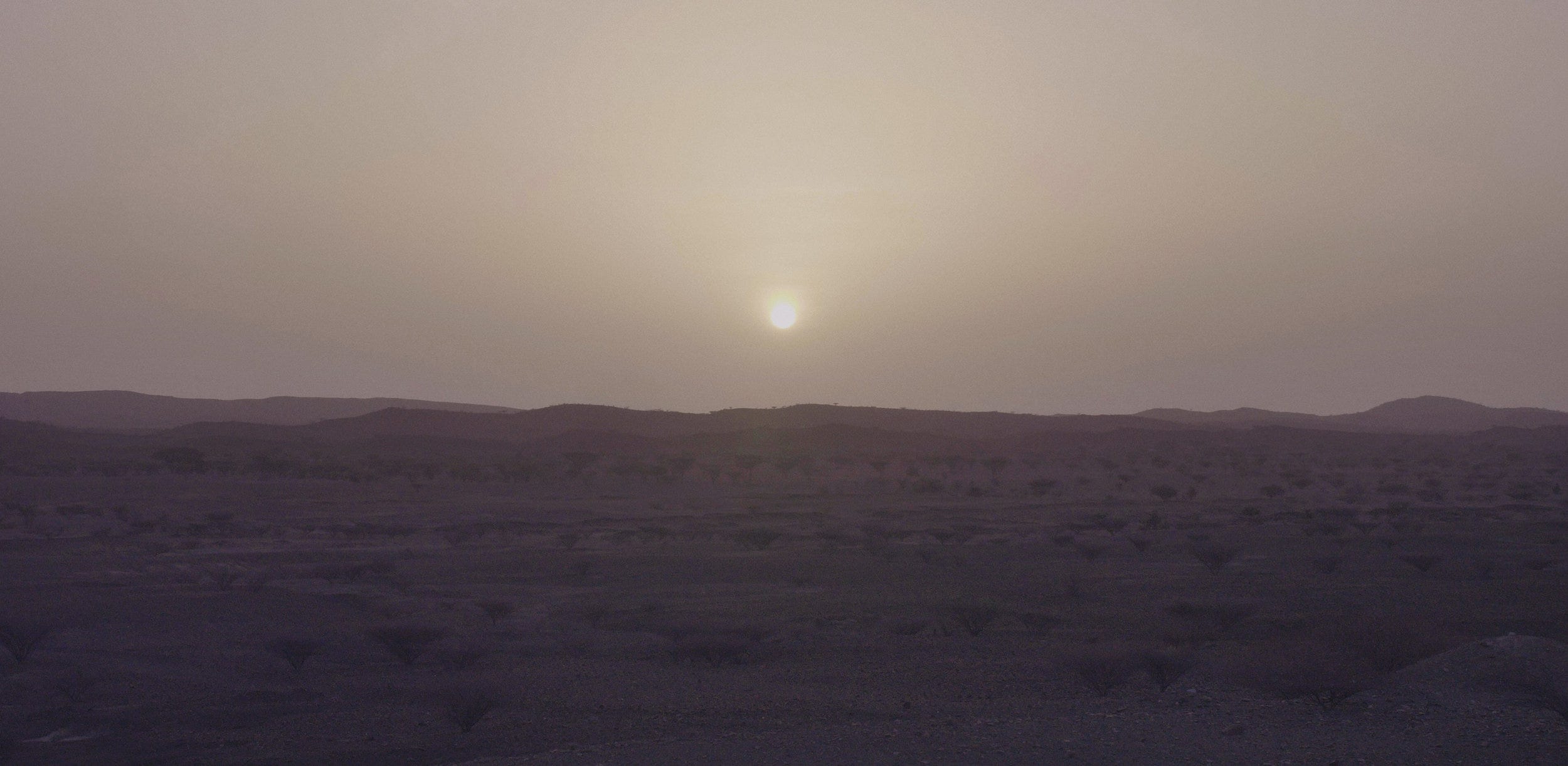
Waiting in the chill dark outside the reception for my cabdriver, there was a bat sleeping hanging from the ceiling above my bed. A detour through the dwindling streets still asleep, corrugated steel gleaming in our headlights, the occasional sleeping man, always his traditional Turkana walking staff firmly vertical in the right hand, a crazy old woman shouts something unintelligible that my relaxed driver laughs was not in any tongue familiar to him.
We're going to pic up his friend, who knows the part of the desert we’re going to better than him and who will act as our guide. The drivers all laughed yesterday when I showed them my hand-sketched map of my intended destination - the very birthplace of Industry - but to my relief no one discouraged me of going although they claimed there was absolutely nothing there.
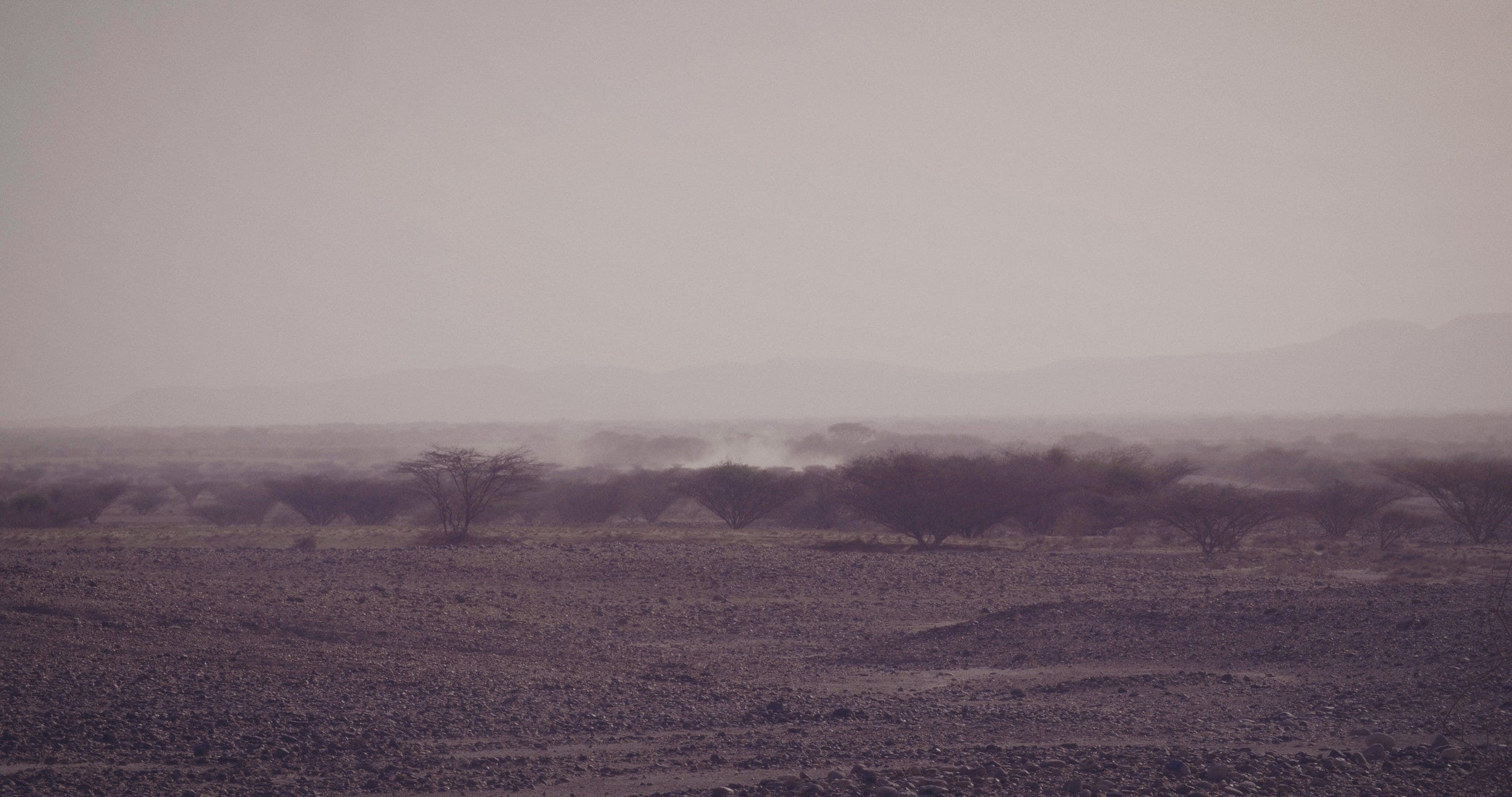
The guide is eager, talkative and lovely, we discuss relationships while the sun rises a purple sky over dusty flatness, indifferent camels meandering past silhouette trees, car parts littering the roadside, the road itself in such bad shape that we more often than not drive beside it, zigzagging through the dry bush to Bob Marley on the stereo. As a dedicated catholic he is ashamed to admit he has two wives, the first his real love, the second the outcome of a drunken mistake, she became pregnant, and old traditions compelled him to marry her - traditions he'd rather see eradicated, but to which he has to abide lest she'd be ostracised by her family.
I tell them about my polyamorous relationship, they ask in one voice the obligatory question of jealousy and I give my standard reply that “no, it doesn’t go away, you just deal with it, incorporate it into your relationship and deal with it together, allowing your love for your partner to flow out into their love for others and so on.” We all laugh at how cheesy it sound, but I insist it’s the truth.
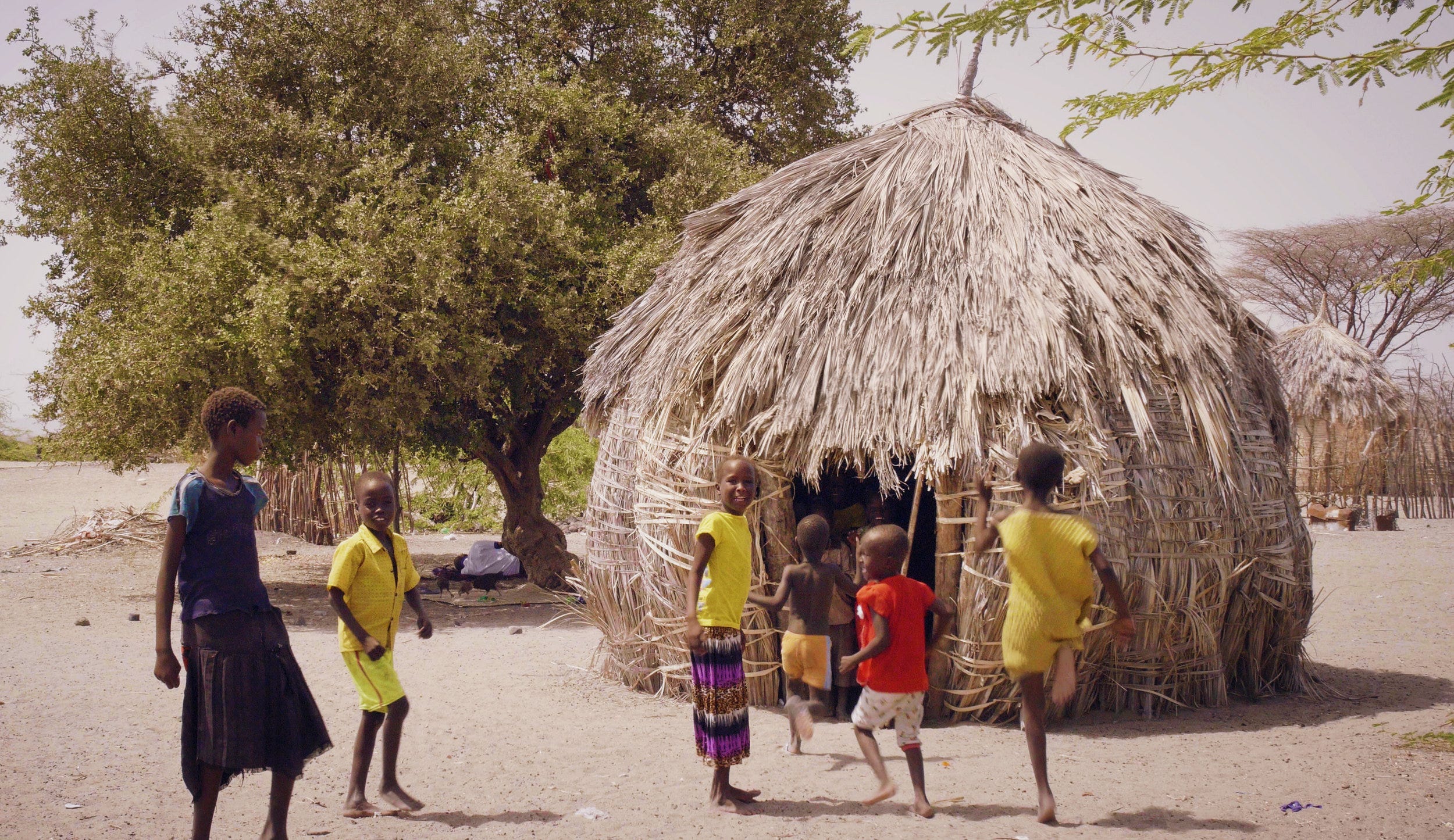
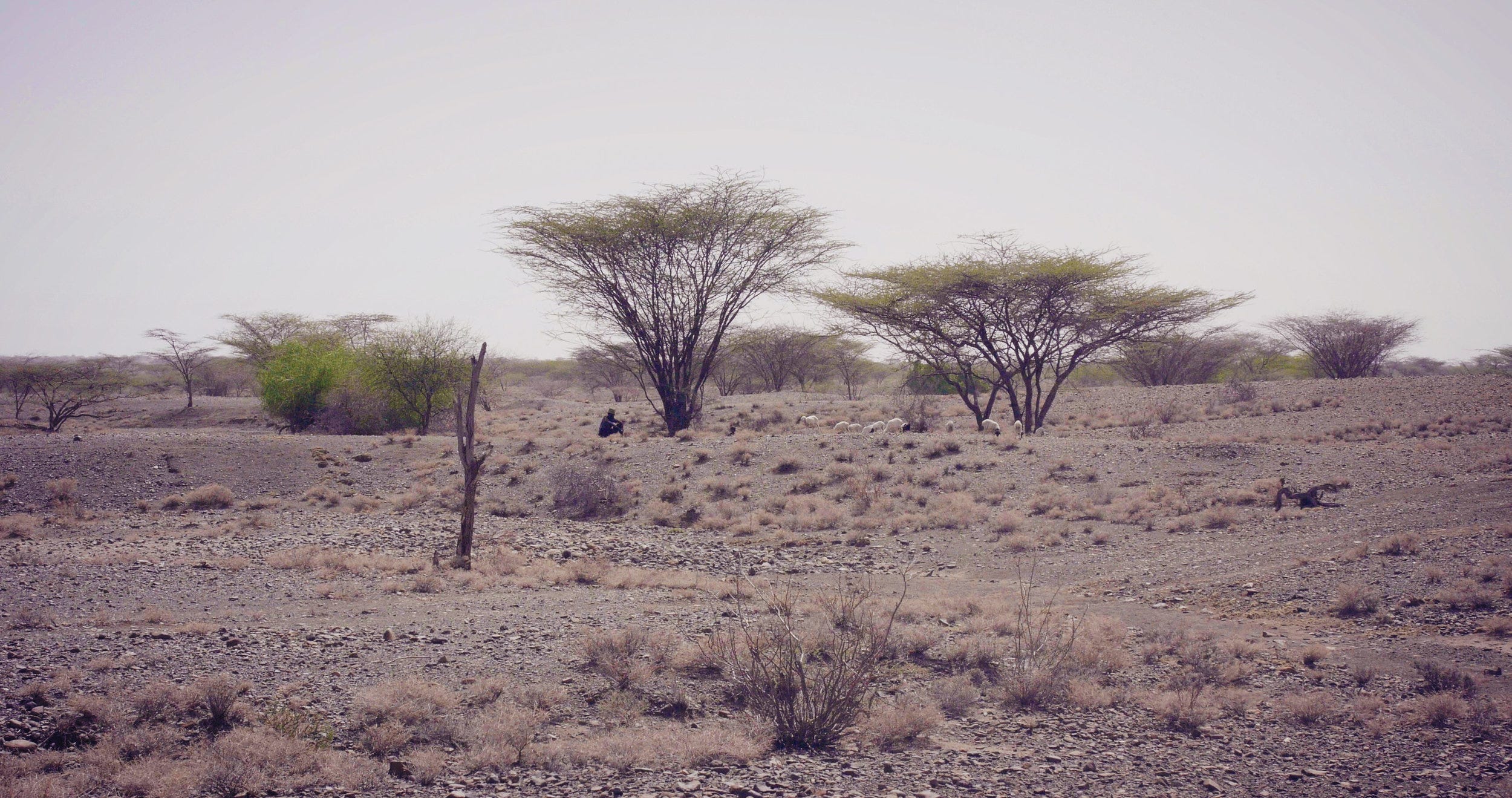
The Bob Marley cassette has been repeating for hours now and the conversation ebbed out. The landscape is absolutely flat, the mountains previously in the distance now long gone, an never-ending bush with stereotypical African trees, a few stubborn palms and the odd spherical turkana huts spread out towards the horizon, all roasted by an evil sun. Lone silhouettes in traditional turkana clothes slowly hike the roadside, heads crowned by brightly yellow plastic barrels, on the daily 3 hour commute from the village to the well and back. Stern old Turkana men with their walking staff across the handlebars cycles past on gorgeous 50s bikes, batting us a suspicious eye. Goats everywhere, quite small, not minding the sun, often not seeming to belong to anyone in particular.
A big old oversized truck appear in front of us, stopped before a tree trunk over the road. Around the tree a couple of dozen people in all ages wait silently, arms crossed, watching the truck. It’s a road block, the villagers demand a toll fee to remove the tree and let the truck pass. They tell us the fee is 100 Kenyan Shillings, around €1, and we pay using mPesa, the local mobile based payment system. With a satisfied grin and howl the driver speeds the 4x4 off the road, past the truck, up a small bushy hill next to the blockage and down on the other side, to a choir of amusement from the village kids, all jumping up and down clapping hands.
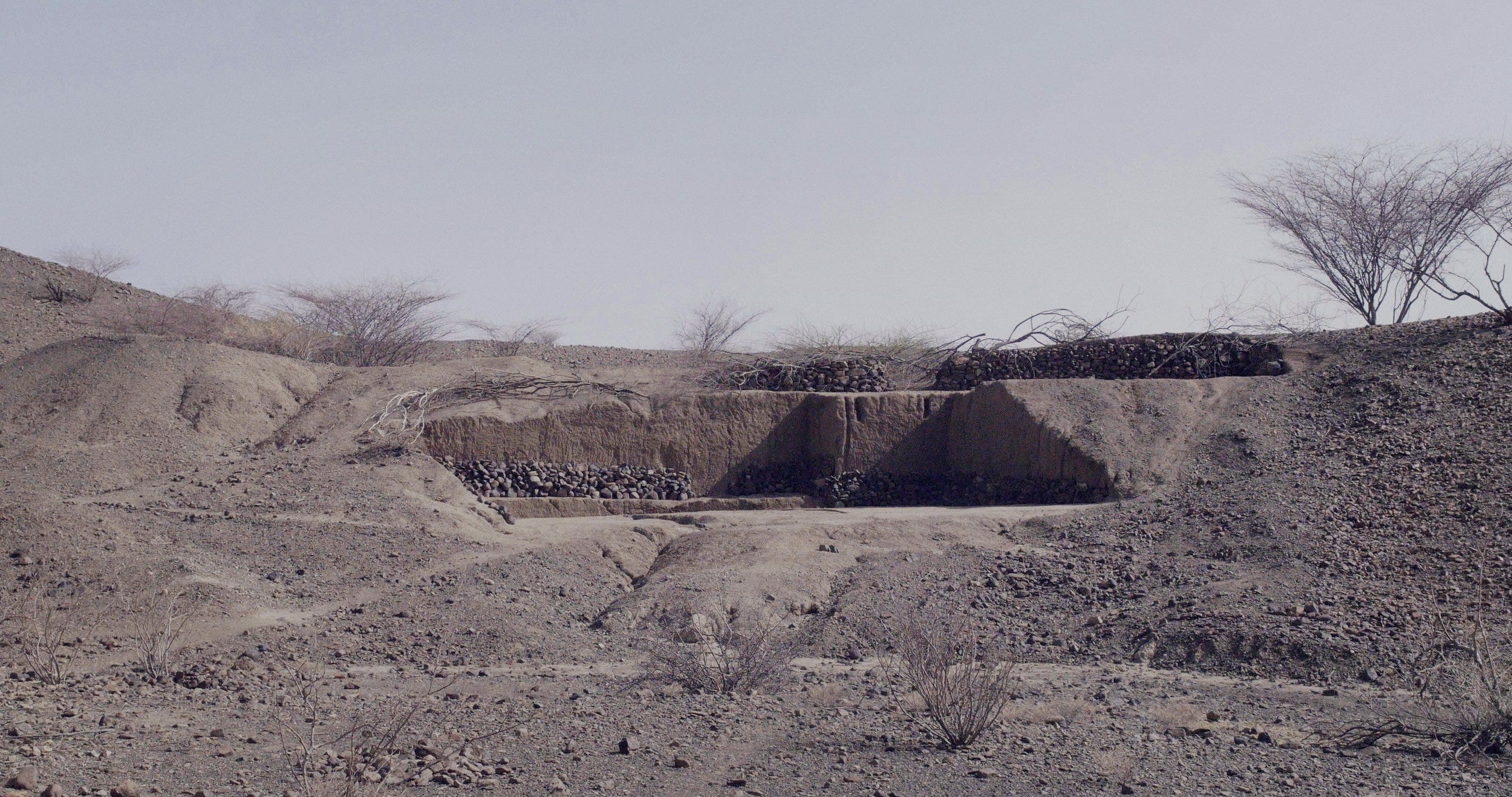
A few adventures later, among others involving a delicious lunch of goat intestines and me impersonating a friend of a famous archeologist to persuade a security guard to let us pass, we reach the site. It is a few meters wide and couple meters deep hole in the ground in an otherwise featureless landscape, dry bushes and trees, a few goats in the distance. A spot that to my geologically and archeologically untrained eye seem no different than any other spot we have driven past today. But this is the birthplace of industry.
This hole revealed the oldest man made tools in history, a number of stone knifes and hammers buried in the Turkanan mud for 3.3 million years. This is the place where the first of our forefathers realised that they were able to extend their bodily capabilities through the use of external prosthetics, the moment we stopped being animals and started to become something else - creators, gods if you will.
It takes me around half an hour to get the shots I need, and afterwards the others are eager to escape the scorching heat. But I can’t just leave? This place, if spatial locations at all are to be sacred and memorialised, ought to be the most sacred place of all? Even if it’s just a piece of dusty desert I ought to at least commemorate it somehow, meditate? run around screaming?
Not feeling in the right company of doing this, I instead take a much to long take of almost unusable windy sound whilst I sit in silence trying something akin to a prayer. Then we leave, and go to swim in the 40° warm waves of Lake Turkana.
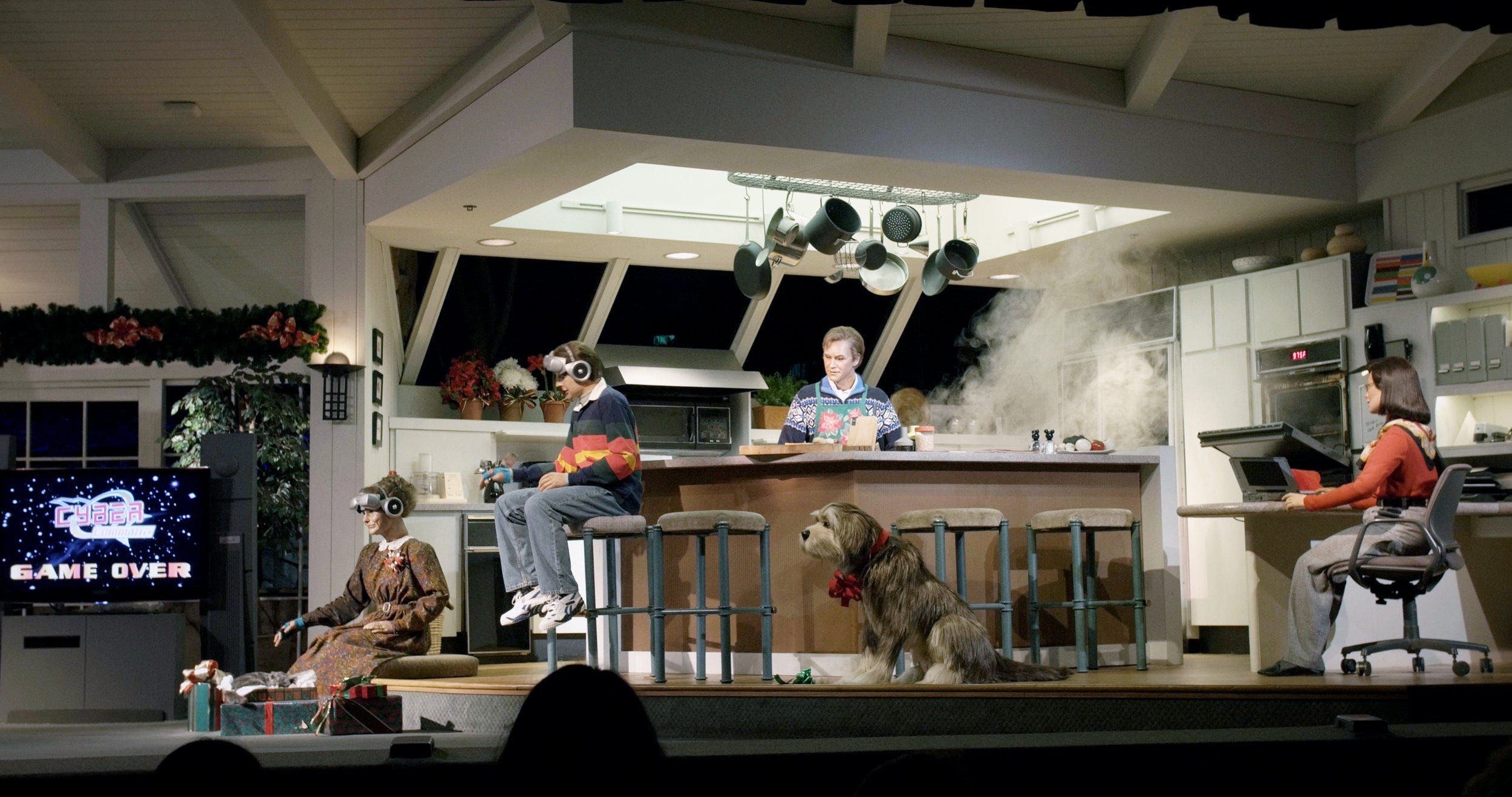
The Carousel of Progress is Walt Disney's celebration of technological inovation, an animatronic theatre steeped in technoutopianism, following a family and their household filled with joyful technical appliances during the beginning of the last century, the 20s, the 50s and today. Todays rendition of the technologically actualised American dream home includes a fridge being programmed with a chunky 90s laptop, a grandma winning on VR games and a confused speech controlled oven that mishears every word as an order to increase the temperature - “Oh no, not another Christmas turkey ruined!"
After I sat through the show at least three times secretly recording it from different angles - don't tell Disney about this - I went out and saw the fireworks, uncomfortably comfortable being alone at the never-ending spectacular finale of this journey into total spectatorship. Your entertainment, as you want it, no strings attached, no expectations, total control - an on demand and highly virtual reality.
A place inhabited by fat scooter borne parents with screaming kids, faces smeared with ice cream white green red, Mickey ears askew, quality time enjoyed, family love fulfilled. As well as young foreign couples on romantic holidays among towering fiberglass renditions of their childhood memories, all beauty, romance and instagrams - but something not quite right, a faint but growing feeling that something is not quite as perfect as could have been, that you and your partner might have been happier elsewhere, that something here is lacking something, reliability?
I learned that corn dogs are not vegetarian, I didn’t find Elsa, and later on I bought beers from an off-brand shopping mall a number of massive junctions and closed fast food chains away from my cheap motel. On the way back two kids were smoking weed in a desolate parking lot, one in a wheel chair, both wearing LED-blinking shoes, unidentified hiphop playing on low volume.
~There's a Great Big Beautiful Tomorrow...
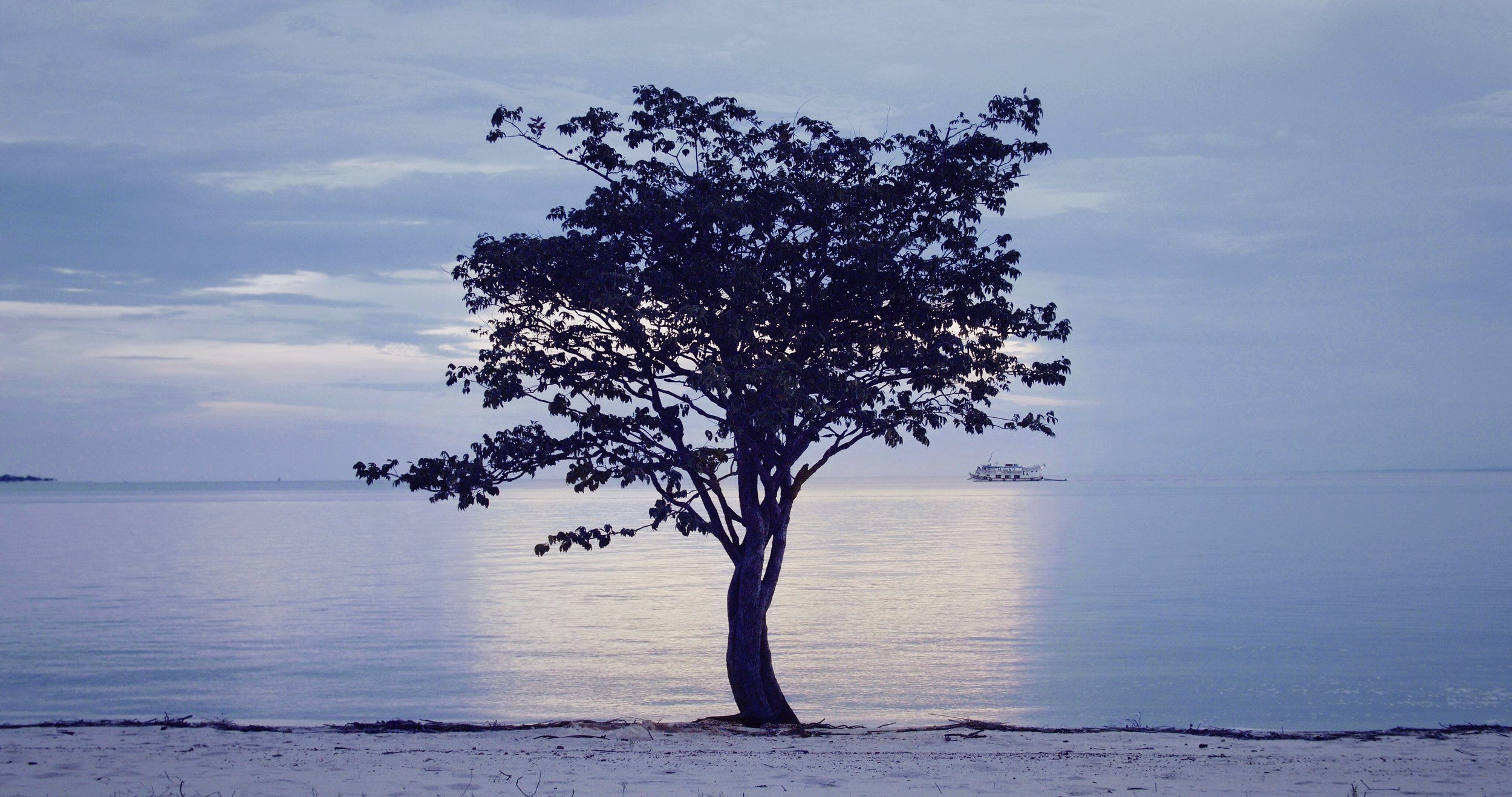
At a roofed outdoor restaurant beside the Amazon river, a thunderstorm closing in, clear lightning beams in the distance send two young girls screaming, their father laughing heartily. It’s getting windier as well, while still hot and smelling of vegetation and exhausts. The tables table cloth clips proves their purpose, I’ve previously always thought them such an unnecessary object. A not to cheesy guy on a barstool with an acoustic guitar accompanies the thunder roaring closer, joking about it between songs but as everything else in this city it is incomprehensible to me.
In a book shop earlier hoping for a read for tomorrows boat ride, I found an old and scribbled but english copy of Anna Karenina wedged in among the overflowing shelfs of Portuguese stuff, which I got for free.
Santarém is a lush but gaudy shopping mall perched on the strange and sacred junction where the Tapajós and Amazon rivers meet without mixing - literally that is, the formers brown water won’t mix with the laters clear, creating the odd effect of two rivers flowing side by side in the same channel. It seem to be common practice to employ a sort of MC miked up outside shops urging passersby to come and buy stuff - “Hey mister, you seem to need a new shirt!”, “Hey girls, don’t you need to update your wardrobe?”, all of this but speculation since I ain't understand a word. But I can’t really figure out any other explanation to why so many amplified dudes are standing on the sidewalks shouting down each other?
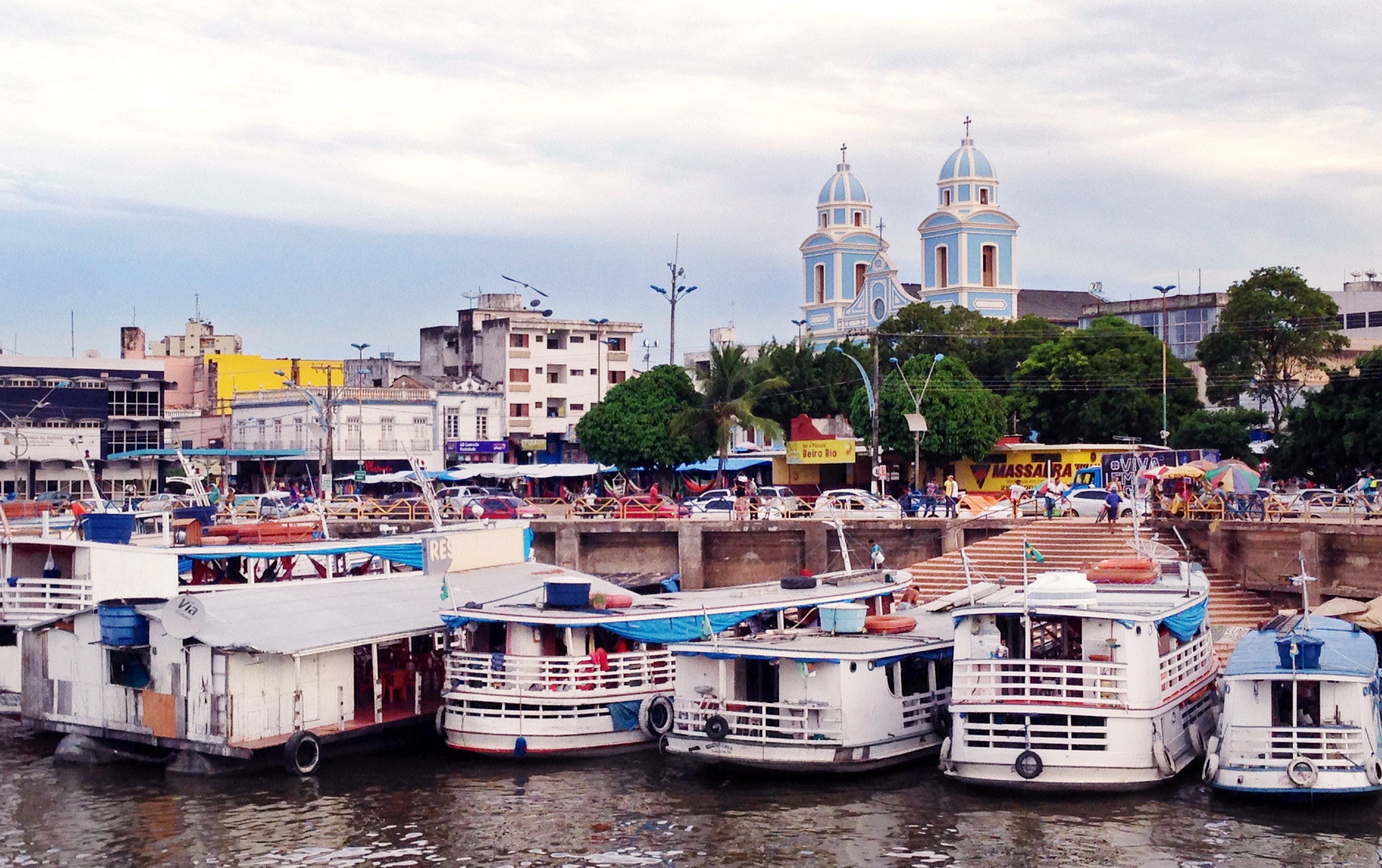
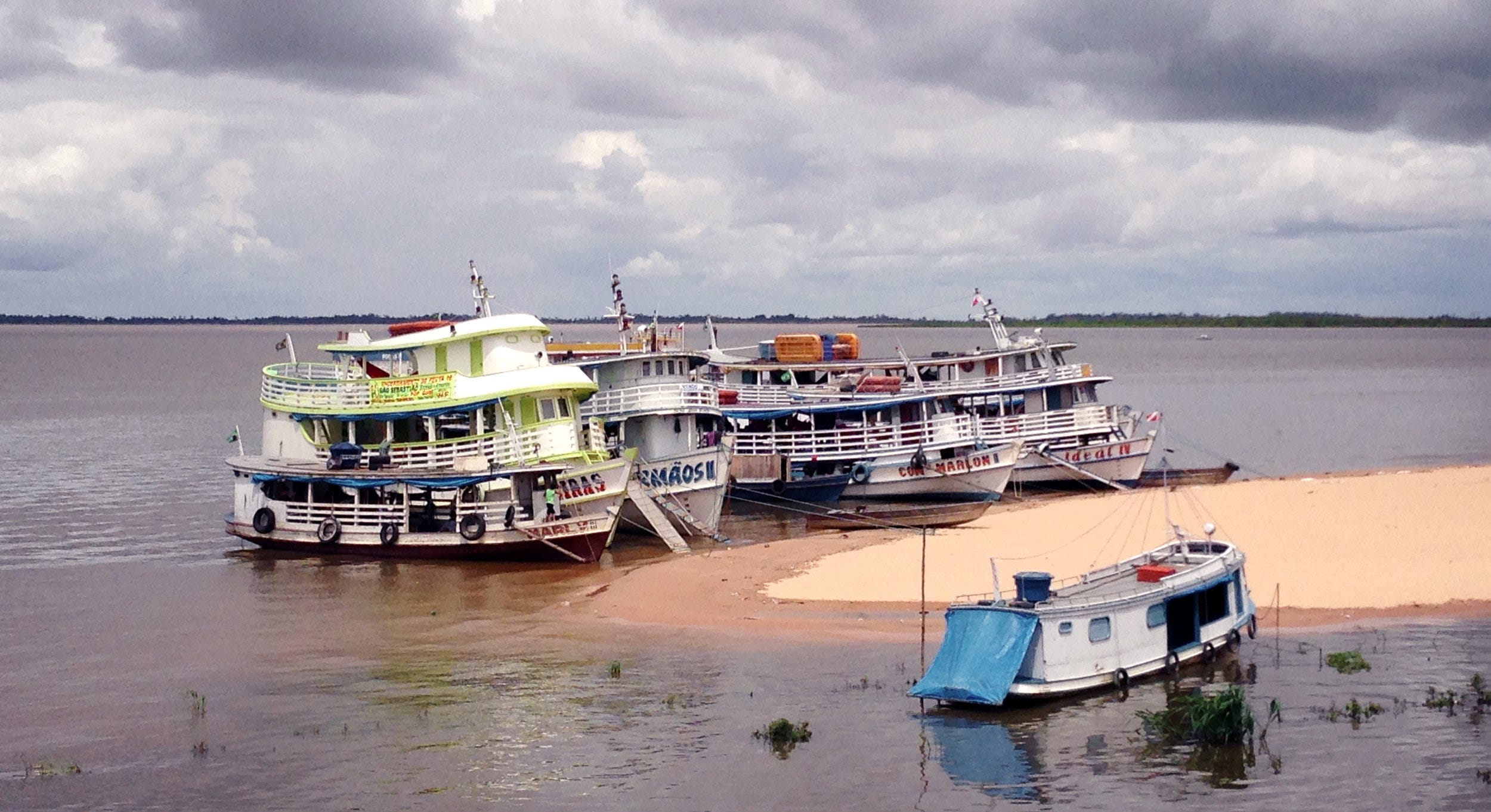
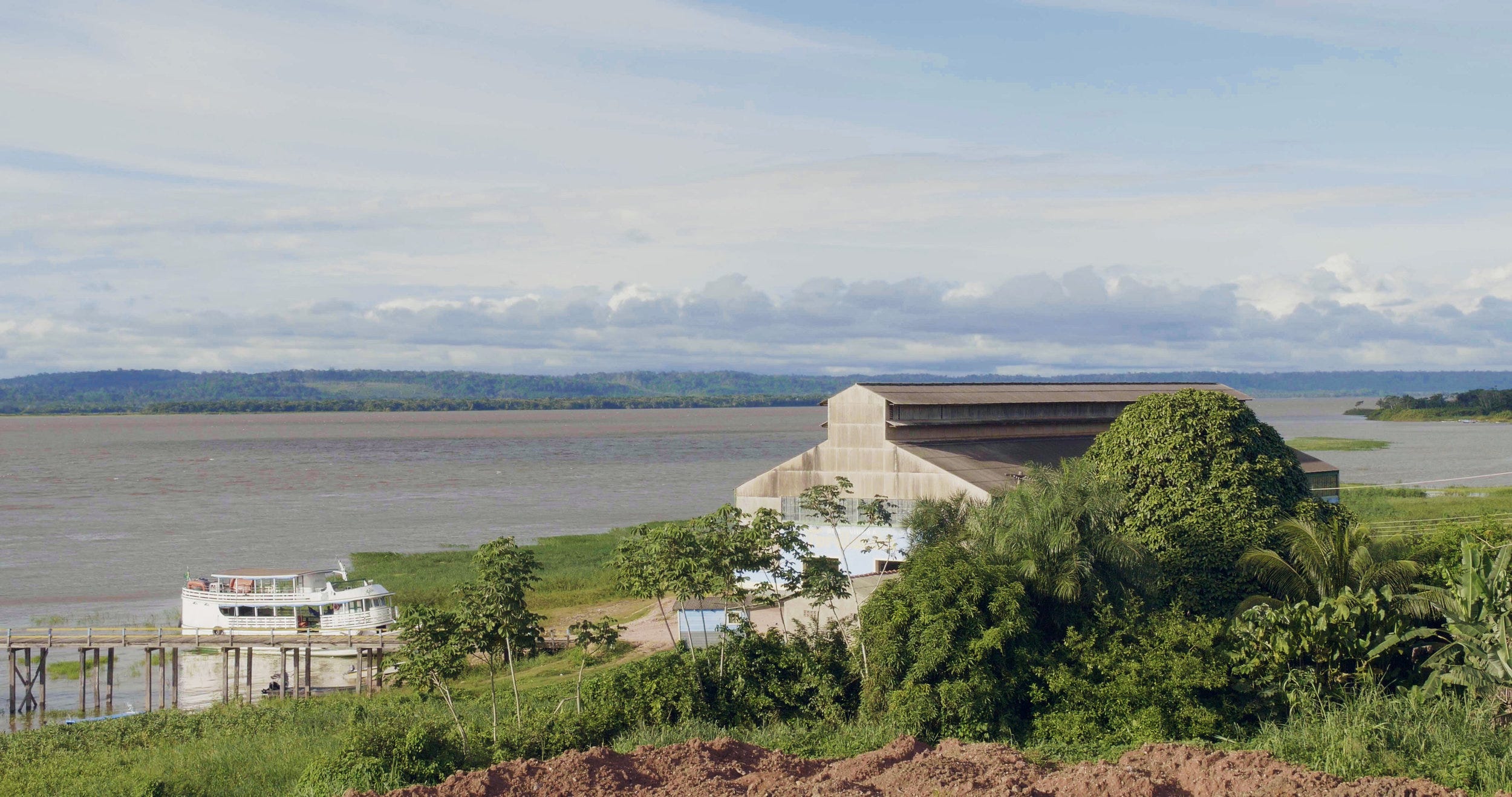
The harbour linger a colonial feel, some boats looks like from Fitzcarraldo, one of which I hope will take me to south the Tapajos to Fordlandia tomorrow. I’ve heard it takes 13 hours on a good day, and that it’s a advisable to bring a hammock to hang from the fixtures since there wont be seats. I imagine weathered and tattoed men with manchetes and suspicious eyes, ageing german biologists with oversized moustaches and pith helmets, hardcore National Geographic journalists that has seen it all, the odd monkey.
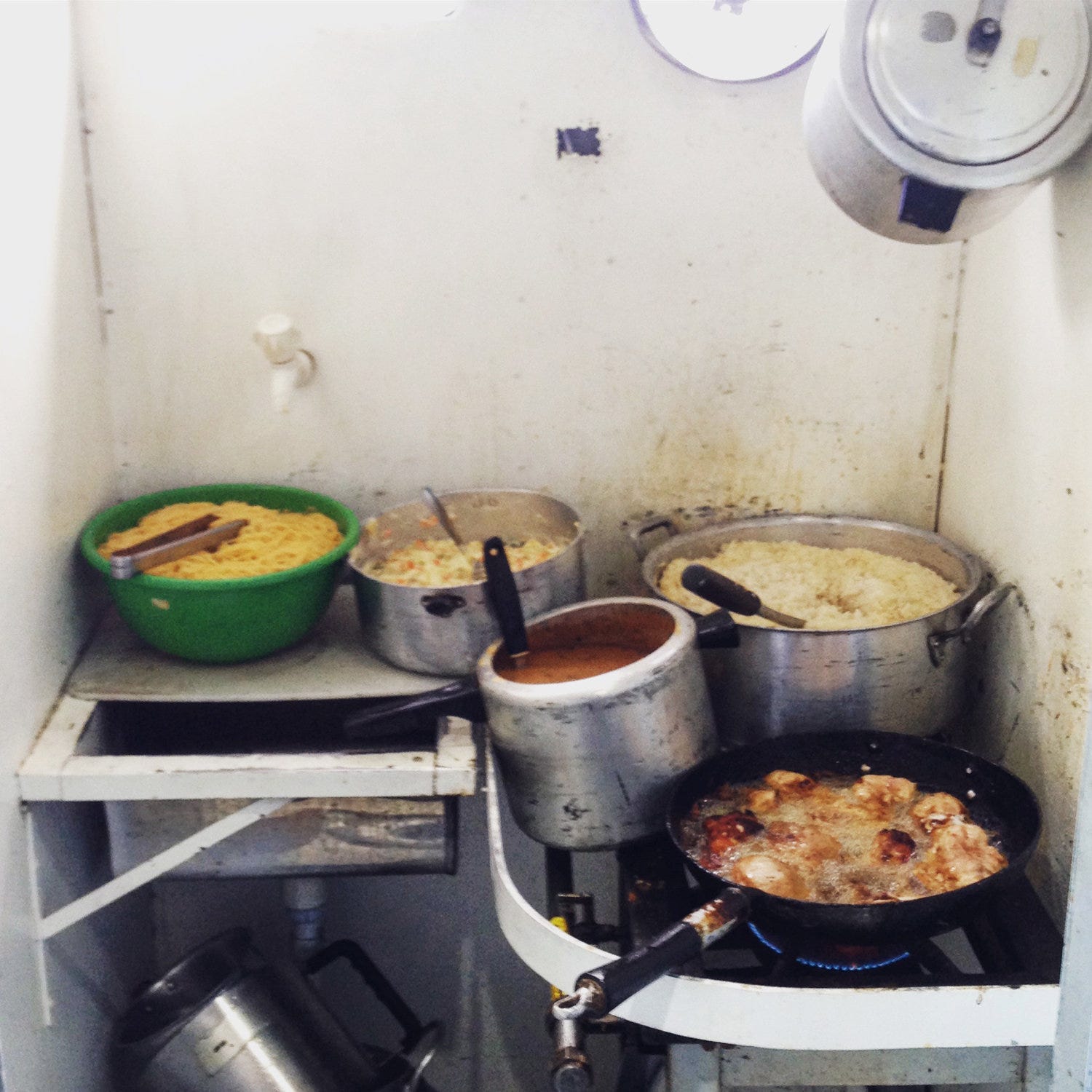
But no, the boat is a very modern thingy. Flat tv's play blockbusters for everyday commuters in reclining seats, sleeping, reading or working laptops. The captain tells me the journey will take approx 4 hours, slightly disappointed I pick up my computer and get some work done. At lunch-time a cartoonish looking chef serves spaghetti, rice, beans, mashed potatoes and meat all on the same plate - carbs for everyone!
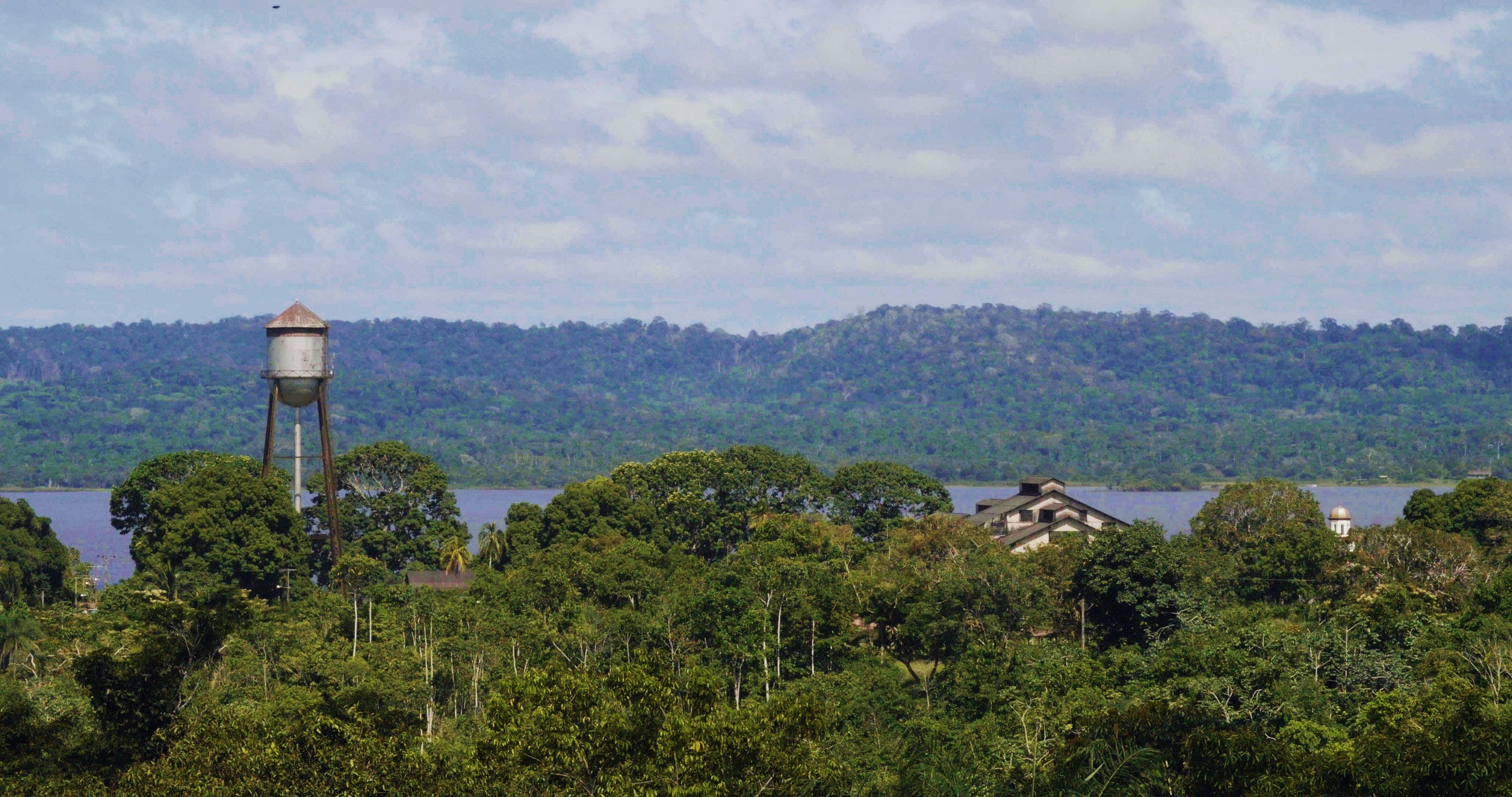
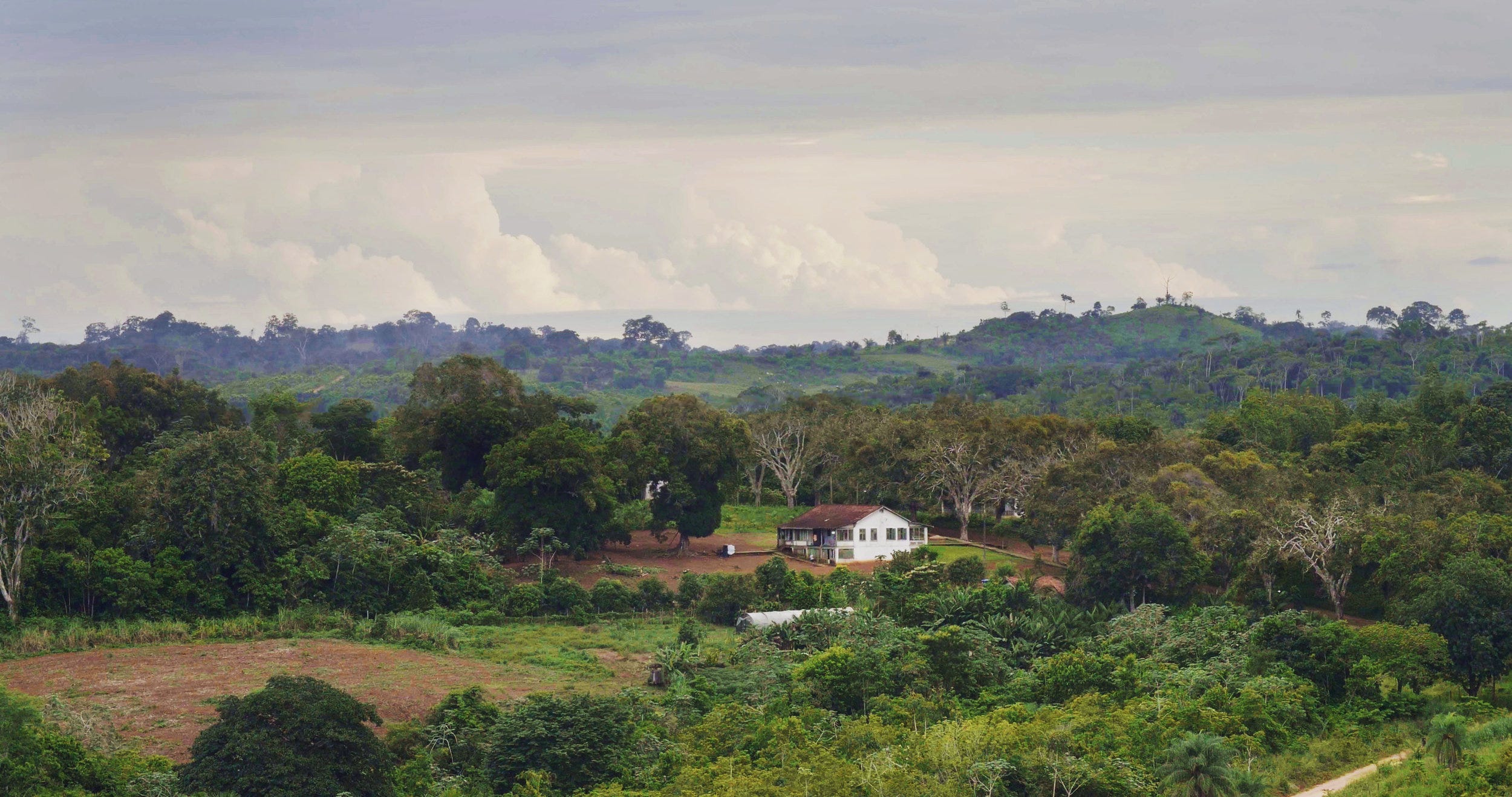
Henry Ford, the great industrialist, made two failed attempts at rubber production in the Amazon, a venture to break the British rubber monopoly of the time. The first is the iconic Fordlandia, top level bucket list for urbex:ers around the world. The second is Belterra, a 40’s American midwestern town in the middle of the jungle, still today in mint condition, bright red fire hydrants, meticulously kept lawns and cheerful greetings exchanged between neighbours in shiny Ford pickups.
“It was order when the Americans were here, and I believe we try to keep that order”, say João Do Nascimento Rocha, born during the American era and keeping the rubber harvesting tradition alive even though natural rubber was obsoleted by its synthetic counterpart years before the plantages ever returned Ford any profit. Traces from the company town is found everywhere, the manholes still bear the Ford Motor Company logo.
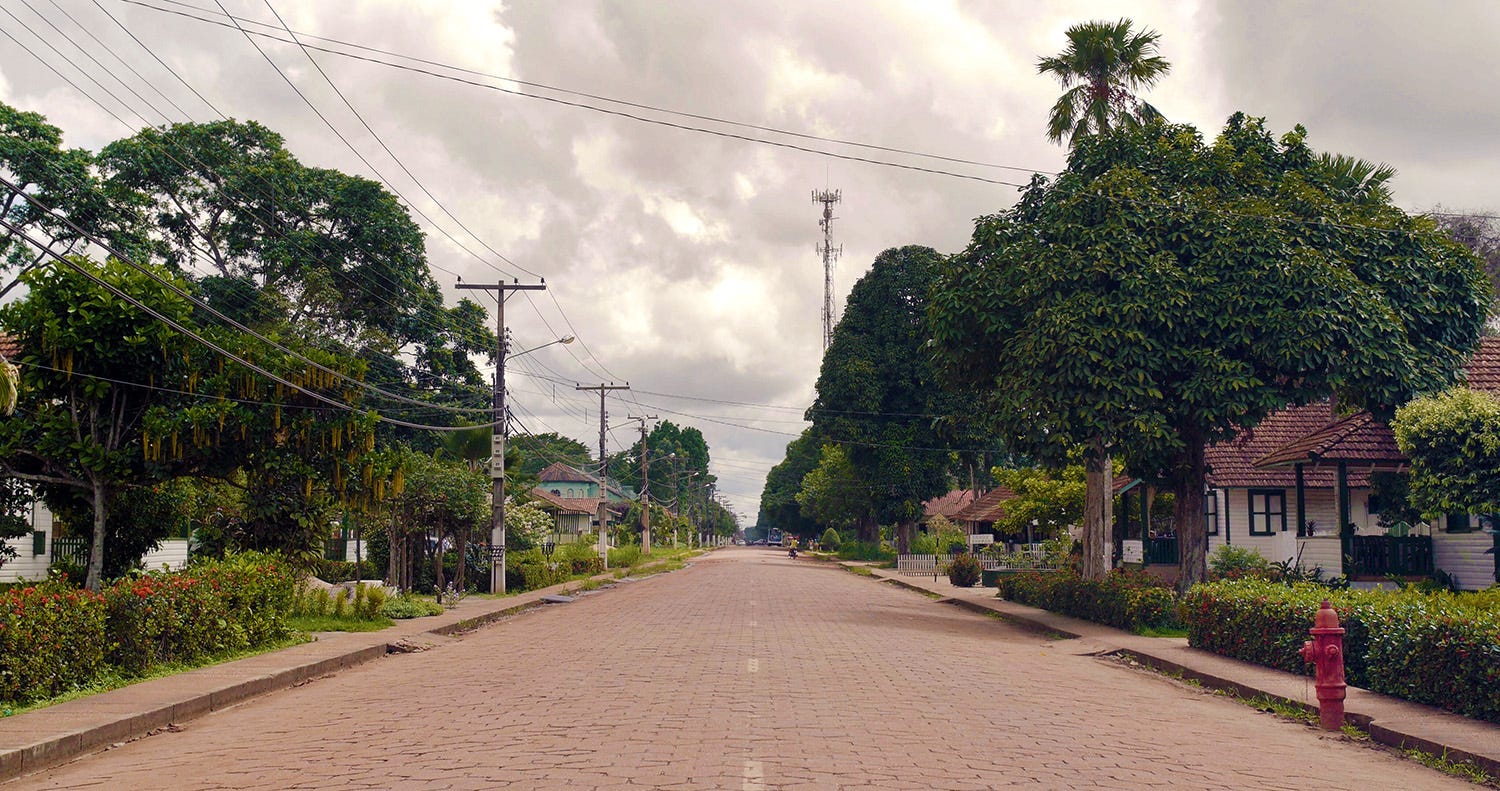
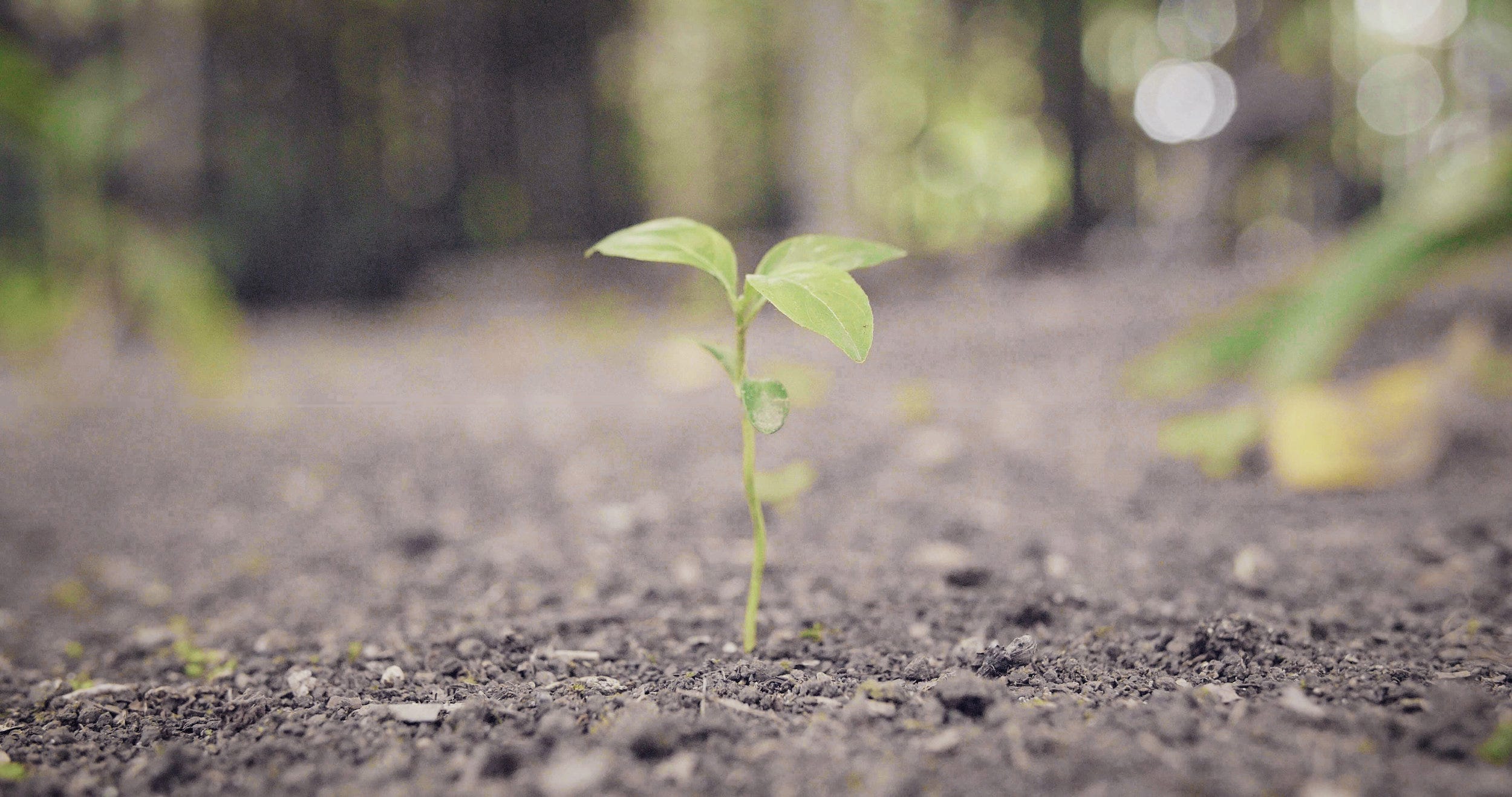
Belterra translates into 'pretty soil', and its very soil is the reason it is an ideal site to grow rubber trees. All across the Amazon basin traces from pre-columbian civilisations can be found in the form of Terra Pretta - ‘black soil’, a man-made mixture of charcoal, bone and manure used to fertilise the otherwise meagre soils of the jungle. This anthropogenic earth continues to regenerate itself thousands of years later, proving Francisco de Orellana right in his observation that the banks of the Amazon was densely populated when he as the first European traversed it in 1542.
When more Europeans returned a few hundred years later more than 90% of the natives were already killed by western diseases, every trace of their grand terraforming project hidden under a thick layer of foliage, their wooden structures not lasting long in this wet climate, and no buildings built out of stone. What is today one of the most iconic untouched wildernesses was once a well tendered garden, the fertile traces of which still supply thousands of farmers with a living.
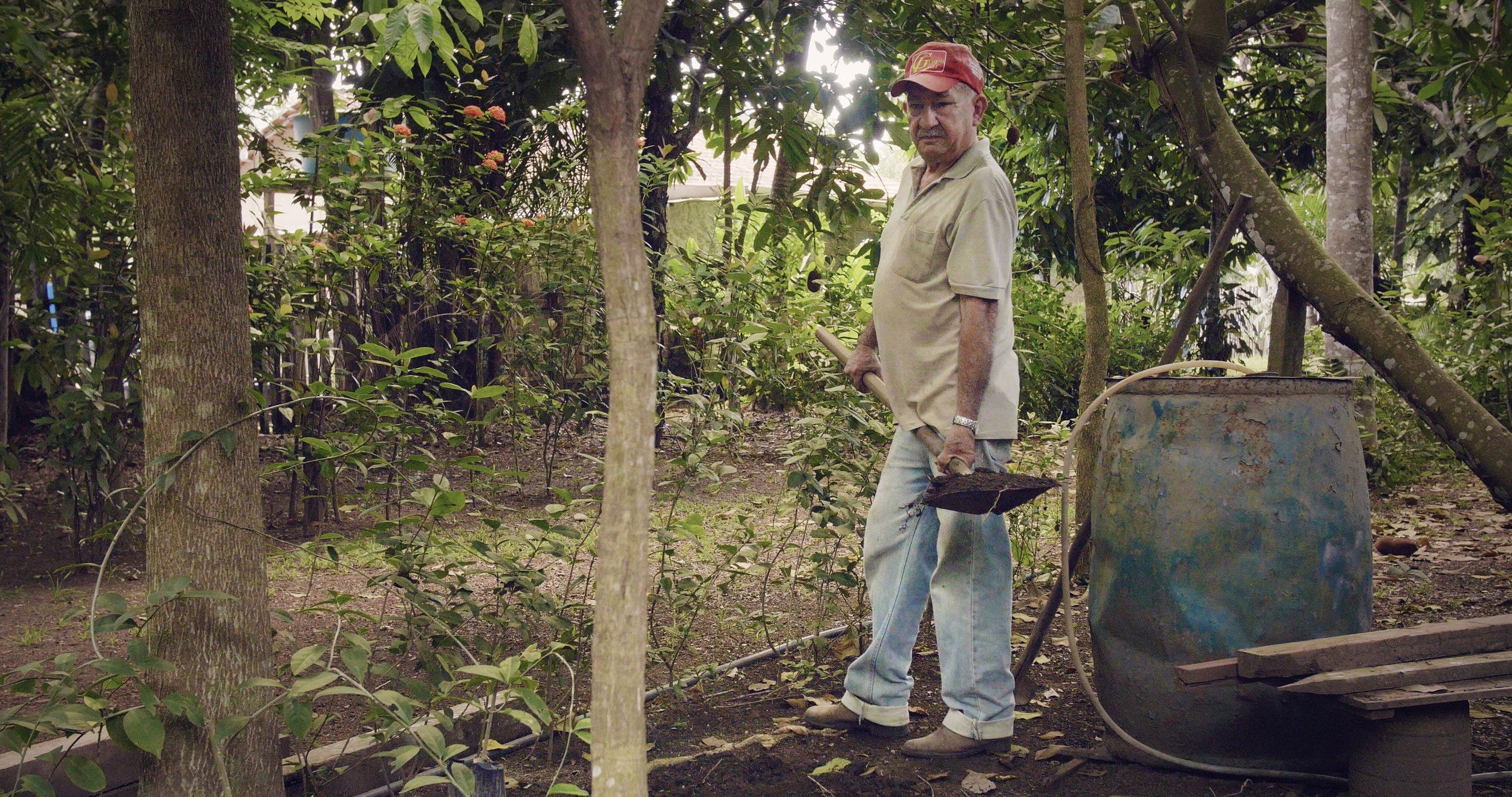
Ford's failed rubber plantages was less of economic ventures as much as intentional communities intending to escape what he saw as the failure of benevolent capitalism in the United States. Despising the contemporary American society, with it’s unchained greed, jazz music and abandonment of traditional family values, Ford wished to start anew in a virgin place, a sacred eden where to create his perfect American society. The plants was proper company cities a la mode, including all amenities a well mannered workman might wish for, even a cinema, although it only screened films pre-approved by Ford himself.
There was a ban on football, alcohol and smoking, company guards went house to house each morning to check all was clean and beds were made. Walt Disney made a documentary about the project proclaiming it a successful and logical continuation of American ideals, here consolidated in it’s ideal form. A year later the Brazilian workers got tired of American food and the intense level of control, and promptly revolted chasing the Americans into the jungle. They cut the telegraph wires and the Brazilian army was eventually deployed to halt the uprising.

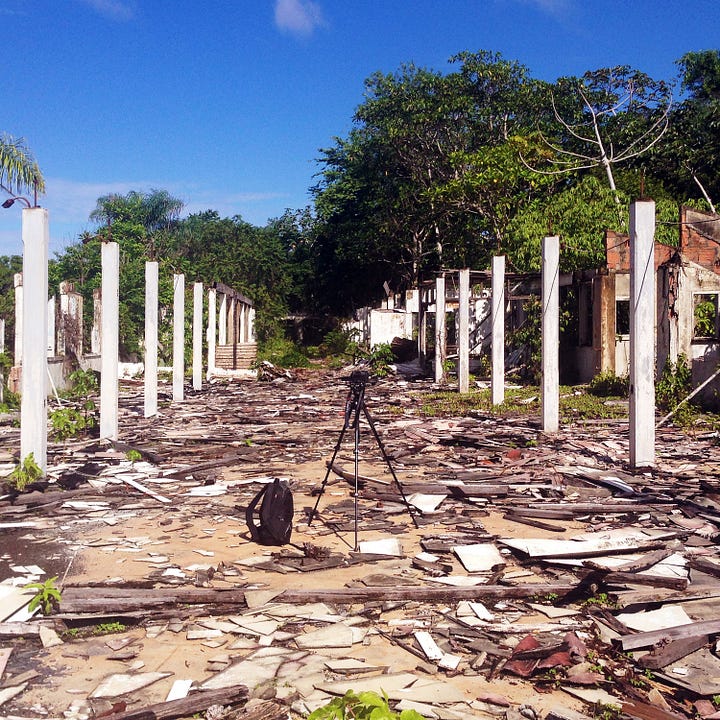


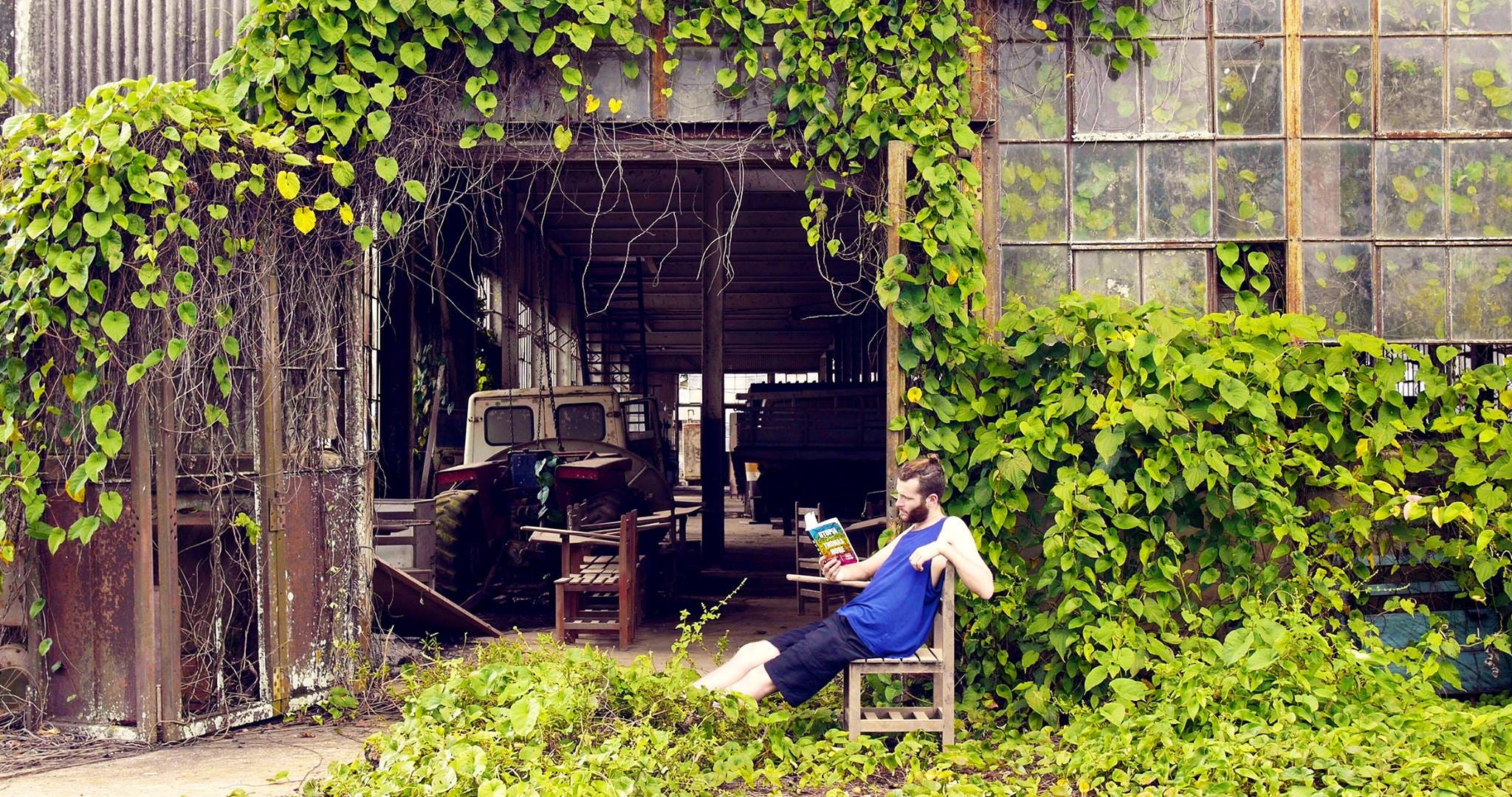
Around 80 years later, on the day of Trumps inauguration as the next American president, I’m sitting in these misplaced American ruins reading Thomas More’s ‘Utopia’. Ford seem inspired by More, the same unquestioned confidence in the power of rules and hierarchies coupled with the same wish of starting anew, in a ‘virgin' place, with the same utter disregard of the people already living in this ‘virgin’ place. The native Amazonian tribes in Ford’s case, the Abraxians in More’s case. Misplaced they move further in the jungle, avoiding any contact with the strangers, for decades, hiding, waiting. Or, in the case of the Abraxians, further back into the mists of history, to that strange part of wikipedia where you start to doubt its factuality, or maybe rather your own.
I try my best to avoid the sadness of being alone in a place I’ve dreamt to visit since I as a teenager first saw it's photos in a compilation of “coolest abandoned places ever” somewhere on the internet. I’ve had so many moments of “Woah did you see that!?” during the past days, just to instantly realise that I’m the only one around. The old couple I live with is nice though, I have fallen into the stereotypic role of the son regardless of our complete lack of shared language. Me and the mother laugh at the snoring dad on his afternoon nap, me and the dad admire parrots in the garden, they joke about my compulsive instagramming of everything, “oh, the youth of today".

No posts
Comments
Nothing yet. Say the first thing.
Sign in to join the conversation.