
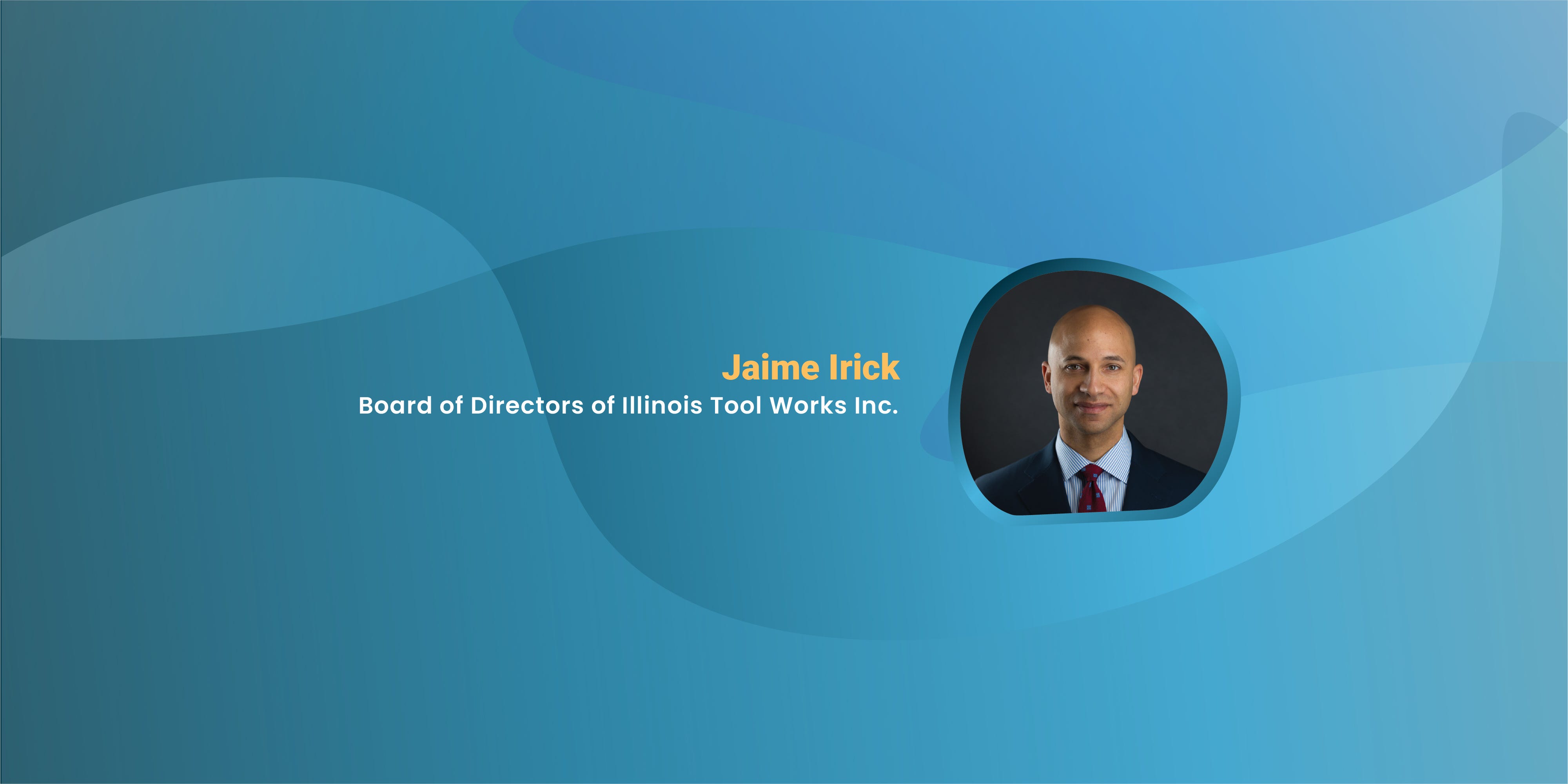
Achieving meaningful business growth in today’s volatile world requires more than simply increasing sales or expanding operations. It calls for a future-proof strategy—one that weaves resilience, adaptability, and purpose into a company’s DNA. As industries face technological disruption, environmental challenges, and shifting consumer values, businesses that ground their growth in sustainability and strategic foresight are those most likely to succeed in the long run, as Jaime Irick defined.
Purpose is no longer a branding luxury—it’s a business necessity. Organizations with a clearly articulated purpose that goes beyond profits tend to build deeper connections with customers, employees, and stakeholders. This purpose acts as a north star, influencing decisions and behaviors at every level of the organization. Whether it’s reducing inequality, promoting innovation, or preserving the planet, purpose-driven companies earn trust and foster loyalty—assets far more valuable than short-term revenue spikes.
At the same time, adaptability must be baked into any long-term growth plan. The pace of change is relentless, and businesses need to stay ahead of the curve. This includes embracing digital tools, automating processes, and remaining open to transforming traditional models. The companies that thrive are those that learn continuously, iterate rapidly, and respond thoughtfully to both threats and opportunities. Flexibility is not just a trait—it’s a strategic advantage.
Equally important is a commitment to sustainable practices. Consumers and investors alike are holding businesses accountable for their environmental and social impact. Reducing waste, conserving energy, ensuring ethical supply chains, and supporting communities are no longer optional—they’re expected. Businesses that integrate sustainability into their operations and culture are positioning themselves as leaders in a new era of responsible capitalism. They attract conscious consumers and build long-term shareholder value by consistently doing the right thing.
Talent strategy also plays a defining role in future-proof growth. Businesses must invest in people—recruiting diverse talent, offering opportunities for upskilling, and nurturing a workplace culture that values collaboration, inclusion, and innovation. A motivated workforce is not only more productive but also more committed to advancing the company’s vision.
Lastly, forging strategic partnerships can amplify a business’s impact. Collaborating with other enterprises, nonprofits, academic institutions, or startups enables knowledge sharing, faster innovation, and access to new markets. These ecosystems of cooperation create shared value and can accelerate progress toward larger goals.
Future-proofing a business isn’t about predicting the future—it’s about preparing for it with purpose, agility, and integrity. By designing strategies rooted in values and shaped by bold thinking, companies can grow not just bigger—but better—for the world they serve.
No posts
Comments
Nothing yet. Say the first thing.
Sign in to join the conversation.