
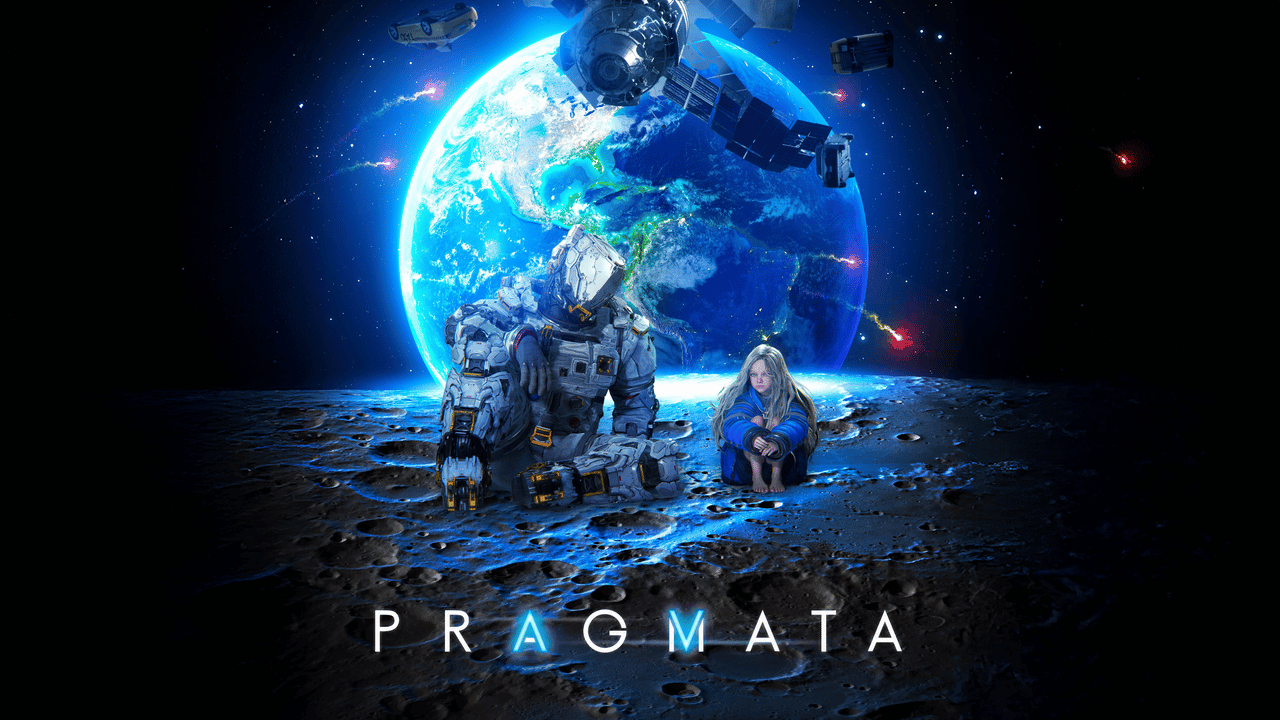
Capcom sent me a pre-release code for Pragmata on PS5, and I played the entire game on PS5 Pro. I wrote about it a bit over at 80 Level, but I don’t currently publish scored game reviews anywhere professionally. However, I’ve got over 15 years of experience in the industry, so I’ve decided to revive my Substack a bit.
Let me know what you think and if you’d like to see more game impressions and reviews from me here!
There’s a certain kind of AAA game that used to feel more common, especially during the PlayStation 3 and Xbox 360 era. Big-budget, visually ambitious projects that weren’t afraid to be a little strange or try new ideas. Games that experimented with tone, structure, and mechanics, even if they didn’t fit neatly into established formulas.
Over time, that space has narrowed. Modern AAA development often leans toward refinement over risk, iteration over experimentation. Sequels, prequels, remakes, remasters, and live service cash cows are the standard.
Pragmata feels like a deliberate step back into a previous era—but with the benefit of modern execution.

Developed by Capcom, Pragmata is a new IP built around a mix of sci-fi concepts that feel especially relevant right now. Artificial intelligence, human-machine relationships, and space exploration are all familiar territory, but the way the game frames them is what stands out.
You take on the role of Hugh, a guy sent to the moon on a job, when all Hell breaks loose. A moonquake destroys the facility he’s investigating, killing his crew. Shortly after, you meet a small robotic girl named Diana, and the adventure begins.
What’s notable is how focused it all feels. Games built around multiple high-concept ideas can often come across as scattered or overdesigned. Pragmata avoids that. There’s a clear sense of intent behind how its world is constructed and how its themes are presented.
Gameplay benefits from this approach as well.
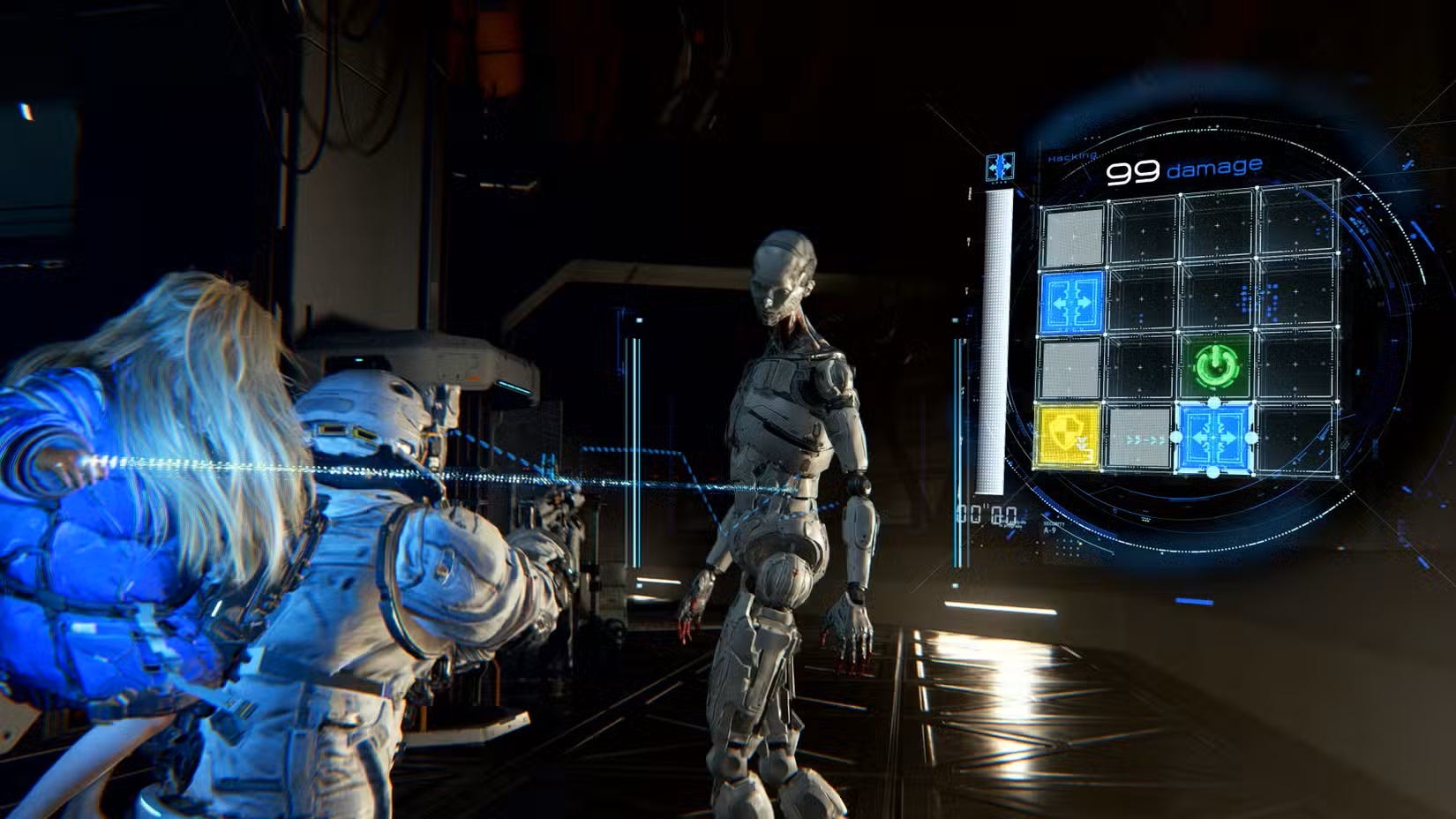
Rather than committing fully to either action or puzzle-solving, Pragmata sits in the space between them. Encounters aren’t just about mechanical execution, and they’re not purely about solving static problems either. Instead, the game creates a loop where players are constantly balancing the two by thinking through situations and reacting in real time.
As you can see in the image above, you have to navigate a grid while avoiding enemies and firing at them with an assortment of weapons. Certain nodes on the grid imbue bonuses or do damage to enemies, while others harm Hugh and Diana. It’s intense and extremely nerve-racking in a really fresh and exciting way.
The result is a system that feels dynamic without being too overwhelming.
At the center of all of this is the relationship between Diana and Hugh.
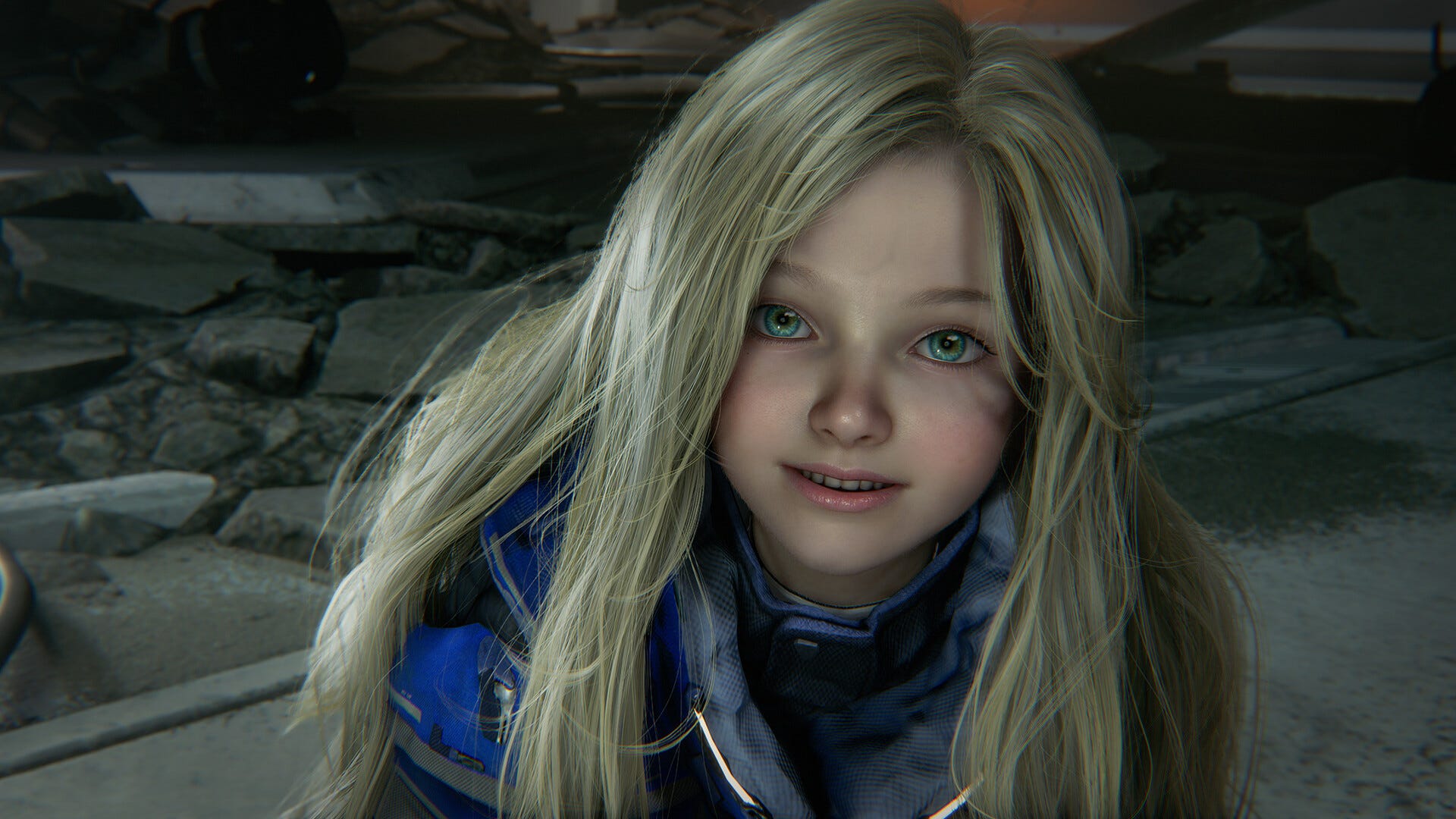
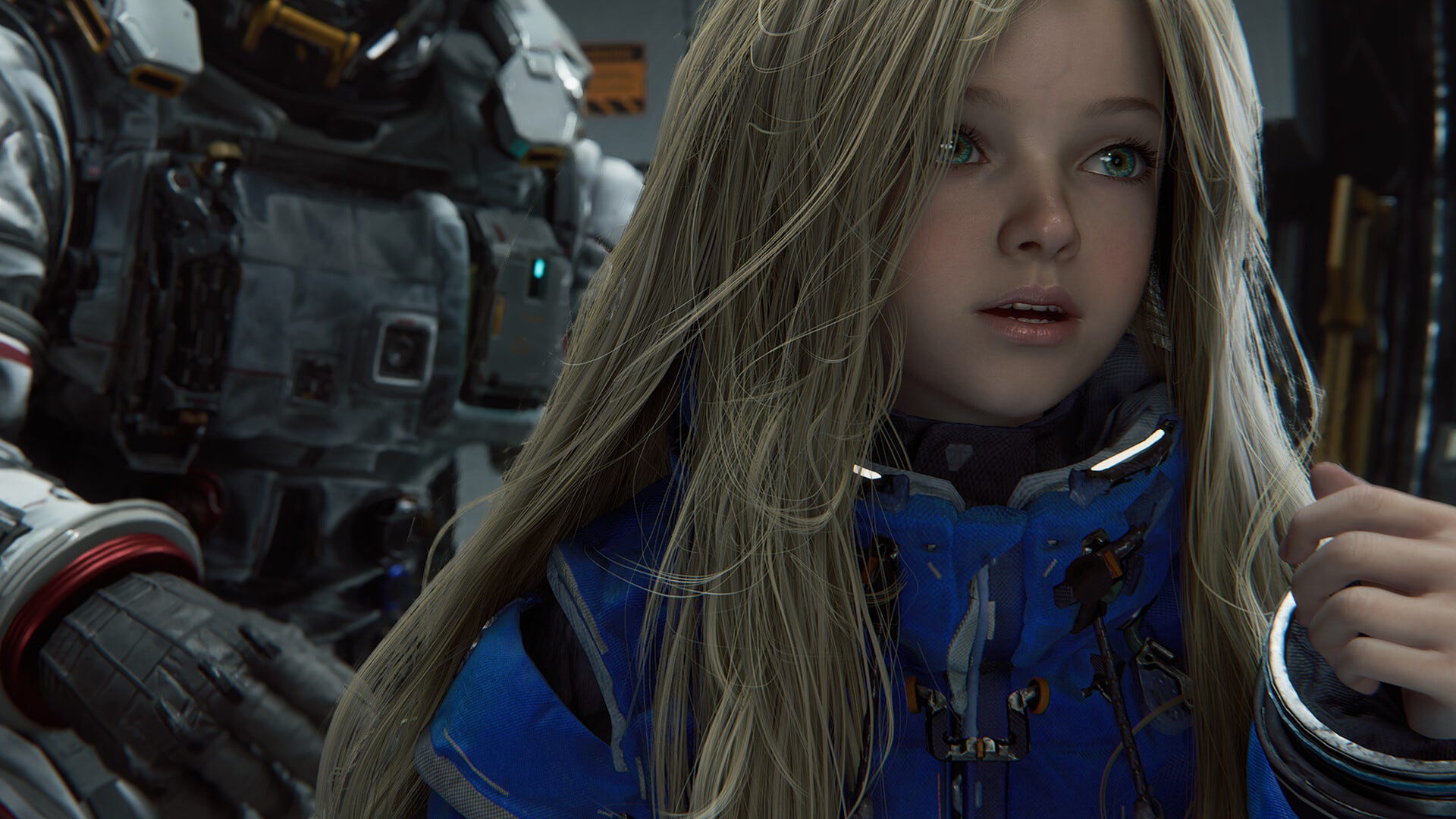
Diana, in particular, makes an immediate impression. She’s expressive, endearing, and memorable in a way that feels natural rather than manufactured. It’s easy for characters like this to lean too heavily into exaggerated traits, but Pragmata avoids that pitfall. Her presence feels grounded, even within a more abstract sci-fi setting.
More importantly, her dynamic with Hugh provides the emotional anchor the game needs. Their relationship gives context to everything else, whether it be the mechanics, the world, the broader themes, and ensures that the experience never feels purely conceptual. There’s always something human at the core.
That balance between concept and emotion is ultimately what defines Pragmata.
In many ways, the game feels like something that could have existed in an earlier era of AAA development when studios were more willing to take creative risks and explore unusual ideas at scale. But it’s also clearly a product of modern design sensibilities, with a level of polish, cohesion, and visual fidelity that elevates those ideas rather than letting them spiral.
And that’s what makes it stand out.
Pragmata is both an example of Capcom’s current momentum and it’s a reflection of why that momentum exists in the first place. A willingness to invest in new ideas, a confidence in execution, and an understanding that not every successful game needs to follow the same blueprint.
It’s a combination that’s becoming increasingly rare, and Capcom seems to be one of the few studios consistently delivering on it.
Let me know what you think of short little reviews like this and if you’d like to see more of them for modern AAA, mid-tier AA, small indie, or retro games.
Comments
Nothing yet. Say the first thing.
Sign in to join the conversation.