
Hi writing friends,
I have pages and pages of a notebook with scribbles searching for the perfect title for my WIP.* It’s not easy to find a handful of words that captures the essence of the story and is also clever or fun or thought-provoking or insightful. Sound familiar?
Most writers I work with ask me about the title of their book. Often the main issue is that the writer has gone a little overboard. The title is trying too hard, and it ends up leaving readers confused. But sometimes the writer throws their hands in the air in frustration and ends up with a bland title. Let’s face it: only Kristin Hannah could get away with The Women.
So for both of our sakes, I’m taking a closer look at some titles to see why they work and come up with a few tips for best practices. Of course, if you’re an author with name recognition, you can have the luxury of titling your book nearly anything. I mean, readers just google “the new David Sedaris book,” and it doesn’t matter if the title is something that sounds more like a history textbook than a collection of essays (The Land and Its People).

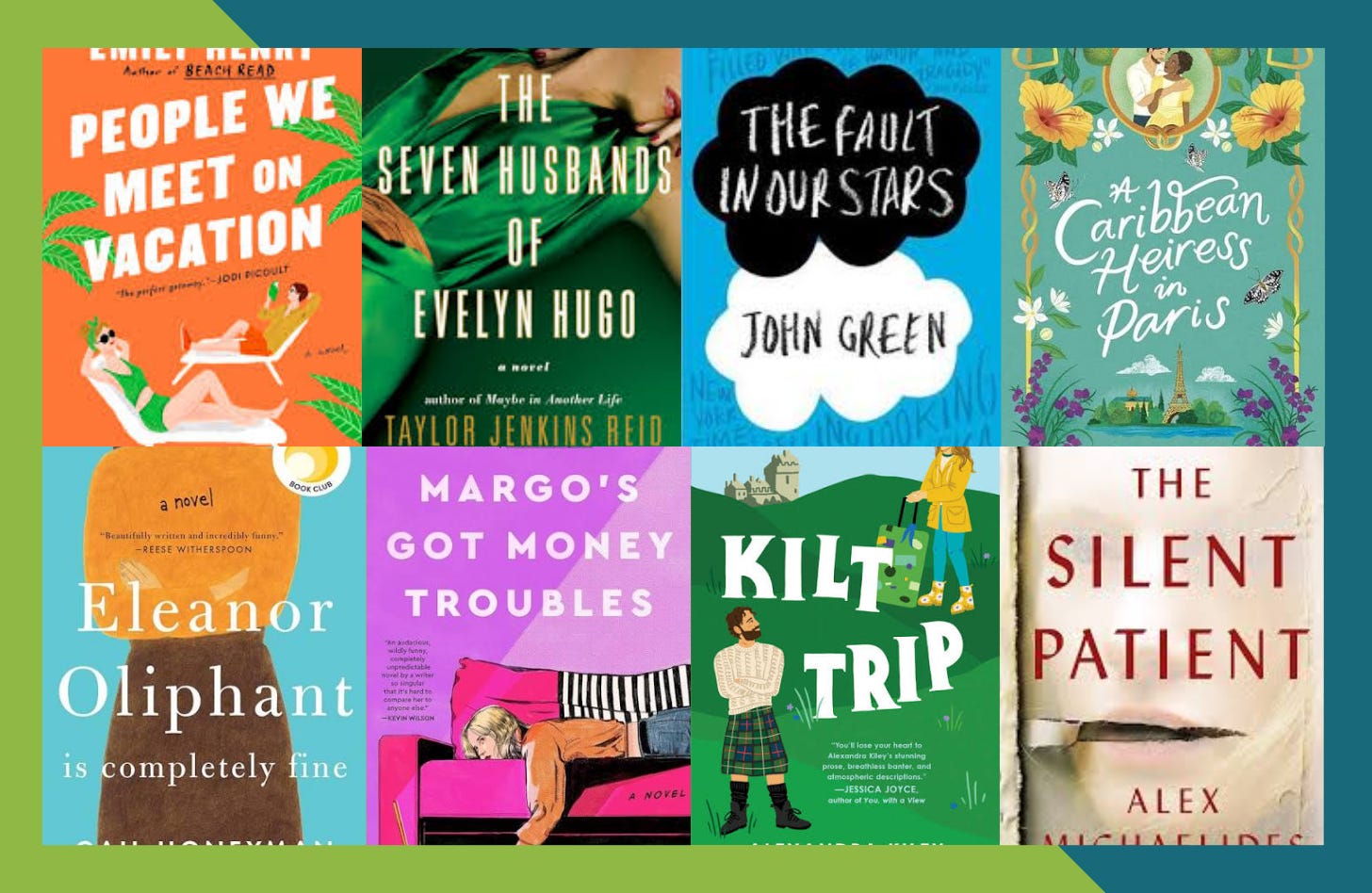
This one is a winner for me. It’s super intriguing (Seven husbands?!? What happened to them?) and it makes me want to know who Evelyn Hugo is. It hints at the relationships and scandal that will trail in the wake of the title character. The number is doing a lot of work here. The Husbands of Evelyn Hugo wouldn’t pack nearly the same punch.
There are some small issues. It’s a bit long, and a potential reader might think that the story is focused on the husbands.
Takeaways: What’s an unusual fact or quirk about your protagonist? Does your protagonist have an unusual name? Is there an important number you can highlight?
See also The 6:41 to Paris by Jean-Phillipe Blondel, Three Lives of Tomomi Ishikawa by Benjamin Constable, Station Eleven by Emily St. John Mandel, The Storied Life of A.J. Fikry by Gabrielle Zevin, Eleanor Oliphant Is Completely Fine by Gail Honeyman
Here we have three simple words combining things that don’t normally go together. Most libraries aren’t open at midnight so it creates a spark of curiosity about the location and what might happen there. It’s easy to remember and atmospheric.
One concern I’d have if I was acquiring this title is that doesn’t really hint at the genre. (Though, again, when you’re an established author like Matt Haig, you get a lot of leeway!) Most titles give some clue as to what type of story you’re getting, but this one isn’t so easy to pinpoint.
A quick search reveals that there is a children’s book by the same name so it’s worth noting that titles cannot be copyrighted. You could title your book The Great Gatsby and you’d be well within your rights. But I wouldn’t advise that! You want readers to be able to find your book when they’re searching.
Takeaways: Are there any important contradictions in your book? Two things that don’t seem to go together can create intrigue, like a camel in the snow or pickles and ice cream (not trying to yuck your yum if that’s your thing).
Again we have a three-word title, but this one packs a punch. The adjective is impactful because it’s unexpected and creates an implication that something is being withheld. Perfect for a thriller, like this one.
The challenge is to make the conventions of your genre feel unique. This one might feel a little formulaic. There is also The Silent Thief, The Silent Wife, The Silent Sea, The Silent Land, you get the picture
Takeaways: Consider recently published titles in your genre. Note how long they are or if there is a certain rhythm. Remember how Gone Girl spawned a whole parade of titles with the word “girl” in them? The Girl on the Train, The Good Girl, The Girl Before, The Stolen Girl, The Girl in the Ice… Capitalize on the trend.
Speaking of Gone Girl, there’s a reason that title works so well, and it’s the alliteration. Our brains remember the title much more easily: Oona Out of Order, Silver Sparrow, Freaky Friday, Love Lettering. Weird Friday just doesn’t work the same way.
I like when a title makes me think a bit, and this one by Emily Henry offers an emotional promise, perfect for a romance novel. The “vacation” sets up the general plot, but the “people we meet” hints that there was a connection before story begins. Also if the title had been “people you meet,” it wouldn’t have worked as well.
This title gives the reader something to chew on, and they might even consider the different personas that people try on when on vacation. These five words are active words, except for “on,” but they’re not especially punchy. I can imagine a reader in a rush not remembering the title and thinking, “I dunno, something about travel?”
Takeaways: Titles that strike a deeper meaning can make the reader pause in a good way. These Summer Storms (The family’s last name is Storm, and note the sharp difference between “these” and “the".”) Lessons in Chemistry, The Paper Palace

Does the title make sense only after someone reads the book? The working title for Joyce Maynard’s novel Count the Ways was originally The Cork People because the protagonist and her children paint faces on pieces of cork. But early readers thought the book was about folks from County Cork, Ireland.
Say it out loud. The rhythm and cadence of a title is key. The House by the Sea is okay, but The House Beyond the Sea has more gravitas. Compare Margo Has Money Troubles with Margo’s Got Money Troubles.
Be satisfied with your title but not too invested in it. If you decide to go the traditional publishing route, your agent or editor might recommend a new title based on marketability. It happens more often than you might expect.

Comments are open to all. 👇 Please share any questions you have about developing your title below.
Until next time,
-Jackie
*This is what I do when I should be writing.

📚 What I’m reading: I just finished The Lost Book of Lancelot by John Glynn. On her Substack Becca Freeman described it as: “An atmospheric queer retelling of the story of Lancelot, famed knight of King Arthur’s round table. Filled with magic, yearning, and lush settings…” And she was right—it was all that and more.
🎥 What I’m watching: I haven’t started the latest season of Ted Lasso yet. If you’ve started, let me know if you’re enjoying it.
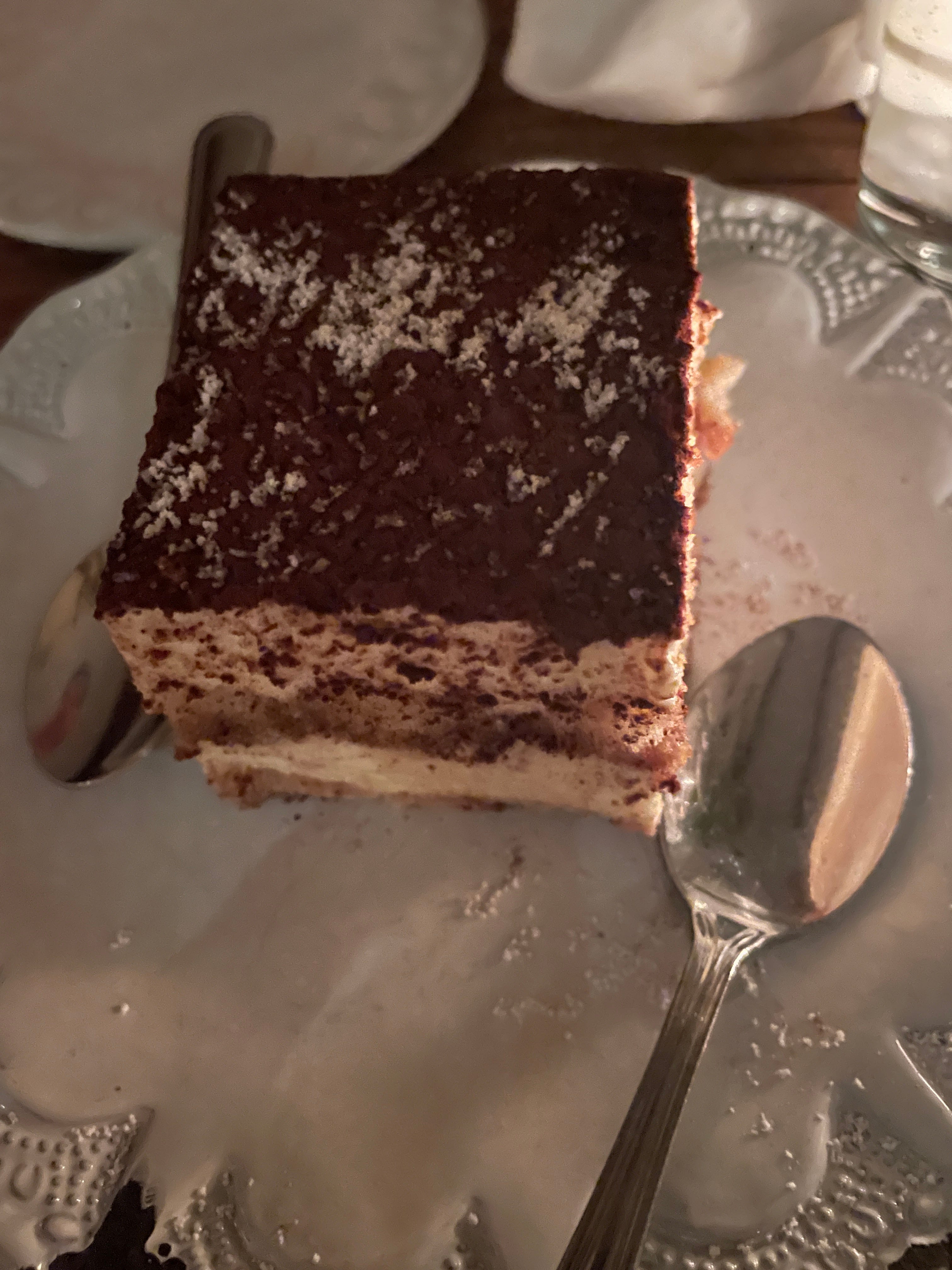
🍰What I’m into right now: This tiramisu from Palma in NYC. The picture is terrible (it’s clear that I’ll never be a food influencer), but it was heaven on a plate.

Saturday, October 17 from 10am-1pm CENTRAL
A captivating query letter is what unlocks the process of getting your book traditionally published, and in this class, we’ll walk through it. This online session is designed to take all the guesswork out of writing a query letter. Students can submit their pitch paragraph for on-the-spot feedback in class. In this class, you’ll learn:
-the five essential elements every query letter should have
-how to write the all-important pitch paragraph
-how to distill a 300-page manuscript into 400 words
-the do’s and don’ts for finding comp titles
-how to reduce overwhelm and build confidence as you send your work into the world
Saturday, November 14 from Noon - 3 p.m. CENTRAL
In this class, we’ll deep dive into the inner lives of your characters. We’ll explore the fundamentals of character interiority and examine techniques for revealing perspective, worldview, desire, and motivation on the page. Through close readings of published excerpts by writers such as Kennedy Ryan, David Yoon, TJ Alexander, and Maurene Goo, we’ll study how accomplished authors craft layered, emotionally resonant characters. Writing prompts and in-class exercises will help you deepen your understanding of your own characters from the inside out.
By the end of the class, you’ll have a stronger grasp of character interiority, practical tools for developing more nuanced characters, and effective strategies for bringing your characters’ inner lives to the page.
The Compassionate Editor Newsletter is a reader-supported publication. To support my work, consider becoming a free or paid subscriber. Paid subscribers have access to page critiques, AMAs and unlimited write-ins.
Comments
Nothing yet. Say the first thing.
Sign in to join the conversation.