
Today is a 90-degree day in Rome with a UV index of 10. The makings for a bad day. I had to walk around a lot, which, typically, would be great. I love walking, and walking in the heat is fine. However, in much of Rome, especially in the central historic district, it’s much cooler than the weather app says. That was not the case when I walked today.
I walked down along the river to a neighborhood called Ostiense. It was fine. It had a two-way bus/taxi way in the middle of the street, which was great, except the tree cover covered every bit of that street except for the bus stops. Nor was there any proper cover at those bus stops. I was left out there waiting in the heat, in the sun.
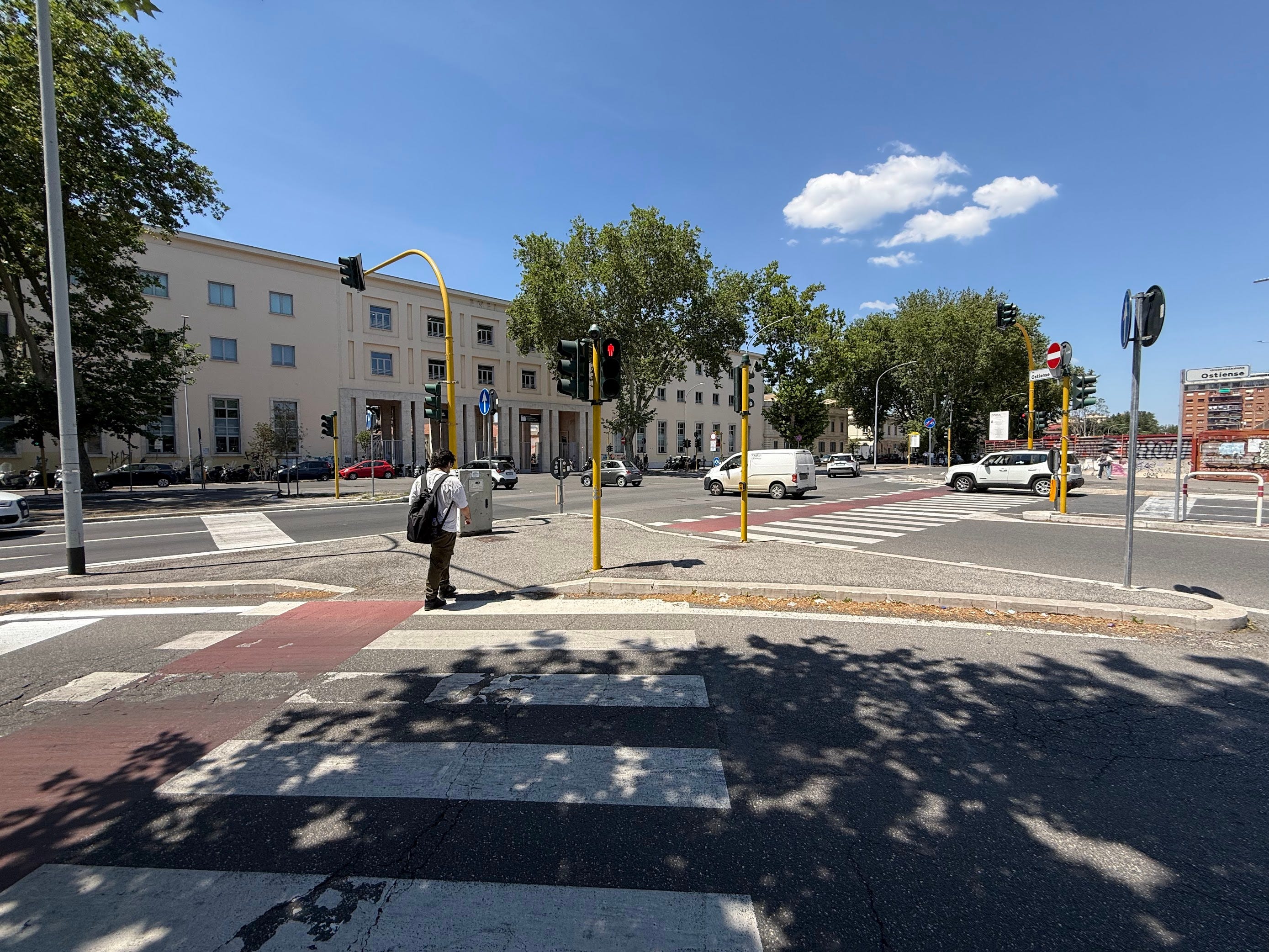
I had my umbrella, which I use on occasion, after noticing people using it in Taiwan. The sun was beating down so strongly that it didn’t make a difference. Thankfully, I was just waiting for my bus, so it wouldn’t be that long. The app said 4 minutes. That bus never came. Another 4 minutes for a different route, and that bus never came. I waited. Thankfully, about 20 minutes into my wait, a bus came. It wasn’t the route I wanted, but I took it to the end, which was more of a hub where multiple routes converge near the metro station Piramide.
I was entirely confused about where I had to walk. I walked almost all the way around the rotary there and finally found my bus stop. However, on the way, I saw an old lady who had passed out, potentially due to heat stroke, but clearly because of the heat.
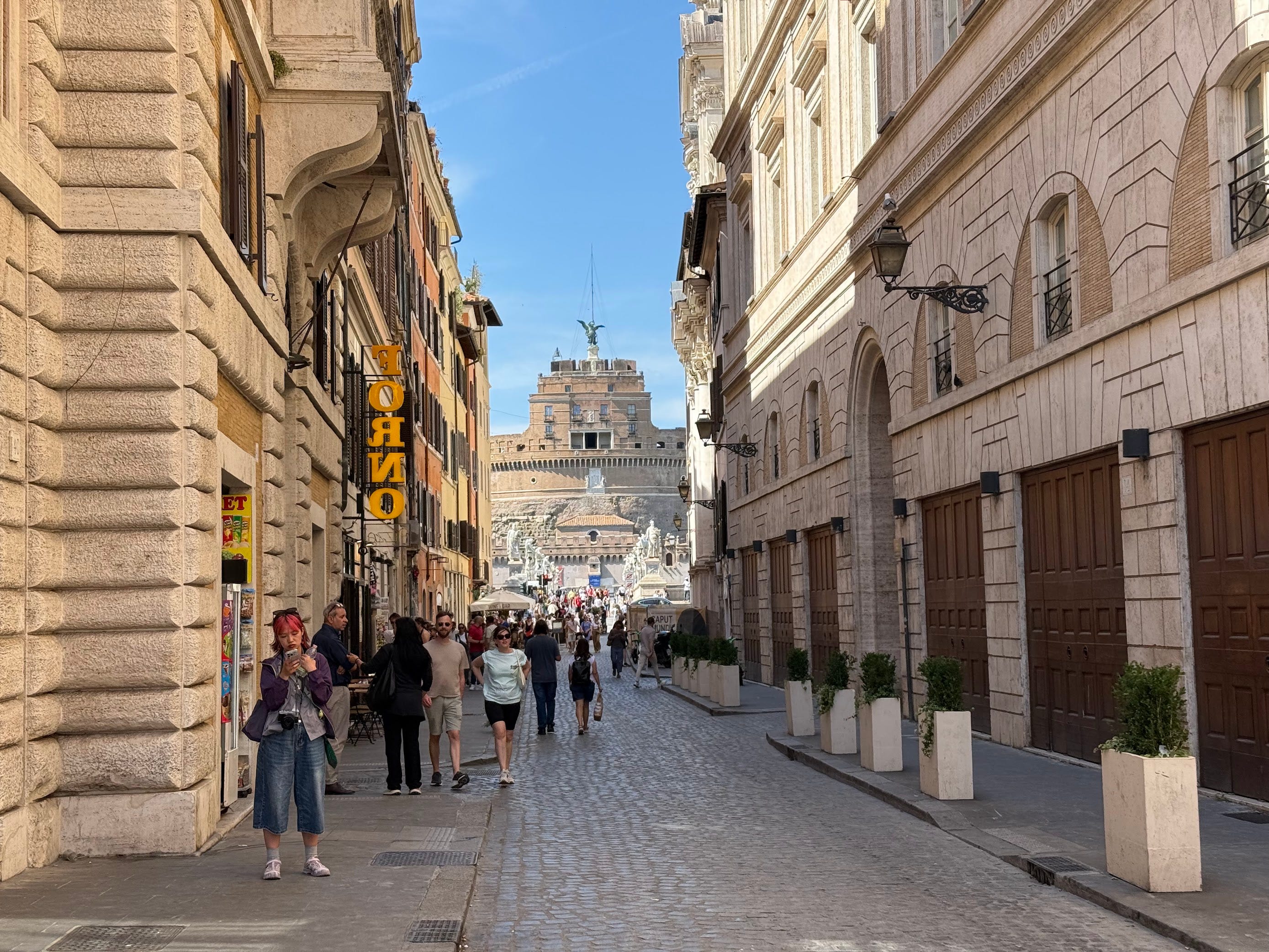
In many places, Rome is a city that invites and uses shade. The small streets in the historic center, and the trees that come with them, really help there. However, once you get into most outer neighborhoods, even where I am living in Prati, most roads don’t have that. So, you’re left to contend with the heat as it is.
It reminds me of certain parts of Pittsburgh, where, in my Shadyside neighborhood, you can almost entirely escape the heat, whether because the trees are widely spaced or because the roads are narrow enough to prevent an urban heat island. But if you go even into another neighborhood right nearby, Larimer, a historically marginalized neighborhood, the lack of trees and the wider roads really make it difficult to withstand the heat. There’s no cover; there is nothing like grass fields, lawns, trees, or bushes to absorb that heat. The heat is all just reflected by the pavement.
That’s true in historically marginalized communities across the United States. Think about Boston’s neighborhoods of Roxbury and Jamaica Plain, which lie, literally, across the tracks from each other. The difference is stark: Jamaica Plain sits at roughly 45% canopy cover, while Roxbury is around 27%. Jamaica Plain, a wealthy neighborhood, has tree-lined streets with lawns. Roxbury, right across the tracks, suffers the same fate that Homewood does, but in a different way. Roxbury suffered urban decay while keeping most of its housing stock and buildings intact, due to the sheer value of the land in the greater Boston area. In Pittsburgh, the population declined, and much of Homewood’s housing stock was bulldozed after years of abandonment, leaving nothing but fields in its place. Even though a large amount of the neighborhood is fields, it is not enough to cool the neighborhood down appreciably. One of my close friends from high school wrote his entire capstone project comparing Roxbury to Jamaica Plain in terms of temperatures due to the urban heat island effect. It affects far more than just the comfort of walking around; energy prices are higher due to increased AC usage, the heat contributes to widely varying health outcomes, and much more.
Cities around the world have been built to remedy this. When starting from scratch, it’s not that hard, all things considered. There are solutions, such as smartly placing trees, vegetation, and shrubs. There are solutions, such as very narrow streets, so that the heat doesn’t have the chance to get into them. It’s still hot, but not as hot as the surrounding area. Marrakesh, Morocco, does that very well. The medina (a traditional North African city center) has winding, narrow alleys, paired with massive earthen walls and few street-facing windows, mean that at any given hour of the day, at least one side of the street is fully shaded. The souks (marketplaces) are covered with reed mats or fabric canopies to block what little direct sun makes it through. Inside, traditional homes are built around central courtyards with fountains, where evaporative cooling can keep indoor temperatures noticeably cooler than the street.
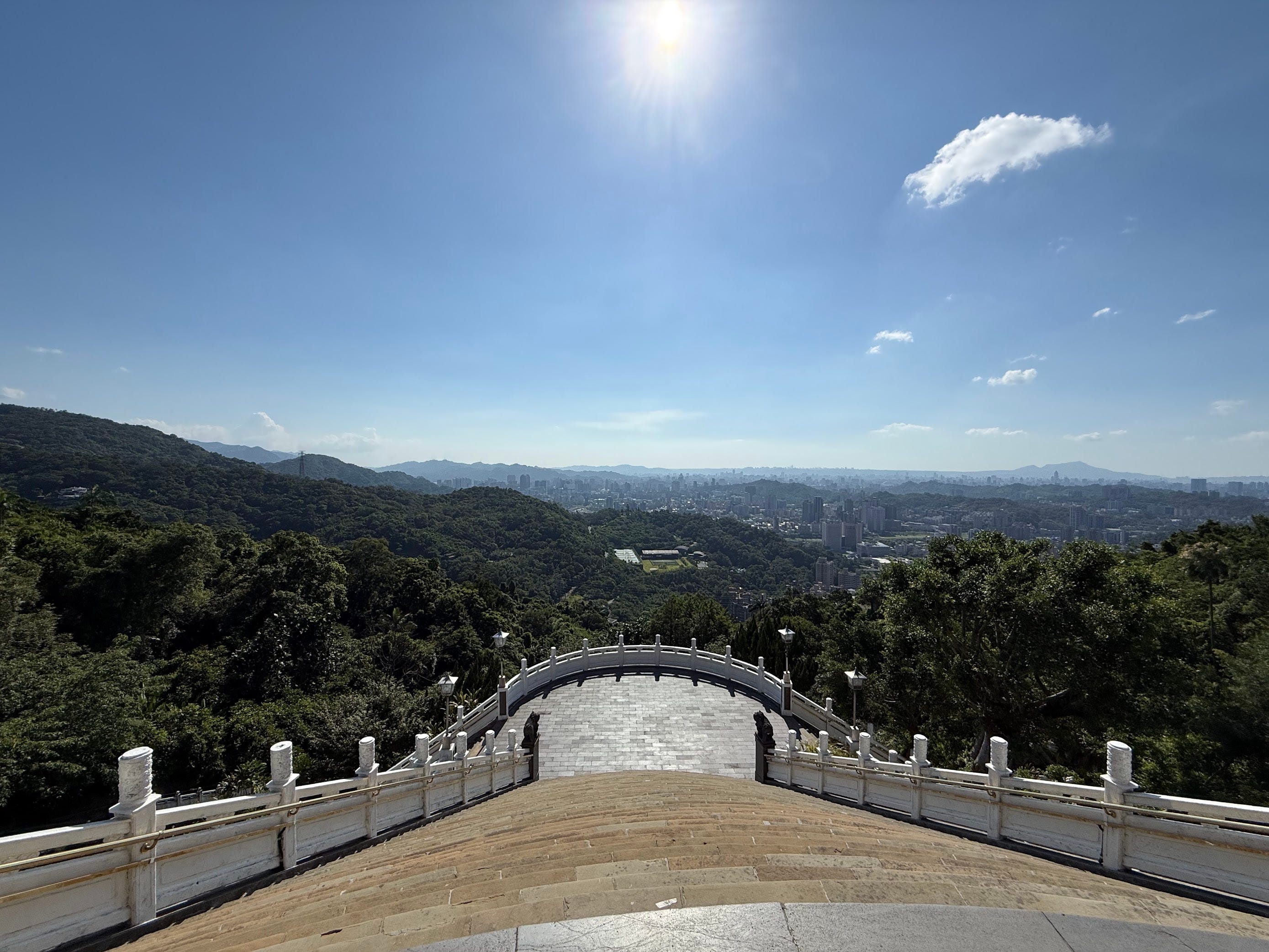
In Taipei, when I went there, the only day that I noticed the heat was when I (unintentionally) took a hike. I took the Maokong Gondola up and decided that I was too afraid to take it back down because of the swaying, wind noise, and creaking. So, I walked down. When I was in the forest, it was fine. When I was under the cover, built as a part of traditional Taiwanese temples and pavilions built to help people reach them, it was fine. But there were multiple stretches where the heat was unbearable. It was only on the long stairways that were completely uncovered. Even with the temperatures being typical for the length of my trip, this was the first time that I was fully exposed to them.
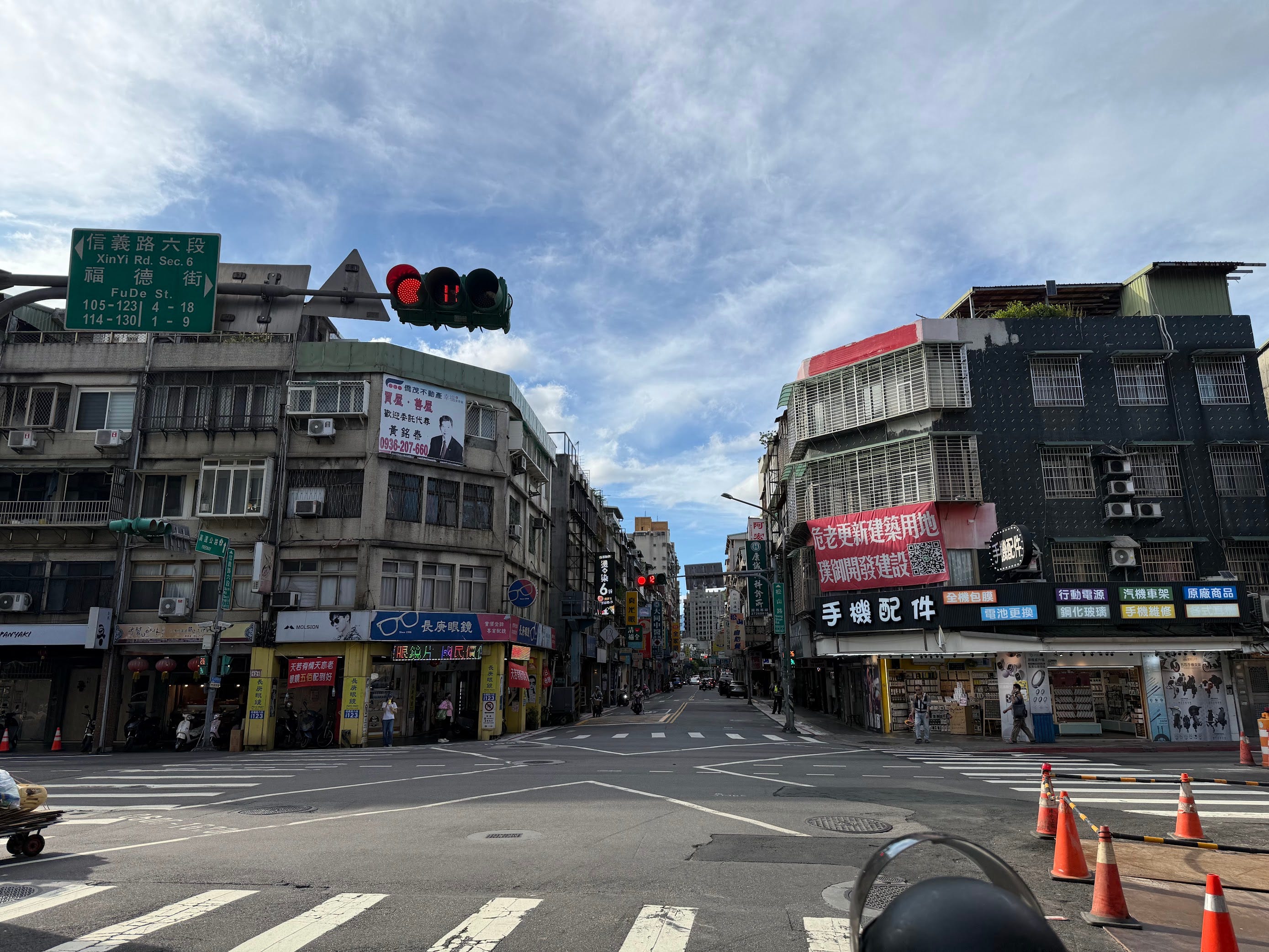
Over my trip, I biked around the city, walked around the city, and I had almost no problems there. Don’t get me wrong, it was hot, but it was not unbearable. I was able to stay on many of the streets that were built for the heat. There were trees, and where there weren’t, sidewalks were placed under the buildings. So, along the side of the street, there may be a bit of sidewalk that extends out, as is typical here in Europe or over in the US, but in addition to that, the sidewalk has a 10-to-15-foot-high cut into the building so that you can walk under the shade and protection of said building. These are even mandated by Taiwanese building codes inherited from the Japanese colonial era. And that helps with the retail spaces as well by bringing you closer to them. It reduces their electricity costs by reducing the need to run their AC so high.
One other major part of it is transit accessibility. Where I noticed the heat was worst here in Rome was when I was waiting, standing still, in that still air without any breeze, with almost no cover apart from an umbrella. I had no shelter from the sun. It got even hotter.
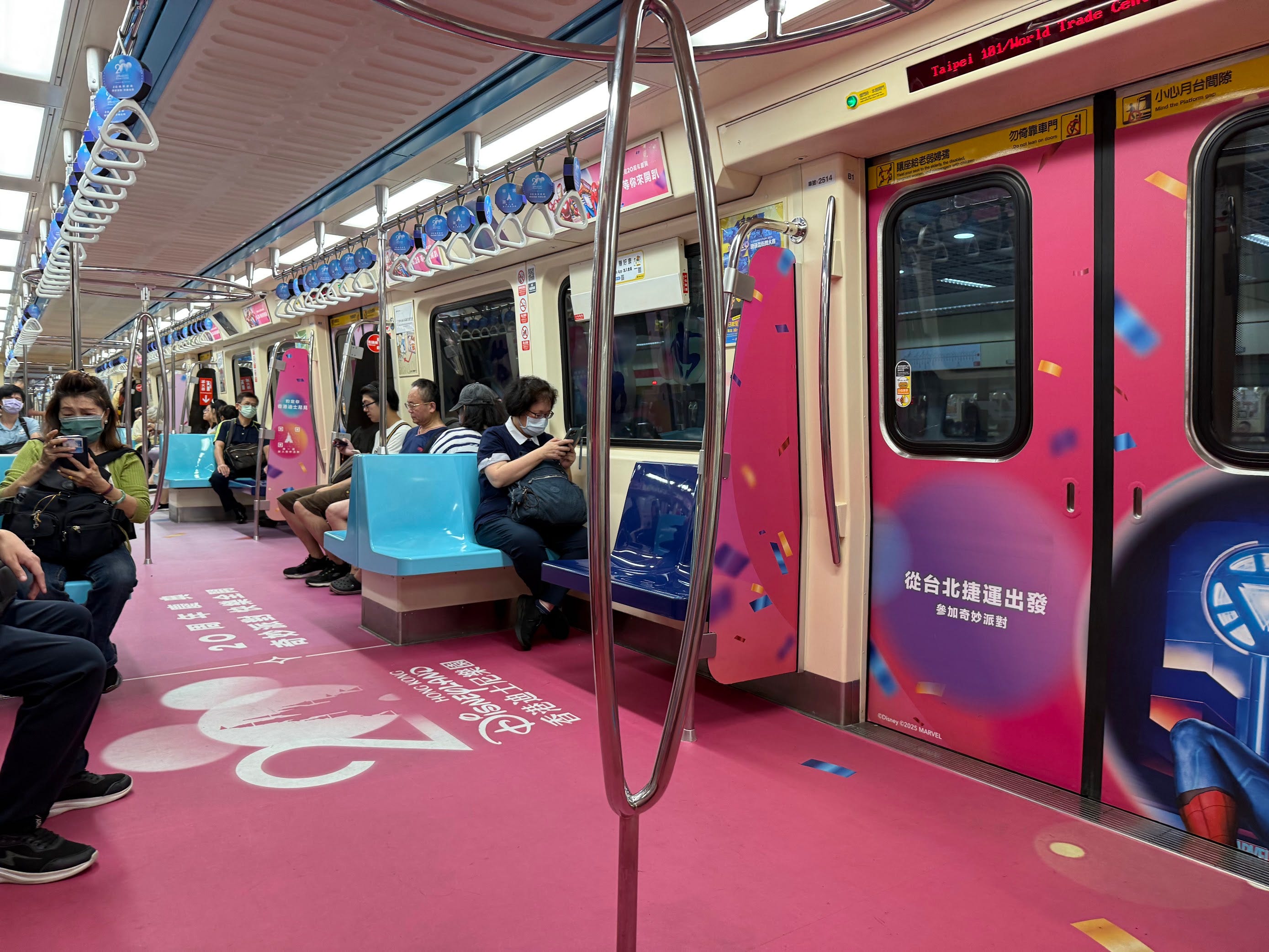
In Taipei, their sprawling metro system is all air-conditioned. So, worst-case scenario, if you are feeling incredibly hot, you can go in there. Ironically, the woman that I saw in Rome, who had passed out, was right in front of Piramide station. That metro station was not air-conditioned. When I took a train, it seemed to be unconditioned, even though it was, simply because of the number of people riding. The train was so packed that it wasn’t much better than outside.
Ultimately, a city’s ability to withstand extreme heat comes down to intentional design and infrastructure equity. Whether it is the narrow, shaded alleyways of Marrakesh, the mandated building overhangs of Taipei, or the stark canopy disparities between wealthy and historically marginalized neighborhoods in the US, shade is no longer just an aesthetic luxury; it is a critical matter of public health and safety.
As urban temperatures continue to rise, the difference between a walkable city and a dangerous one depends entirely on how we choose to build, shade, and connect our communities. Moving forward, investing in comprehensive tree canopies, climate-smart architecture, and reliably cooled public transit is not just about making hot days bearable; it is about saving lives.
Thanks for reading Jacob Bikes! This post is public so feel free to share it.
Comments
Nothing yet. Say the first thing.
Sign in to join the conversation.