
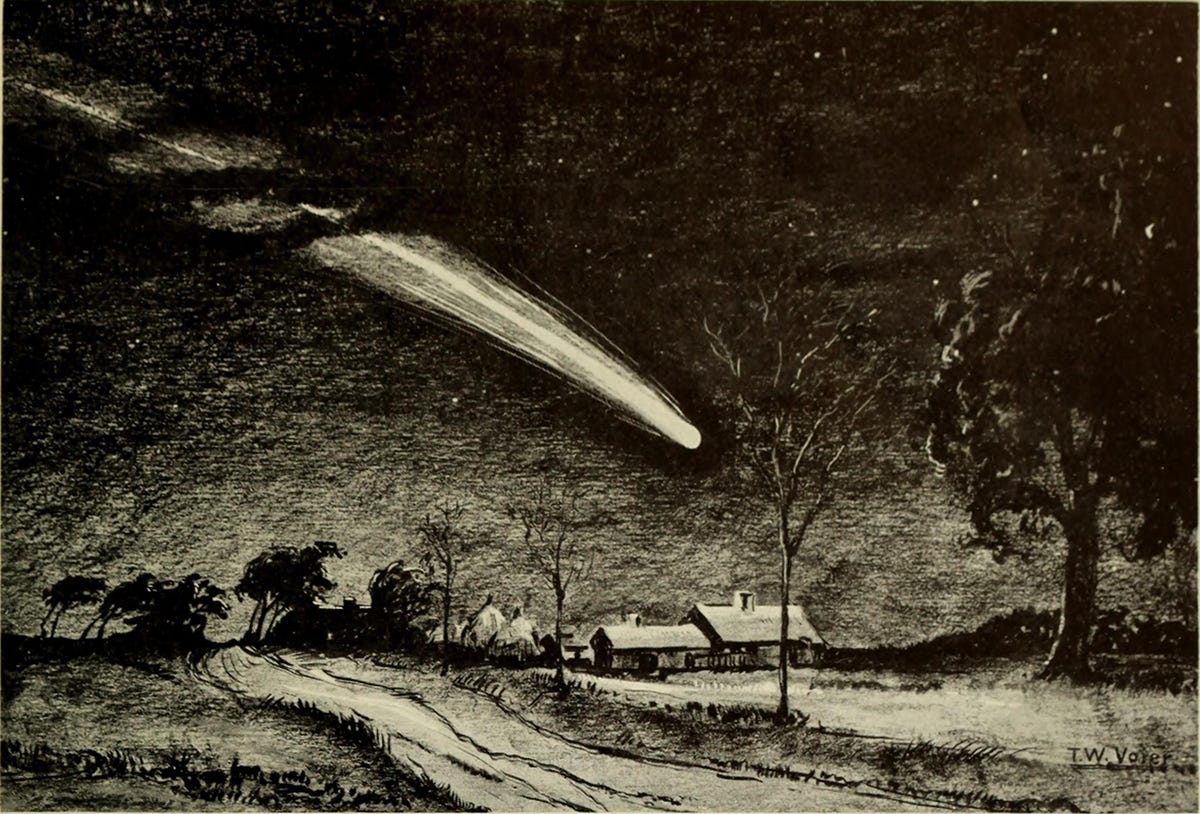
A lot happened in 1811.
On the first steamboat to ply the Ohio River, “Tiger,” a Newfoundland hound, usually slept on the open deck. But on the night of December 15, the dog adamantly refused his usual spot and insisted on staying inside the cabin. Was it an omen?
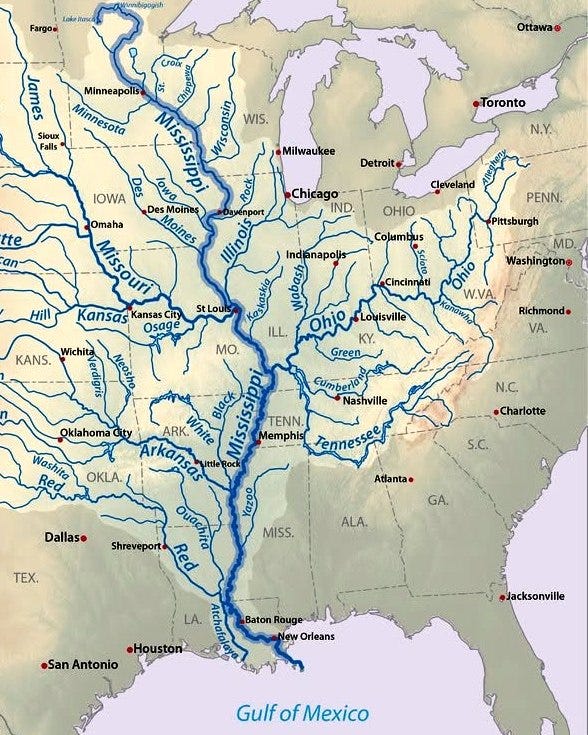
Nicholas Roosevelt, a distant relative of two future U.S. presidents, served as captain of that pioneering vessel. In the autumn of 1811, he finished building the steamboat in Pittsburgh, naming it the New Orleans. His ambitious plan was to navigate down the Ohio and Mississippi Rivers all the way to the boat’s namesake city.
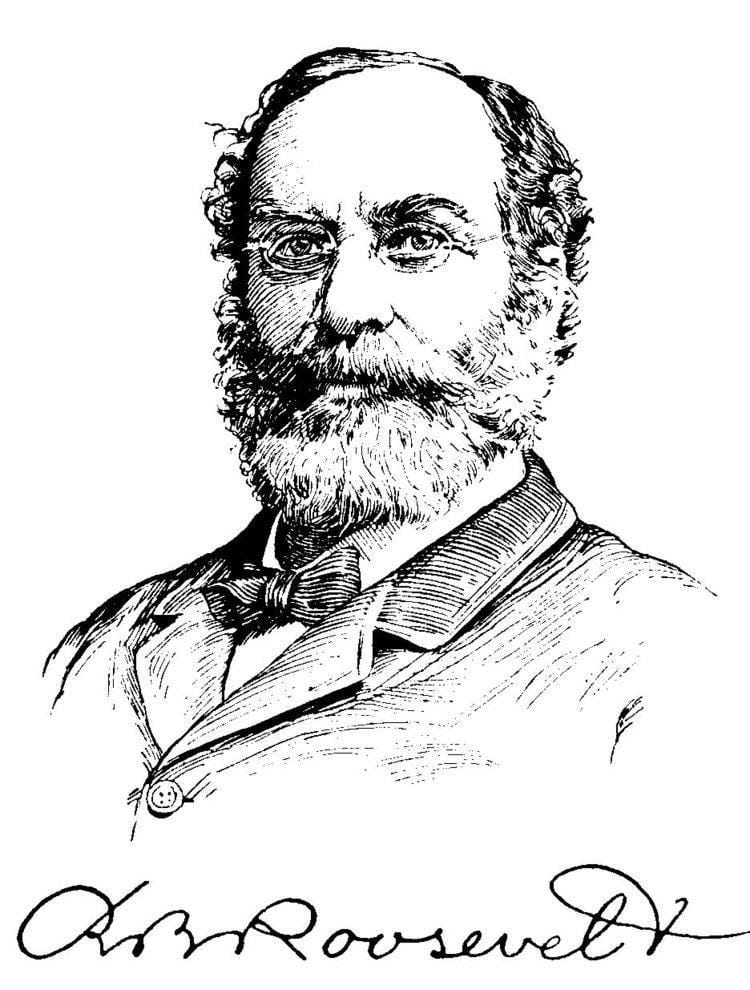
On October 20, nearly the entire population of Pittsburgh turned out to cheer Roosevelt and the New Orleans as they set off down the Ohio, chugging the power of a single-cylinder steam engine and two sidewheels. Accompanying Roosevelt on this perilous journey was his young, pregnant wife, Lydia, their toddler Rosetta, and, of course, “Tiger.”
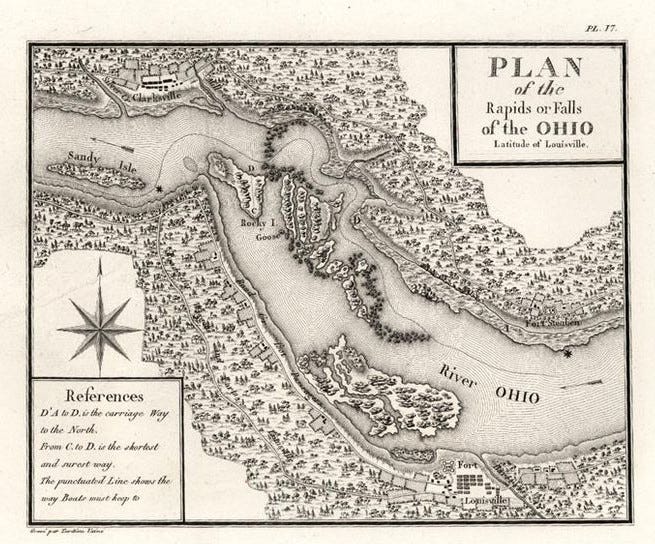
A week later, the boat arrived in Louisville, Kentucky, where it encountered its first major obstacle: the Falls of the Ohio. The 26-foot drop did not offer enough depth of water for the steamboat to pass safely. Roosevelt anchored and waited for autumn rains to swell the river. A few days later, Lydia gave birth to their second child, Henry.
Meanwhile, locals had been tracking a brilliant comet that had streamed across the night sky since September. Many Native Americans in the region, including the Shawnee chief Tecumseh, declared it a “dread visitor.” Others wondered if the omen was somehow linked to the screeching, hissing steamboat.
Having waited more than a month, Roosevelt and his pilot decided that the river had finally risen enough. On December 8, they fired the engines to full speed, hoping the current would carry the boat safely over the rapids. Sweeping forward with a mere six inches of draft beneath the hull, the New Orleans made it across intact and continued down the Ohio.
On the night of December 15, Roosevelt docked at Henderson, Kentucky, to visit the famous wildlife artist John James Audubon and his wife, Lucy. It was that night when “Tiger” insisted on sleeping inside the cabin. At 2:15 a.m., a stupendous earthquake hit directly through the continent’s heartland.
A crewman that night felt a “trembling anxiety, supposing all was over with us.” When the sun rose, spectators witnessed collapsed riverbanks, uprooted trees, and the ground “cracked and torn to pieces in such a way as made it truly alarming.” A steady series of rugged aftershocks continued to shake the earth beneath them.
The initial convulsion was felt from New Orleans to Canada. It hit the entire Eastern seaboard. In distant Charleston, South Carolina, church bells rang maniacally, and the violent shaking rousted residents from their beds. Church bells tolled spontaneously in Boston as well. President James Madison and his wife, Dolley, felt the tremor inside the White House.
Roosevelt carefully navigated down the disrupted Ohio River as uprooted trees and stumps heaved out of the water and the shifting riverbed forced the pilot to search constantly for navigable channels.
The quake’s force was so immense that parts of the Mississippi River temporarily flowed backward for several hours. Thick sulfurous vapors belched into the air, accompanied by deafening subterranean explosions. Water, sand, and organic debris vomited upward from fissures in the ground.
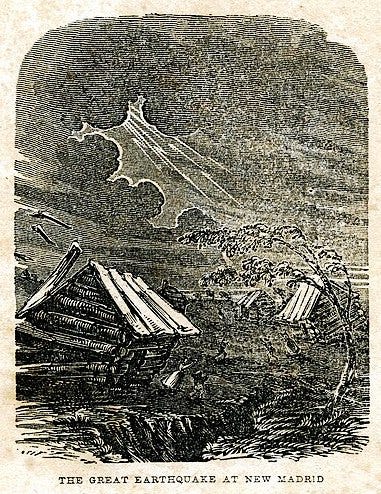
“The houses shook very much. Chimneys falling in every direction,” one witness later wrote. “The loud, hoarse roaring which attended the earthquake, together with the cries, screams, and yells of the people.”
The pilot of the New Orleans continued to guide the boat through the treacherous waters down along the Mississippi. By December 22, the crew reached the epicenter of the quake at New Madrid, Missouri. Terrified refugees on the shore begged to be taken aboard, but with limited space and meager supplies, Roosevelt had no choice but to push forward.
Disaster continued to shadow the journey. One night, the crew tied up the steamboat at an island, only to discover the next morning that the entire island had vanished beneath the waters. Days later, Chickasaw warriors attacked the unfamiliar mechanical vessel — the steamboat managed to outrun them. Shortly afterward, a fire broke out near the ship’s stove, but the crew quenched the flames before it could spread.
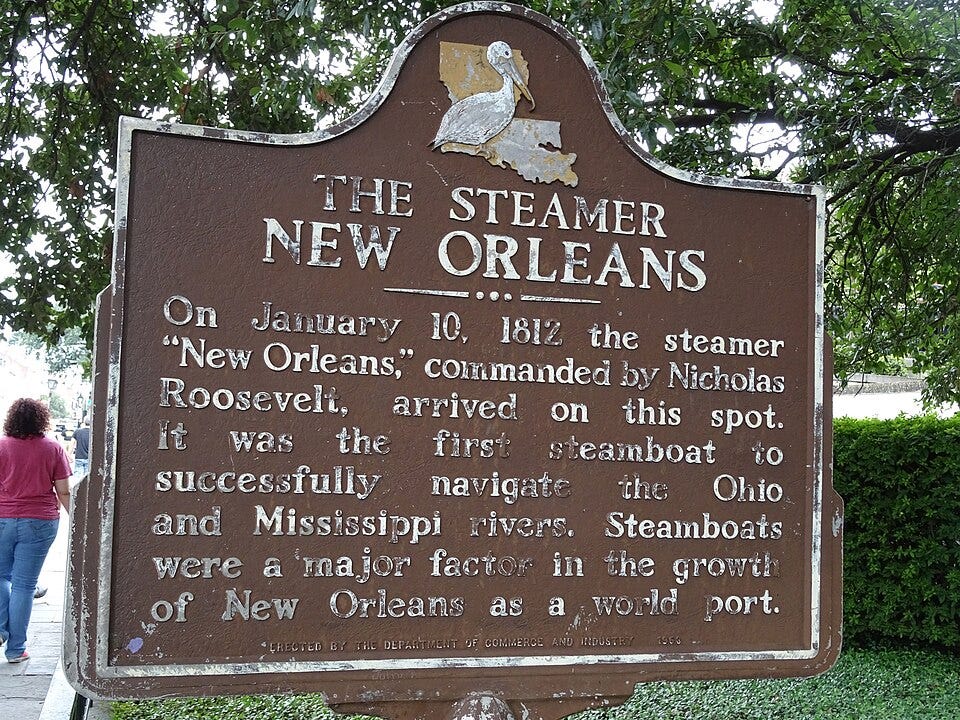
Finally, on January 10, 1812, the New Orleans safely arrived at its destination.
The tectonic fury was far from over, however. On January 23, a massive second earthquake destroyed what remained of New Madrid and created Reelfoot Lake along the Mississippi. On February 7, an even more powerful third quake shook the continent from Florida to Quebec. Together, these three earthquakes were more powerful than any other seismic event in American history, including the catastrophic 1906 San Francisco earthquake.
It was fortunate that during the 1811 earthquake the Midwest was sparsely populated. Today, an earthquake of similar magnitude would be catastrophic. “There’s no way the New Madrid earthquakes were a one-time freak event,” said a recent seismologist. It has happened before — inevitably, it will happen again.
Comments
Nothing yet. Say the first thing.
Sign in to join the conversation.