
I just finished up teaching a summer “Introduction to Philosophy” course and in two weeks I will be back starting a new semester teaching that course again to a new group of students. I have taught more sections of Intro to Philosophy than I care to remember and although some of my colleagues genuinely enjoy it, I really don’t.
Look, I acknowledge that getting 18 year olds excited about something other than a pre-med or pre-business sense of their own instrumentalist future is deeply crucial to the future of our collective humanity. And yet, it is also pretty soul crushing as a daily practice to try to persuade people that what you have spent your life doing is worth a few minutes of their time a couple days a week. So, yeah, I would always prefer to teach advanced students who are there because they are interested in the topic and not because they need a General Ed Requirement. But, being a “pro” means doing the thing you do, and what is required, even when you don’t especially feel like doing it. Indeed, I can’t imagine that your favorite band actually enjoys playing “that” song night after night after night, and yet they do because that is what it means to be a professional musician. Philosophy professors at undergraduate institutions have to teach Intro, that’s the deal. And that’s fine. But how, then, should we do it?
In brief, I think that the goal should be to help them to become people who won’t suck as adult social beings.
Accordingly, I just want to share with you today the way that I have been teaching Intro over the past few years and why I think that it is a compelling way to approach things given the way that our world is so deeply marked by despair and seems always to be teetering on the edge of social collapse. Maybe an Intro to Philosophy course can help us to navigate a bit better the overwhelming mess of a world in which we live.
That said, I am not writing this for other philosophy professors (though they might find some benefit in seeing other ways of doing things), but more for anyone who is interested in putting together some readings for a small group, or even for themselves, that might stimulate a productive set of discussions about what it means to think well in a time when such a task seems to have been abandoned by almost everyone in power.
My course is broken into three parts.
First, and most importantly, when I teach Intro, I approach philosophy as a way of life that implicates us all, not as an academic speciality reserved only for the very well educated. Sure, I hope that my students take more courses and that many of them choose to major in philosophy. But, my goal in teaching this course is not to make majors, but to invite the students to become people that they were okay having been. And since we are social beings, being okay with ourselves means that we are also socially cooperative in ways that facilitate flourishing for all of our neighbors. As such, philosophy is an invitation to reflect on who we are, where we are, and why it matters that we could be and do things differently.
Accordingly, to get my students awake to the notion that thinking well matters regardless of their job or background, I start every Intro course with David Foster Wallace’s This is Water. It is the text of a commencement speech that he gave at Kenyon College and is the single best way to get folks thinking about what it means to live philosophically.
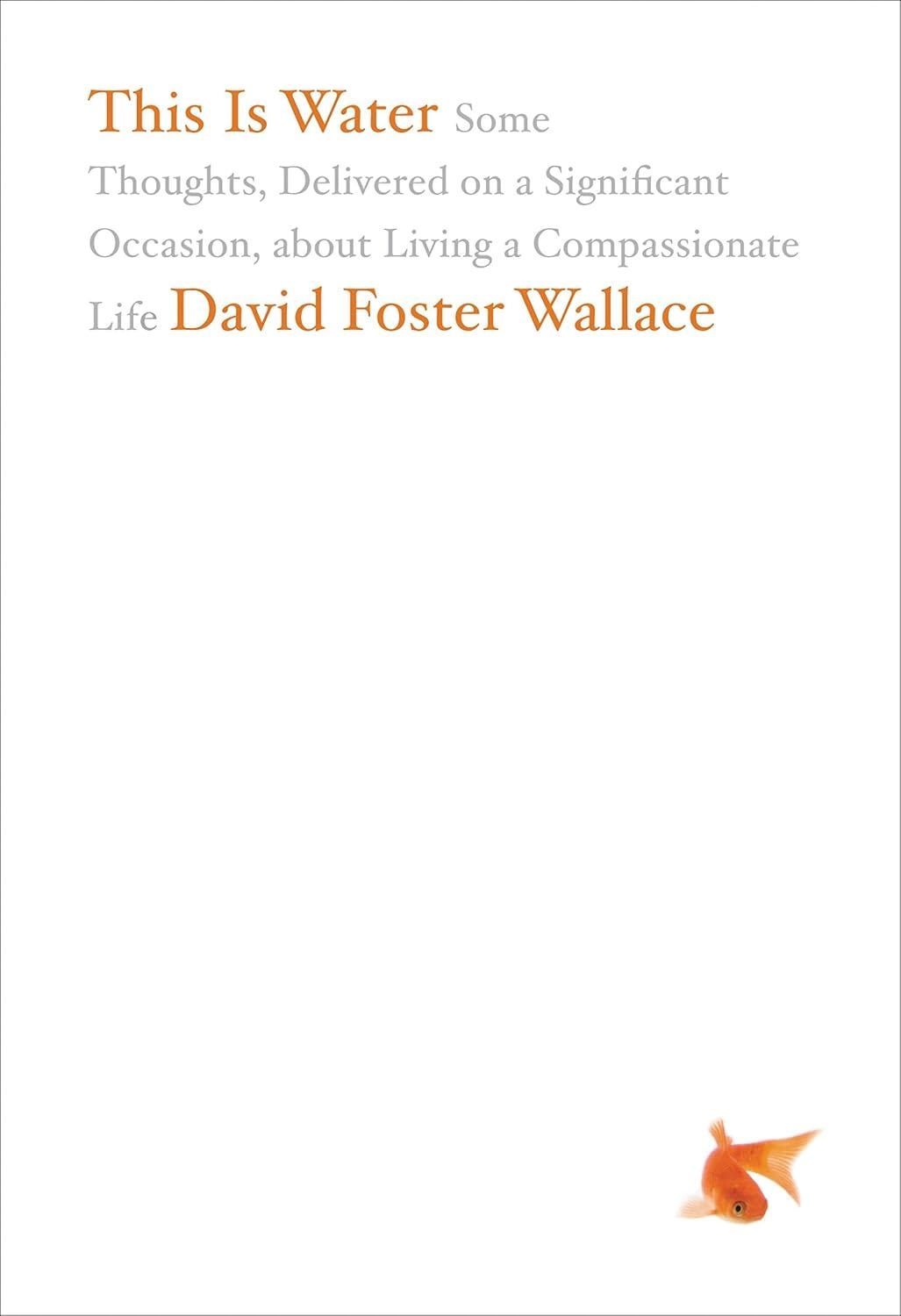
For Wallace, we all ordinarily operate according to our “default settings” of egoistic indifference. As such, we tend to think that our lives and the world around us is “obvious” and “necessary.” Wallace encourages us to realize that we can see things differently. The world is contingent. There is no “real world” - but only the world that we have allowed to be narrated as “real.” If you want to stop reading my post here, that is fine, but go listen to Wallace’s speech/book so that you take away at least this most important of the lessons I hope my students get in the class: philosophers take seriously what everyone else takes for granted.
Wallace’s point is not that our default settings are bad, but that they are unconsious. We must do the hard work of choosing who to be, how to live, and what to believe. That is living philosophically.
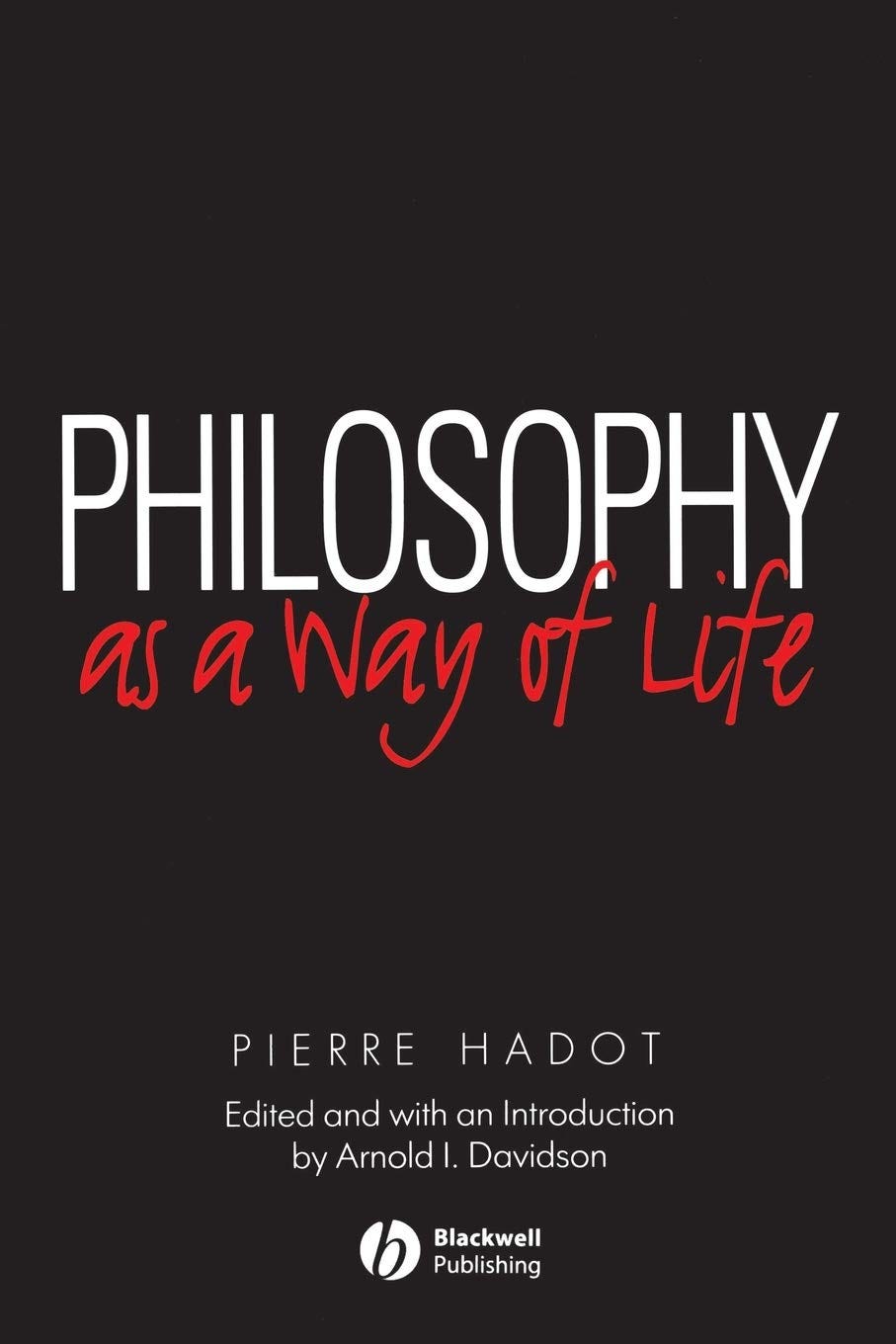
After using Wallace to get them aware of the big stakes, I turn to the last chapter of Pierre Hadot’s Philosophy as a Way of Life. Hadot shows that the ancient philosophers viewed philosophy as a matter of developing “spiritual practices” that help to shape our selves and society. Hadot argues that philosophy was not originally about academic labor, but about being devoted to self-creation in ways that were grounded in truth, virtue, and beauty. Accordingly, I use his chapter to take them from the idea of philosophy as a way of life to the task of living philosophically by investing themselves in such practices.
But how might we enact such practices in everyday life? The easiest answer to this, I believe, is to take seriously the social importance of good argumentation. At its most basic, the idea is that we see each other as moral and epistemic equals when we give reasons for our beliefs and expect reasons from others for their beliefs. In order to give folks a good sense of what that practice involves, we read Scott Aikin and Robert Talisse’s Why We Argue and How We Should.
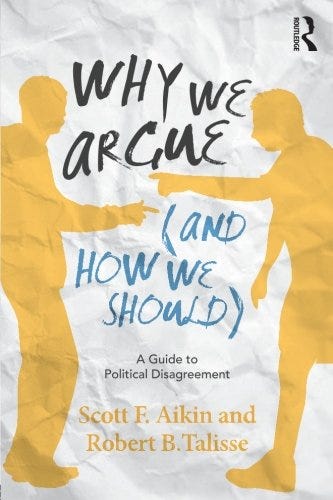
This book is fantastic at laying out the case for the social importance of argumentation by describing democracy as the idea of a society of self-governing equals. In this way, living philosophically is brought into contact with the social context of living in a democracy. Argumentation is hard work, but required if we are going to avoid the manipulative effects of those who love power more than truth. Being good at argument doesn’t require that you have a Ph.D. in philosophy, but that you care about living according to what is supported by the best reasons. This is something any of us can do, and something that we should expect of each other if we are to take the weight of democratic responsibility seriously.
It might seem that if living philosophically were something that could be expected of us all internal to democratic societies that we would have a very different society. That is exactly right! But, why don’t we?
Well, if everyone else were living philosophically, then it would probably be pretty easy to live that way ourselves. However, when very few live that way, it can be exceptionally easy to give in to the belief that since you can’t beat them, you might as well join them. And . . . the march of the vicious just continues ever deeper into personal despair and social decline.
As a way of showing the main obstacles in our current society, I have the students read Harry Frankfurt’s On Bullshit to see how a disregard for truth is disastrous for both personal and social wellbeing.

According to Frankfurt, a liar is someone who cares about the truth but who then tries to deceive people away from it. A bullshitter, in contrast, doesn’t even have such a care about truth in the first place. The bullshitter is only interested in persuading people to do what benefits the bullshitter. Self-interest replaces truth. Influence replaces argumentation.
Who are these people so willing to engage in bullshit? To answer that question, we then read Aaron James’s Assholes.
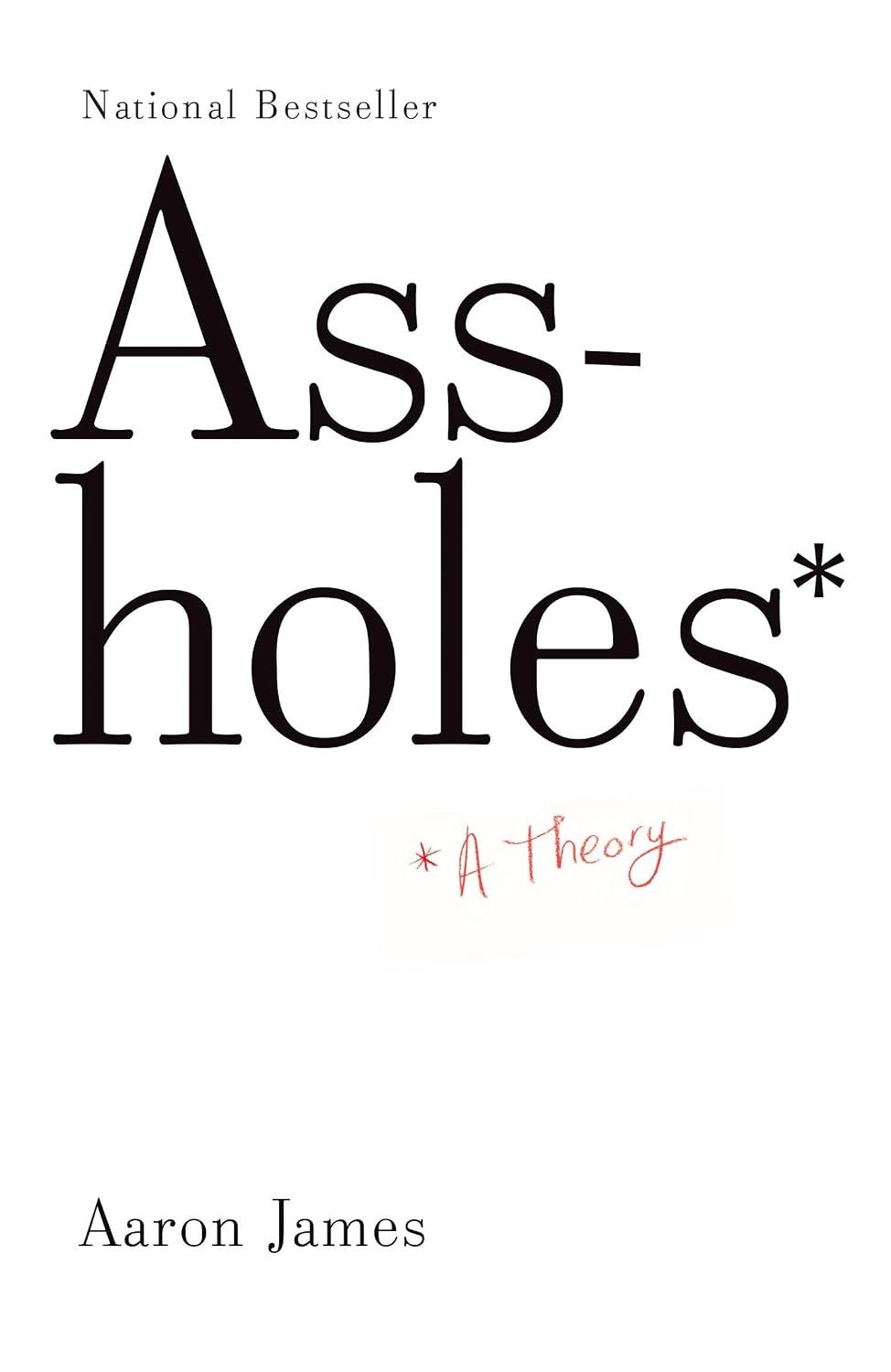
According to James, an asshole is someone who claims special advantages out of an entrenched sense of entitlement that immunizes them from critique. Notice that this definition serves constitutively to position the asshole as anti-democratic. The asshole rejects both the moral and epistemic equality of their neighbors. As such, the asshole is an enemy to deliberative social flourishing and also to philosophical living.
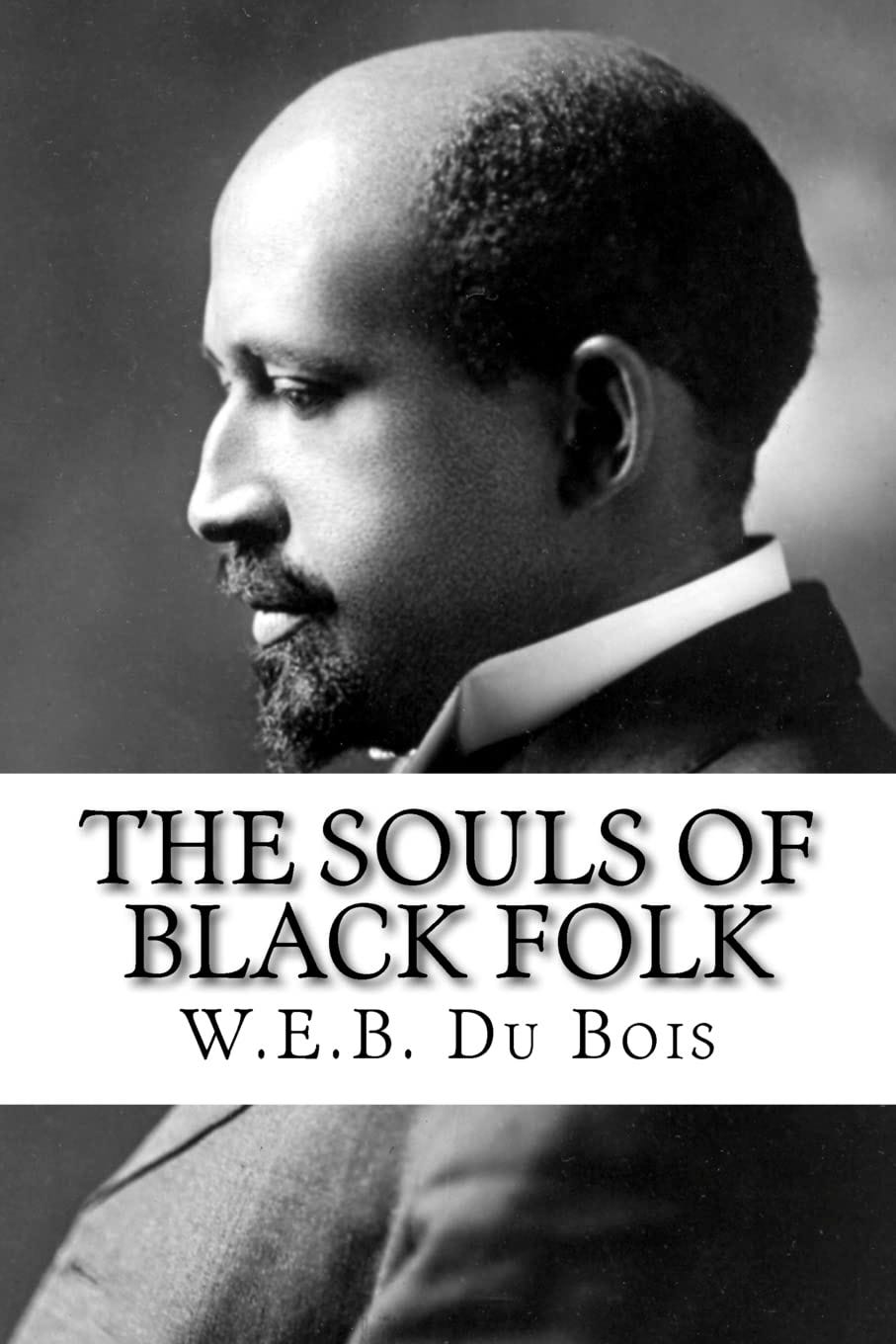
As some case studies to illustrate how bullshit and assholes serve to undermine a world worthy of our investment, I look at a few different manifestations of how it might play out. For this I turn to the first chapter of W.E.B. DuBois’s Souls of Black Folk about the “double consciousness” experienced by African-American’s due to the power structures that have made social recognition of their moral and epistemic equality so often nonexistent. Then, I use Miranda Fricker’s intro to Epistemic Injustice to illustrate how epistemic equality is often complicated by cultural factors.

I teach philosophy in general to invite people to envision the world differently and so I close out my Intro class by looking at three books that all offer visions of what living philosophically might look like if it were taken up as a social commitment.
First, in order to think about what virtue in particular is most needed in the fact of bullshit, assholes, and injustice, I look to David Woodruff’s Reverence.
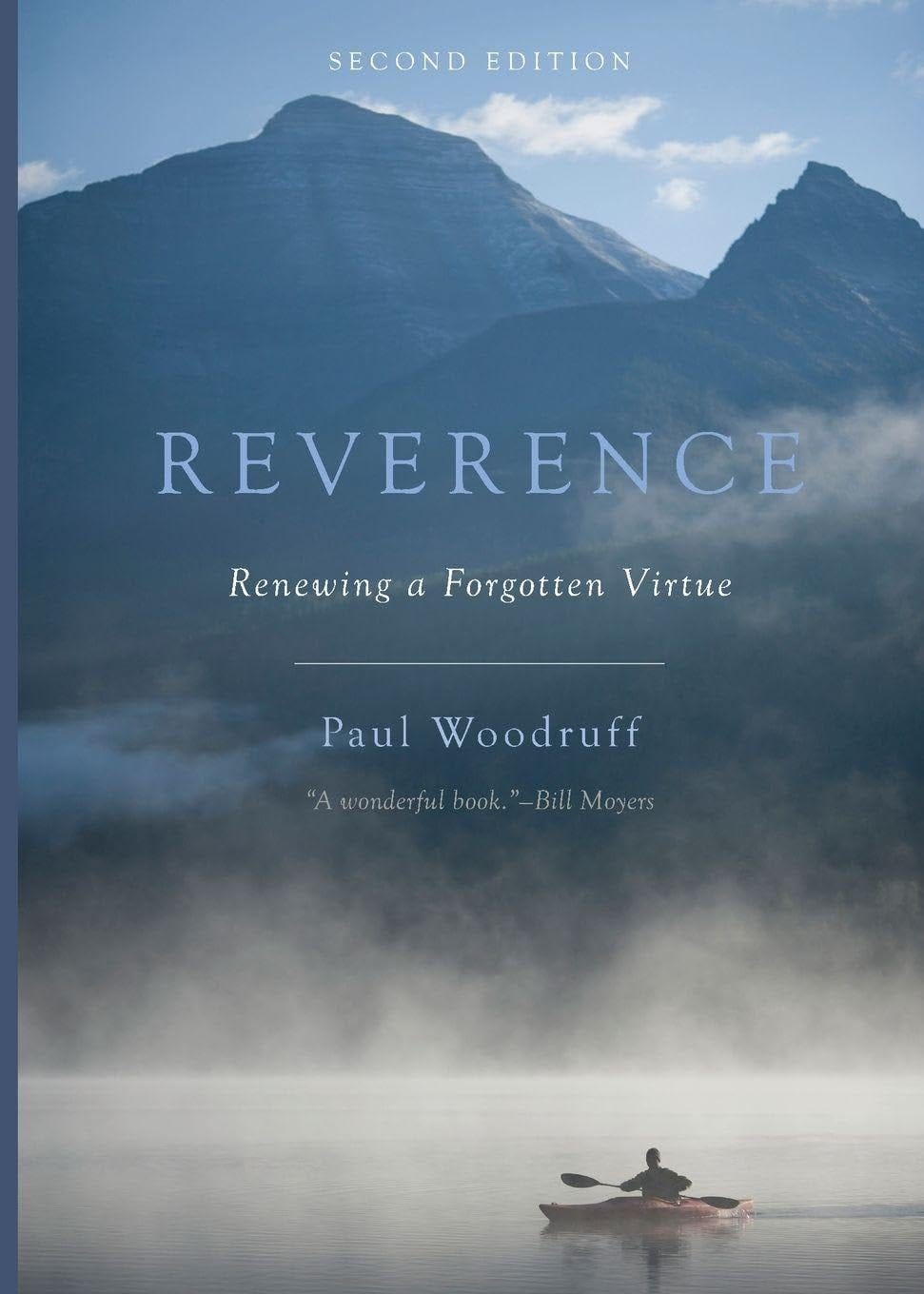
This book does a great job of explaining why reverence is a social virtue (not a primarily religious one). In brief, it encourages humility in the face of a reality that is bigger than us. When we realize that we are not God, we are more likely to develop compassion and hospitality as a mode of social engagement.
Then, and yes, I know it might cause you to roll your eyes, but I have my students read my Camping with Kierkegaard.
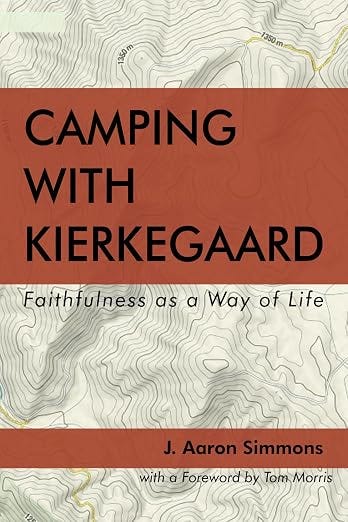
I do this because I wrote this book as an attempt to invite readers to think deeply about what is worthy of their finitude. When we wrestle with that idea, we are invited to take seriously the need for good argumentation to guide our beliefs and actions, and also the centrality of social relationships as the context in which our vulnerable embodied existence plays out. This book doesn’t tell folks what to believe or what to love, but it does tell them that if they just want external achievement that they are likely to slide into being assholes willing to use bullshit to accomplish their goals.
Finally, I read Anne Lamott’s Almost Everything.
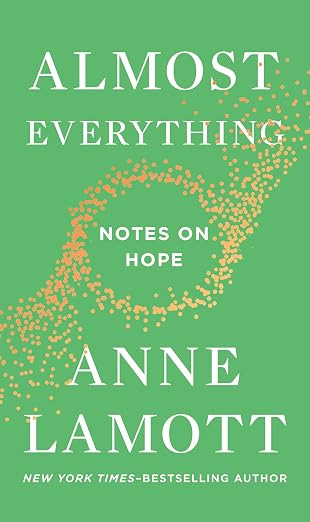
This book is a wonderful place to land the course because she talks about how hope is hard and yet so deeply needed in our difficult times. I also love that the course ends with a voice that is not traditionally “philosophical.” This illustrates the initial lesson that being a philosopher is not about advanced degrees, but about what Wallace calls the “simple awareness” that we can do things differently.
I have had very good responses from students given this course layout and although I am always tweaking things, maybe you can also find one or some of these readings to be helpful wherever you find yourself.
We need each other to live philosophically.
We need each other to care about truth.
We need each other to offer good reasons.
We need each other.
Thanks for reading Philosophy in the Wild ! This post is public so feel free to share it.
Comments
Nothing yet. Say the first thing.
Sign in to join the conversation.