
Neither the person nor the family of the Bharat Ratna recipient in 1992 collected the award. Why? Answer at the bottom.
If Bengal had a Hall of Fame, there would be a long list of Boses in it. A quick check on Wikipedia for the surname ‘Bose’ reveals at least 15 prominent Boses (or is the plural Bosii?) The surname is the anglicized form of the surname Basu - a traditional surname in the Kayashta community - who are considered scribes and record keepers. It’s quite fitting that Boses not only kept records - but even made them.
This week we take a look at a few Boses
who inspired this newsletter not in poetry, but in proses.
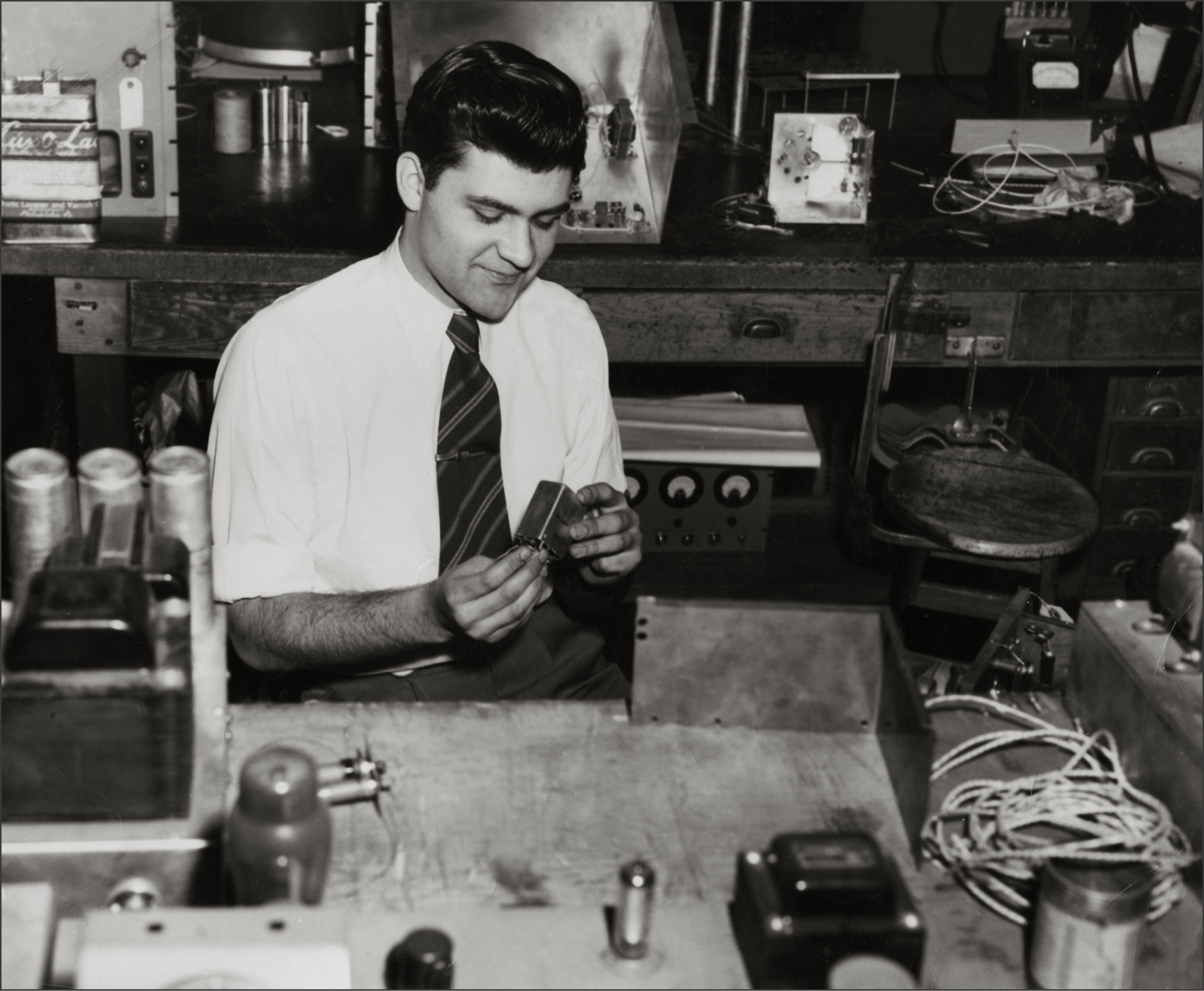
In 1956, an assistant professor at the Massachusetts Institute of Technology spent a mini fortune on what was advertised as a state-of-the-art speaker system. He took it home and was profoundly disappointed. Though the sound was technically correct, the professor felt that it was emotionless - it just didn’t move him. And this was the seed for Amar Bose to search for solutions to make sound better. He was born in Philadelphia in 1929 to Noni Bose, a freedom fighter, who had fled India and settled in the USA. During World War 2, when his father’s import business was floundering, a very young Amar Bose repaired radios after school to help keep the family afloat. He made it to MIT and stayed there for 45 years as a professor and constantly studied sound. He built his empire based on his experience as a professor in MIT - 80% of the sound you hear in a concert is reflected - bouncing off walls, ceilings etc. It is not directly coming from the stage. Speaker designers ignored this. Bose instead designed his 901 Direct/Reflecting speaker system based on the reflected sound and launched it in 1968. It was a resounding success. Then in 1978, on a long flight, he noticed how the engine noise prevented him from enjoying any music on the flight. He designed something and by 1989, Bose had produced the world’s first commercial noise cancellation headphones. In 2011, Amar Bose donated the majority of his company’s non-voting shares to MIT on the condition that it never be sold. At the time of his death in 2013, the company was valued over a billion dollars. A true sounding board for innovation in the audio industry.
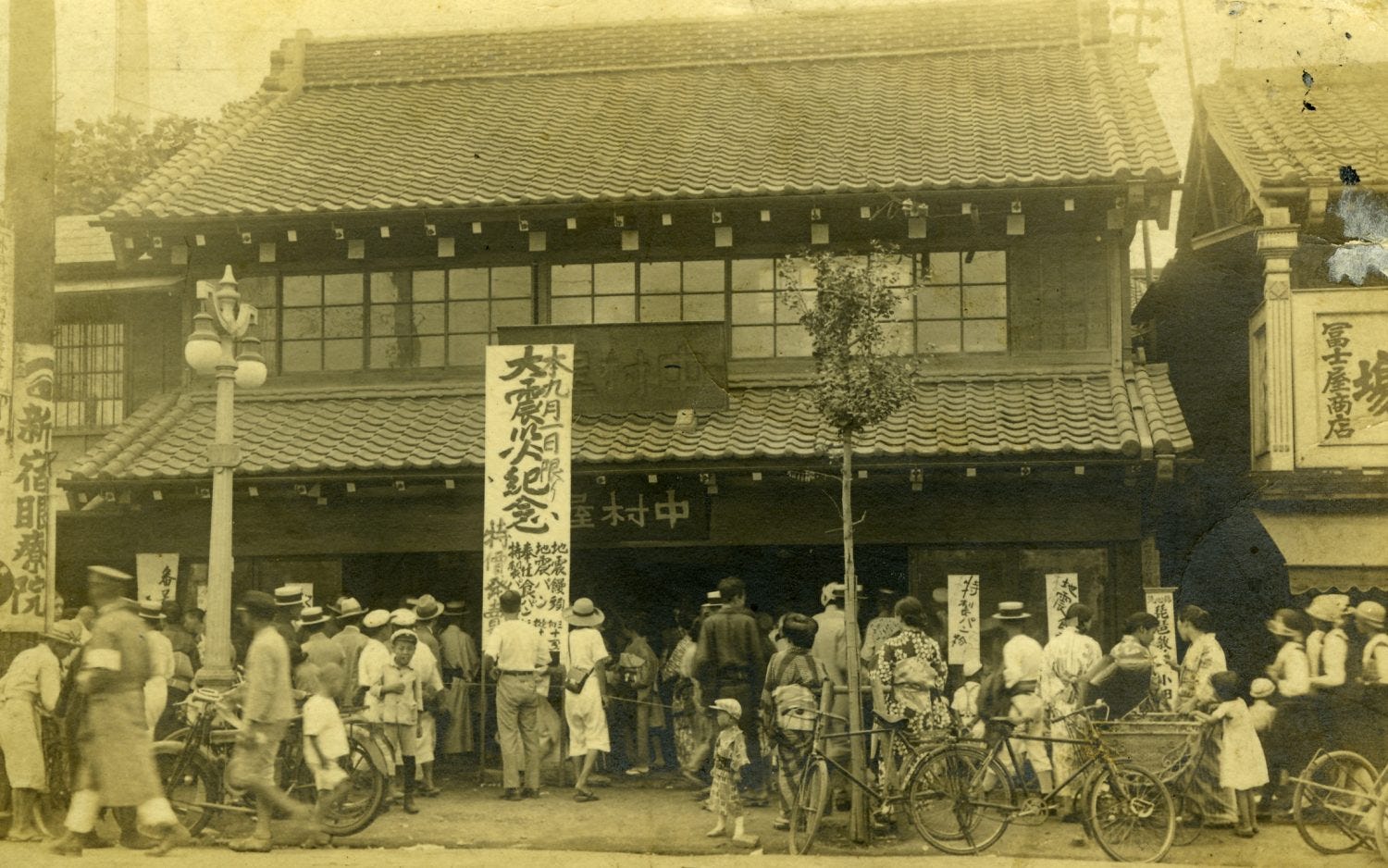
There is a famous freedom fighter who escaped to Japan fleeing from the British and his name was Rash Behari Bose. He was a mild-mannered government employee during the day, but by night he was organising one of the most audacious assassination attempts. In December 1912, while Viceroy Lord Hardinge rode triumphantly into the new capital Delhi on an elephant; a bomb was thrown at his procession. He survived. Rash Behari Bose, calmly went back to his office and even helped organize the Viceroy’s reception a few months later, evading all police enquiries. But when the police eventually realized their folly, Rash Behari Bose decided to escape. Using an alias and posing as the secretary of Rabindrath Tagore, he boarded a ship to Japan. In Japan he was given refuge by the Soma family, who owned a famous bakery in Tokyo’s Shinjuku district. He laid low, learnt Japanese and then married the family’s daughter and then taught his in-laws to make curry. That curry was called the Nakamuraya curry, and went on to become one of Japan’s most beloved dishes. Rash Behari Bose spent his time in Japan writing, agitating and organizing against the British. He laid the foundation for the Indian National Army, which he would handover to the other Bose. The cook was Rash, but it was served by Netaji. He died in Tokyo in 1945, not living long enough to see his country, free from the British. But Rash Behari Bose put the British in a stew and Japan on curry.
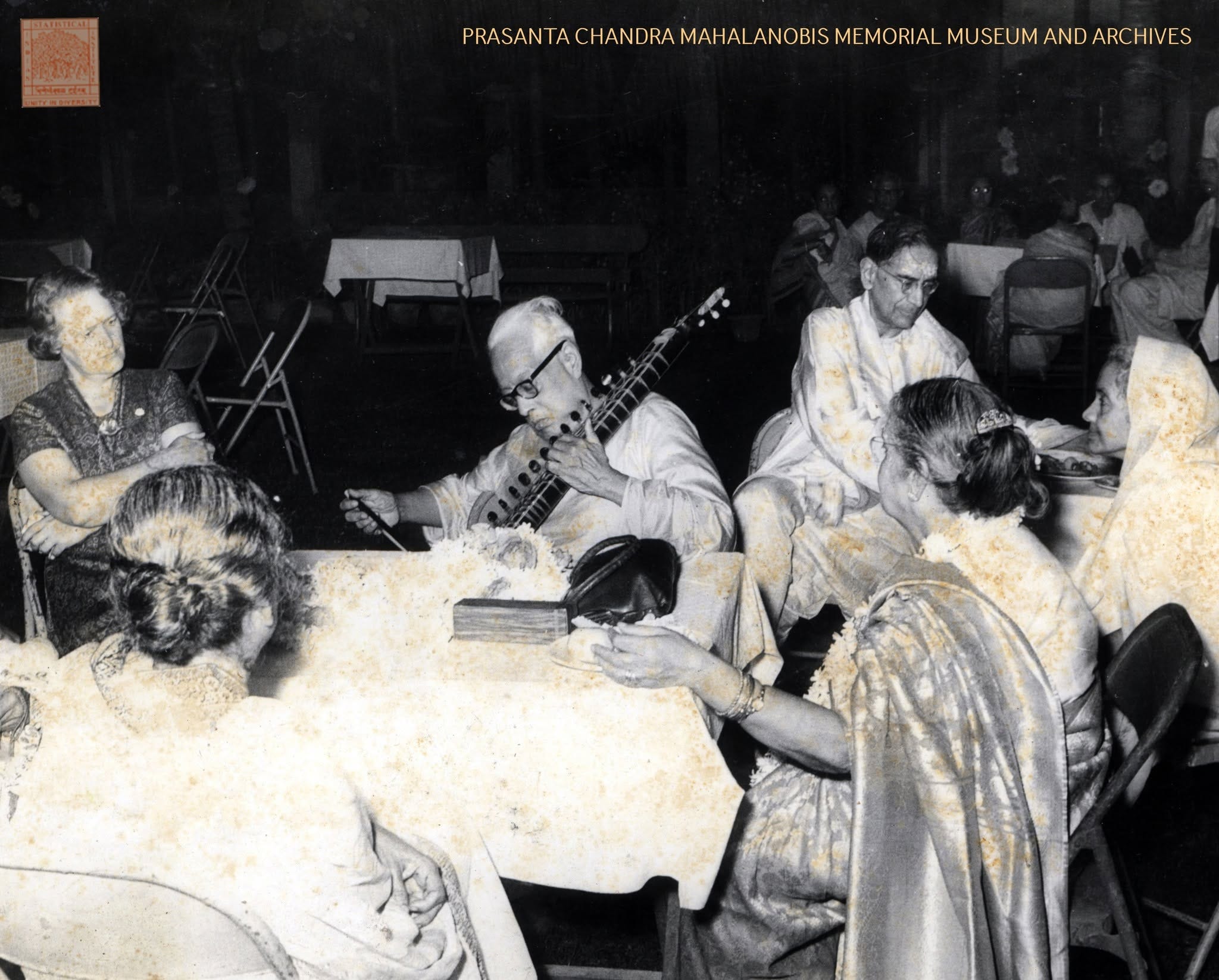
What do you do when European journals refuse to publish your path-breaking paper? Well one Satyendra Nath Bose said yolo and mailed his paper directly to Albert Einstein! This was probably the greatest fan mail Einstein had ever received - he recognized the paper as extraordinary, translated it to German and then got it published. It was truly a seismic affair in the world of Physics. The paper described a new way of counting photons - that turned existing science on its head. Einstein loved it so much he extended the idea further and together they created the Bose-Einstein statistics. Roughly half the particles that make up the universe follow the rules that Bose wrote. Those particles are named Bosons in his honour. The most famous of them Higgs Boson made headlines in comic sans when it was discovered in 2012. The CERN’s director general was asked about Bose - his response was crisp - Bose deserved a Nobel Prize, he never got one. Ironically, seven Nobel Prize winners can trace their roots to Bose-Einstein statistics. Beyond Physics, Bose was a polyglot - who taught himself French to read Marie Curie’s original French papers. He played the Esraj with genuine skill. He helped build scientific institutions in India. When Einstein died in 1955, Bose was in the middle of writing a paper he had hoped to discuss with him at an upcoming conference. Upon hearing the news, he tore the paper - who knows he might have discovered how the other half of the world worked! Satyendra Nath was celebrated in India, ignored by Stockholm and immortalized in the very fabric of the universe.
Anand Patwardhan’s documentary Father, Son and Holy War was removed from YouTube. Here’s a chilling scene from the documentary.
Who did exit stage right better - Trump or Modi?
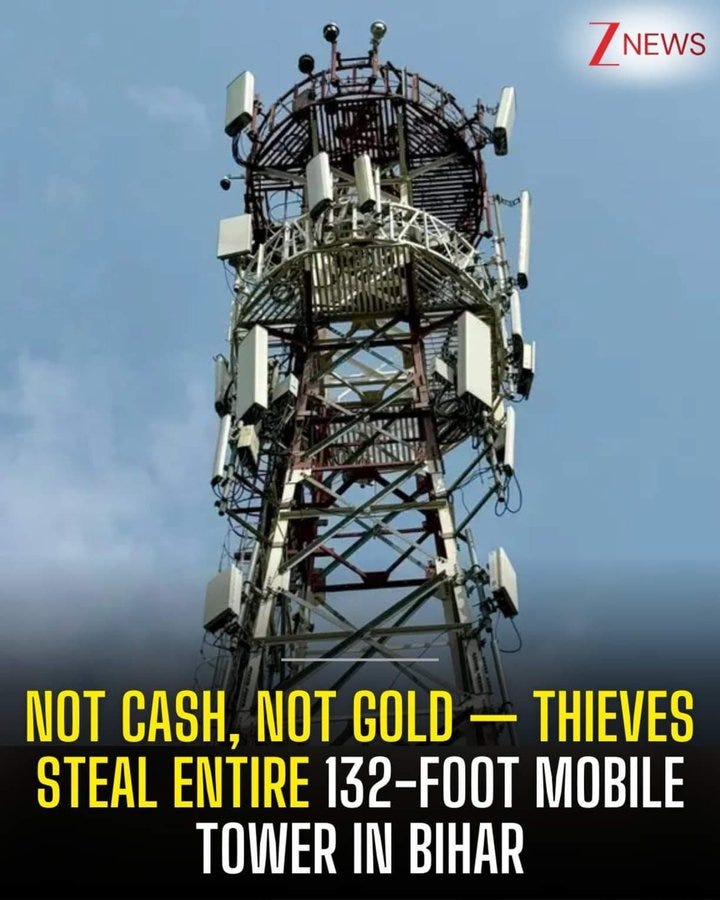
A new way to get a better signal!
The Bharat Ratna was awarded to Subhash Chandra Bose. A press release was published by the president’s secretariat to confer the award posthumously on Subhas Chandra Bose. It led to several PIL’s - since the government had not accepted his death in 1945, he couldn’t be conferred the award posthumously. Bose’s family declined to collect the award.
💟 IWTK
Comments
Nothing yet. Say the first thing.
Sign in to join the conversation.