
Content note: Reflections on chronic illness, being believed, and the emotional weight of friendship and abandonment.
Being friends with a disabled person is an honor, but our friendships can look a little different. I wanted to capture what that actually means, so I invited a few disabled voices I love to share their experiences alongside my own. Please click through to their profiles and show them some support.
Disability is not a monolith, and this is only a glimpse. I’d love to hear what disabled friendship means to you in the comments.
It can be so isolating living in a disabled body. I know this intimately.
No one else is inside this body, and words are often not enough to truly describe sensations. Pain can mean so many disparate things. Fatigue has distinctly different meanings to a sick person versus a well one.
The longing and grief of not getting to live like a well person is a depth that seemingly has no end. Especially as a disabled person under 40.
It can hurt so badly to want to do something, to want to be out with friends at a birthday party, a concert, a bar. It can feel so unfair. To feel like you let your friends down. To come up against the monster of your illness, teeth bared, but all you can do is cower in your bed alone.
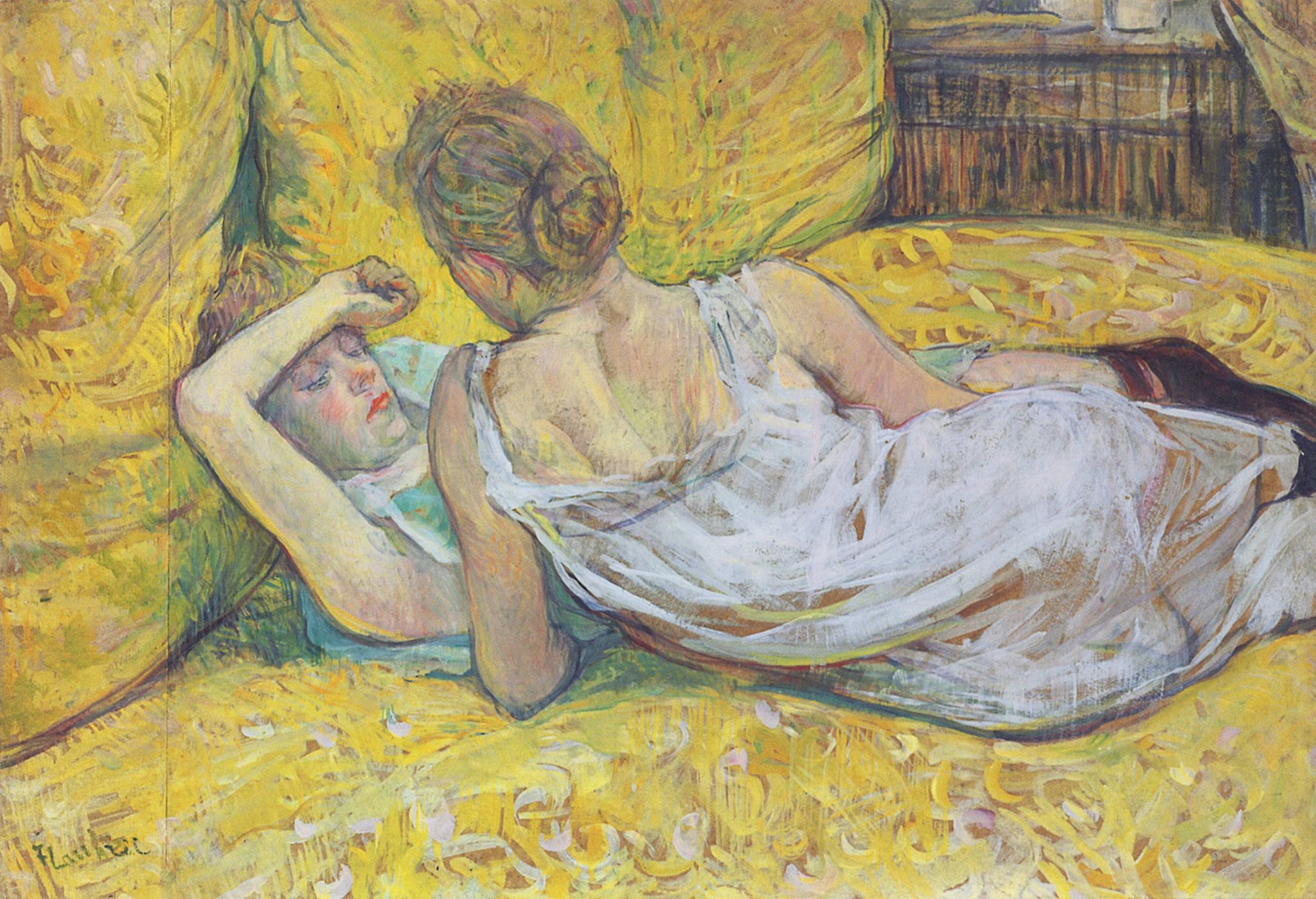
My body often won’t allow me to leave the house. It won’t allow me to stand for more than 10 minutes. It isn’t safe in a busy public place where everyone is unmasked. It can’t take bright lights or loud sounds. Every outing needs to be planned for sensory overwhelm, physical limitation, and energy deficits.
“I might be acting normal on the outside but I could have no energy at all. Isolation doesn’t just come from spending too much time alone. It comes from our lived experience being so different than a lot of people. Some days I can do a ton, walk 5 miles, talk on the phone for hours. Other days I can barely get out of bed. Hour by hour is a different experience. It can be a real rollercoaster and isn’t directly related to the energy I put out. Phrases like ‘How are you doing?’ can feel very complicated.”
– Cam
Finding a friend who appreciates coming into my home is key. For your travels, I will shower you in delicious snacks. My home is lovingly cozy and meticulously beautiful since I spend most of my time here. And you’ll get to see the me that’s most at ease, most able to focus, able to be whole and vulnerable.
My body needs to be babied. To be cared for tenderly. And sometimes this power of knowing what it needs can feel instead like too much, like a defect.
“Because I’m a physician and was accustomed to being a caregiver, I got used to denying my own needs in order to care for others—even when I was struggling. I literally cannot do that anymore. So when I think about friendship, I not only appreciate those friends who have responded and embraced my new abilities and limitations, I also think about my own role as a friend. Maybe I wasn’t an honest friend before my health changed. Maybe I was hiding more than I should have.”
– Dr. Zeest Khan
I may not be able to do as much as your able-bodied friends.
Sometimes I can’t go out in public. I can’t get dressed up. I might need to cancel our hang last minute. I might need you to come midday because I’m too tired past 4pm. I might not be able to text you back in any timeframe. I might need you to leave after an hour.
Please don’t abandon me. Don’t assume my limitations. Don’t stop inviting me to things. Preface that you think it might be x, y, and z. Too far, too busy, too loud, too late, whatever the case. This is so helpful as it saves me from having to track that down. But allow me the dignity of making my own decisions.
“One of the most supportive things a friend can do is not be afraid to double text, and not read my sporadic communication as distance or disinterest. My capacity moves, sometimes quickly, and I drift in and out of conversation with it. I feel a lot less shame re-engaging when I know someone won’t be upset with me for the quiet stretches. I never want the people I love to feel unsure where they stand with me, but a steady back-and-forth just isn’t always something my body can give. Sometimes I don’t have the spoons to compose a full text, but I still want connection. Maybe that looks like sending a resource that made me think of you, a voice note, or a video about a topic you love. I especially love it when I can learn from my friends. Infodumps are my love language, always.”
– Alyssa 🌿💫
My body can be hard to track. Even I struggle to follow its needs. Even I doubt it sometimes.
Most disabilities are dynamic. This means they change in severity and symptoms over time. I’ll have good days and bad days. One day I can take a twenty minute walk. Another I can’t leave my bed.
Most disabilities are invisible. Much of the time I appear well.
You might forget that I even have a disability. But I never forget.
“My most supportive friendships are the ones in which I don’t have to explain my access needs because they’re not only accepted without question, but also accounted for in any plans that are made. And I always strive to do the same for my friends, regardless of whether they identify as disabled. Far too often, I hesitate to be honest about my pain levels or how unwell I’m feeling, especially if it means canceling or rescheduling plans. I struggle with feelings of guilt and worries that I won’t be believed.”
– Emily Ladau
To be chronically ill is to live in a body full of pain and limitation, while healthcare professionals, family, and strangers on the internet gaslight you at every turn. It would leave anyone in shambles. I’ve had to crawl back to baseline, back to trust in my body, my intuition.
Truly one of the greatest gifts my friends give me is their faith, their belief.
“I might look ‘fine’ doing one thing and then really struggle with something else that seems easier by everyday logic. But pain and capacity don’t always behave in a neat, common-sense way. There’s also a big difference between what I can technically push through and what it costs me afterward. The most meaningful support is usually the kind that lowers the pressure without making me feel like a burden. It means a lot when someone believes me about what my body is telling me and doesn’t make me over-explain.”
– Alyssa 🌿💫
Knowing I have a friend on my side feels like I’m not showing up to this alone.
Sometimes I still get embarrassed when others care for me. If you ask if I’m okay. If you offer up a chair you noted in a place we just arrived. If you suggest we leave somewhere that’s suddenly quite loud.
It can be so scary to be vulnerable. To be exposed. But your awareness makes all the difference. True friendship can’t exist without being a safe space for each other. And every time I see you’re not judging me, I snuggle in a little deeper.
“The thing I look for in friendships are honest people, who have the values of ‘lifting one another up’ and don’t like to harm others to elevate themselves, who are kind, honest and don’t lie... and perhaps, most importantly, that I feel a sense of emotional safety with them, so I don’t feel the need to hold back and hide parts of myself (because I did that for most of my life, before I knew I was Autistic and ADHD).”
– NeuroDivergent Rebel
I know it can be a lot to love a disabled person. With it comes grief, heartache, guilt, and fear. A monster in a dark hallway that you might rather shut the door on.
It may make you question whether it’s worth it. Don’t be ashamed of that feeling.
Shame brings apathy.
Sometimes I feel it too about my own body.
It’s natural to want to take the easy way out, to choose the able-bodied friend who has no limitations.
But here’s the thing. We’ll all become disabled in this lifetime, if we’re blessed enough to continue evading death. Your disabled brethren will not abandon you when it comes for you too.
“Little acts of service are always the most meaningful to me. I get so fatigued from having to ask for the same things over and over. The friends who take a covid test without me asking make me want to cry. Friends who carry my bag without a second thought. Who take out my trash when they notice it looks full. It is less about the act itself and more about being known. But I want to emphasize that I have had to become okay with the friends who need me to ask, too. Not every friend can anticipate my needs. Not every friend needs to fully understand me. That has saved me a lot of energy. I don’t use my time trying to explain the hardest parts of my life to people who don’t have the capacity.”
– Liv
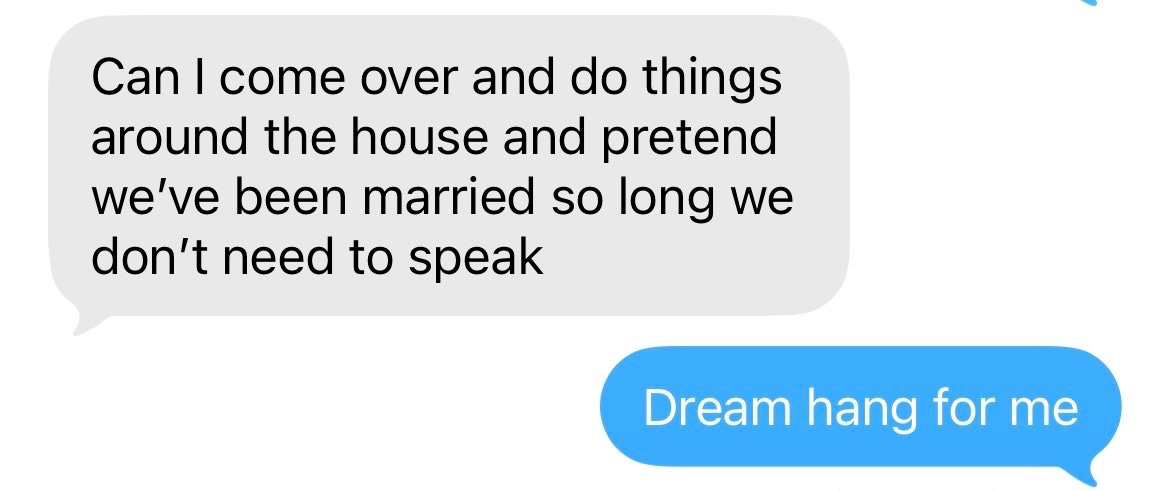
We can face these heavy emotions together. Disabled folks don’t often shy from vulnerability. On the other side is growth you may have never thought possible.
My body won’t allow stagnation of spirit. I wouldn’t survive it if I gave up. And I think many disabled people would agree, often the only way forward is through radical self-acceptance. If your body won’t heal, won’t conform to what the world demands of it, you’ve gotta get your mind right.
Most people don’t truly accept disabled people, don’t see us as equals. To be disabled is to peek behind the curtain and see the ugliness of the world.
“Something I wish my friends understood about my disability that they might not see, is the past trauma from living undiagnosed that greatly affects how I show up in the world. It’s only been about 5 years of the 36 years I’ve been alive, that I’ve been diagnosed, am learning about my disability, and am getting to know myself for the first time in a sense. I wish my friends understood how deep my rejection sensitivity goes, and the fears I still have of being rejected for showing up as my authentic self without masking, even a tiny bit.”
– VIAA
We won’t be able to relate if you’d rather stay in your comfortable place in the dark. My closest friends have an open mind and a soul that’s always striving to learn and be better. They believe me when I share what I’ve seen, even if unsightly.
“My best friend and I have both experienced disability, though never at the same time. We like to say that we shift back and forth, one of us gets to be the mess while the other one cleans up. I mean that literally and figuratively. I have a lot of friends who are supportive in their own ways, but nothing compares to the kind of understanding another disabled person can offer you. I don’t understand much about the universe, about karmic balance, though I can spend hours trying. If you believe that everything has a counterbalance, believe that she is mine.”
– Liv
As the world prioritizes convenience and a frictionless existence, we have sacrificed our community. A world like this has no room for disabled bodies. It’s easier not to make accommodations for people. It’s easier to ghost that friend who needs something from you.
Disabled friendship gives us a glimpse into a beautiful future. It creates a depth of interdependence and an expansion like none other.
It shows us a world where care is prioritized.
We’re stronger together, but we’re also allowed to be weaker together. More vulnerable together. Because there are hands ready to hold you when your body finally asks for help.
Friendship with a disabled person requires imagining a world where no one is left behind.
A world like that doesn’t ask us to be less needy.
It asks us to finally need each other out loud.
I’d love to hear what disabled friendship looks like for you!
If this resonated, consider sharing it. It might help someone better understand how to stay when things get hard.
No posts
Comments
Nothing yet. Say the first thing.
Sign in to join the conversation.