
So what exactly is an executive coach, anyway? Good question, because there is a clear definition, then there’s a murky one, because the coaching industry is murky in general.
Technically, from an industry standpoint, an executive coach is a trained coach (or one that is certified, preferably trained, definitely experienced) who uses coaching methods and frameworks to coach anyone in the context of their professional life. It has the name executive attached to it because it is frequently aimed at leaders, execs, and founders, but more and more, the term applies to coaching for the workplace.
Less technically, more murkily, executive coaching can be anything, because coaching can be anything. Many organizations, coaching networks, platforms, etc. require a certification, usually from a governing body like the ICF to be called a coach. But it’s an industry that isn’t as carefully regulated as, say, therapy and counseling, so anyone who sets up a website or course and says they’re a coach can technically do so.
Frequently, these folks offer advice and guidance in some capacity, which, while helpful, is not coaching; it’s mentoring, or sometimes teaching. If you’re giving someone strategic direction based on your own expertise, it may even be consulting. I know this because I was/am a consultant, and also because I did my research before training as a coach. There’s nothing wrong with those forms of coaching, but it’s not technically coaching. No one needs to lose sleep over this distinction, but now that I know the difference, I see that it’s actually quite significant.
I like to think of executive coaching as a form of work therapy without the analysis, diagnosis, or looking backward. In their place are only solutions, plans, and the future. Coaching asks clients what hurdle they are facing, what project they need help starting, and what is bothering them, then uses questions, prompts, exercises, and even visualizations to allow the client to create a realistic, attainable, measurable solution for themselves. Have you ever walked out of therapy feeling exhausted because maybe you got to a better understanding of yourself, but then a bit lost or underwhelmed because you don’t know what to do next, despite those revelations? That’s where coaching comes in.
The thing I like about coaching is that, unlike mentorship, consulting, or therapy, the coach isn’t telling the client what to do; all solutions come from the client themself. The coach’s job is simply to help their mind open up to produce that solution. In fact, if the coach inserts themselves too much into the session, even to encourage the client or praise something they’ve said, it actually undermines the power of the client.
Think about a child playing basketball: if they have enough autonomy to take a shot and make it, they feel proud of themself. If the coach told them exactly what to do each step of the way, when to shoot, and from where, they still make the basket, but their sense of accomplishment, confidence in their ability, and self-direction the next time they get the ball will not be reinforced. A good coach keeps the player on track, positive, pumped up. A bad one micromanages, undermines, or does the work for them. If this metaphor doesn’t work, then I’m sorry; I have to admit I don’t much like sports.
So then, who needs an executive coach? Well, if the output is a greater sense of confidence, clarity, and impact because you’re creating solutions, go-forward plans, and getting unblocked, then I’d say everyone. You can use coaching for everything from creating a to-do list, to discovering what you were put on this earth to do and why. Like, in a perfect world, I would have met with one every week of my professional life. I can’t even imagine the difference it would have made in my career to have the opportunity to get out of my own way, mentally.
And what’s the value of having an executive coach helping your organization? (That was actually a coaching joke but you don’t know that yet.) It can help people from spiraling, doing the same things over and over, feeling hopeless or helpless, or not knowing where to start. It creates a 60-minute window of solution-oriented thinking every week to tackle whatever might be plaguing them, from office politics to boredom to insecurity to not knowing how to do something. Obviously, the value is clarity that begets performance that begets happiness that begets profit. Not always as easy as that, but you get what I mean. There is always value in operating in alignment with your goals and values, as I frequently speak about here; coaching helps you to do that.
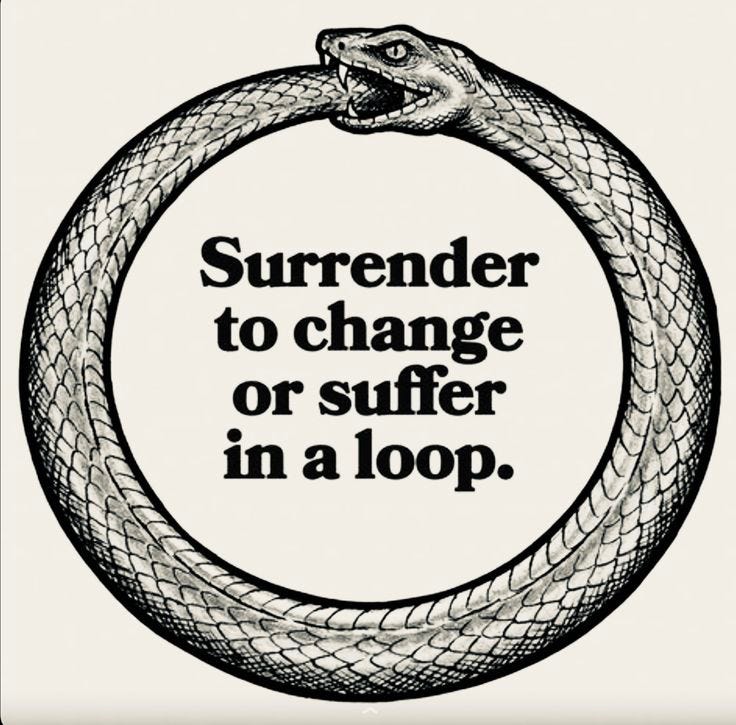
So, why am I even talking about executive coaching? I talk a lot about aligned actions on Just Work, both as individuals making career or leadership decisions, and as companies and brands making business decisions. I’m obsessed with shit being aligned; it’s just so efficient, fulfilling, effective. That’s why I became an executive coach: to learn how to do what I do for brands for individuals. If you ever feel out of whack, not on track, like you’re going in circles, it’s probably because you’re working hard but not in a way that’s aligned with what matters to you.
I decided to spend the back half of my career helping people to get back into whack by aligning their actions with their values. It’s a lot more fulfilling than selling princess dolls to children or lotions to women.
Want to have more clarity, build action plans, dismantle gloom, and be excited about what you’re doing at work? Reach out to learn more about my coaching engagements.
Thanks for reading Just Work! This post is public so feel free to share it.
Comments
Nothing yet. Say the first thing.
Sign in to join the conversation.