
I was working on an Instagram post about Italian addresses when I remembered the time I walked into the wrong apartment in the United States.
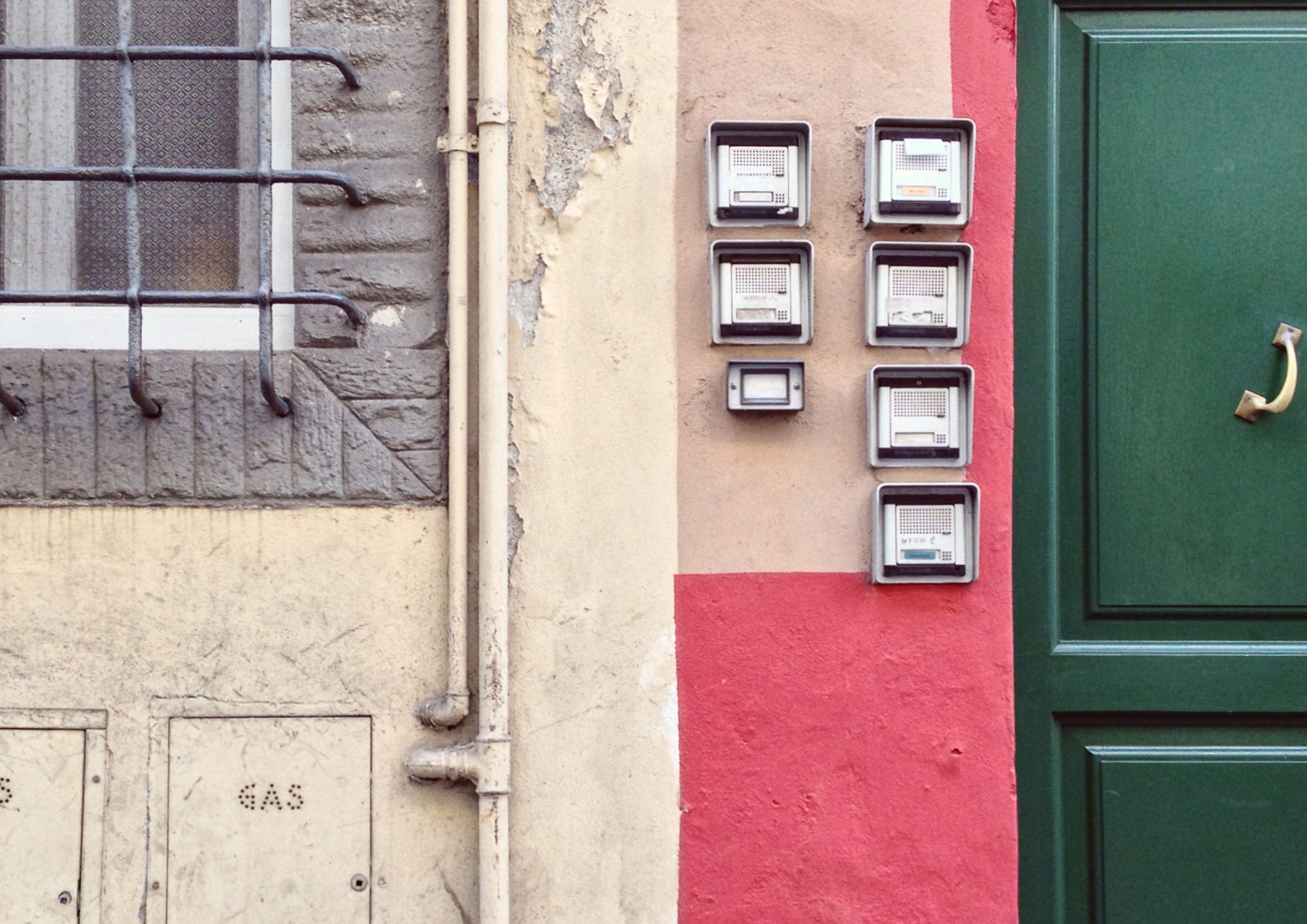
The post had started as a fairly straightforward idea. Explain a few Italian words. Help people understand their check-in instructions. Prevent someone from spending twenty minutes outside a building with a suitcase, staring at a wall of buzzers and wondering whether pressing all of them would be considered rude.
Then I reached the word piano-floor, and remembered my own mistake.
I was staying in an Airbnb in the US, and the instructions said the apartment was on the first floor.
Easy, I thought.
Except I read “first floor” with my Italian brain. In Italy, street level is the piano terra. The primo piano is the level above it. So I went upstairs, found what I believed was the right apartment and confidently went in.
It was not the right apartment.
There are few things more educational than being completely certain in the wrong country.
The experience stayed with me because the mistake was so ordinary. I understood every word in the instructions. The problem was that the words did not mean what I assumed they meant.
Italian addresses create exactly the same problem for visitors.
You book an apartment and receive an address such as:
Via Garibaldi 26
It looks complete. Street name, number, done.
Then you arrive and discover that Via Garibaldi 26 is not one neat front door leading directly to your accommodation.
It may be a large wooden entrance in a stone façade. Behind it is a courtyard. The courtyard leads to three staircases. One staircase has an elevator, but the elevator stops between floors. The buzzers are labelled with surnames that bear no resemblance to the romantic name of your rental.
Your phone says you have arrived.
Technically, your phone is right.
You are at the address. You are simply not yet at the apartment.
That is the part people rarely explain: an Italian address often comes in layers.
The first word tells you what sort of place you are looking for. A via is a street. A piazza is a square. A vicolo is a narrow lane. A corso is often a larger or historically important road through town.
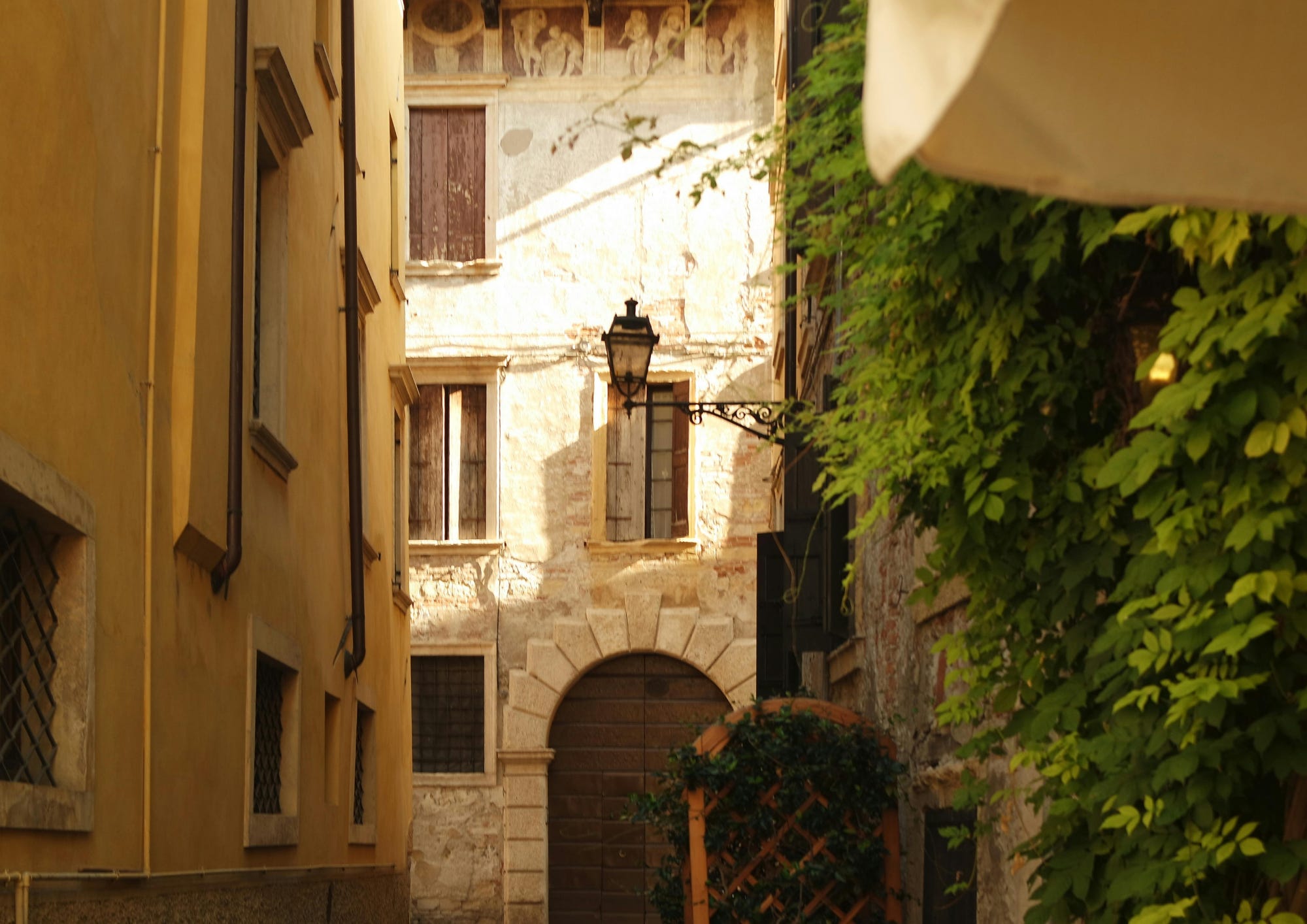
These words are not just formal additions to a name. They change how you look for the address.
A civic number on a long city street may be easy to spot. A number in a piazza might sit beneath a portico, beside a shop or around a corner that still feels like part of the square. In an old town, the address begins by describing the space around you.
Then comes the numero civico, the number attached to the street entrance.
This is where many visitors make their first mistake. The civic number is usually not the apartment number. It gets you into the building, or at least to the correct external door.
After that, the smaller words take over.
The scala is the staircase or section of the building. One entrance may lead to Scala A, Scala B and Scala C, each with its own apartments and possibly its own elevator.
The piano is the floor. Remember: piano terra is the ground floor, while primo piano usually means one level up.
The interno is the internal unit or apartment number.
And the citofono is the buzzer or intercom.
The citofono deserves special attention because it has humbled almost every traveller at least once.
You may expect to see the name from your booking. Instead, the panel might show the host’s surname, an old tenant’s name, the internal apartment number or a label that has faded so much it could be anything.
Your accommodation may be advertised online as “Colosseum Luxury Sunset Dream,” while the buzzer simply says Rossi.
Ring Rossi.
This is especially common in older Italian buildings, where the street entrance opens into a world that feels entirely separate from the city outside.
You step away from the traffic and into a cool courtyard. Footsteps echo against stone. There may be bicycles against a wall, plants on a balcony and laundry hanging several floors above you. Somewhere behind one of the shutters, someone is making coffee.
It is charming until you realise there are three staircases and you have chosen the wrong one.
Italy also enjoys adding local variations.
In Florence, you may see an address ending in r, meaning rosso - red. Red civic numbers have traditionally been used for many commercial entrances. Number 22 and number 22r may be different doors and are not necessarily beside each other.
Venice has its own address logic, organised around the city’s six sestieri. There, the district name and civic number are essential. Relying only on the name of a calle can send you into a very beautiful but entirely unhelpful walk.
This is one of the things I love about Italy. Even getting to the correct door can tell you something about the city.
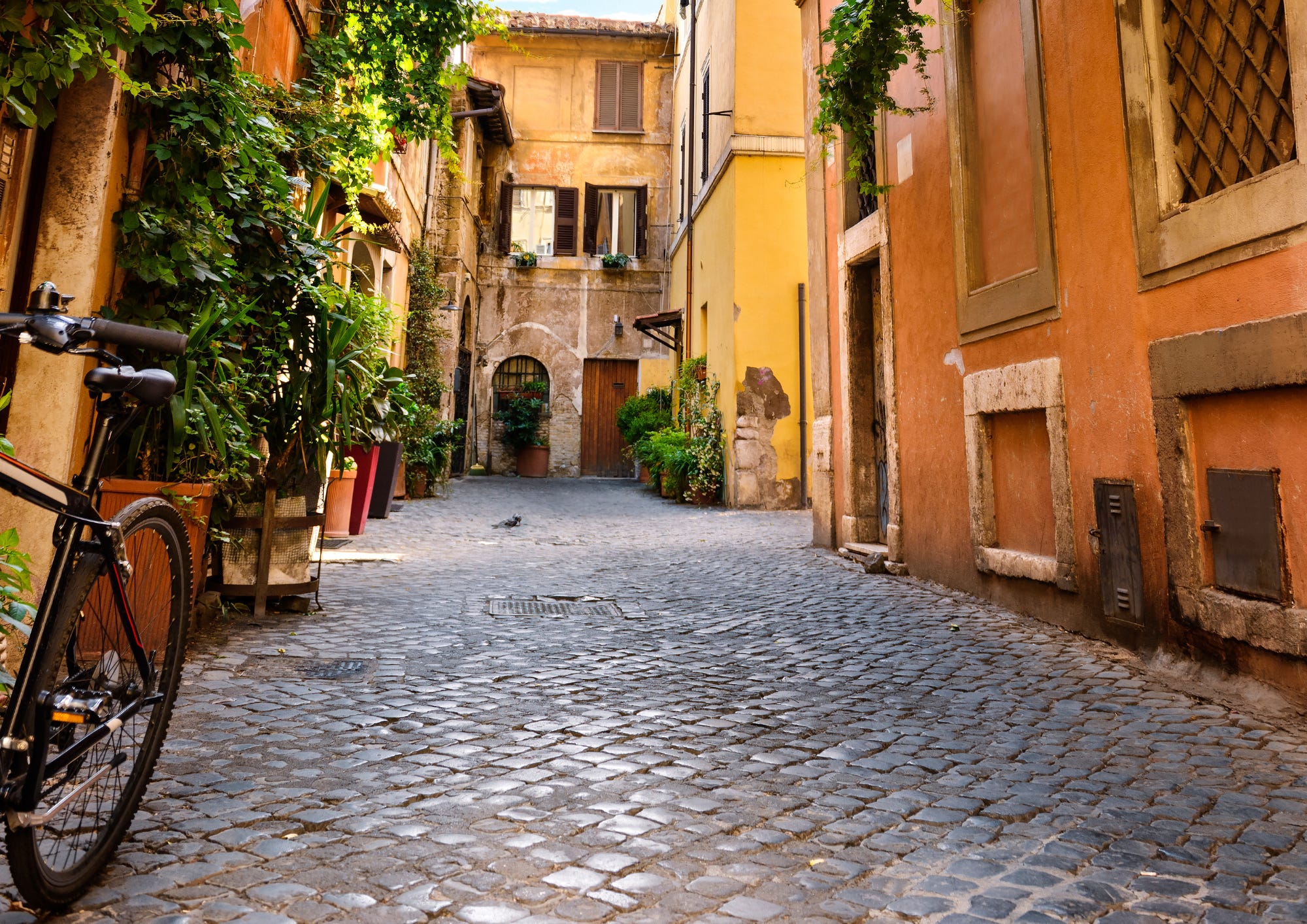
The buildings were not created for booking platforms, digital maps or visitors arriving with rolling luggage. They developed slowly. Palazzi were divided into apartments. Courtyards gained extra staircases. Elevators were squeezed into whatever space remained. Family names stayed on buzzers long after the people, or the use of the apartment-changed.
The result is not always efficient, but it makes sense once you understand the layers.
So before arriving at an apartment in Italy, especially for self-check-in, ask for the complete details: the exact civic number, scala, piano, interno and the name or code on the citofono.
A photograph of the entrance is even better.
And when you are travelling with heavy luggage, do not ask only whether the building has an elevator. Ask whether the elevator actually reaches your floor.
That is not the same question.
The older I get, the more I think that understanding a country happens through these small things.
Of course, we remember the churches, paintings, markets and long dinners. But we also remember learning how to order coffee, where to validate a train ticket, why shops close in the middle of the day and what “first floor” means when we are far from home.
These details are not glamorous. They rarely appear on a dream itinerary.
But they are often the difference between feeling lost and feeling as though you understand, just a little, how life works here.
An address tells you where to go.
An Italian address also asks you to pay attention.
And after my American first-floor experience, I now read every address all the way to the end.
Buon viaggio,
Maria
📍Rome
No posts
Comments
Nothing yet. Say the first thing.
Sign in to join the conversation.