
Era un po’ che mi mancava un bel seminario di studi all’Accademia della Colombaria di Firenze, cioè non 1 conferenza ma 1 giornata intera di conferenze, spezzata soltanto dalla pausa di un light lunch con ottimo cous cous di verdure, stuzzichini di focaccine con tonno, salmone, prosciutto e paste per dessert.
Questa tappa della mia collezione Momenti di storia di oggi s’incrocia con un percorso tutto mio di approfondimento della questione meridionale, dato che dopo aver scoperto felicemente la Campania lo scorso novembre, mi sento di confermare tante voci che sostengono che bisogna investire in quei territori.
🇬🇧 It had been a while since I’d last attended a proper seminar at the Accademia della Colombaria in Florence – not 1 single lecture, but a whole day of talks, broken only by a light lunch with vegetable couscous, focaccia bites with tuna, salmon and ham, and pastries for dessert. This history post alignes with my current personal journey of exploring the Southern question, having happily discovered Campania last November, since I more and more agree with the many voices arguing that those regions deserve more investing. Buon viaggio then to this journey back 100 years or more.
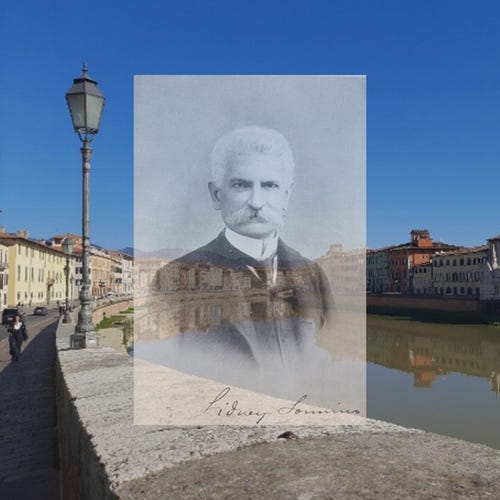
Ecco che cosa differenzia la storia dalle tante sciocche chiassose e inutili distrazioni di massa a cui ci vogliono abituare: si crede che sia roba noiosa e invece... tiè! Salta fuori l’impensabile!!
No, non era straniero, ma era figlio di madre inglese. Nato a Pisa nel 1847, appassionato di Dante al punto da fondare a Roma la Casa del poeta per la diffusione della Commedia (W😀W), studiò brillantemente a Firenze. Ebbe incarichi in diverse ambasciate. Fu anche giornalista. Di fede anglicana, fu attivo nella politica dell’Italia post risorgimentale e uomo chiave dei governi bellici.
Lo si descrive liberale conservatore, ed esponente della Destra storica, posizione che guardava agli interessi delle classi abbienti di Nord e Sud. Non gli piacevano né il clericalismo né il socialismo perché vedeva in queste politiche dei grossi pericoli per il futuro stato. La prima in particolare mirava a salvaguardare gli interessi del clero ma anche ad indebolire la laicità dello stato, accampando diritti non sempre consoni al buon governo della cosa pubblica.
Sonnino era colonialista e filogermanico, quindi contrario all’irredentismo di Trento e Trieste (ancora territori austriaci) e favorevole a un’alleanza con Vienna. Sosteneva lo Statuto albertino (la nostra prima costituzione) e che il re dovesse mantenere il potere esecutivo.
Attenzione però a non interpretare queste sue posizioni con il filtro della storia contemporanea, a cui Sonnino non è mai arrivato, essendo morto nel 1922. La storia va sempre capita nel proprio contesto. Solo dopo si possono trarre conclusioni.
This is what sets history apart from the countless silly, noisy and pointless mass distractions they’re trying to get us used to: we think it’s boring stuff, but instead… the unthinkable happens!!
No, he wasn’t a foreigner, but his mother was British. Born in Pisa in 1847, he was such a passionate admirer of Dante that he founded the Casa of Dante in Rome to promote the Divine Comedy (W😀W), and he studied brilliantly in Florence. He held posts in various embassies. He was also a journalist. An Anglican, he was active in the politics of post-unified Italy - and a key figure in the wartime governments.
He is described as a conservative liberal and a leading figure of the Historical Right, a political posture that looked after the interests of the wealthy classes in both the North and the South. He disliked both clericalism and socialism because he saw these policies as major threats to the future of the state. The former, in particular, aimed at safeguarding the interests of the clergy but also at weakening the secular nature of the state, invoking rights that were not always in line with the good governance of public affairs.
Sonnino was a colonialist and pro-German, and therefore opposed to the irredentismt riots of Trento and Trieste (still Austrian territories by that time) and in favour of an alliance with Vienna. He supported the Albertine Statute (Italy’s first constitution) and believed that the king should retain executive power.
But please, be careful not to interpret his positions through the lens of contemporary history, which Sonnino never lived long enough to see, having died in 1922. History must always be understood within its own context. Only afterwards conclusions can be expressed.
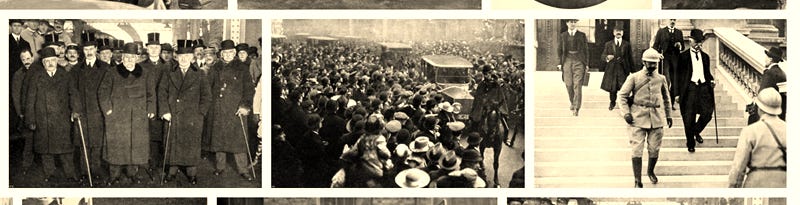
L’Italia pretendeva che all’Etiopia gestisse i propri affari esteri solamente attraverso di lei. I rapporti divennero così tesi che l’Etiopia cominciò a far man bassa di armi, buona parte di queste venivano dalla Francia (anche lei arrabbiata con l’Italia per via di un’altra questione sempre coloniale), che accese un contrasto fra il Presidente del Consiglio di allora, Crispi, il quale temeva uno scontro e voleva vincere a tutti i costi, e Sonnino che inneggiava invece alla prudenza, lamentando che non si era in grado di gravare il popolo con nuove tasse per coprire spese militari.
Mentre laggiù si combatteva, qua litigavano tirandosi accuse (anche inventate) uno contro l’altro. Il risultato fu che la guerra scoppiò, l’Etiopia la vinse, e il governo cadde in 4 giorni. Storia che si ripete? Forse. Fatto sta che Sonnino rimase disgustato da tanti giochi di potere.
Ce n’era sempre una. La tal isola insorgeva o protestava con forza tale da richiedere intervento, e anche se non erano questioni italiane, eravamo tirati in ballo per via di alleanze. Alleanze con gente ben più in avanti di noi, che a noi non sempre ci tenevano in considerazione (e su questo Sonnino ci furono delle volte che ebbe da ridire).
Mi colpisce che fossero però soprattutto faccende d’onore nazionale. Se il Regno d’Italia entrava in guerra, doveva vincere. Se c’era bottino, doveva riceverne la propria parte. Perdere contro l’Etiopia era una questione di mantenere la faccia. Alla faccia di tutto il corredo di macerie materiali e morali che ogni guerra sempre causa.
Italy demanded to be the leading filter within Ethiopia’s foreign affairs. Relations became so tense that Ethiopia began to stockpile weapons, particularly from France (which was also angry with Italy because of another colonial issue), sparking a clash between Crispi - then Prime Minister - who feared a confrontation and wanted to win at all costs, and Sonnino, who instead advocated caution, complaining that people could not be burdened with new taxes to cover military expenses.
Whilst fighting raged over there, here they were thowing accusations (some even untrue) at one another. The result was that war broke out, Ethiopia won, and the government fell within four days. Does history repeat itself? Perhaps. The fact remains that Sonnino was disgusted by all such power games.
Frictions could came up at any moment. This or that island would rise up or protest with such force that intervention was required, and maybe they weren’t Italian matters, yet we got involved into them because of alliances. Alliances with people far ahead of us, who didn’t always take us into account (and on this point, Sonnino at times complained).
What strikes me, however, is that these were above all matters of national honour. The Italian kingdom had to win a war. Had to be given its part of the outcome. Losing to Ethiopia was a matter of saving face. Never mind the whole lot of material and moral ruin that every war always causes.
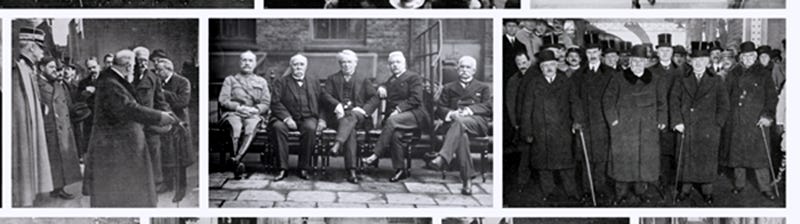
Scoprì che nella campagna romana, tanti vivevano alla meno peggio in grotte. Si recò in Sicilia per studiare da vicino la situazione locale. Invocò abitazioni dignitose per i poveri di Napoli, senza paura di dichiarare l’oziosità e il menefreghismo dei proprietari e intravedendo in questi atteggiamenti piaghe a danno dell’intera società.
Il Mezzogiorno non era povero di soldi, ma di voglia di investire. Il profitto si faceva sullo sfruttamento del contadino. Sonnino rispondeva con la proposta di un rapporto equo. Ecco da dove può essere venuto fuori il brigantaggio; certamente non solo da ingiustizie, ma anche da mentalità che nessuno si fermò mai ad ascoltare per cercare di capire quel contesto.
Codici chiusi, mafia, miseria, promiscuità di vita, scarsa attenzione all’igiene? L’istruzione è il mezzo per migliorare le condizioni sociali e prevenire rivolte.
Le ricchezze e la terra vanno distribuite equamente? Certo! Ma gli inizi del ‘900 sono clima prebellico, e allora i fondi non vanno alla scuola ma a ben altre voci di bilancio (oh, oh... 🤨). Sonnino la presentò la sua proposta di legge, ma per il disinteresse generale questa venne respinta.
Se avesse ottenuto approvazione, forse la questione meridionale si sarebbe superata? Non lo sappiamo. Sonnino però fu tra quelle figure del suo tempo che guardavano al meridionalismo dal lato di assunzione di responsabilità e ricerca di soluzioni. E questa è una lezione sempre attuale.
He discovered that in the Roman countryside, many were living in caves. He travelled to Sicily to study the local situation at first hand. He called for decent housing for the poor of Naples, unafraid to denounce the idleness and indifference of the landlords, seeing in these attitudes scourges that harmed society as a whole.
The South was not short of money, but of the will to invest. Profits were made by exploiting the peasant. Sonnino responded by proposing a fair relationship. This is where brigandage may have come from; certainly not only from injustices, but also from a mindset that no one ever made the effort to understand that particular context.
Closed communities, the Mafia, poverty, promiscuous lifestyles, poor hygiene? Education solely can improve social conditions and prevent uprisings.
Should wealth and land be distributed fairly? Of course! But the early 1900s were a pre-war climate, and so funds did not go to schools but to quite different budget items (oh dear... 🤨). Sonnino presented his law proposal, but the general indifference prevailed over it.
Had it been approved, might the Southern question have been resolved? Who knows… Sonnino, however, was among those figures who approached Southern Italian issues from the perspective of taking responsibility and seeking solutions. And this is a lesson that never goes out of date.
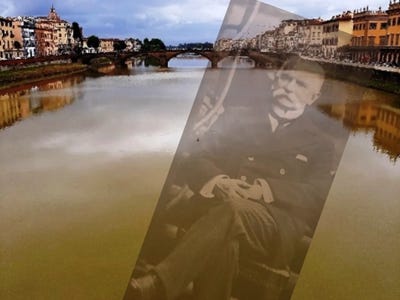
Benvenuta/o in Progetti di Viaggio in ITALIA!
Parliam di viaggi ma non è un travel blog. Raccontiamo esperienze ma non per limitare il tutto a un diario. Sogniamo di arrivare lontano, anche se costerà quanto costruire una strada nel deserto.
Tu che rapporto imposti con i luoghi che visiti in un mondo sempre più instabile?
🇬🇧 THANKS for reading! We talk about travel, but this isn’t a travel blog. We share our experiences, but we don’t want to limit ourselves to simply keeping a diary. We dream of going far, even if it costs as much as building a road in the desert. What kind of relationship do you form with the places you visit in an increasingly unstable world? Explore more within my Moments of history through the links below ⬇️
GRAZIE per la lettura. Ti propongo anche
Il TRENTINO racconta che cos’è una guerra
e un commento con lettura sul bellissimo libro di Lucio Villari per Rinascendo
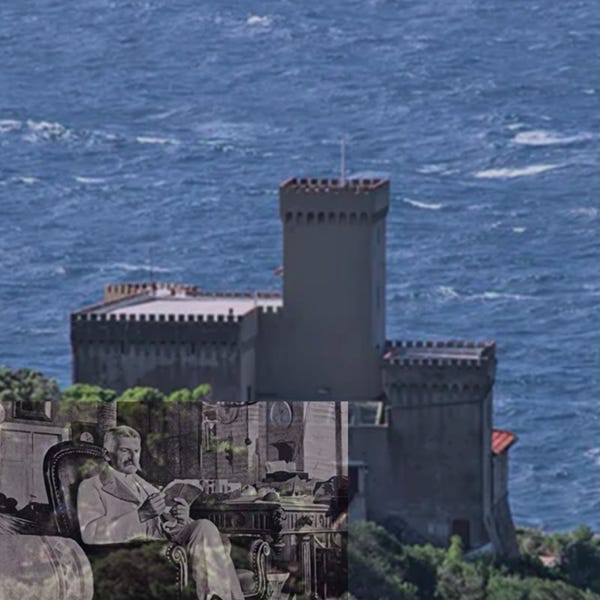
Qui è sepolto Sidney Sonnino, nel castello a picco sul mare che si fece costruire a Quercianella, in provincia di Livorno
🇬🇧 Sidney Sonnino is buried here, in the castle overlooking the sea that he had built in Quercianella, nearby Livorno (Tuscany)
Comments
Nothing yet. Say the first thing.
Sign in to join the conversation.