
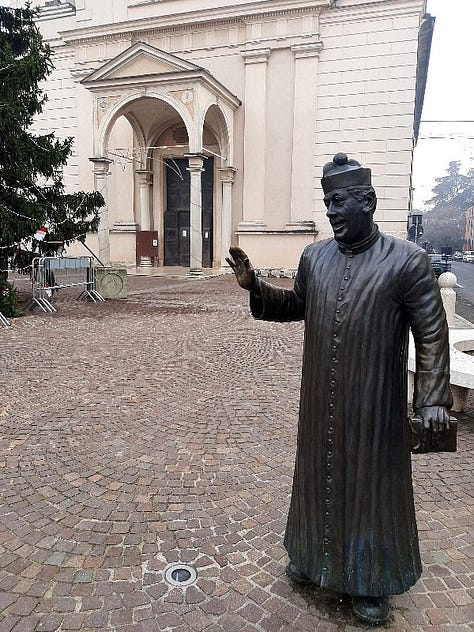
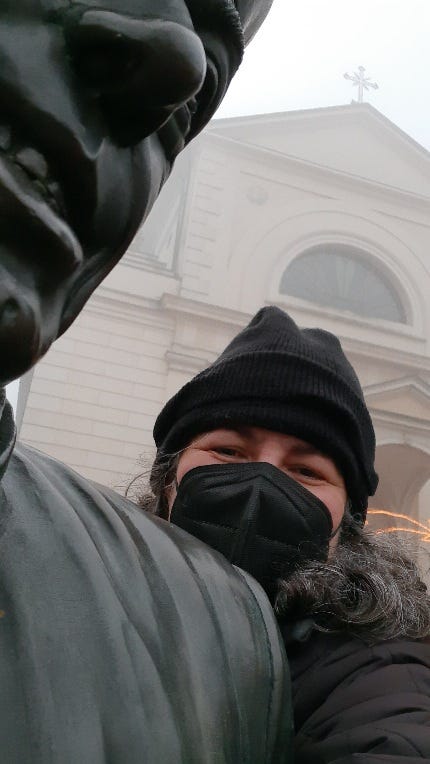
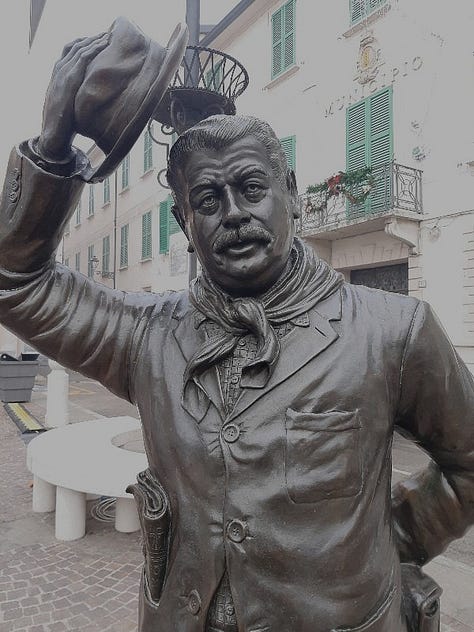
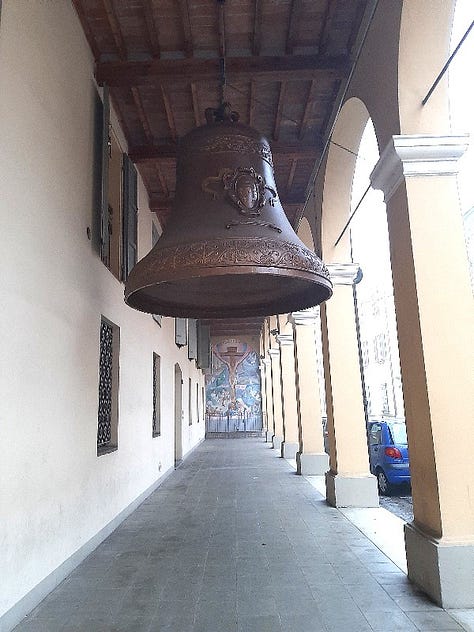
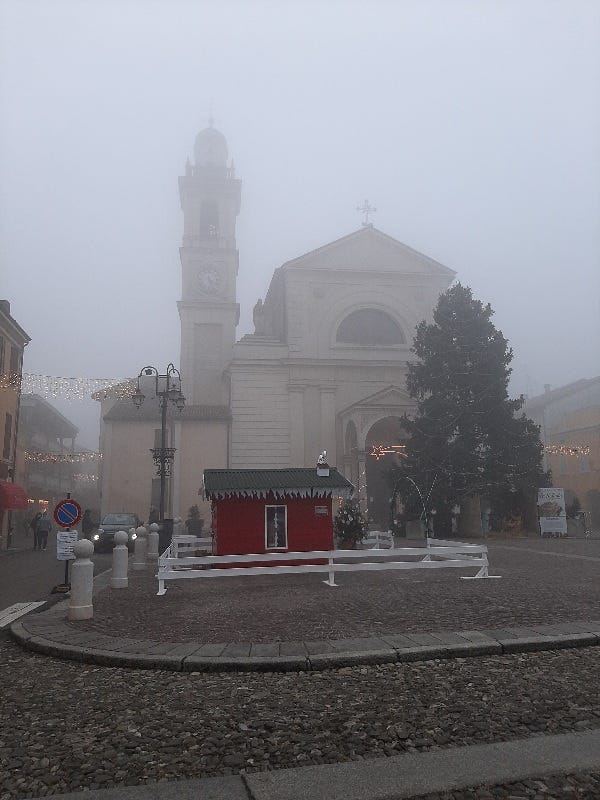
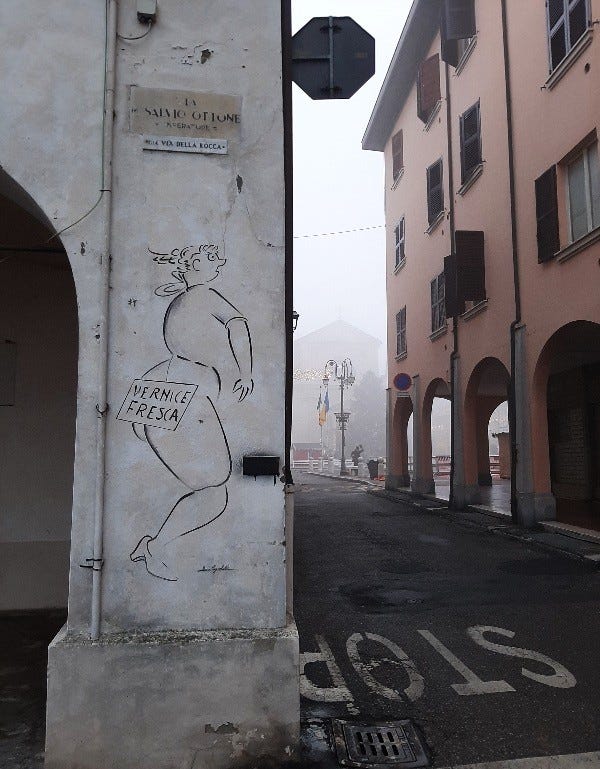
Arrivo poco dopo le 13, un silenzio assoluto. Solo il rintocco della campana uguale a quello sentito nei film. Nessuno in giro. Mi sento un po’ spaesata e affretto il passo per trovare subito la piazza storica (eh già, come se ci fossero da percorrere chissà quanti chilometri…). Girato un angolo, in fondo vedo una chiesa, ma non è lei, strano, credevo di averla riconosciuta dalla facciata a semplice arco… Allora svolto alla mia sinistra, ed ecco finalmente la piazza con le sculture di Don Camillo e Peppone. Nessuno in giro, solo io forestiera, a girarmi da tutte le parti e scattar foto in una nebbiosa giornata di pieno inverno.
🇬🇧 I arrive shortly after 1 p.m. to find complete silence. Only the tolling of bells, just like in the films. No one around. I feel a little lost and quicken my pace to find the historical square (as if there were miles to walk...). At a corner, I see a church in the distance, but it’s not that I’m looking for. Strange, I thought I recognised it from its simple arched façade... So I turn left, and finally I see the square with the sculptures of Don Camillo and Peppone. There’s no one around, just me, a stranger, turning in all directions and taking pictures on a foggy winter’s day.
Il tempo in cui Don Camillo girava fra queste stradine è ormai un ricordo, eppure quella scultura con cui mi diverto a farmi un selfie me lo fa sentire come se fosse ancora qui. Questo di Brescello è un piccolo mondo scritto da un uomo, Giovannino Guareschi, giornalista, umorista, ecc. ecc. che non era né di destra né di sinistra, ma semplicemente Giovannino Guareschi. Il suo Don Camillo è un personaggio singolare: uomo di fede con carattere, parla col Cristo riconoscendolo come Persona e non metafora. E il Cristo ci son volte che lo ferma, specialmente quando lui s’impunta su quella gran “ciurma di senza Dio”.
I fatti raccontati in maniera così divertente in film diventati un successo planetario, sono uno specchio del rapporto stato-chiesa dell’immediato dopoguerra in Italia, quando lo scontro fra comunisti e democristiani era parecchio acceso. Un tempo in cui l’umanità della Bassa era divisa in “briganti e pretacci della malora”. Tempi in cui Gina-Giulietta è innamorata di Mariolino-Romeo, ma siccome appartengono a due famiglie dirimpettaie totalmente rivali, con lei nipote di quel “vecchio barbagianni” del Pilotti, quando le discussioni si accendono lei gli lancia un “vorrei esser tua moglie per ...” senza tanti peli sulla lingua.
🇬🇧 The days when Don Camillo roamed these narrow streets are now a distant memory, yet that sculpture I enjoy taking selfies with makes me feel as if he were still here. Brescello is a small world created by a man, Giovannino Guareschi, journalist, humorist, etc., etc., who was neither right-wing nor left-wing, but simply Giovannino Guareschi. His Don Camillo is unique: a man of faith with character, he speaks to Christ, recognising him as a Person and not a metaphor. And Christ sometimes stops him, especially when he gets stuck on that big “bunch of godless people”.
The events recounted in such an entertaining way in films that became a global success reflect the relationship between the state and the church in Italy immediately after WWII, when the clash between communists and democrats was stronger than today. It was a time when those people were divided into “brigands and damned priests”. Times when Gina-Juliet is in love with Mariolino-Romeo, but since they belong to two totally rival families living opposite each other, with her being the granddaughter of Mr. “old owl” Pilotti, when arguments flare up, she bluntly tells him, “I’d like to be your wife so that...”.
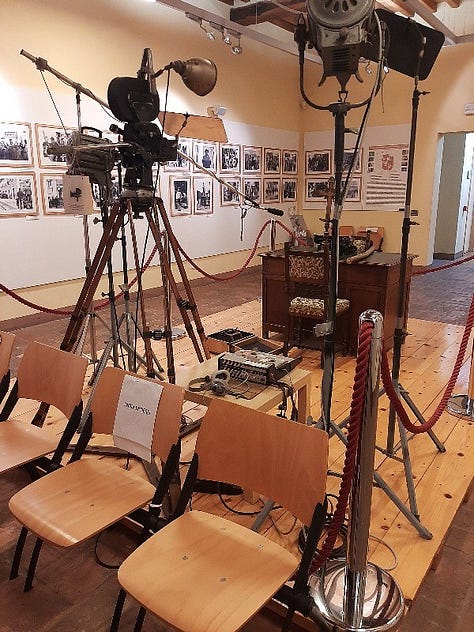
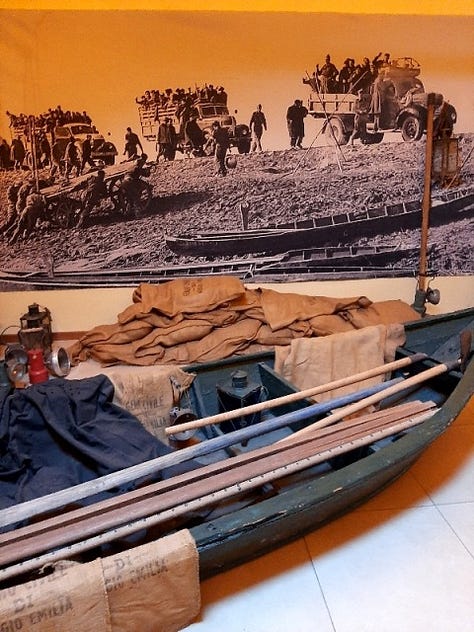
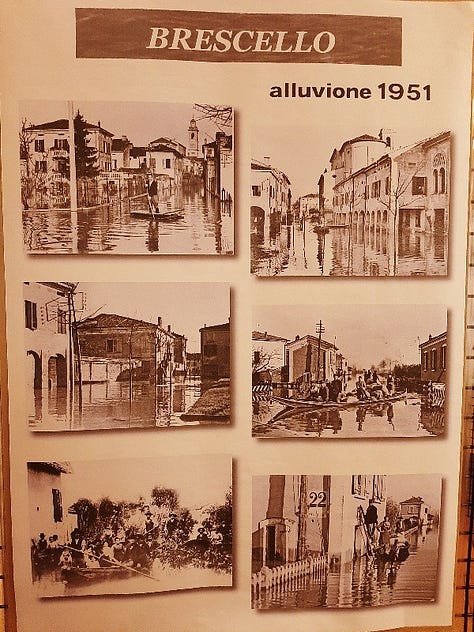
Fanno persino la lotteria di Natale con le bottiglie di Lambrusco in vendita con etichette personalizzate! Un paesello come tanti altri in Italia, ovunque giri lo sguardo, se ne vedono già i confini. E nel mezzo delle tracce del parroco reazionario che “è una parola farlo star zitto, bisognerebbe prendere il campanile a cannonate” e del sindaco comunista, lo stesso Guareschi compare su qualche poster, con uno sguardo che basta quello a rinvigorire la circolazione del mio 90% di sangue romagnolo in corpo.
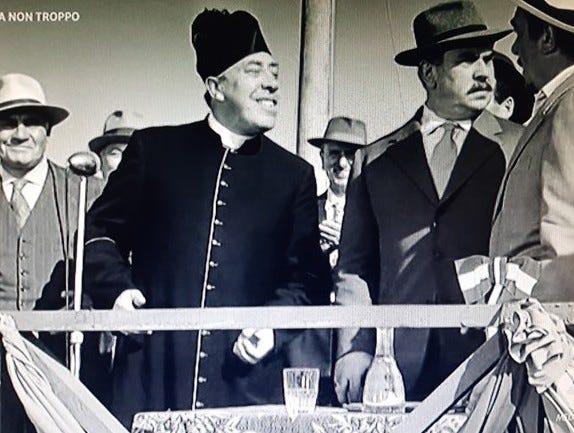
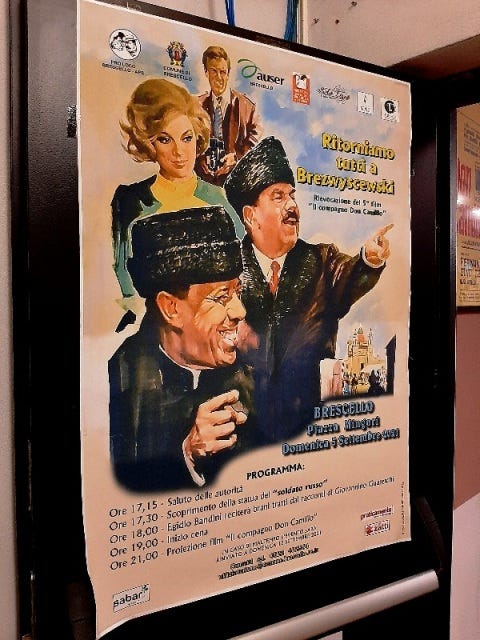
Anche Don C è uno che si è trovato a viaggiare. Alla fine del primo film viene allontanato dal vescovo per aver menato le mani e averne “messi fuori combattimento 12”... In un altro viene promosso monsignore e gli viene assegnato un ufficio in Vaticano, ed è ovvio che non ci rimarrà. Riesce infine a convincere Peppone (sempre e santamente a modo suo, beninteso) a portarlo coi suoi in Russia, e fa bene, perché anche lì trova una situazione parroco-sindaco da “gemellare”...
They even hold a Christmas lottery with bottles of Lambrusco wine for sale with personalised labels! A village like many others in Italy, wherever you look, you can already see its boundaries. And in the midst of the traces of the reactionary parish priest who “to shut him up, you’d have to bombard the bell tower” and the communist mayor, Guareschi himself appears on a few posters, with a look that is enough to reinvigorate the circulation of my 90% Romagna blood.
Don C is also a traveller. At the end of the first film, he is dismissed by the bishop for having used his fists and “knocked out 12”... In another film, he is promoted to monsignore and assigned an office in the Vatican, where (obviously) he will not remain. He finally manages to convince Peppone to take him with his people to Russia, and he does well, because there too he finds a parish priest-mayor situation to “twin”...
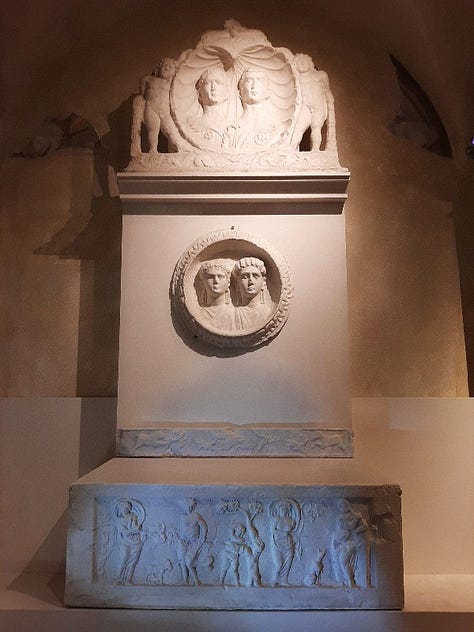
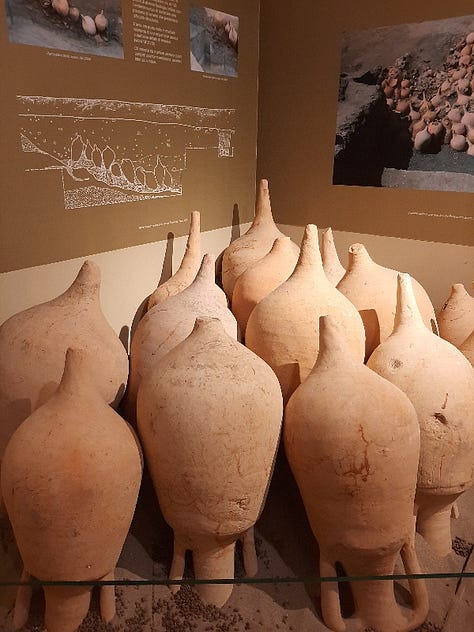
Alla biglietteria mi danno un biglietto cumulativo per tutti e 3 (tre!) i musei, quelli storico-cinematografici più quello archeologico, che si rivela una sorpresa. In tutta la zone sono infatti tornate alla luce un sacco di tracce romane + i resti di una domus, casa di nobili dei tempi antichi.
Brescello è riuscito a farsi conoscere ben oltre la fama cinematografica. Don Camillo non c’è più, e l’Italia è cambiata, ma il carattere di questa gente non sembra essersi tanto modificato. Tutto nasce in maniera diretta e spontanea. E’ una cosa che ai miei occhi torinesi ancora colpisce. Cosa facciamo oggi? Andiamo a pattinare. Ci scommetto che pattinare qua vuol dire che ci vanno tutti e non solo i giovanissimi. Festival del cinema? Scommetto che vuol dire che a Brescello oltre che del più e del meno si discute anche di quello che avviene nel resto del mondo.
Sarà così anche in altri puntini sulla mappa d’Italia? O è proprio l’Emilia che si conferma un punto della Terra così speciale?
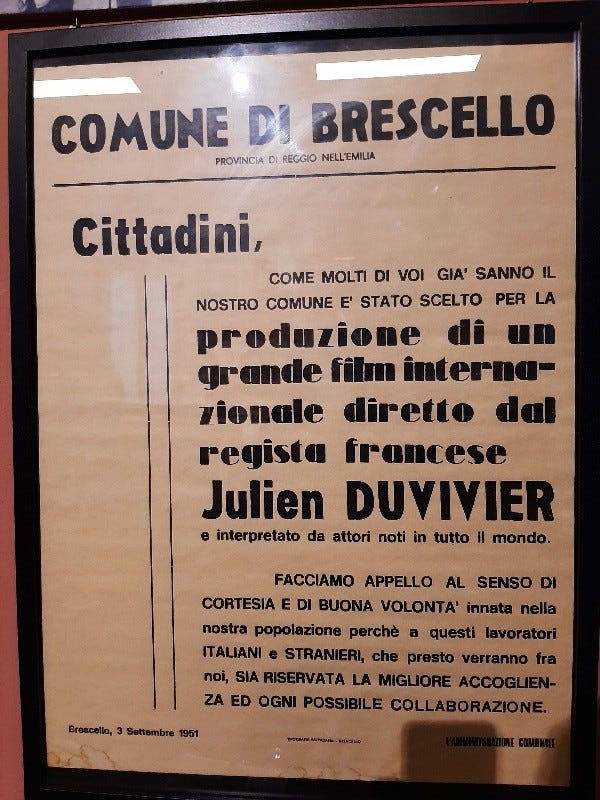
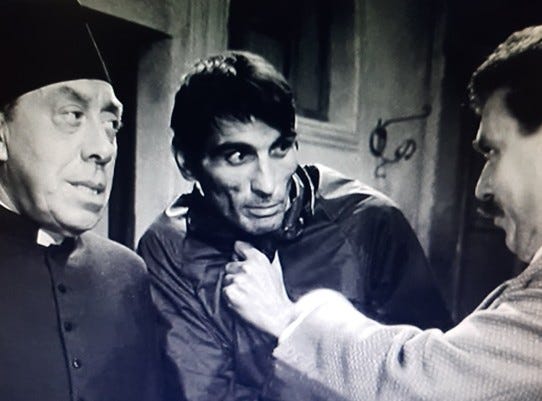
At the ticket office, I am given a combined ticket for all 3 (three!) museums: the historical-cinematographic ones and the archaeological one, which turns out to be a surprise. In fact, a lot of Roman traces have been discovered throughout the area, as well as the remains of a domus, the home of nobles in ancient times.
Brescello has made a name for itself far beyond its film fame. Don Camillo is no longer with us, and Italy has changed, yet the character of these people does not seem to have changed much. Everything happens in a direct and spontaneous way. It is something that still strikes me, coming from far more reserved Turin. They invite you to skate? I bet skating here means that everyone goes, not just the young. Film Festival? I bet that means that in tiny Brescello, as well as discussing local issues, they also talk about what is happening in the rest of the world.
I begin to wonder if is it the same in other places on the map of Italy… or is it Emilia-Romagna so special a place on Earth?
A question for you: how many other little stories like these are there all over the world that we can only find out by travelling? 🧐 Stories of explicit back-and-forth exchanges without any intention to cause harm.
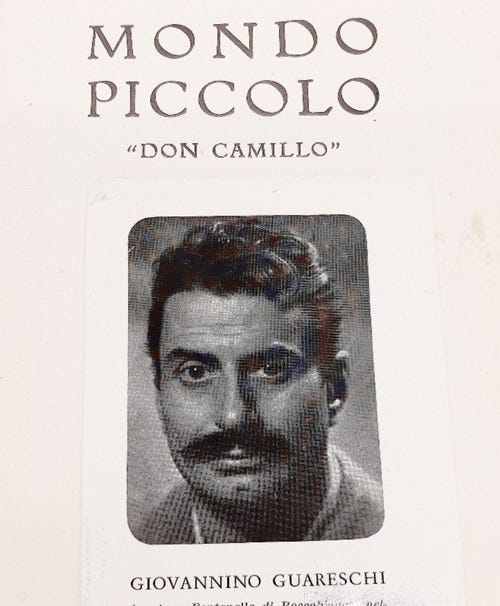
Quelle ospitate da Brescello hanno sapore di un botta & risposta esplicito senza però volontà di arrecare danno. Esiste secondo voi qualcosa di simile in altre terre?
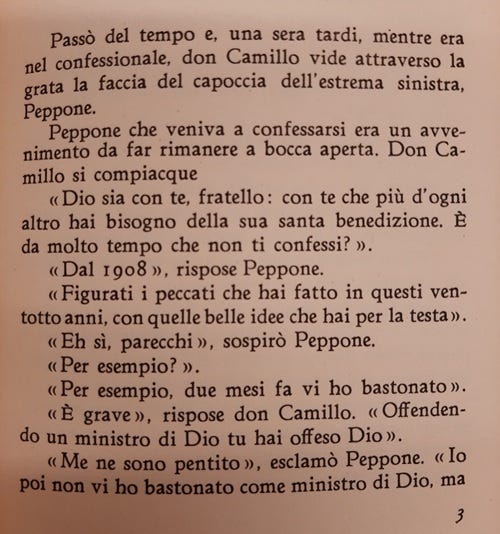
Intanto eccone un assaggio dal libro Mondo Piccolo “Don Camillo” che ho trovato in biblioteca. Protagoniste sono la maestra Cristina, che non ha paura dei rossi perché lei li conosce tutti e a tutti ha tirato le orecchie, e la compagna Gisella, a cui uno sconosciuto ha pitturato il posteriore 😂
0:00
-9:32
Fa un certo effetto tornare a vederli questi film col cannocchiale del 2026. Quella scena del bambino portato in chiesa per farlo battezzare... sarà stato proprio così, senza tante scartoffie? Certamente quello che emerge da classici come questi è una gran forza di volontà che oggi si è parecchio affievolita. Grazie al cinema però, quel linguaggio universale rivive in tutta la sua potenza. Ci fa piangere e ridere insieme. Ci fa bene.
Per questo sono voluta venire a Brescello. Per questo sul podcast Al di là di una trama parlerò un giorno anche del compagno sempre vivo Don Camillo.
🇬🇧 It’s truly touching to watch these films again through the lens of 2026. That scene where the child is taken to church to be baptised... was it really so simple, without any red tape in between? What tremendous willpower!
Thanks to cinema, however, that universal language lives on in all its power. It makes us cry and laugh together. It does us good.
That’s why I wanted to come to Brescello. So simple…
Comments
Nothing yet. Say the first thing.
Sign in to join the conversation.