
I realized last year that part of the reason I turn so often to tv and film is because people actually tell you what they’re thinking, unlike in real life. It unknowingly became a way for my neurodivergent brain to understand neurotypical behavior and social norms that my brain never could quite wrap its head around.
I figured this out when, after a series of perplexing dating situations, I started on a quest to watch as many classic old romantic comedies as I could think of. Partially to study them, partially to reflect on what they taught us about love — and how that might be impacting my own understanding of it in the present day.
There’s a note still on my phone titled “Classic Rom-Com Journey” with little check boxes next to each movie I’ve rewatched and categories that reflect how I felt about them this time around:
Holds up
Not terrible
Questionable/Borderline
Toxic
and a fun fifth category that I added specifically for Never Been Kissed.
Extremely problematic
Somewhere along the way, I learned a lot about what society pedestaled as the “ideal relationship” and what the media reflected back to us about what we should expect when dating and how men and women should and would show up in their respective love stories.
As we find ourselves halfway through another year, I thought I might start this journey again and bring you all along with me. I’m bound to learn more the second time around — and maybe you might just learn something about yourself too.
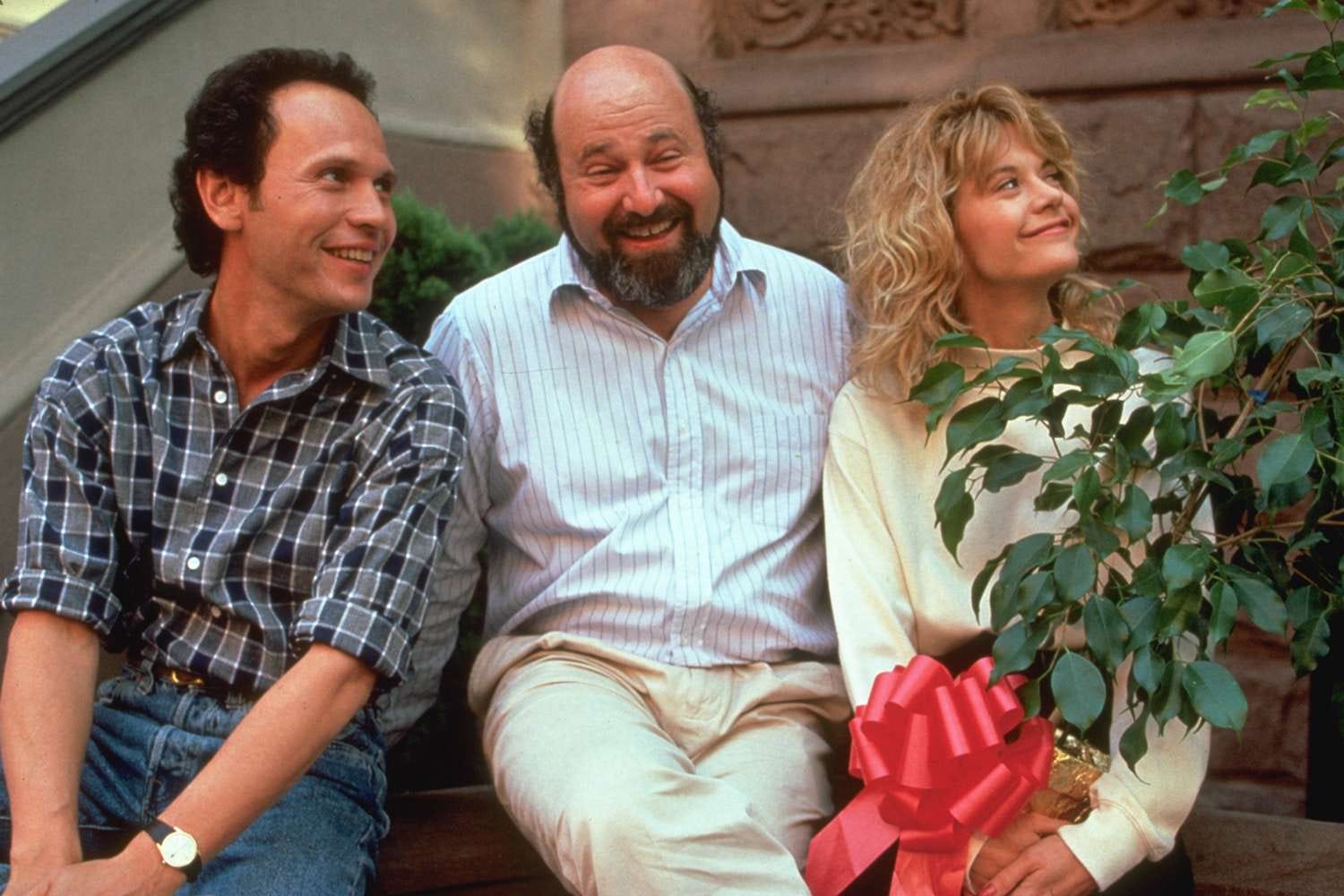
Naturally, we must start our Rom-Com Journey with the romantic comedy that everyone thinks of when you ask them about the classics: When Harry Met Sally.
I remember absolutely adoring this movie, so I was a little nervous to rewatch it. After all, a lot has happened since 1989.
But four pages of notes and countless moments of swooning later, I can happily report that this movie remains firmly in the “holds up” category. And honestly, there’s a lot more to talk about than I remembered after last year’s first rewatch.
What surprised me wasn’t just how much the movie challenges norms rather than reinforces them like many romantic comedies do, but also how it felt like Harry, Sally and their relationship drastically changed in a single instant — and how often we see the same thing happening in our own lives and can’t quite figure out why (it’s me).
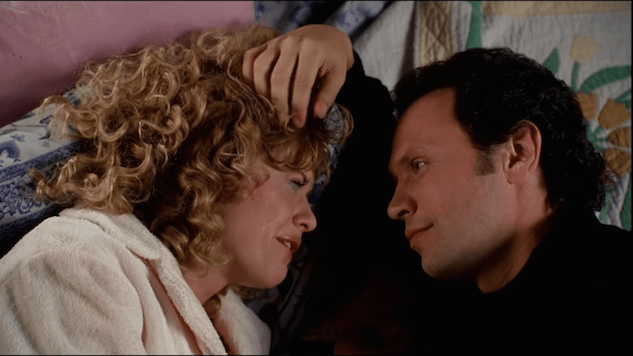
In case you also haven’t seen the movie in a decade, a few quick things to refresh your memory:
Quick Summary
Harry (Billy Crystal) and Sally (Meg Ryan) met while graduating college but disagree that men and women can’t be friends and part ways, only to run into each other again and again throughout the years.
During a post-breakup run-in, they finally give in and decide to try their hand at being friends. The movie follows their friendship as it develops and turns into more.
Memorable moments
The infamous diner scene where Sally demonstrates for Harry how good women are at faking orgasms and a woman sitting nearby says “I’ll have what she’s having.”
"I came here tonight because when you realize you want to spend the rest of your life with somebody, you want the rest of your life to start as soon as possible."
Cultural impact
The movie is considered to have popularized the will-they-won’t-they romance trope, the Katz’s Deli scene started conversations around female pleasure and redefined the genre and female leads as a whole.
Rob Reiner (rest in peace) said: "The whole idea behind this film was to really examine how men and women bump up against each other during the dating dance that they do,"
One thing I really appreciate about When Harry Met Sally is that the majority of the movie is set while both of them are in their 30s, so we see them navigating societal and internalized expectations of what it means to be single at this point in our lives.
There’s a scene in the movie where Sally has just turned 31 and is going through a break-up with her long-term boyfriend. The second she tells her friends that she’s over him, they immediately pull out a rolodex of eligible men.
Because how could she possibly survive in society without a man?
When she tells them that she’s not ready and no one she dates now would be anything more than a “transitional man” — an arguably self-aware and healthy take — her friends warn her to “not take too long.”
They are so convinced that this is the most important thing that Sally questions the “scary stories” they’re telling by asking if they are telling her to marry someone ASAP in case they might die, one of her friends longingly responds:
“At least you could say you were married.”
Because simply being married is more important than marrying the right person.
There’s actually a name for this in psychology: Social Clock Theory:
the idea that there are unspoken, culturally acceptable timelines for when major life events should occur and our lives are judged against these expectations. When we should graduate school, start a career, get married, have kids.
What this looks like and how we are assessed is also highly gendered. For women, the clock emphasizes family-based milestones while for men, it focuses on career advancement.
Deviating from these norms can cause us all significant psychological distress and isolation, with pressure coming from within ourselves and from the people around us.
So many of us find ourselves — consciously or not — buckling under the weight and rushing to meet these timelines, even if it’s not the right time for us.
There’s an incredible demonstration of this in the movie when Harry runs into Sally at an airport and tells her on the plane that he actually is getting married, despite all of his cynical takes on relationships. The explanation he gives is not one of love for his future wife or finding the right partner, but instead of timing.
“You know you just get to a certain point where you get tired of the whole thing…the whole life of the single guy.”
It reminds me of the “Taxi Cab Theory” from Sex and the City where Miranda says men are like cabs, they wake up one day and decide they’re ready to settle down and so they turn their light on and end up marrying the next woman they date.
And here’s the thing: healthy relationships are about timing — but our timing, not the timing society has decided for us. Emotional availability. Capacity. Relationship readiness. Conflict management skills. Time. Stress. Life stage.
When Harry Met Sally does a great job of showing that. It takes 12 years for them to finally be in a place where they can even consider the idea that their relationship might work as more than friends.
When they first meet, they are both in such different stages of their lives and understandings of relationships that they can’t stand to be around each other. They’re so rigid in their ideas that there’s no way they can be friends let alone date.
And Harry very explicitly does not believe that men and women even can be friends.
But as they run into each other over the years, we see them become more and more open to the idea. As they grow in their own lives, their capacity to connect with each other grows along with it.
Harry even apologizes to Sally for his behavior when they first met.
Naturally, psychology has a concept for this, Relationship Receptivity Theory:
the idea that how receptive we actually are to relationships is heavily dependent on our own personal timing and perception: relationship desirability and readiness. The reality of these factors influences how we date and behave in relationships.
Actually being “ready” leads to more willingness to make the investments and sacrifices required to maintain a healthy, long-term relationship.
The researchers that developed this study say that people feel ready “while being perfectly at peace with remaining single” until they find the right person.
I appreciate that the movie shows our leads not only growing over time, but expressing in different moments that they’re not yet ready to date again, not just because of their own capacities, but also because they won’t be a good partner to anyone else. When Sally encourages Harry to put himself out there again, he says that he “won’t be good for anyone” at this moment in his life.
When we’re caught up in the moment, it’s so easy to forget that our own capacity and readiness isn’t just altering our ability to show up, but also directly impacts the people we date.
I’ve definitely made that mistake myself.
Right before my dad got sick, I had a moment of finally being ready to shift my focus to the relationships in my life rather than my work. So when my life turned upside down, I was aware that I shouldn’t be in a serious relationship and expressed that, but I didn’t want to accept that nothing could be the same, so I still did date. I was completely honest and upfront with the people I dated, but I didn’t consider enough that, despite the directness and self-awareness in that way, even casual dating can have a negative impact on the other people.
I thought I had the desirability and readiness that I so desperately wanted, but the truth is that I wasn’t at all.
Maybe that’s one of the reasons this movie is one of my favorite studies.
It took me a long time after my ADHD diagnosis to understand that most people say they want directness and honesty, but more often than not people prioritize comfort.
The way my brain works is very literal, so I mean what I say and say what I mean and at some point I realized that wasn’t the case for most neurotypical people, not just because of the differences in how our brains work, but also the lack of neurodivergent capacity to fully internalize and integrate social norms.
Watching When Harry Met Sally both showed me a relationship where that can be true and taught me why that might change for other people when the context changes.

Something I really love about When Harry Met Sally is the sheer openness of their friendship.
Over the course of their friendship, Harry and Sally aren’t performing the way that we so often feel we must with other people. They don’t feel pressured to fall into the traditional masculine and feminine roles just because they’re friends with someone of the opposite sex — they’re simply themselves in all their messiness.
Not male friend and female friend. Just Harry and Sally. Nothing more. Nothing less.
They share their hottest takes, even if they know the other will disagree. They embrace their whimsy and silliness without being self-conscious about the ridiculousness of it all. They constantly share and debate about relationships, rules and how men and women show up differently.
And along the way, they learn so much from each other and grow into better versions of themselves, together.
I loved watching them do silly voices as they walked around The Met and singing together in a crowded store as they shopped for their friends’ wedding present. And the way they were able to ebb and flow with each other easily and without judgement as this moment of light-hearted whimsy quickly turned into a traumatic experience when Harry saw his ex-wife and her new partner for the first time.
When Harry’s friend questions that this is a true friendship, he shares that, with Sally, “I can just be myself.”
The ability to unmask and embrace all of ourselves with someone else is such a gift.
Self-Expansion Theory talks about how we all have a core desire and need to grow and expand our senses of self and how relationships play a critical role in making it happen. When we self-expand, we broaden our understanding of ourselves, our capacity and our view of life as a whole.
Friendships and romantic relationships can serve as a guide to uncover new insights about ourselves and the way we want to approach our lives.
Over the course of 12 years, we see Harry and Sally share the different ways that men and women perceive dating, sex and relationships — and ultimately gain deeper insight into the experiences of the people they are trying to date.
Sally learns how sex and physical intimacy carry less weight to Harry when they exchange stories of bad first dates and she finds out he slept with the woman despite not liking her at all. Harry begins to see how meaningful it is to her when he tells her she hasn’t moved on from her ex because she hasn’t slept with anyone and she tells him that she will “make love” whenever she finds the right person. All of which serves them well when they do eventually end up having feelings for each other.
Not only do all of our brains work differently, but the way we are socialized — by gender, race, socioeconomic status and more — significantly influences the way we see the world, understand different situations and show up in our relationships.
The iconic scene in the diner sparks an important conversation around the pleasure gap, the significant disparity in sexual satisfaction between men and women. Sally educates Harry on just how many women actually fake orgasms (and how he won’t be able to tell) because they feel the need to perform in the prescribed sexual script that we’ve been given.
He begins to understand something that he may not have ever seen if he didn’t have the female perspective to open his eyes.
By being completely honest and sharing even the most problematic parts of themselves and their perceptions, Harry and Sally were able to show us what it looked like to connect across difference by actually taking the time to explain and understand someone else.
And then suddenly after many years of this beautiful, expansive, seemingly-effortless friendship — it’s as if everything changes in an instant.
Before sleeping together, the label of friendship made them feel safe enough to show up in secure, vulnerable and authentic ways with each other. But immediately after, it’s like they’re both completely different people.
They were still Harry and Sally.
They still knew everything about each other.
They still cared about each other.
They still wanted the same things.
And yet all of a sudden everything was different.
It felt like they didn’t even know how to be around each other anymore, forget about actually talking to each other honestly. The dynamic that brought so much ease in their lives was suddenly the cause of so much stress — and it now felt impossible to navigate.
So what changed?
The context.
And that was enough to cause a complete overhaul.
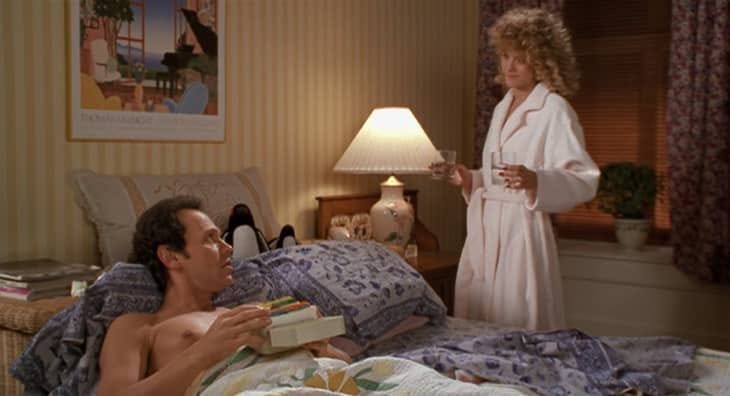
Naturally, I had to find an answer in psychology as to why this might have happened. Why they became completely different people — and why I saw this happen in my own life too.
Relational Frame Theory suggests that our brains create complex connections between things based on what we’ve learned and internalized and how that process can completely change how we interpret and understand something.
We aren’t just responding to the situation in front of us anymore. We are reacting to everything we’ve learned and internalized over the course of our lives.
And as a result, a seemingly small shift can have a monumental impact.
The second that their dynamic changed from purely platonic to something more, everything they said and did all of a sudden felt like it carried more weight.
Their late-night phone calls were no longer just about companionship in their loneliness moments, but were now indicators of how they felt about each other and what they wanted to do next. The same exact experience suddenly had more meaning.
Early on in the movie, Harry talks about how he never takes anyone he’s seeing to the airport. Why?
“Because eventually things move on and you don’t take someone to the airport and I never wanted anyone to say to me ‘How come you never take me to the airport anymore?’”
In general, taking someone to the airport might not have been a big deal to him. But in the context of dating, he saw it as a signal for something greater that he wanted to prevent.
It wasn’t about taking someone to the airport at all. It was about the meaning he attached to it in a different context. Something that explains a lot about what eventually happened to their friendship.

The new framework they find themselves in activates the worst of their attachment styles and we see this from the moment they wake up after sleeping together.
Harry is suddenly extremely distant and detached. The look on his face is one of panic and he rushes out of her apartment, avoiding what just happened. Sally becomes increasingly anxious about every little interaction, knowing that Harry leaves right after sex because he doesn’t feel attached to the women he sleeps with.
They read into every little thing the other person does and says, assigning meaning to each other’s words and actions without actually knowing what they’re thinking.
Whereas before they could talk freely, suddenly every word feels loaded. Any amount of silence or distance is rejection. The lack of comfort means that they don’t actually care about each other anymore.
They are no longer reacting to the person in front of them, but instead responding to their own fears and insecurities around what each interaction means.
Now every moment together and apart feels like it has higher stakes and more consequences. It isn’t just about the two of them anymore — it’s about what it might mean to accept the uncomfortable emotions and change their relationship.
Once romance enters the picture, they perceive the emotional stakes to be higher. Every little interaction feels like it could have dire consequences. And when we’re overwhelmed and responding from a place of hurt, we often reach for what’s familiar. The stories we’ve been told. The roles we’ve learned to play. The old beliefs before we knew any better. The versions of ourselves that we think we’re supposed to be in this context.
"Men and women can’t be friends because the sex part always gets in the way.”
They lose the foundation they’ve built as friends and fall into all-or-nothing, black-and-white thinking. The sex got in the way. They can’t be friends anymore. But they also can’t be more because that’s not how you meet the love of your life.
Sally sees Harry’s reaction to them sleeping together — and their both saying that it was a “mistake” — as meaning nothing to him and therefore she means nothing to him. Harry sees it as meaning everything to her, which was too much pressure for him to bear.
The irony of this is heart-breaking. Harry and Sally are so afraid that sleeping together will ruin their relationship that they end up doing the very thing that ends up destroying it. Not because they don’t know how to talk about it, but because they’re afraid of what might happen next.
All because of a single moment.
After spending so much of the movie defying the rules they have been taught about how men and women should show up, we see Harry and Sally quickly fall back into them.
At the beginning of the movie, Sally calls Harry out for negging, the way many people — especially men in dating contexts — use backhanded compliments to diminish someone’s self-esteem to then build them up and make them more vulnerable to their advances.
“You know, I hate that kind of remark. It sounds like a compliment, but really it’s an insult.”
Negging is something that has unfortunately become widely accepted as “part of the process” or a norm in dating and it was refreshing to see Sally fight back against it and refuse to play along so many decades earlier.
She refuses to play along and let it get to her. Instead she challenges the very idea that someone can talk to her like this. And Harry takes that comment to heart.
But all of a sudden they take everything extremely personally. Instead of being able to debate and grow with each other, they get defensive and shut down — and eventually stop talking altogether.
What was once the most meaningful relationship in their lives was now hanging on by a thread.
Insecurity replaced safety.
Fear replaced comfort.
Social norms replaced honesty.
Overthinking replaced accepting each other.
Performance replaced authenticity.
There’s an idea in sociology called “Doing Gender,” the concept that gender isn’t something we are, but it’s something we learn and perform.
This script is even more pronounced in heterosexual dating because that is a context that has even stronger, more rigid expectations for how men and women are “supposed” to be.
They’re both hurt and that pain manifests in socially-acceptable, gendered ways.
Harry stops saying what he actually feels and shuts down and leaves instead. What was once quippy, fun banter becomes him responding with “okay.” Instead of being vulnerable and expressing his fear, he turns to the socially-acceptable masculine response of withdrawal and avoidance. Discomfort means he must distance himself.
Sally spirals and reads into every little thing he does and says. She searches for certainty that she does actually mean something to him, even after they slept together. Every little thing he does or says becomes evidence for how he really feels. She stops responding to the man that was her friend and starts reacting to what she’s decided he means.
And yet she also must bear the burden of confronting the truth and saying out loud what both of them are afraid of: what does this mean?
But when it finally came down to the moment we always wait for in rom-coms, Harry was the one that had to continue to pursue her until she would talk to him.
During their friendship, it felt like they were both ebbing and flowing, initiating and participating in the entirety of their dynamic.
But when the context changed, they found their way back to the script. Harry is expected to initiate and pursue. Sally is expected to carry the emotional labor of putting it all out there so they start this romantic relationship in a way that actually sets them up for success in the long-term.
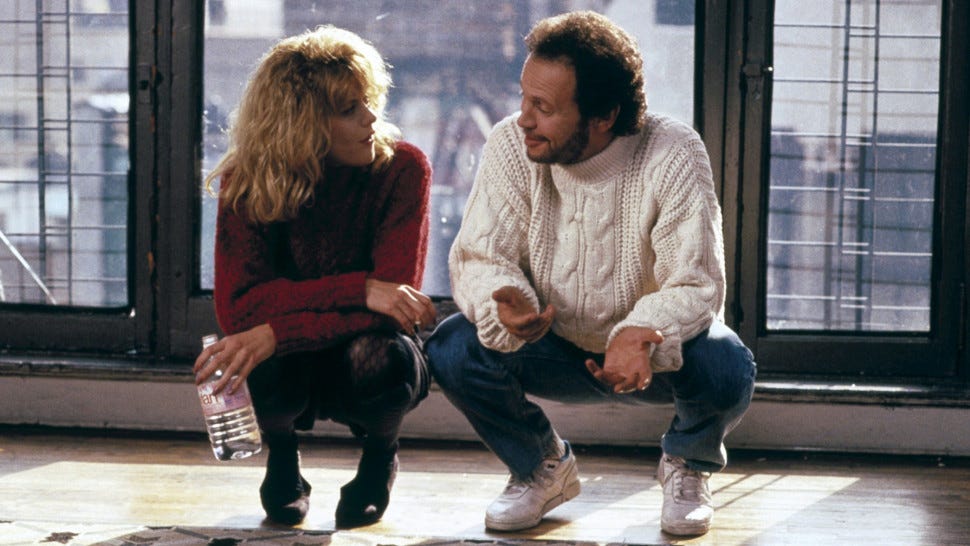
It makes me wonder: how many important relationships have we lost because the moment something changed, we reacted to the new context instead of being open to changing with it?
How many times did we walk away because it was too uncomfortable? Did we choose the wrong people because society told us they were right? Did we miss out on the good because someone else told us it was wrong?
Did we stop being ourselves and trying to connect with each other and started playing a part instead? Man. Woman. Girlfriend. Boyfriend. The single friend in their 30s.
How many decisions did we make in our lives for other people instead of ourselves — and what could happen if we charted our own paths just like Harry and Sally?
And then finally, finally the dam breaks, they stop performing and find their way back to themselves — and to each other.
They stop playing the role of male-friend and female-friend and go back to just being Harry and Sally again.
Harry tells Sally all the reasons he loves her, the very things that her past partners didn’t like about her and she often doesn’t like about herself. The anger, judgment, defensiveness, ego, avoidance, hurt all don’t matter anymore. All that matters is him. Her. Them.
And we get the scene that makes me believe in love again and reminds me that it’s worth it to wait for the right person that sees and embraces all of us.
"I love that you get cold when it's 71 degrees out. I love that it takes you an hour and a half to order a sandwich... And I love that you are the last person I want to talk to before I go to sleep at night. And it's not because I'm lonely, and it's not because it's New Year's Eve.
I came here tonight because when you realize you want to spend the rest of your life with somebody, you want the rest of your life to start as soon as possible."
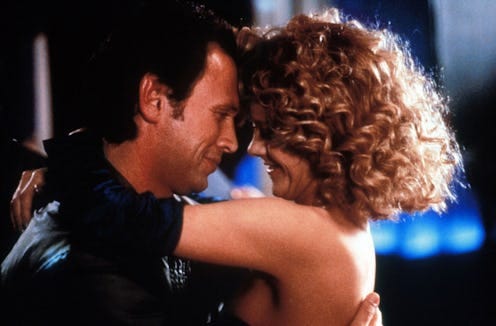
And thus concludes the first rewatch on this “Classic Rom-Com Journey” of the romantic comedy that started an entire generation of romantic comedies.
It feels so important that this culture-defining movie was one that actively challenged society’s prescribed scripts for romantic relationships and for what men and women should be.
When Harry Met Sally holds up for me not just because it’s a good movie that warms my hopeless romantic heart, but because it reminds us that it is worth it to wait for the right person. That our lives and our relationships don’t have to look like anyone else’s — they just need to be right for us.
That women’s pleasure is just as important as men’s and men’s emotional safety is just as important as women’s. That the goal shouldn’t just be to be chosen, but instead to find someone worth choosing and that finds it worth it to always choose you.
That everyone’s timelines and clocks are different and true happiness and partnership are about embracing the context of our own lives and the two individuals in the relationship rather than what everyone around us is telling us must happen.
That true love is actually being able to show up truly and wholly as yourself — with your most problematic opinions, most unhinged singing voicemails and cheesiest declarations of love — and choosing each other and growing with each other every step of the way.
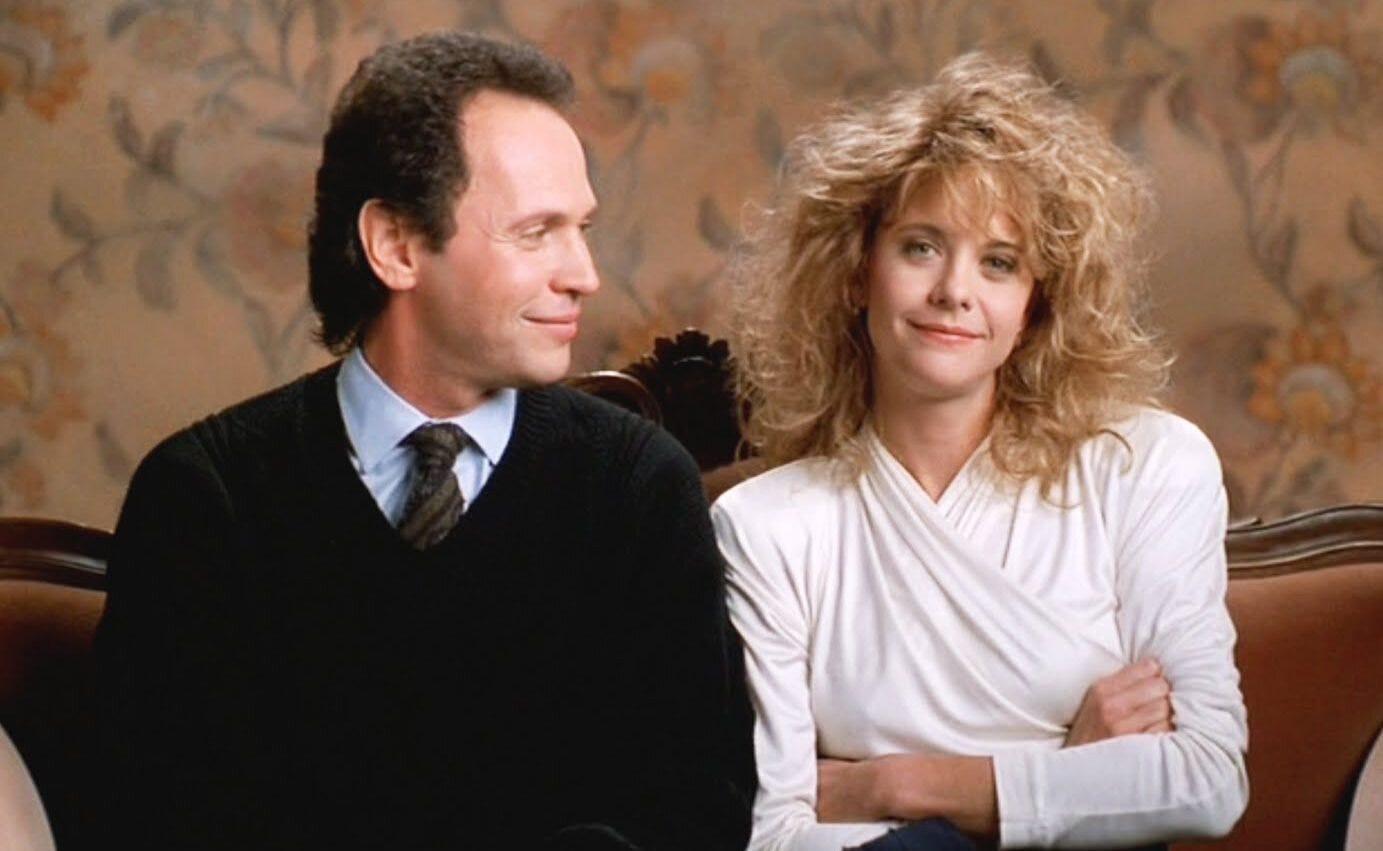
Maybe that’s why When Harry Met Sally remains firmly in the “holds up” column almost 40 years later. Not because their love is perfect or the ideal, but because it’s real and true to them.
I find myself turning to movies and tv over and over again because every time I watch something, I learn more about the world, other people — and about myself.
And each time I watch it, I have an entirely different experience. It’s as though I’m watching it through fresh eyes.
When I first watched When Harry Met Sally decades ago, I hadn’t dated anyone or ever been in love, so I fell in love with the idea of what romance could be.
But watching it at 33, having lived so much more life, I love what it says about partnership and love that embraces all of ourselves — together and apart — and chooses to figure life out together, no matter what happens.
It isn’t easy.
But there is ease.
So I’m still a hopeless romantic that is searching for the love of her life, but one that takes the lessons from this iconic movie in a way that works for me.
No posts
Comments
Nothing yet. Say the first thing.
Sign in to join the conversation.