
Welcome to the 108th edition of Small Talks. Every Friday, I highlight 6 areas of weekly joys and reflections in early childhood and the whole family. Small Talks leverages my experience at the intersection of education, philanthropy, and impact investing. Enjoy!
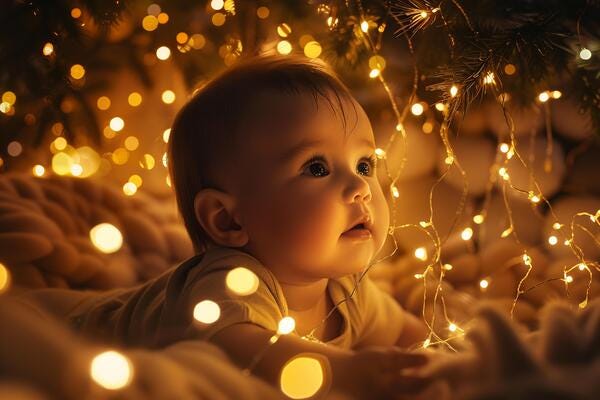
In my professional life, I mostly focus on innovation in education, but I wanted to take a moment to pause and reflect on the richness of traditions.
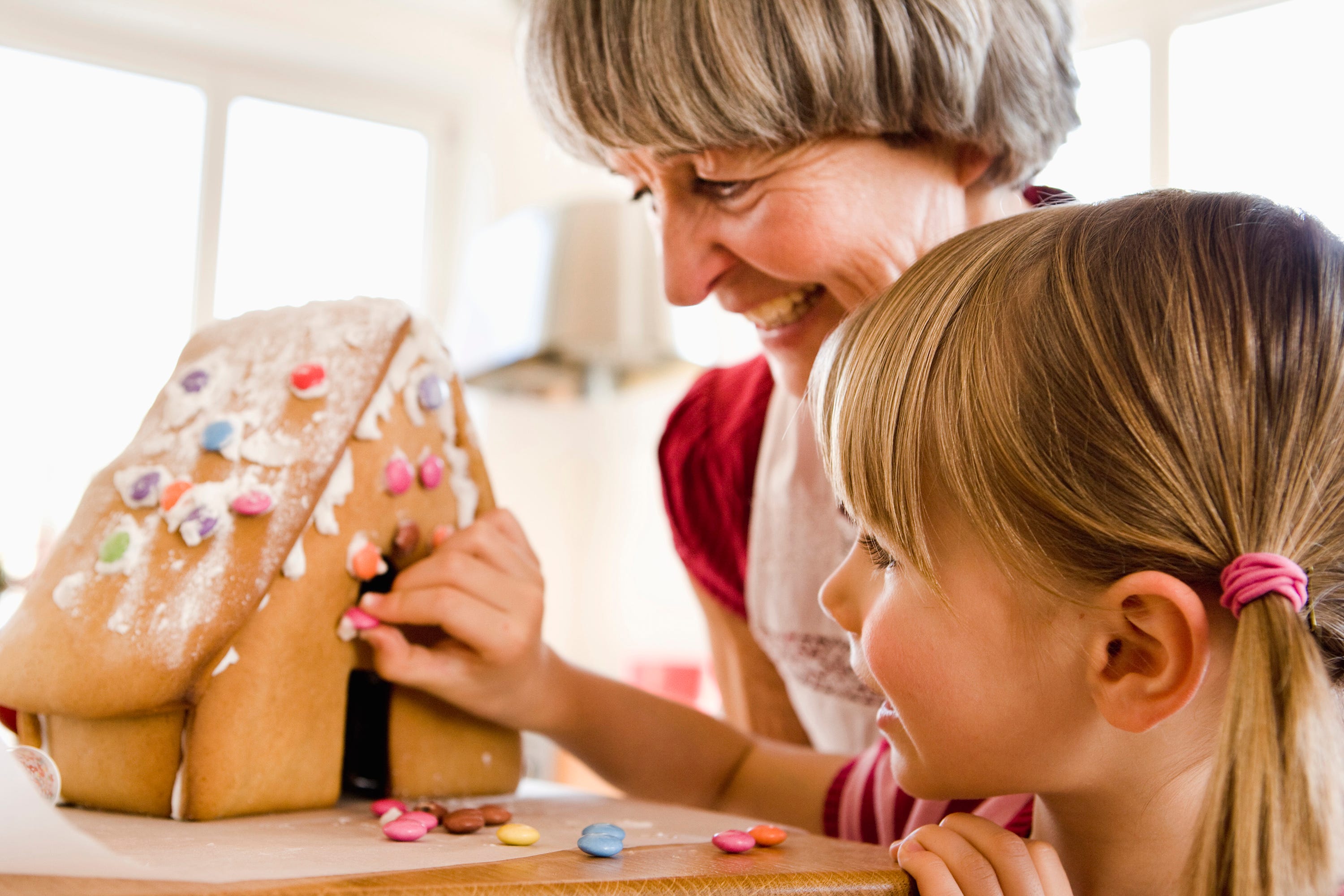
What are your favorite family holiday traditions? For my family, it’s the children’s eager anticipation (or perhaps trepidation?) before opening presents on December 25, savoring a multi-course meal featuring chestnuts, foie gras and bûche de Noël (picture a log-shaped cake), and delighting in the melodies of the local choir featuring my very own mom. In yours it may be a pajama holiday party, an annual time capsule, a gratitude jar, or a movie night extravaganza…Whatever they are, family traditions delight us all, and as it turns, they matter a lot for child development.
Family Traditions Strengthen Emotional Security. Children in families with strong traditions report higher levels of emotional security. Children who regularly participate in family rituals, like holiday celebrations or weekly meals, experience a greater sense of stability and emotional well-being. This consistency is particularly important for children during times of stress or change.
Regular Family Meals Improve Academic Performance. Family traditions, such as shared meals, are linked to better academic outcomes. Teens who have frequent family dinners are 40% more likely to earn higher grades in school compared to peers who rarely eat with their families.
Family Rituals Enhance Social Development. Participation in family traditions teaches children essential social skills. A survey of 500 families found that traditions like playing games, storytelling, and celebrating milestones foster cooperation, patience, and empathy in children. These activities promote bonding and help children learn how to interact positively with others.
Cultural Family Traditions Foster Identity Formation. Celebrating cultural family traditions helps children develop a strong sense of identity. A longitudinal study of 200 multicultural families revealed that children exposed to cultural rituals (e.g., religious ceremonies, heritage festivals) have higher self-esteem and are better equipped to navigate societal challenges.
Family Traditions Reduce Risky Behaviors in Teens. Teens involved in family traditions are less likely to engage in risky behaviors. Adolescents who participate in weekly family rituals, such as game nights or Sunday dinners, report a 30% lower likelihood of engaging in substance use or delinquent behaviors.
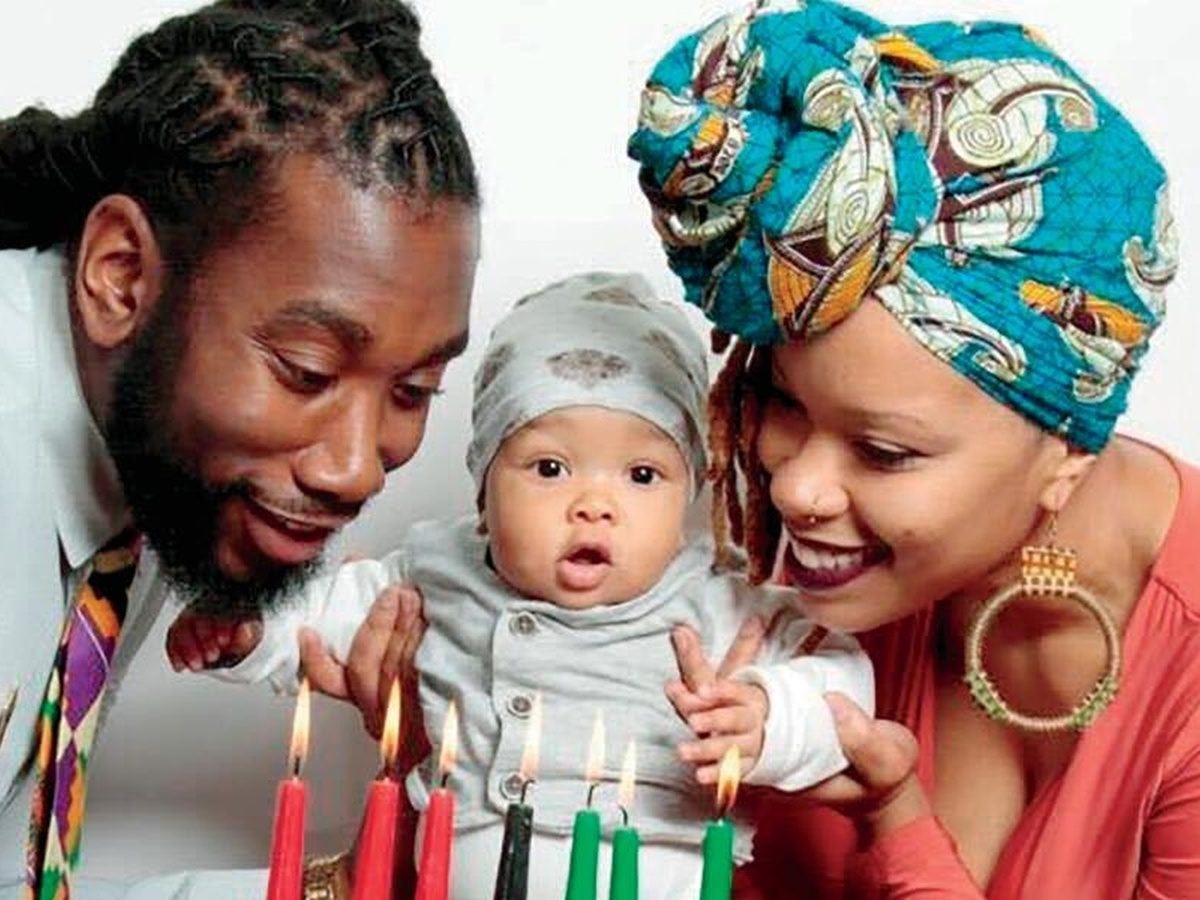
Some hope:
I am inspired by two start-ups spreading the wonders of traditions:
Amoofy is building a platform to capture family traditions.
Eldera.ai connects generations to build a better future together.
In this talk “Family Traditions”, this young lady Himakshi Shastri wisely emphasizes the importance of real-life communication and the benefits of following family traditions, sharing her personal experiences in fostering family connections.
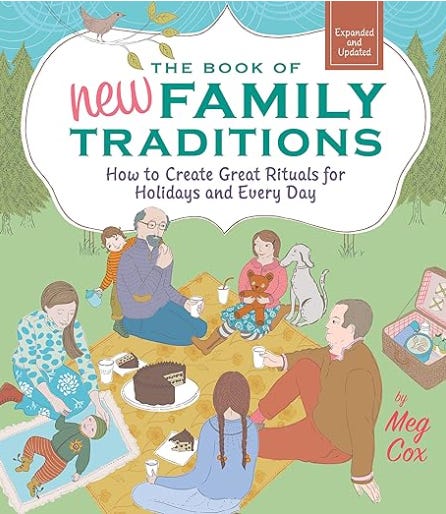
Quality family time is more essential—and elusive—than ever in our tech-driven world. Family expert Meg Cox offers a solution in The Book of New Family Traditions that features hundreds of ideas for creating meaningful rituals, from holidays and birthdays to mealtimes and chores, fostering connection and a sense of home for kids and parents alike.
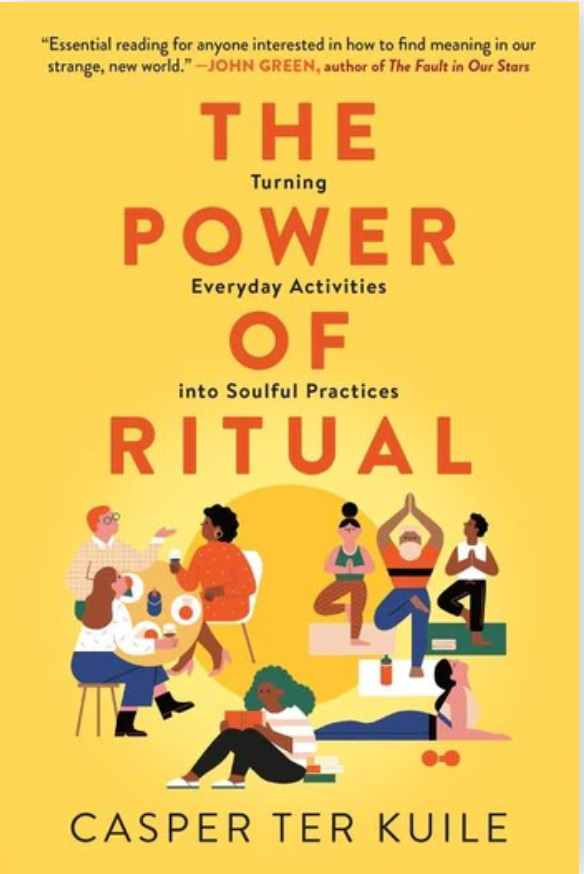
The Power of Ritual by Casper ter Kuile highlights how adopting rituals, even modernized ones, can bring meaning and connection to family life.

This piece “Why We Love the Holidays, According to Science” published in Inverse examines the psychological and social significance of holiday rituals, explaining how they strengthen family bonds and provide a sense of continuity and identity.
Similarly, I enjoyed this article “Why We Love Holiday Rituals and Traditions: An Anthropologist Explains” that explores how structured and repetitive actions involved in holiday rituals can act as a buffer against anxiety, making our world more predictable and providing psychological benefits.
Last, a list of ideas for (new?) family traditions.
"When we talk about our family traditions, we’re not just sharing stories—we’re passing on the heartbeat of our ancestors to the next generation."
– Chief Wilma Mankiller, Cherokee Nation
“Tradition is not the worship of ashes, but the preservation of fire."
– Gustav Mahler
Feedback is a gift. Which part above is your favorite? What did I miss? What do you want more or less of? Other recommendations? Please kindly let me know. Thank to all of you who are sending me amazing suggestions.
If you enjoy this newsletter, please help spread the word by sharing with your friends, colleagues, and networks.
✨ Unlock the power of relationships in learning. Thanks for your help in spreading the word about my upcoming book "Love to Learn: The Transformative Power of Care and Connection in Early Education" with your community and spark conversations about how care, connection, and relational intelligence can transform education and unlock human potential. The book is available for pre-order and will be published on February 11, 2025. 📚❤️
Happy holidays. Please stay safe and care for each other.
Isabelle
No posts
Comments
Nothing yet. Say the first thing.
Sign in to join the conversation.