
Welcome to the one hundredth edition of Small Talks. Every week, I highlight 6 areas of weekly joys and reflections in early childhood and the whole family. Small Talks leverages my experience at the intersection of education, philanthropy, and impact investing. Enjoy!
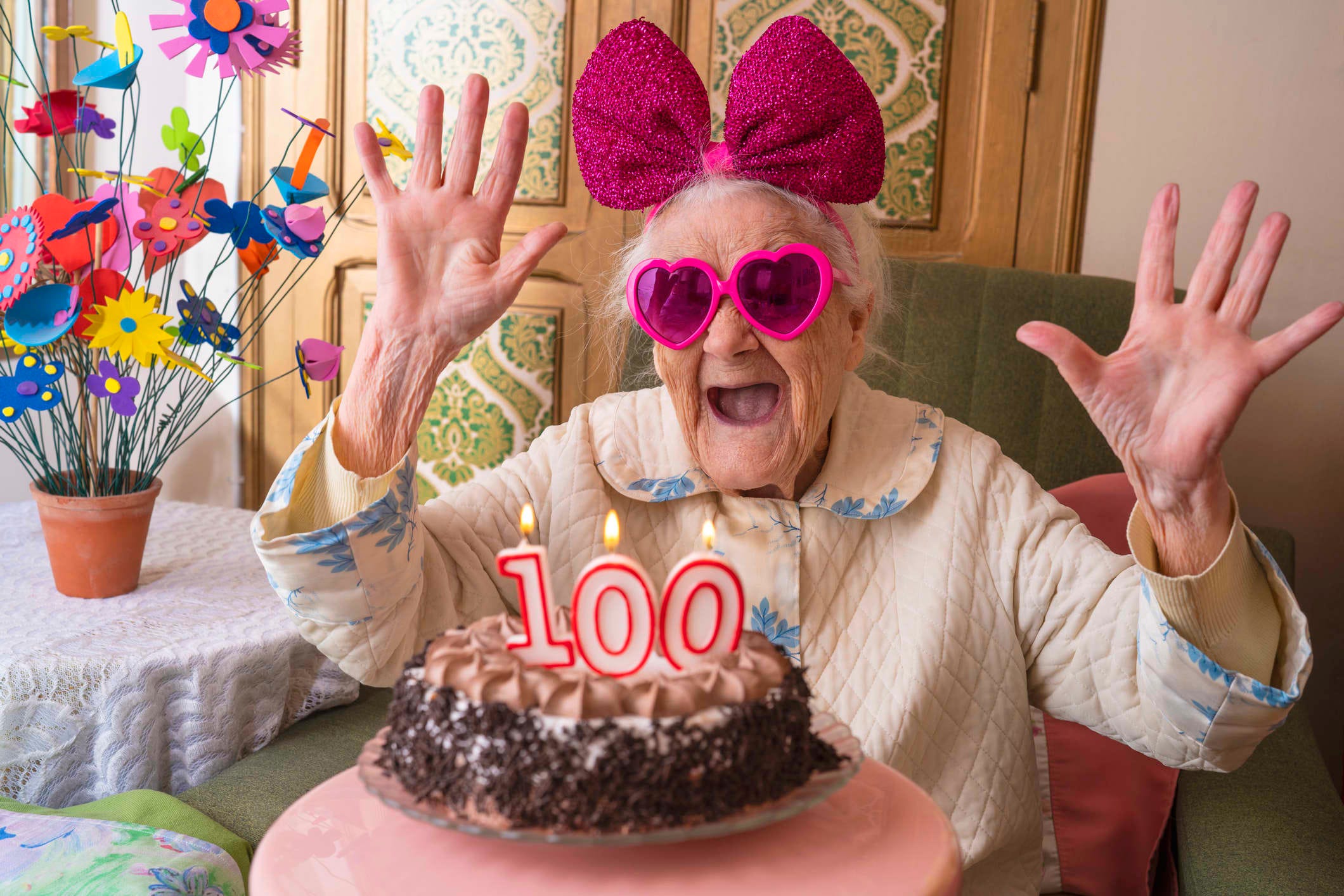
Small Talks #100 is a special edition. It starts with a big thank you to each one of you in our Small Talks community for your unwavering support to children, educators and families, and for reading, commenting, sharing this newsletter with passion and dedication. Also, words of gratitude to my high schooler daughter who designed the Small Talks logo and has acted as chief editor with dedication and love nearly every week, as well as my middle school daughter who is a source of inspiration as chief creative.
Humbled by the hundreds and hundreds of messages you have sent me, each fueling my inspiration and energy in writing this newsletter. I thought I would highlight a few:
“Thanks for starting my week off with JOY! Doesn’t get better than that!”
“Recommend! Wonderful weekly newsletter — about early childhood, and much, much more. Always find something thought provoking.”
“Small Talks is something all childhood advocates should subscribe to.”
“Isabelle Hau’s weekly Substack is a national treasure!”
“I LOVE it! It lands in my inbox every Friday at 9am, and 9-9:30 is reserved to enjoying reading it. 0-7 are critical years, and it is great to see the research and the work focusing on these early years taking center-stage.”
“I ❤️❤️ Small Talks- direct, beautiful and so well curated.”
“I absolutely enjoy reading Isabelle Hau’s Small Talks every Friday. It’s super resourceful and provides great insights about early childhood education. It has been my Friday delight and look for froward to more. Thank you.”
“I highly recommend Isabelle’s newsletter- it is a short yet dense take on the early education space, and usually includes at least one thing that will make you smile on a Friday morning.”
“I always enjoy the weekly infusion of knowledge, reflection, and resource-sifting your newsletter provides though some weeks I tuck it away until I have time to absorb and savor it.”
“Thank you sincerely for taking the time to do these newsletters. For me, it’s the sweetest blend of content that covers both my professional and personal interests. There are so many great articles and insights from your newsletters that share with my team. Grateful for people like you.”
Because it is a special edition coinciding with Earth Day, I would like dedicate it to this simple message caring for our planet is caring for our youngest.
The understanding that climate change and air pollution affect the developing brain of our little ones has grown exponentially in the last 20 years.
Research by Frederica Perera, Director of the Columbia Center for Children's Environmental Health, and Kari Nadeau, Director of the Allergy and Asthma Research at Stanford University has linked prenatal as well as postnatal air pollution exposure to reduced IQ and other cognitive problems, developmental disorders such as ADHD and autism, depression and anxiety, and even structural changes in the brains of children.
Research by the Department of Neurosciences, Institute of Psychiatry, Catholic University in Rome, has also shown how climate-related displacement results in disruption of education and mental health problems such as post-traumatic stress disorder, anxiety, and depression in children. These conditions often persist, affecting health and brain function in adulthood.
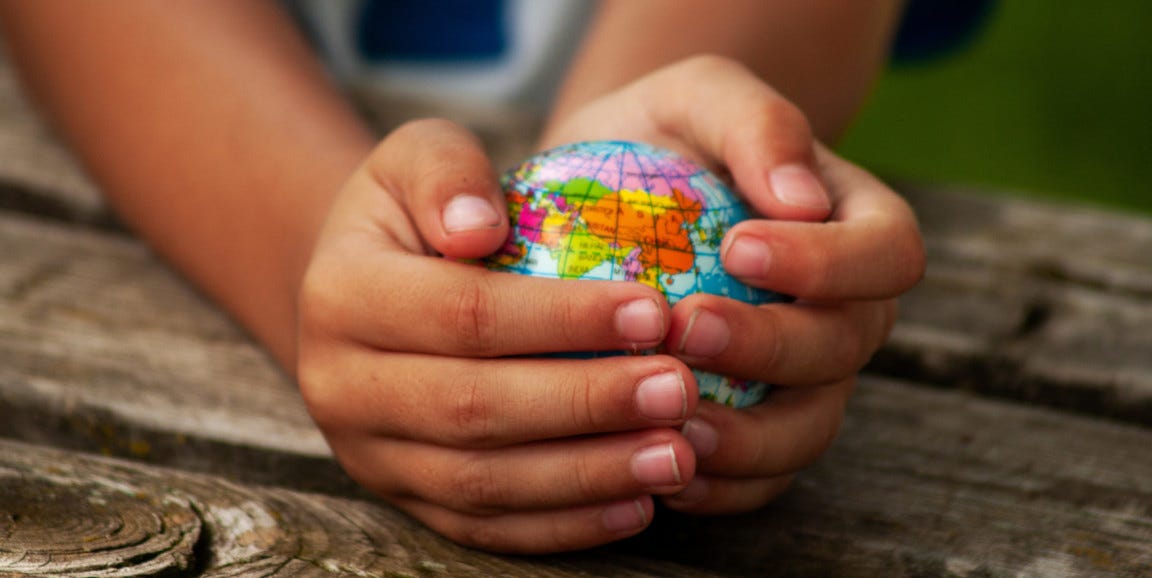
Children of color are as much as 10 times more likely to be exposed to toxins, pollution, and climate change than other children. In the U.S., rates of childhood asthma are twice as high among Black children as white children, likely because of higher concentrations of particulate air pollution in Black communities.

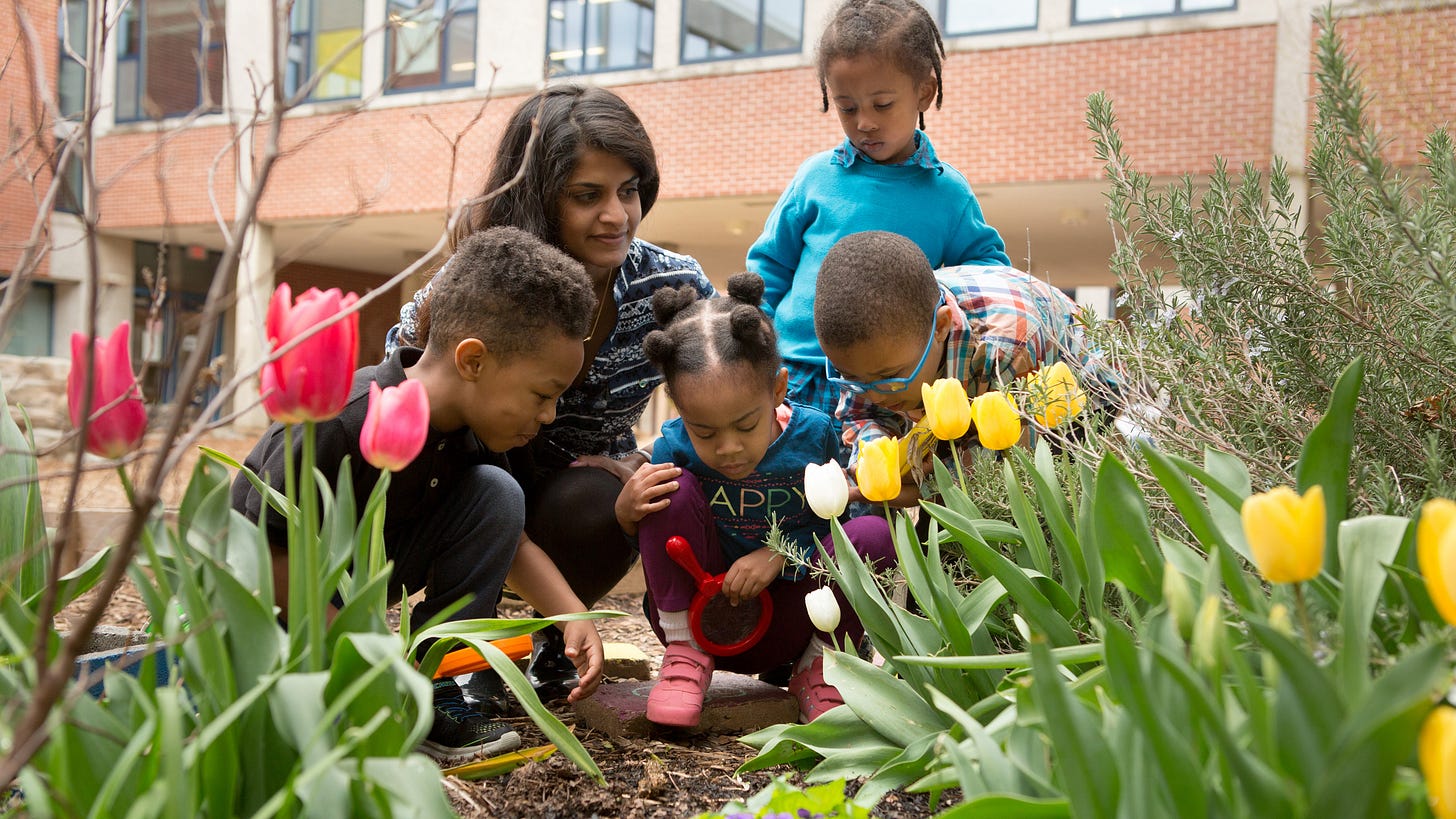
A comprehensive review by Stanford University of 66 studies showed how environmental education drives better environmental literacy development, cognitive development, and social and emotional development.
Planet Ed, an initiative of the Energy and Environment Program of the Aspen Institute, shows that three out of four Americans (74%) feel they have a "moral obligation" to make the world a better place by addressing climate change not only for their own children and grandchildren but for all children to come.
Stanford Center on Early Childhood’s RAPID-EC survey highlights that most families are worries about environmental issues and have experienced extreme weather.


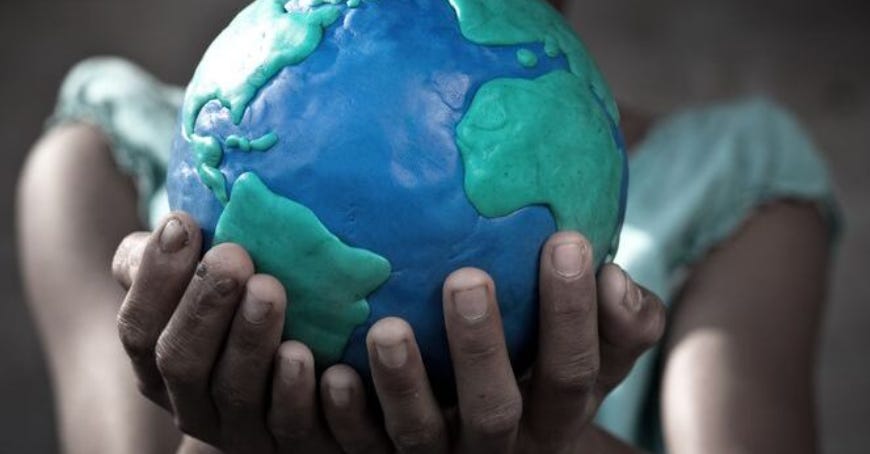
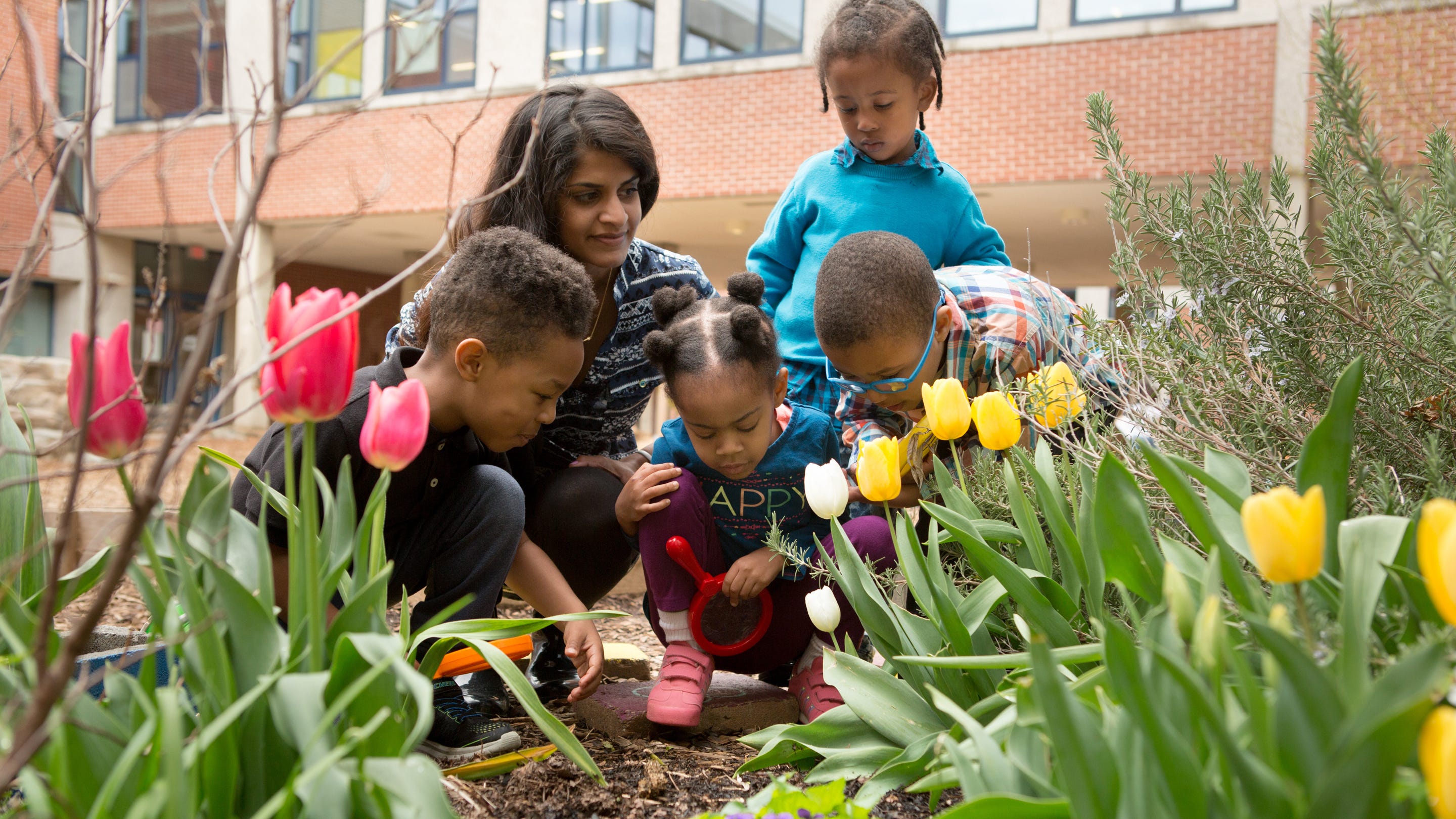


We The Children, a podcast by Zachary, an 11-year old about awareness and solutions to climate change.
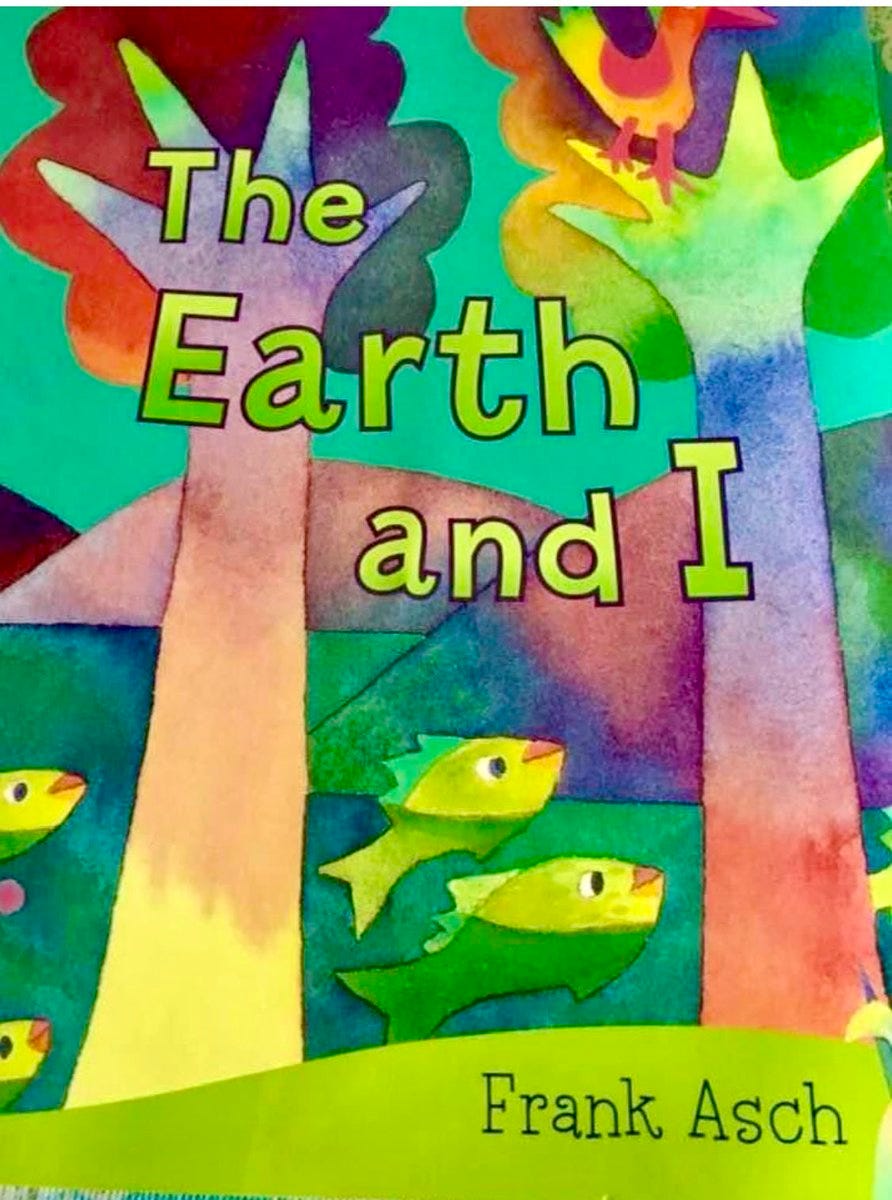
The Earth and I by Frank Asch celebrates friendship that one child has with the Earth. They play together, listen to each other, and nourish each other. But when the Earth is sad, the child is sad, so he finds a way to make his friend, the Earth, happy.
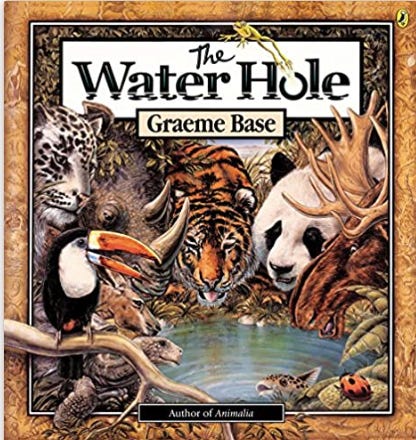
Also, another child book favorite is The Water Hole by Graeme Base, an extraordinary book that teaches counting, inquiry, curiosity about animal friends and water resources in a changing planet. I will admit that I spent countless hours with it as a parent.

In this TED talk, 8-year-old Bandi, who loves to draw and make origami animals, explains how the climate is changing and what it means for kids all over the world. More importantly, he discusses how kids can get involved in climate action.
The Impact of Environment and Climate Change on Early Childhood Development by Joan Lombardi, Director of the Early Opportunities Initiative, and David Willis, Senior Fellow at the Center for the Study of Social Policy.
Interview of Eliott Haspel, Director, Climate and Young Children at Capita, by Emily Tate for EdSurge - Early Childhood and Climate Change Are Connected in More Ways Than You Might Think.
This piece I had written for the Hechinger Report in 2021 How climate change and early childhood are intertwined.
Climate change is an early childhood issue by Nadia Gronkowski at StartEarly.
Investing in the youngest generation of climate activists, by Ellen Roche, chief media and philanthropy officer at Trust for Learning.
Green schools around the world and how kids and the environment benefit from green and natural school grounds by Sharon Roerty, senior program officer at the Robert Wood Johnson Foundation, and Jaime Zaplatosch-Ehrenberg, senior vice president, Development and Partnerships for the Children & Nature Network.
Last, but not least, I love this movement from students on school boards driving action in climate change.
"We do not inherit the earth from our ancestors, we borrow it from our children."
- Native American Proverb
Feedback is a gift. Which part above is your favorite? What did I miss? What do you want more or less of? Other recommendations? Please kindly let me know. Thank to all of you who are sending me amazing suggestions.
If you enjoy this newsletter, please help spread the word by sharing with your friends, colleagues, and networks.
Have a wonderful week. Please stay safe and care for each other.
Isabelle
No posts
Comments
Nothing yet. Say the first thing.
Sign in to join the conversation.