
Around January 15th, I found myself in Botoșani, a small city in northeastern Romania, in the apartment-studio of an artist I had followed for a long time but only met in person recently, Ana Maria Micu. If you don’t already know her work, I warmly encourage you to follow her and spend time with her practice and love for plants. Being a gardener myself, I was moved by her balcony, where she grows plants also for everyday use — a small, meaningful practice I deeply relate to. At some point, she said something that stayed with me for days:
“Almost eleven years ago, I moved back to Botoșani, into my family’s apartment, wanting to see how far you can go, as a woman artist, if you work every day and keep making art.”
I deeply recognized myself in her words. They gave shape to an anxiety that has been growing for me as well: choosing to be an artist not as a temporary phase, but as a way of life — with all the fragility, uncertainty, and precarity this choice entails, especially in an unstable world, a shrinking economy, and an increasingly polarized society.
Around the same time, I remembered a bitter joke a friend once made: “When artists meet, they talk about money; when collectors meet, they talk about art.” It’s uncomfortable, but often true. Art is frequently celebrated as something abstract and self-evident, while the living and working conditions of those who produce it remain largely invisible.
In Romania, this tension becomes especially visible on January 15th, the official Day of Culture, centered around a national poet who died young and poor, Mihai Eminescu- Romania’s most canonical poet- later transformed into a flawless cultural myth. A convenient symbol, under which many beautiful words can be spoken — without addressing the realities of the present. It’s quietly ironic and amusing how that this day also happens to be my birthday — this year, I turned 36.
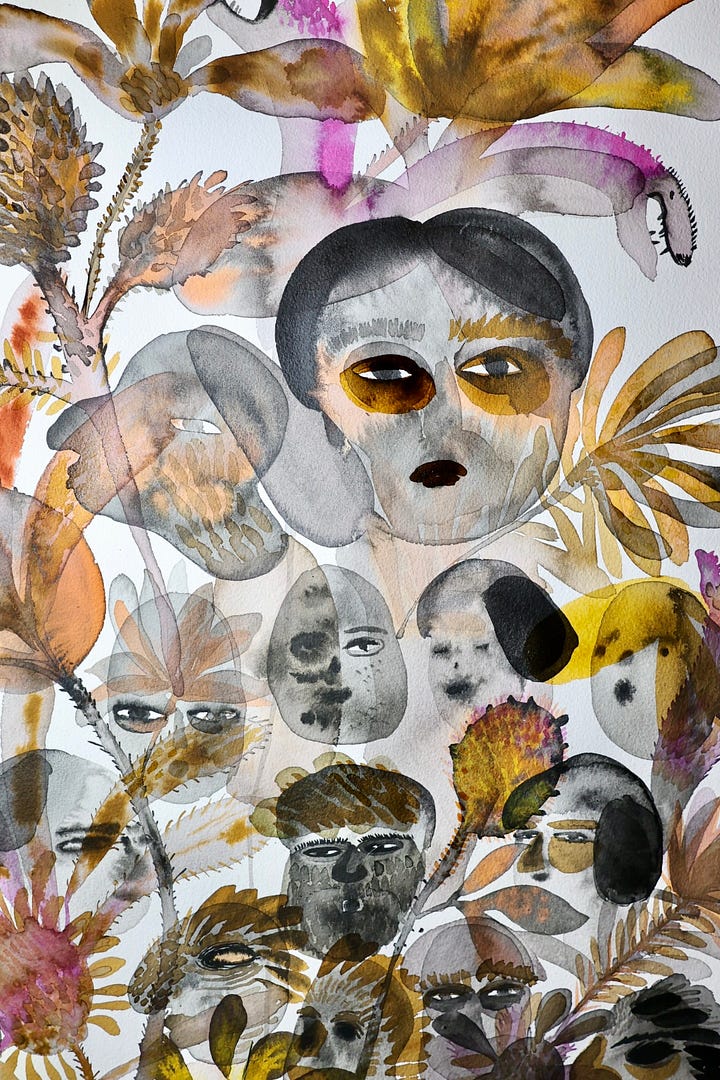
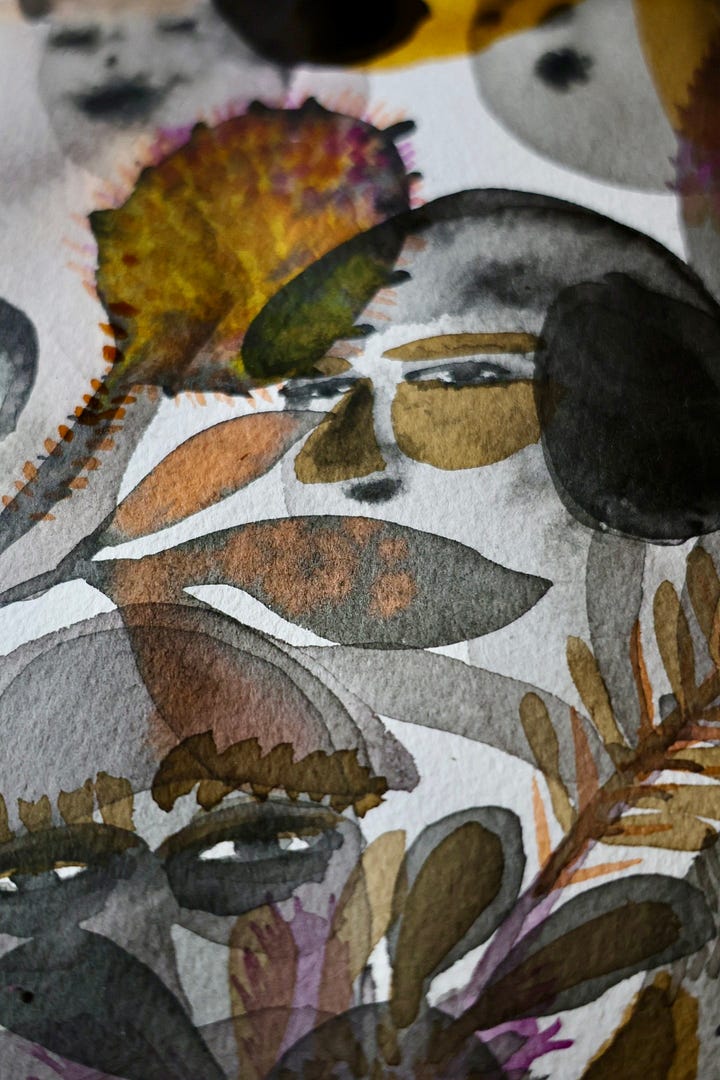
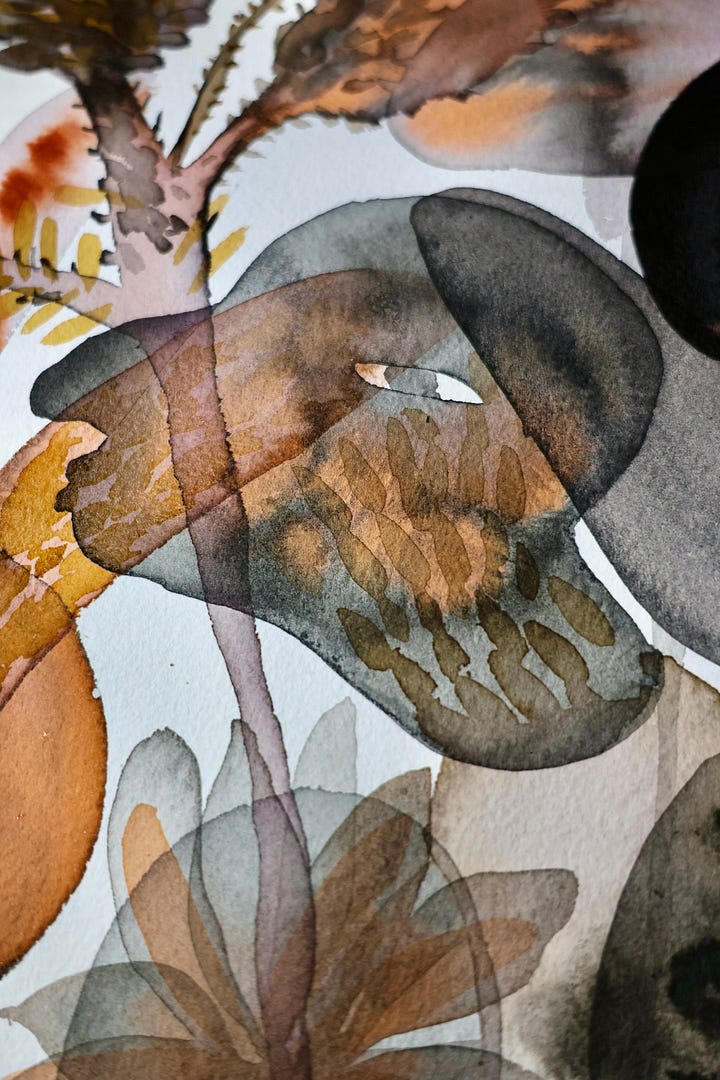
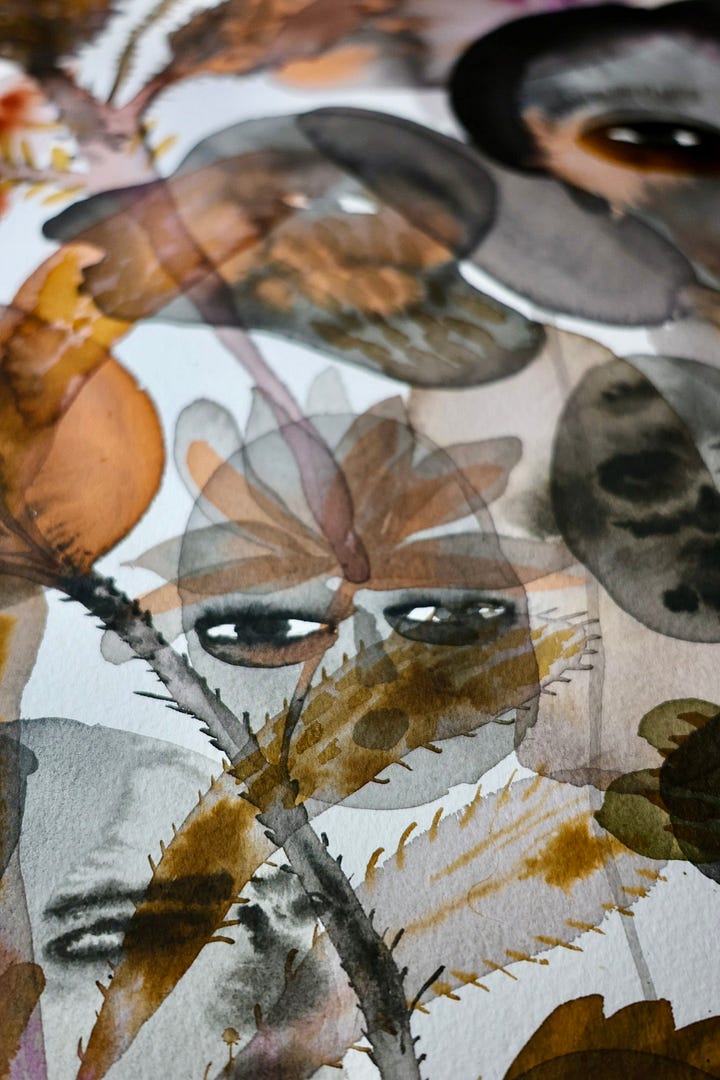
I write this as someone who is part of the cultural ecosystem I’m describing — an artist working across watercolor, animation, augmented reality, and cultural management, who believes in art as a way of nurturing communities and ways of thinking, and as something deeply beneficial and essential to human life. My work is rooted in personal imaginary and lived experience, in stories, in our relationship with nature, and in the slow, collective labor that makes culture possible.
This year, my work started from here. From these questions and contradictions — and from my ongoing decision to continue working, developing new projects, and staying in conversation with you.
I post weekly updates with recent work on Instagram and Facebook. If you’re interested in an original piece, a print, or a collaboration, please don’t hesitate to reach out. I’m also looking forward to sharing news about some exciting collaborations soon.
To read
Hitler’s Horses by Arthur Brand — The Incredible True Story of the Detective Who Infiltrated the Nazi Underworld.
I listened to it as an audiobook on Audible and found it absolutely gripping. A fascinating read for anyone interested in art and history.
To watch
The Shyness of Trees — 9 minutes of pure beauty.
A short animated film coming from the renowned Gobelins Animation School in France. Delicate, poetic, and visually exquisite.
To visit (especially for readers in Romania)
Andrei Gamarț — „Tot ce ai văzut se va împlini”
Sala Horia Bernea, Memorialul Ipotești, jud. Botoșani
On view until March, 2026.
If you make the trip, the entire ensemble dedicated to Mihai Eminescu is well worth spending time with.
To follow
Sergiu Negulici, who works under the pseudonym SKT, creates visual poetry through visual artworks and reel-making on Instagram.
Thank you for reading — and for being here.
Ioana
No posts
Comments
Nothing yet. Say the first thing.
Sign in to join the conversation.