
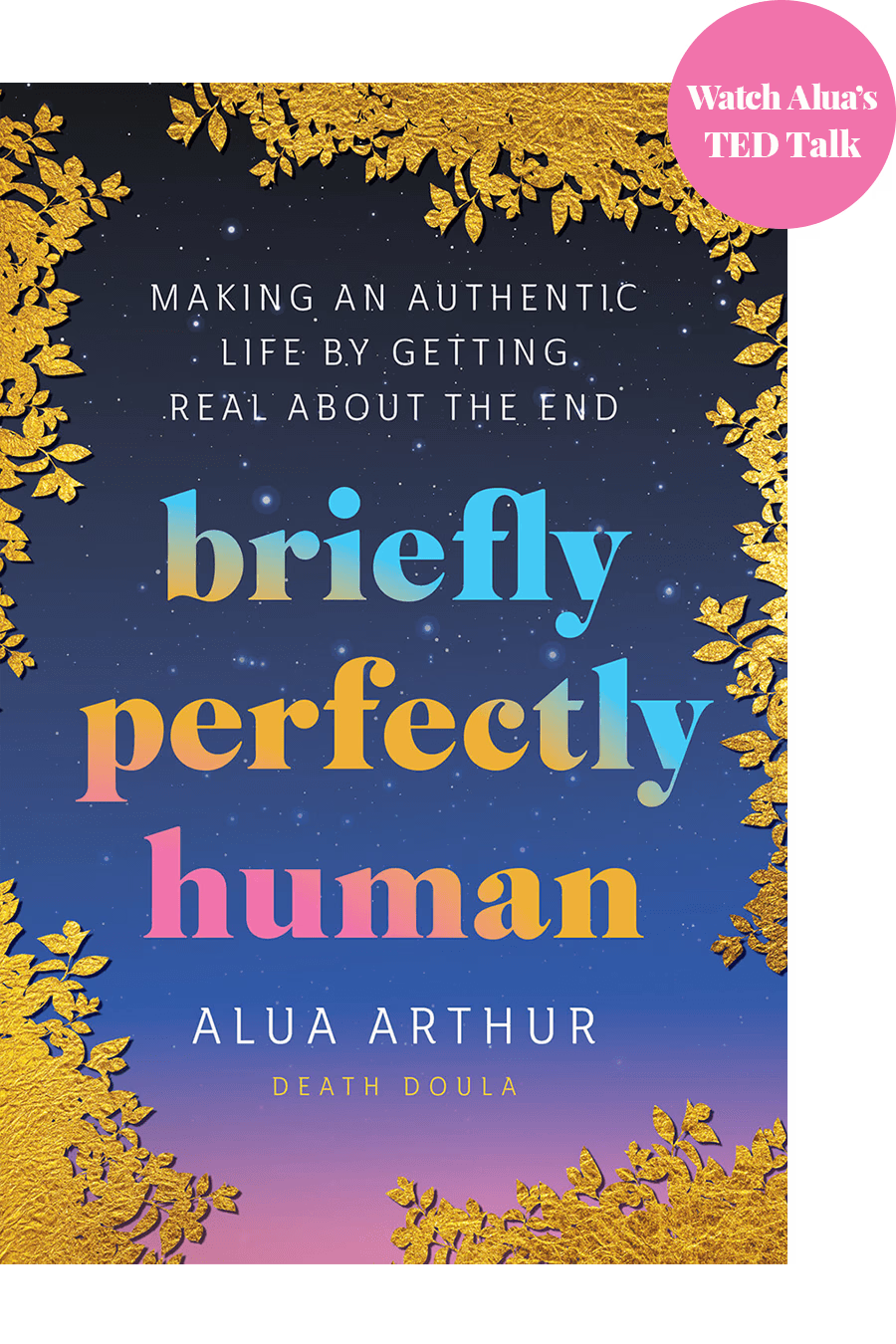
In the opening chapter of Alua Arther’s book, Briefly, Perfectly, Human, she begins with a personal close call with death. She is almost hit by a taxi while crossing the street and, for the first time, truly considers her own mortality. She’s traveling through Cuba, struggling with depression and looking for something different than her life back home as a legal aid lawyer. In her search for meaning and joy, she travels through Cuba without a plan, dancing in underground clubs and lodging with strangers. After her brush with death, she finds herself on a bus next to a German tourist who shares with Alua that she has a terminal cancer diagnosis. The tourist also shares that she was in that taxi that almost hit Alua. It seems the meeting was meant to be. As an oncology nurse and a reader, I was hooked.
When I graduated from nursing school, all of my classmates were touring hospitals, considering their options, and studying for their boards. I did not do any of those things. I applied for a new graduate nurse program working in Pediatric Hematology and Oncology. I went into nursing school imagining I would work in Labor and Delivery. I went to LA County’s College of Nursing and did all of my clinical rotations in the LA County health system. Very quickly, I learned that I was definitely not going to work in L&D, and I was definitely going to work with kids with cancer. Somehow, putting all of my eggs in one basket worked out, and I found myself in my clearance-purchased interview suit sitting across from the pediatric manager of the heme/onc unit. One question she asked me was how I would deal with death. Sitting there at age 26, having never known anyone who died, let alone being present for it, I gave the best answer I could. I told her something to the effect that I believed it was an honor to be present at the end of life and that those who are dying deserve the same excellent care other patients deserve. That didn’t really answer her question, but we moved on. And I got the job. I spent the next 5 years working in pediatric hematology and oncology, facing the reality of that question.
My nursing program taught us briefly about end-of-life care. The program taught us about ethical dilemmas. And cultural competence. It taught us about our patients’ caregivers and to consider their burdens. What it did not teach us was how we would deal with the effects of care. We didn’t learn about burnout or grief. I didn’t hear the term compassion fatigue until 7 years later at an oncology nursing conference. Instead, I spent 5 years trying to give the most compassionate care to kids with cancer, which sometimes included end-of-life care. And I began to struggle with the burden of grief. I had no training on nurse grief. I had no experience with grief like this. And I had no formal mentoring in my institution on how to handle grief. Everyone handled it in their own way. That is to say, most people didn’t discuss it directly. I began to journal about the kids I had cared for who had died, adding programs from their funerals and trying to honor what they meant to me, a person who provides care but is not a family member or a friend. Sometimes I cried on the way home from work. Sometimes I cried on the way to work. Sometimes I couldn’t sleep. I tried to compartmentalize it, push the grief aside when I walk through the hospital doors. I wondered if I was just not a good nurse.
The title of Alua Arthur’s book spoke to me as someone who cared for children who were more than just patients. It’s a memoir about her experiences that led her to leave a career in law to work as a death doula. But it’s also about how unprepared we are as a society to talk about and face the realities of death. She writes about how planning for-even thinking about, something that will happen to every single one of us is put off for a future that we like to believe will never come. Despite the realities of my work in pediatric hematology/oncology, the social taboo around death remained. Pediatric hospice was extremely rare, and most patients stayed with us at the end of life. Children aren’t supposed to die. And parents aren’t supposed to have to talk about dying with their child. Many of them did not, and it seemed like most of my coworkers waited for parents to bring it up before we talked about it. Arthur’s book argues that thinking and talking about dying helps us truly live, to fully embrace our brief, human existence. She says when we get real about death, we can think about how we spend our time and who we spend it with. And grief, the grief of those we leave behind, is the proof that our lives matter. I wish the younger nurse I once was, starting out caring for kids with cancer, had been taught that. I wish I had known that speaking about grief and death didn’t mean that I wasn’t up to task or less professional; instead, it meant that I was having a fully human experience while working as a caregiver.

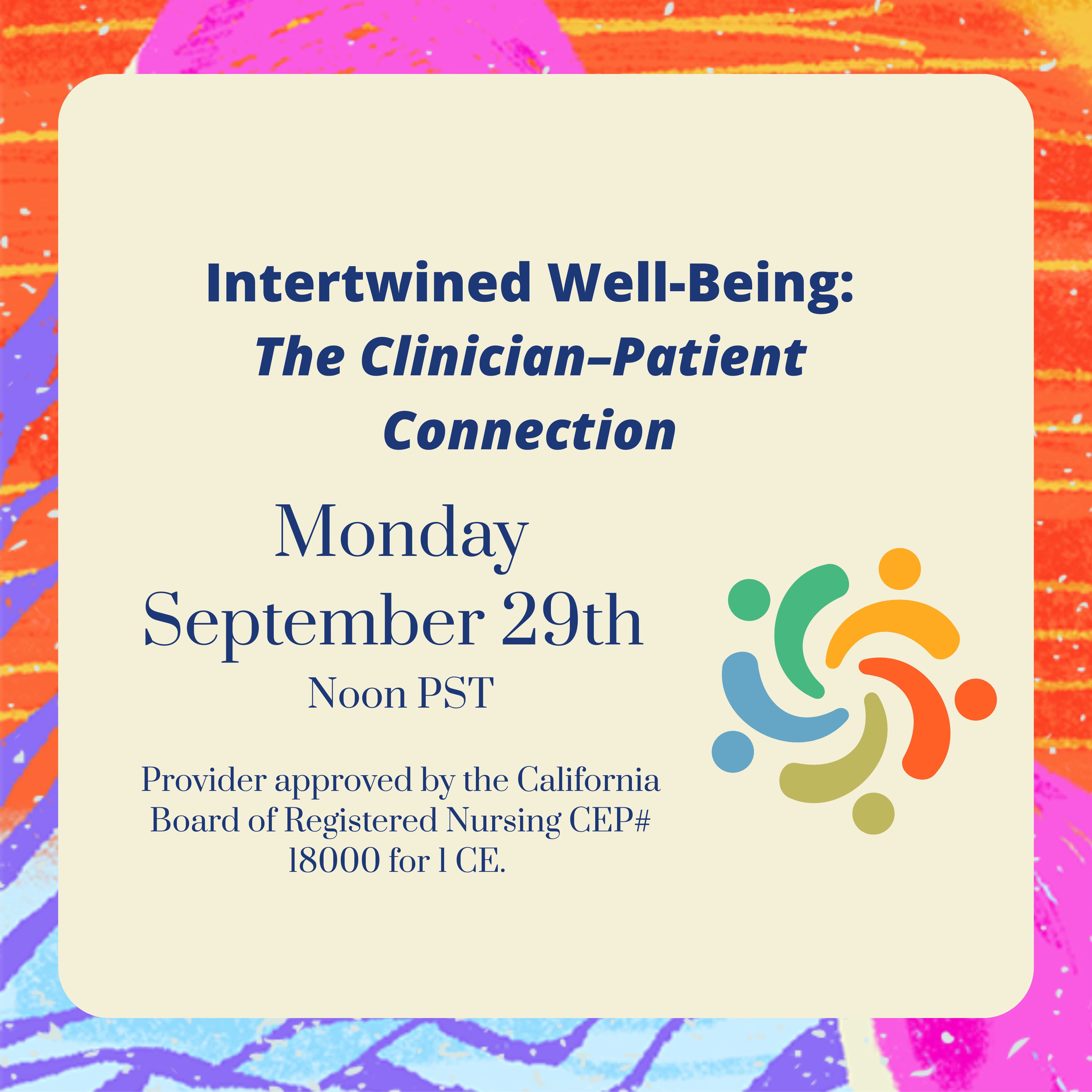
Join us for our second webinar in our Artist’s Way program focused on why the well-being of patients and clinicians are interwined. In this CE workshop, we explore how clinician well-being can be a powerful aspect of patient safety and why centering mutuality can be a step in reimagining a more relational healthcare system.
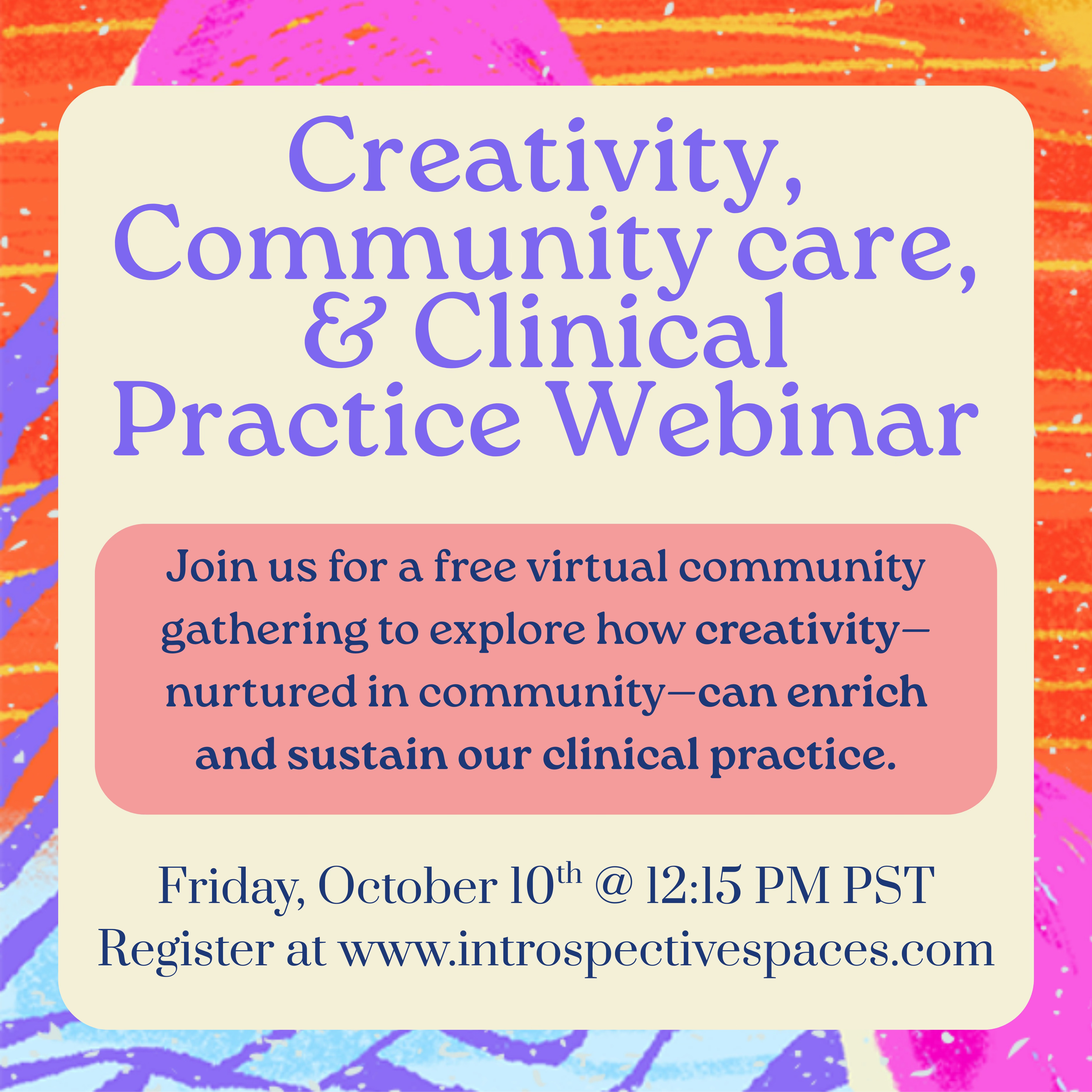
Interested in the intersection of creativity, clinical practice and community care? Join us for our upcoming FREE community webinar exploring the myths of creativity and how creative practices can enhance our clinical care.
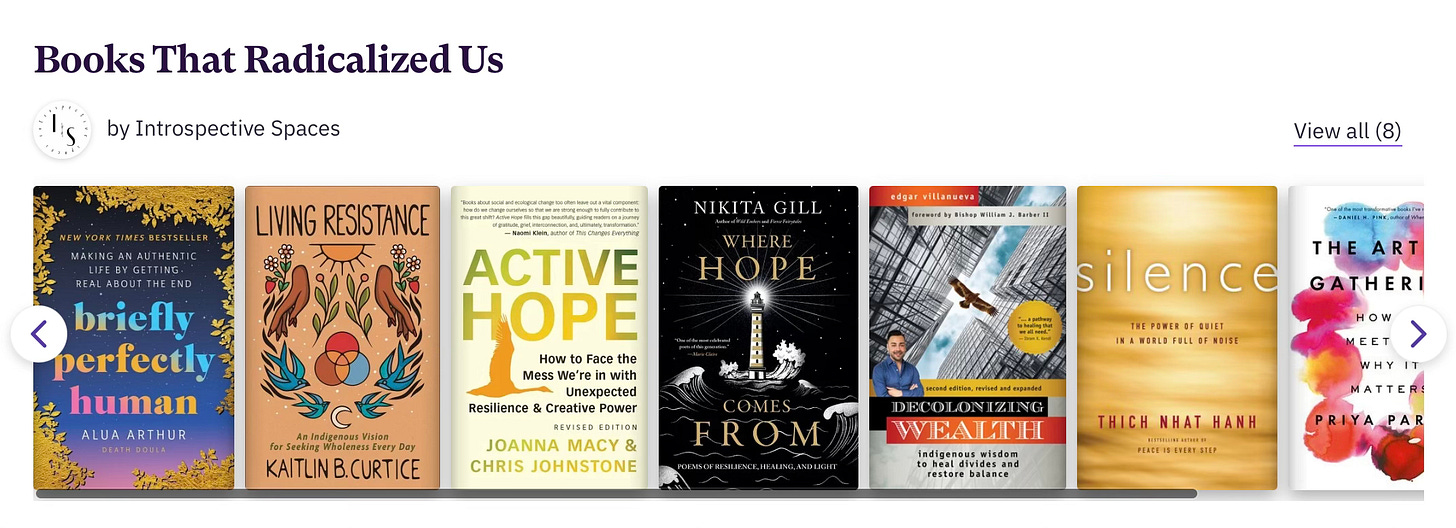
Dear friends, we are so excited to share that we are an affiliate with Bookshop.com! Any books purchased from our Bookshop affiliate page will give 10% back to our Artist’s Way scholarship fund, ensuring all healthcare workers have access to creative community. If you’ve enjoyed our book reviews and want to find a way to support us and the amazing authors we feature, here’s a great place to start! Check out our shop here!
No posts
Comments
Nothing yet. Say the first thing.
Sign in to join the conversation.