
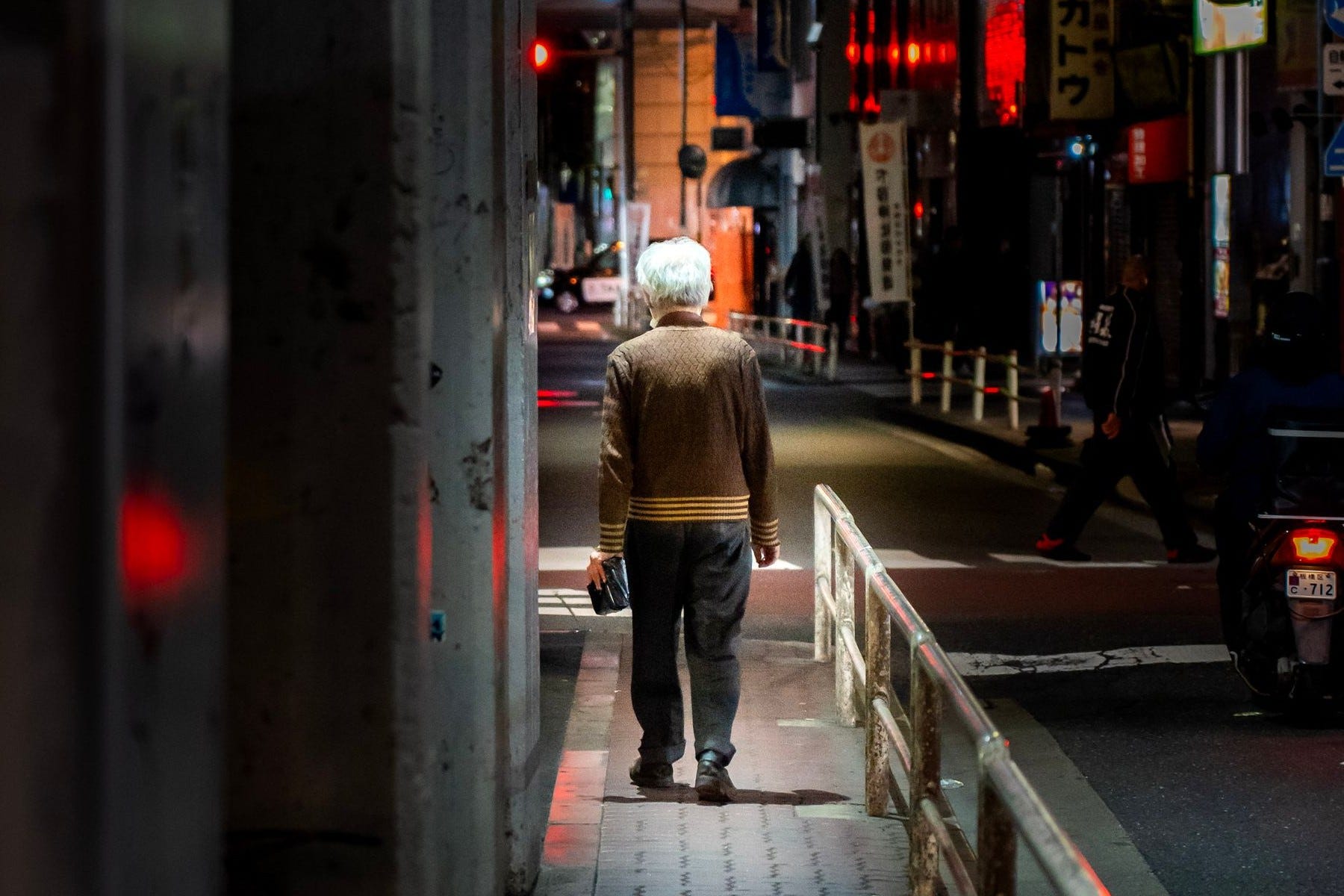
If you have the opportunity to rent a house or condo in Japan, chances are you will be asked to find a guarantor. These individuals or specialized businesses come to the owner’s financial rescue if you ever stop paying your rent. But in one contract I looked over recently, these stand-ins serve another purpose: to remove all your property should you pass away unexpectedly.
While this might sound like a rarely used just-in-case clause, it’s becoming more of a concern as Japan’s elderly population grows. Some landlords are outright refusing to sign leases for anyone over the age of 65, especially if the tenant will live alone. Even worse, some elderly residents are even being evicted from their homes once they reach an age of concern.
In the minds of property owners, there is simply too great a risk of them dying suddenly. There are stigmas and public disclosure requirements attached to properties where a troublesome death occurred, such as suicide. Even for those who aren’t superstitious, property owners might need to pay significant cleanup fees if a fatality in one of their units is not discovered right away.
Of the 1.62 million individuals in Japan who breathed their last during 2024, around 270,000 of those deaths (about 17%) occurred at home. This is actually a significant drop from decades ago. Back in 1951, more than 80% of all deaths in Japan happened in the home. The traditional image of a grandparent surrounded by their loved ones comes to mind, and that is the key difference. While a family member was immediately available to deal with funeral arrangements back in the Showa era, today there are tens of thousands of so-called “Deaths in Solitude” (孤独死) where nobody is around when the individual passes from this world to the next. In 2024, an estimated 76,000 people died alone at home.
For Japan’s foreign residents, the concerns are even greater. Immigrants on average are less likely to be homeowners, especially those who lack permanent residency. Language skills are also an issue, especially in cases that involve dementia. How will those who have lived here for decades and made Japan their permanent home handle the increasing difficulty of finding a place to live? While I am still spry, the last time I went out looking for a place to rent, the realtor asked me point blank if either I or my wife had reached our sixty-fifth year.
As Japan’s average age goes up, this problem will only get worse. That’s why both governments and private organizations are stepping up to assist the elderly with one of humanity’s most basic needs: shelter. In 2021, the country’s Ministry of Land, Infrastructure, Transport and Tourism published “Guidelines Concerning the Disclosure of Deaths by Real Estate Brokers.”) This document clarifies when property owners need to reveal an on-site demise to potential buyers. In the case of a natural death, such notifications are not needed unless “special cleaning” is performed due to a delay in discovery.
Companies that offer “adult guardianship services” are also popping up, taking on tasks that would normally be performed by spouses or children. This includes checking up regularly on seniors who live by themselves. If a client does pass on, these groups facilitate funeral arrangements and the moving or disposal of personal effects. Having such groups at the ready provides a sense of relief to landlords, as they no longer need to worry as much about a renter becoming senile, bedridden, or worse.
Of course, these service providers work for a fee. For elders on a fixed income, some jurisdictions are taking on the guardianship role directly. The City of Tachikawa, in the western region of Tokyo, will act as an official guarantor if a family member or other responsible party is not available, or when the occupant has disabilities that make it impossible for them to act on their own behalf.
Long-term care facilities are another option for some seniors. However, recent angst over foreign labor has made staffing a concern. As a result, some rest homes will only accept individuals who are in significant physical or mental need, leaving those who are simply old to seek a dwindling list of alternatives. This is especially true for aging foreign residents who will already be at a disadvantage due to language or visa complexities.
Image Credits: Ola Ayeni / Pexels
No posts
Comments
Nothing yet. Say the first thing.
Sign in to join the conversation.