
In November last year, interweave featured on a new Global Government Innovation panel show. Last month we were back, talking about digital sovereignty in Europe. In this edition, we share a summary of the episode, along with the link.
Last year, interweave told part in Civic Punks’ new podcast, covering the latest in digital government innovation around the globe, hosted by Derek Alton.
In this format, panelists from different regions – Africa, Asia, Europe, North America and Latin America – each bring a digital government story from their region to the conversation, picking it apart and outlining the key trends.
This time, we were talking about sovereignty. Other participants included:
Angela, who talked about LatamGPT – the first LLM trained in Spanish using data from Latin America and the Caribbean, raising questions about regional collaboration for sovereignty, and who funds ongoing adaptations and upgrades to so-called “sovereign models”
Brian, who spoke about ongoing work in the US to build trust in AI among civil servants, and about research into how AI rollout is uncovering demand in some areas by reducing bottlenecks in others. Choosing to implement AI therefore becomes not a question of outright efficiency, but of recognizing where it creates and reduces demand.
Luke from team interweave brought a couple of stories to the podcast. First was some news from France on how the government is set to ditch Microsoft Teams for a homegrown equivalent, Visio, a move that follows similar experiments from regional administrations in Germany and the Netherlands.
But elsewhere, the story of the Netherlands and Solvinity offers a fascinating edge case in what it means to be sovereign. The case revolves around Solvinity – a company building digital services for public sector actors such as the City of Amsterdam and the Dutch Ministry of Justice, who in turn aim to procure from Dutch-headquartered companies (on sovereignty grounds).
Since beginning work with the Dutch public sector, Solvinity has been subject to an attempted acquisition by American company Kyndryl, the world’s largest independent IT infrastructure services provider (and a spinoff from IBM). The Dutch government found out only a couple of days before the decision was made that this would be happening, prompting huge panic in digital circles.
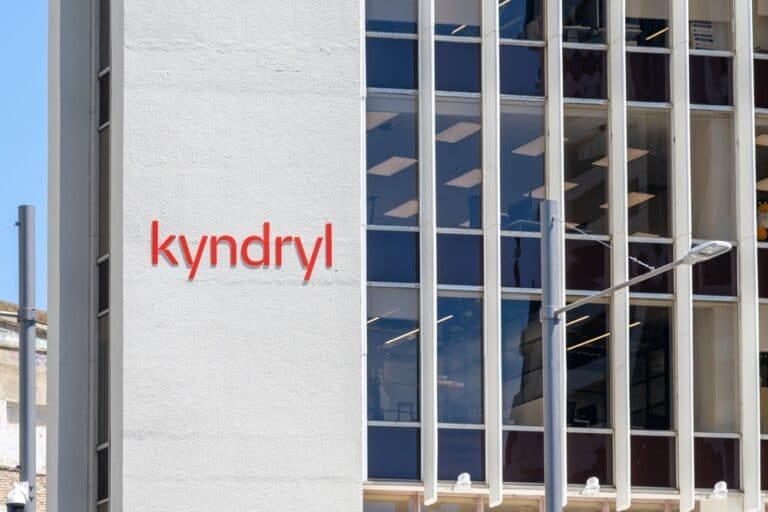
Kyndryl has attempted to acquire Solvinity, responsible for making Dutch digital services
In the last couple of days, after the release of the podcast, the Dutch government have blocked the acquisition over public safety concerns. If it had been allowed to go ahead, the acquisition could have left Dutch population data subject to the US Cloud Act and so-called kill switches – the very problem that the authorities had tried to avoid in their procurement choices.
This is not just a Dutch – or American – problem, with a parallel event taking place in the UK, where a British company working on the National Health Service app was acquired by a Canadian one. Both these instances offer an interesting case of the limitations of sovereignty, which will no doubt shape on of the key technology debates of our time.
Comments
Nothing yet. Say the first thing.
Sign in to join the conversation.