What do intellectual historians currently investigate? And why is this relevant for us today? These are some of the questions our podcast series, led by graduate students at the University of Cambridge, seeks to explore. It aims to introduce intellectual historians and their work to everyone with an interest in history and politics. Do join in on our conversations!
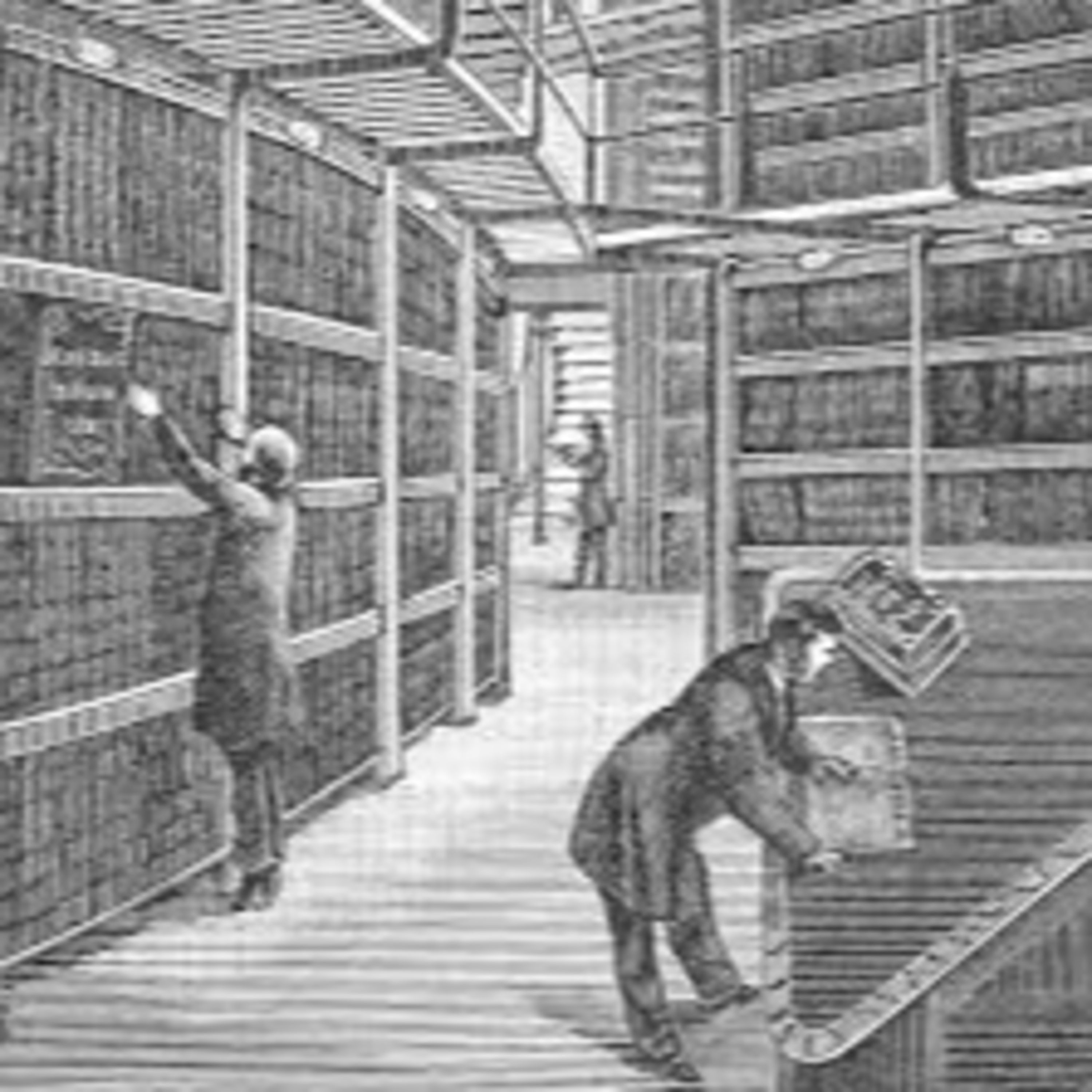
Should you judge a book by its cover? Victorian historians and their readers did; and through examining the decisions that went into binding, titling, annotating and prefacing historical works, we can recover some of the anxieties and labour that went into creating the image of the historian we have today. This is Elise Garritzen's task, in 'Reimagining the Historian in Victorian England: Books,…
Who will rule the rulers? Who will chaperone the chaperones? Who will guard the guardians? These questions are rarely associated with Plato. Usually seen as the arch-defender of the rule of the enlightened few over the ignorant many, he has not been perceived as a friend of accountable government. But is this traditional picture of Plato true? Melissa Lane, the world’s foremost interpreter of…
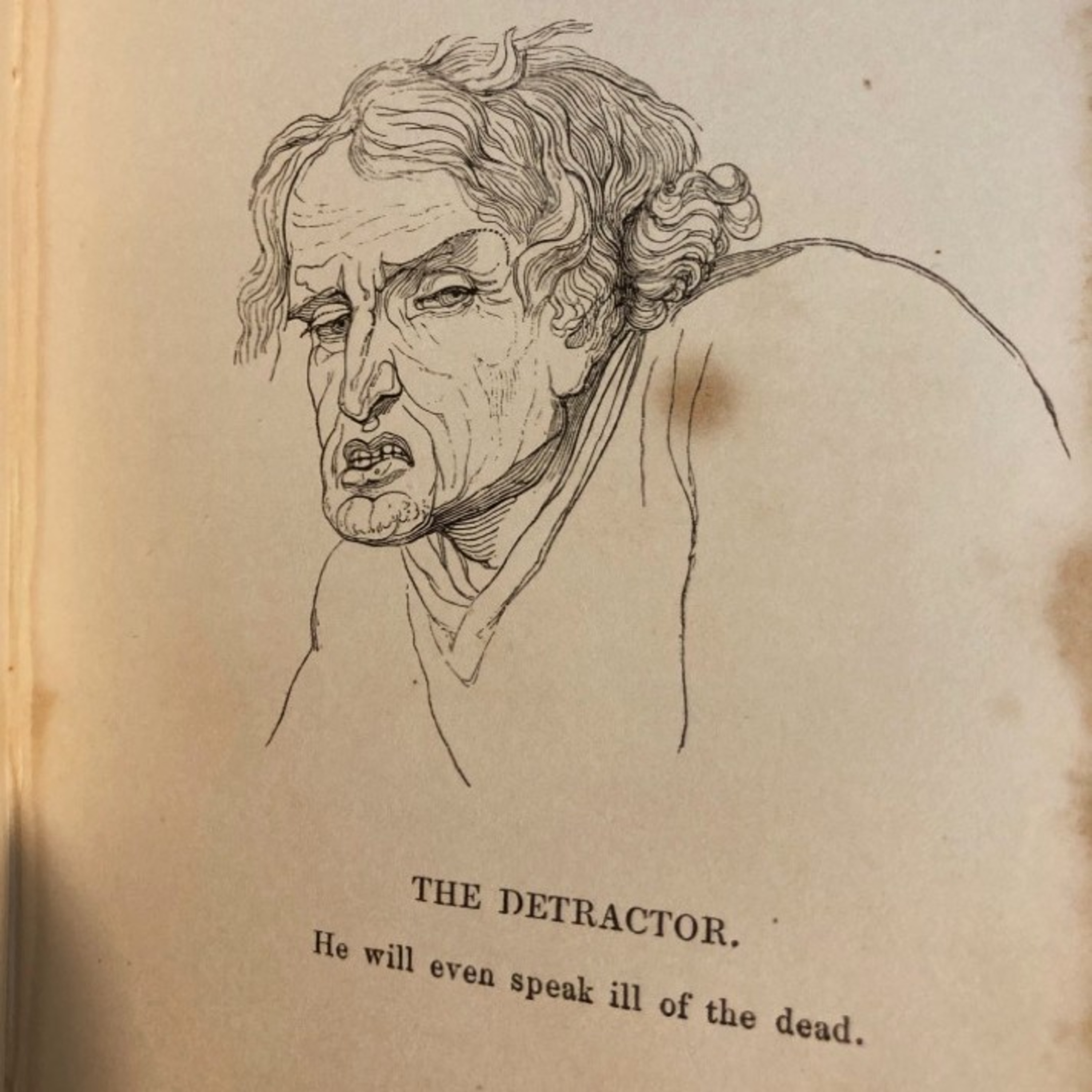
Theophrastus was an ancient Greek philosopher. He wrote widely on topics including metaphysics, plant-life, dizziness, odours, and juice. Most notably, though, he was the author of a colourful text detailing the vices of thirty typical characters from Athenian city life. The impact of this short book of sketches, known simply as Characters , was prodigious. In early modern Europe, it spawned an…
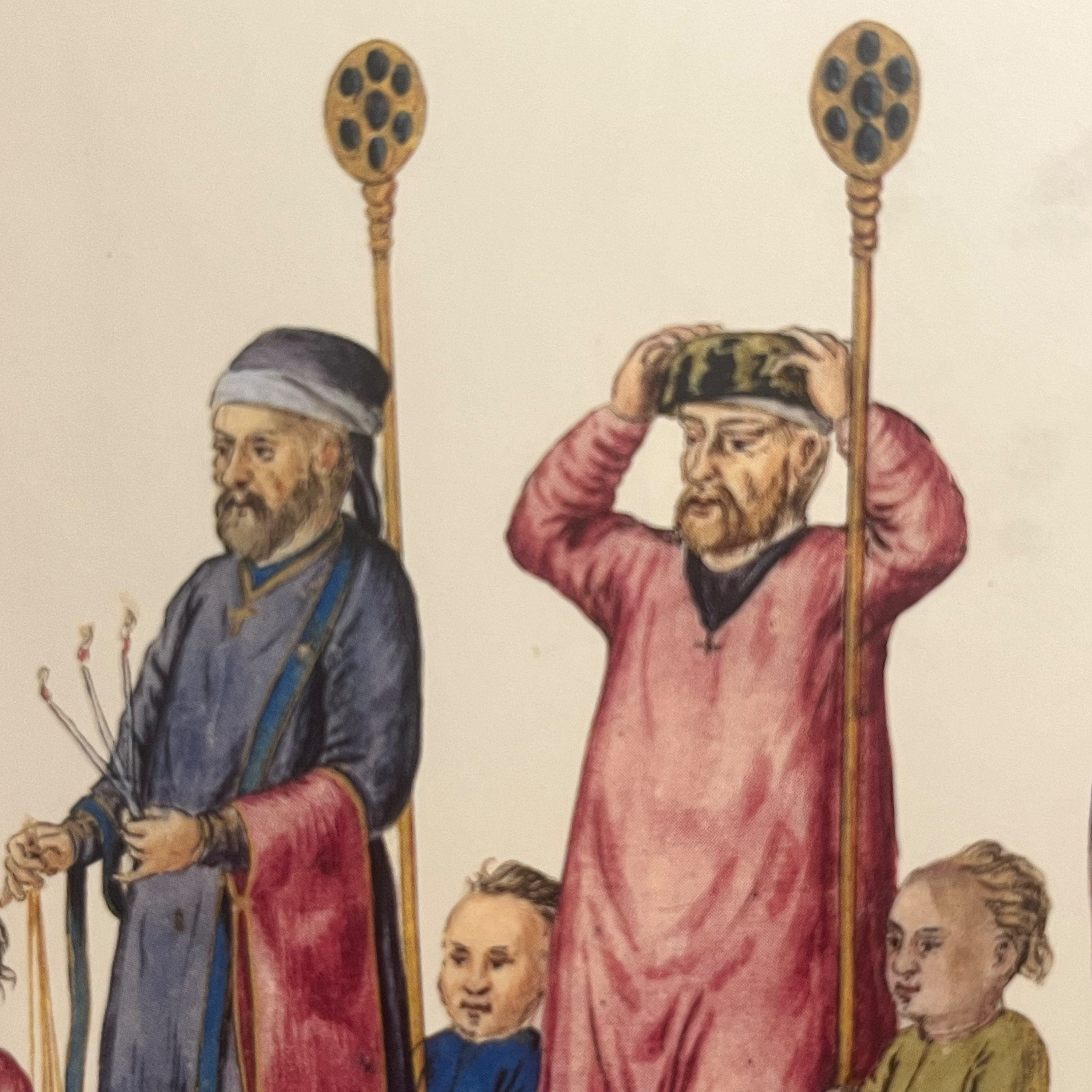
Martin Crusius (1526-1607) spent most of his life in the Lutheran town of Tübingen. While there, he became Europe's foremost expert on Ottoman Greece. Drawing on hundreds of conversations he held with the Greek Orthodox alms-seekers who visited his home, he painted a picture of a people unparalleled in its richness and scope. Yet he also constructed a narrative of the religious and cultural…
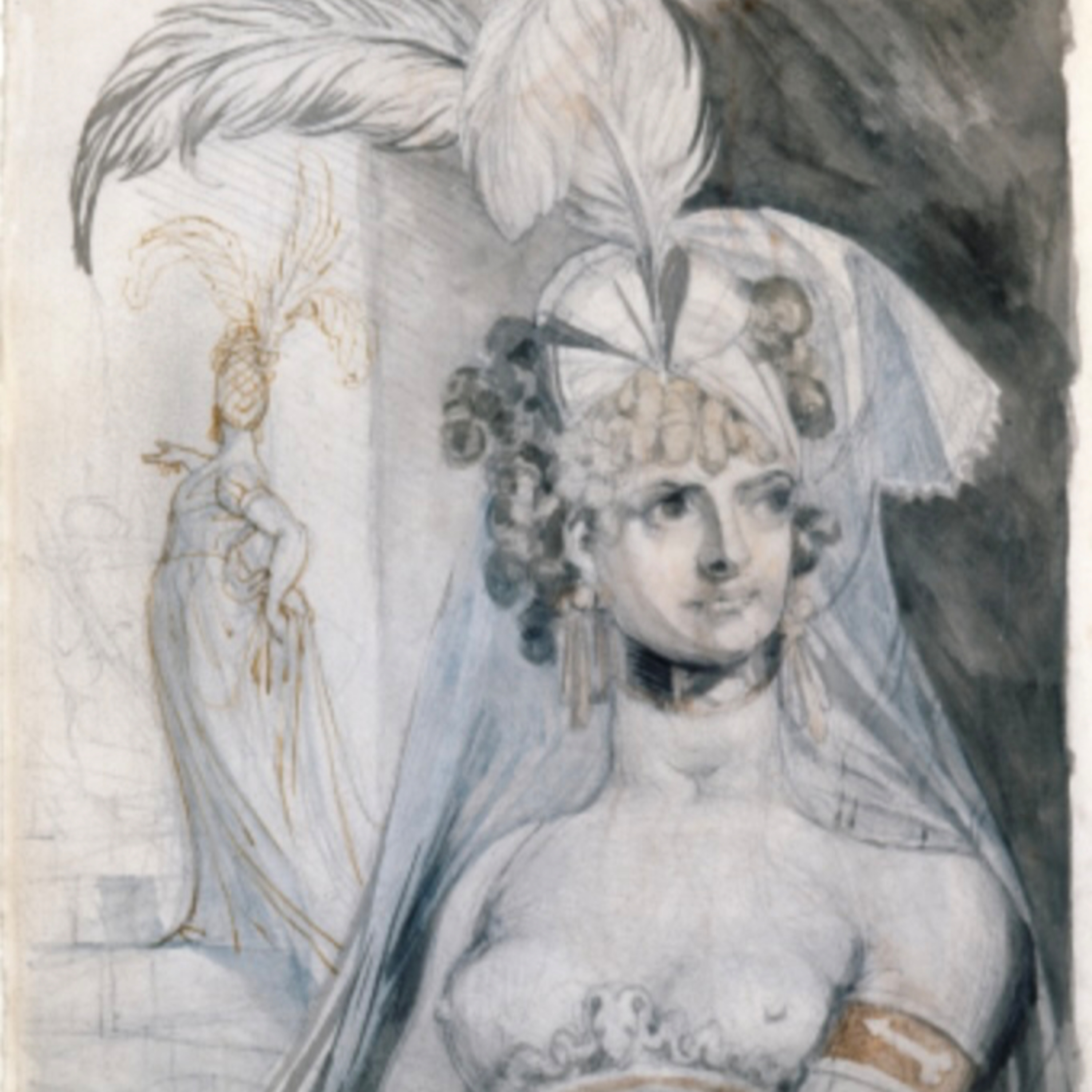
By her death in 1797 at the age of 38, Mary Wollstonecraft had produced a body of work unmatched for its honesty and critical acumen. In a society where marriage often amounted to legal prostitution, Wollstonecraft confronted the ways in which property and power distorted lives and corrupted our most essential relationships: as human beings, men and women, mothers and children. Following a…
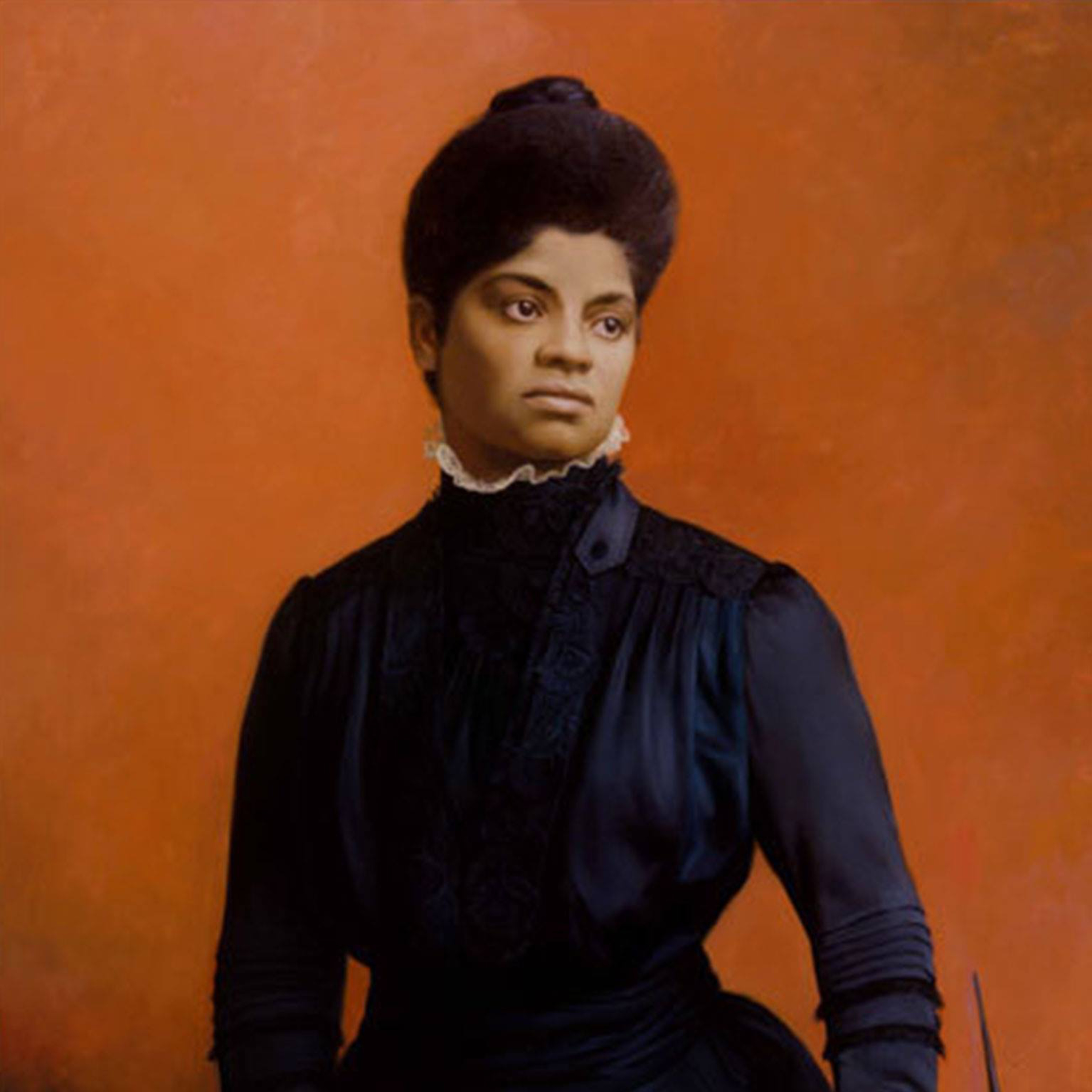
After the founding of the American Republic, African-American Intellectuals never accepted passively the narratives of racial difference maintained by the defenders of slavery and segregation. At a time when the belief in human equality was under attack from religious reactionaries and scientific innovators alike, Black thinkers succeeded in vindicating the unity of the human community as a…
Sometime in the eighteenth century, a great transformation took place in the language of liberty. Since the days of the Roman Republic, to be free had meant to be independent of the arbitrary will of another. You enjoyed freedom if nobody could impose their will on you without your prior consent. You were free if you were your own master, and you were unfree to the extent that you answered to…
If you visited Britain around 1700, you’d find hardly a single advocate of the abolition of the transatlantic slave trade. You’d hear the institution of slavery described as a moral evil, but no one would tell you that it could be done away with if only people put their minds to it. Slavery was supported by monarchy, government, church, and public opinion in general. Yet in 1807, the trade in…
Why is Carl Schmitt one of the most widely read political theorists of the twentieth century? A lifelong antisemite, a petty careerist, a Nazi ideologue who only avoided being tried at Nuremberg because he wasn’t considered important enough, Schmitt was an unlikely candidate for canonical fame. And yet from today’s perspective, few other authors present as many opportunities to think through the…
In 1686, a French witness spoke openly of a Native American declaration of independence. ‘We have to assume’, he said, ‘that the Iroquois do not accept any master’. Claims such as this were made frequently throughout the history of European colonialism, forming a rich tapestry of indigenous ideas. Although often dismissed by historians as badly documented and politically irrelevant fictions, these…