
Sometime in 2024, the most aspirational thing you could post on TikTok was a nearly empty shelf. Three products. One tote. A sweater with a small hole that hadn’t been repaired yet, presented like a relic. The comments were unhinged. Healing. This is the content I needed. You’re so real.
Two million views for owning less moisturizer than most of us have in our carry-on.
Underconsumption core showed up and for about six weeks it genuinely felt like something. Anti-haul. Anti-aesthetic. Anti-the-entire-machine. Real stuff, real shelves, no ring light. And then, as these things go, someone got a ring light. The shelves got styled. The “imperfect” items turned out to be Aesop and Still Here and Quince, which are not the items of a person opting out of anything. Someone sold a course on capsule wardrobes. Several people did.
By early 2025, major fashion publications had published guides on how to do underconsumption core correctly. Which is a sentence that should end dinner parties.
The woman with three bathroom products wasn’t compelling because she had three products. She was compelling because her life looked intentional. Curated. Like nothing in it was accidental or thoughtless. Which is, functionally, the same thing luxury has been selling for two hundred years. We just changed the set dressing.
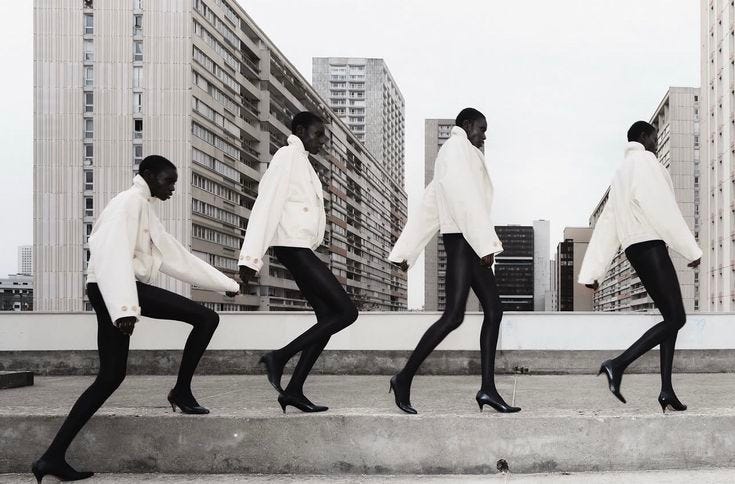
The brands noticed immediately. Slow fashion labels leaned into “fewer, better” language so hard their Instagrams became indistinguishable from a Headspace ad. “We make things that last.” Accompanied by photography so gorgeous that the thing you were supposedly not buying looked more appealing than anything you’d seen all week. Toteme, The Frankie Shop, the entire Scandi-beige economy -- all of it selling restraint as an aesthetic, which still requires purchasing the correct version of restraint. At full price. In oatmeal.
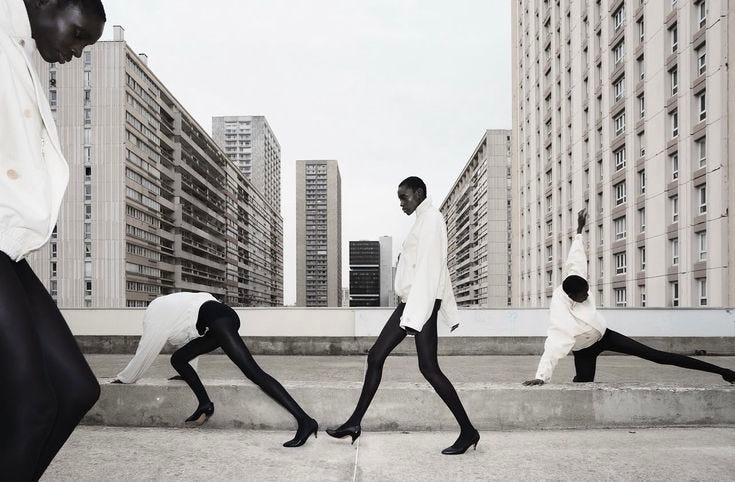
We got so exhausted by fast fashion that we created an aesthetic about exhaustion and then bought it. The irony is almost too tidy.
There’s a version of this that’s genuinely real. People actually wearing things out, actually breaking from the haul cycle, actually operating with less. That exists and it matters. But it’s mostly happening in people’s real lives, quietly, off-camera. The version that went viral was the performance of it, and performance has always had a complicated relationship with authenticity.
What underconsumption core actually surfaced is that most people’s anxiety about buying isn’t really about the environment or their credit card statement. It’s about identity. Do I look like someone with taste? Do I look like someone who isn’t fooled? Do I look like someone who chose this life rather than just stumbling in it? The things you own have always telegraphed something about you. “I own very little” is just the newest approved message.
The woman with three products in her cabinet is still selling something. She just has better lighting than she’d like you to notice.
This isn’t shopping advice.
It’s wardrobe literacy.
— Bai
Interiors of Fashion
No posts
Comments
Nothing yet. Say the first thing.
Sign in to join the conversation.