
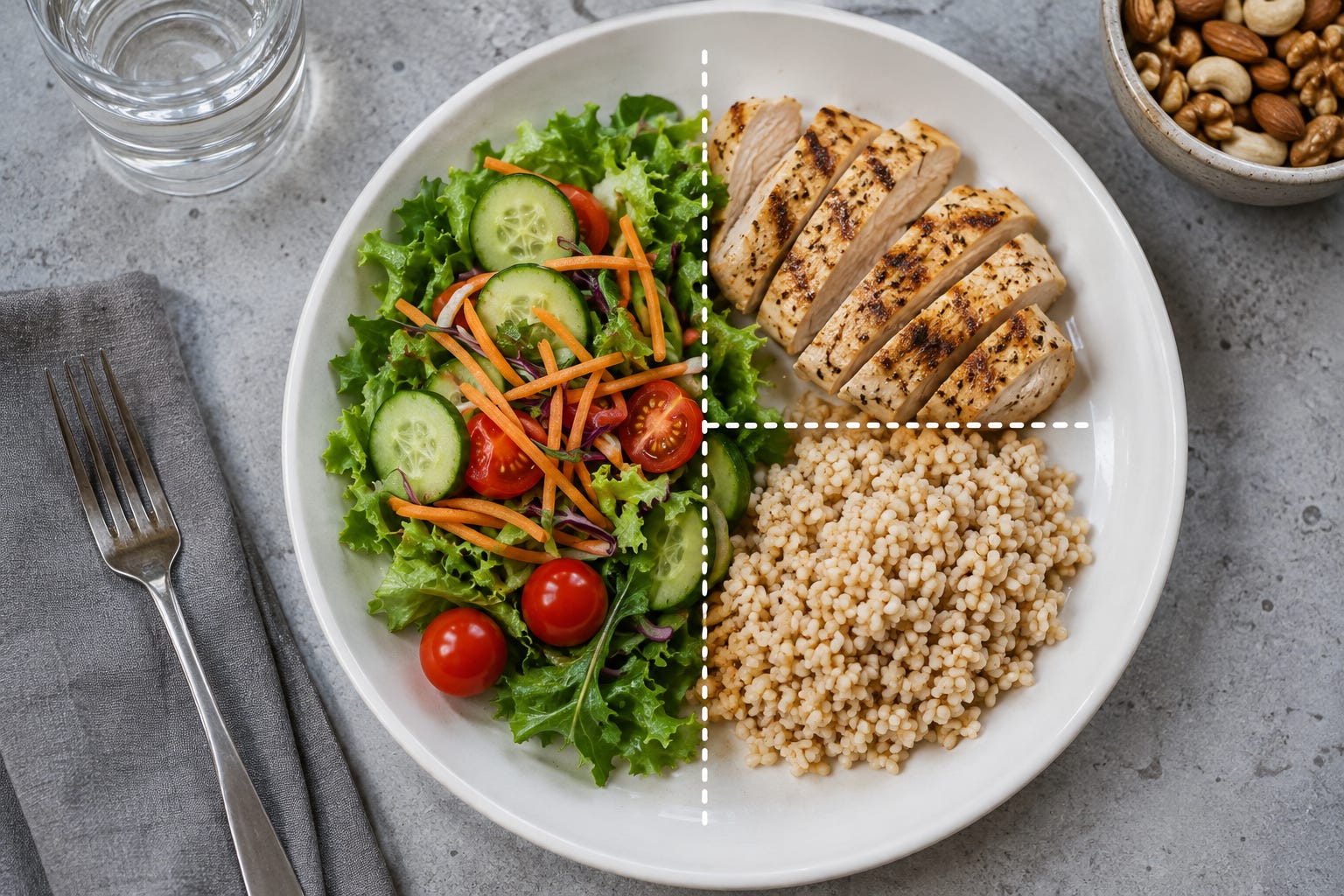
When it comes to healthy eating, we often focus on cutting back on sugar, steering clear of processed foods, or adding more fruits and veggies to our plates. While these choices are certainly important, one factor that doesn’t get nearly enough attention is portion size. Even the healthiest foods can lead to too many calories if we eat them in large servings. By managing portion sizes wisely, we can enjoy a well-rounded diet without feeling deprived.
Over the years, we’ve noticed a trend: portion sizes at restaurants, in packaged foods, and even in our own cooking have gradually grown larger. With bigger servings becoming the norm, it’s easy to forget what an appropriate portion looks like. Understanding portion sizes isn’t about strict rules or constantly measuring your food; it’s about being mindful of how much we’re eating and how it affects our health.
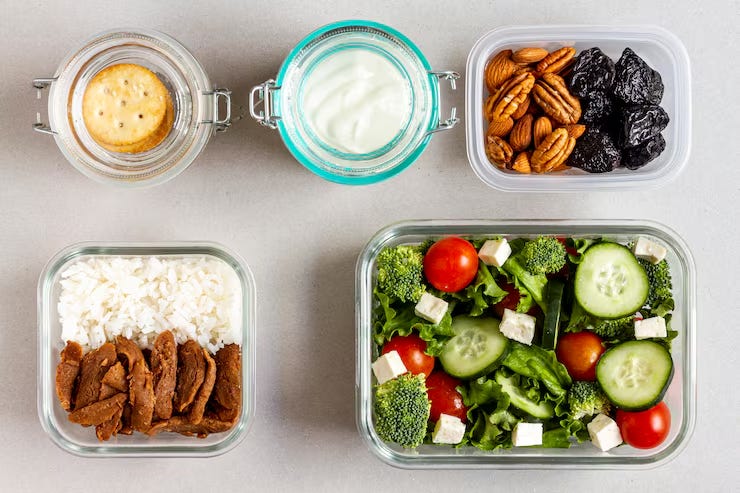
Bigger Portions Often Lead to Eating More
One key finding from nutrition research is that larger portions often lead us to eat more without even realizing it. Our habits around eating are influenced just as much by what we see as by our actual hunger. When we’re served on a large plate or presented with an oversized serving, we tend to keep eating simply because it’s there, not necessarily because we need more food. Over time, this can add up to extra calories and unwanted weight gain.
Understanding Portion Size vs. Serving Size
You may have heard the terms “portion size” and “serving size” used interchangeably, but they actually mean different things. A serving size is a standardized amount seen on food labels and dietary guides, which helps us compare nutritional information. A portion size, however, is the amount you actually choose to eat. Your portion might be smaller, the same, or even larger than the recommended serving. Knowing the difference can empower you to make better food choices without feeling like you’re restricting yourself.
Even Healthy Foods Can Be Overeaten
It’s easy to think that foods like nuts, seeds, avocados, and peanut butter are off-limits because they’re high in calories. But these foods are also rich in healthy fats and nutrients. The key is to enjoy them in appropriate portions so you can reap their benefits without overdoing it. The same goes for whole grains, dried fruits, cheese, and even homemade meals.
Portion Control Isn’t About Eating Less
A common misconception is that portion control means eating less all the time. In reality, it’s about consuming the amount your body truly needs. For some, this might mean eating more of certain foods, especially veggies, fruits, and other high-fiber items that fill you up without excess calories. The goal is to feel satisfied at the end of a meal—not stuffed.
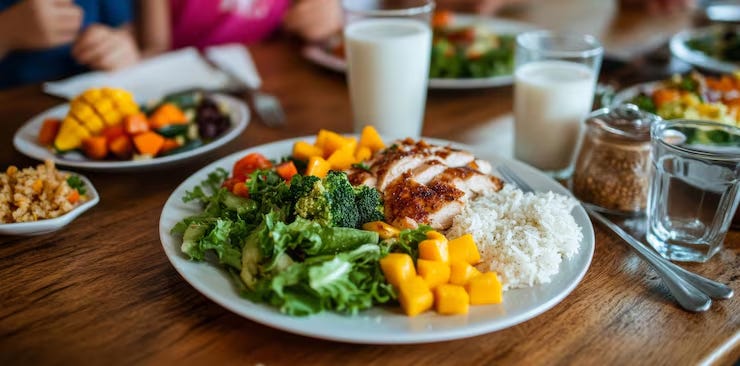
Simple Strategies for Better Portion Control
You don’t need to weigh every meal or count every calorie to manage portion sizes. Small, practical habits can make a big impact.
Here are a few tips:
Use smaller plates and bowls, which tend to encourage more suitable portions.
Fill half your plate with vegetables or salad.
Make sure to include lean protein and whole grains to round out your meals.
Serve food onto a plate instead of eating directly from large packages.
Take a moment to pause halfway through your meal and check in with your hunger—are you still hungry, or are you satisfied?
These habits can help you shift your focus from cleaning your plate to paying attention to your body’s signals.
Tune Into Hunger and Fullness Cues
Our bodies have a natural way of signaling hunger and fullness, but distractions, stress, and those oversized portions can make it tough to recognize them. Eating slowly allows your brain to catch up and notice when you’ve had enough—typically taking about 20 minutes for fullness to kick in. Enjoy your meal, chew your food thoroughly, and limit distractions like phones or TV, making it easier to stop when you feel comfortably satisfied.
Aim for Balance, Not Perfection
Of course, there will be times when you enjoy a big meal with friends or indulge in your favorite dessert. That’s a normal part of a healthy relationship with food. What really matters is your overall eating pattern, not a single meal or day. Being consistent with portion awareness will serve you better than striving for perfection with every bite.
Conclusion:
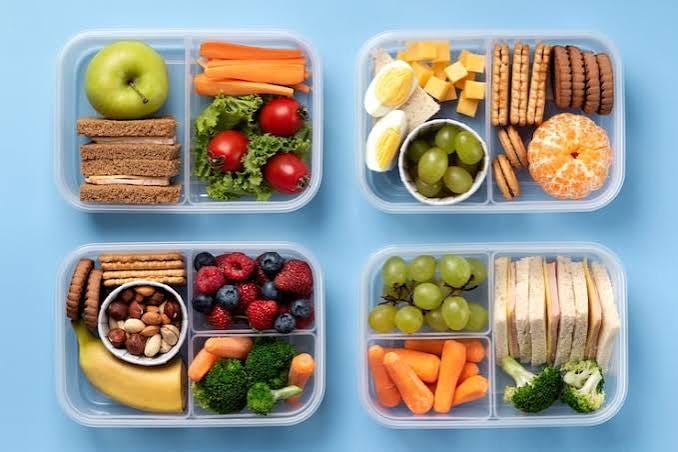
Choosing nutritious foods is essential, but how much you eat matters too. Larger portions can quietly increase calorie intake, while mindful portion sizes help support healthy weight management, balanced nutrition, and better awareness of your body’s hunger and fullness signals.
Rather than thinking of portion control as restriction, think of it as balance. Learning to recognize appropriate portions allows you to enjoy a wide variety of foods while supporting your long-term health. Often, it’s not about giving up the foods you love—it’s simply about finding the amount that works best for your body.
References:
https://pubmed.ncbi.nlm.nih.gov/16260137/
https://www.niddk.nih.gov/health-information/weight-management/just-enough-food-portions
No posts
Comments
Nothing yet. Say the first thing.
Sign in to join the conversation.