
Many years ago, I read an interview with Gabriel García Márquez in which he described how he had written The Autumn of the Patriarch. García Márquez explained that he had spent years reading every history of every Caribbean dictator he could, and then spent years forgetting what he had read. That anecdote has always seemed to me to sum up the essence of writing imaginative fiction about the past. Not all of us can blur real and fictional events, to the point where they become almost indistinguishable, as the great exponent of ‘magical realism’ was able to do, but all of us use history as our point of departure.
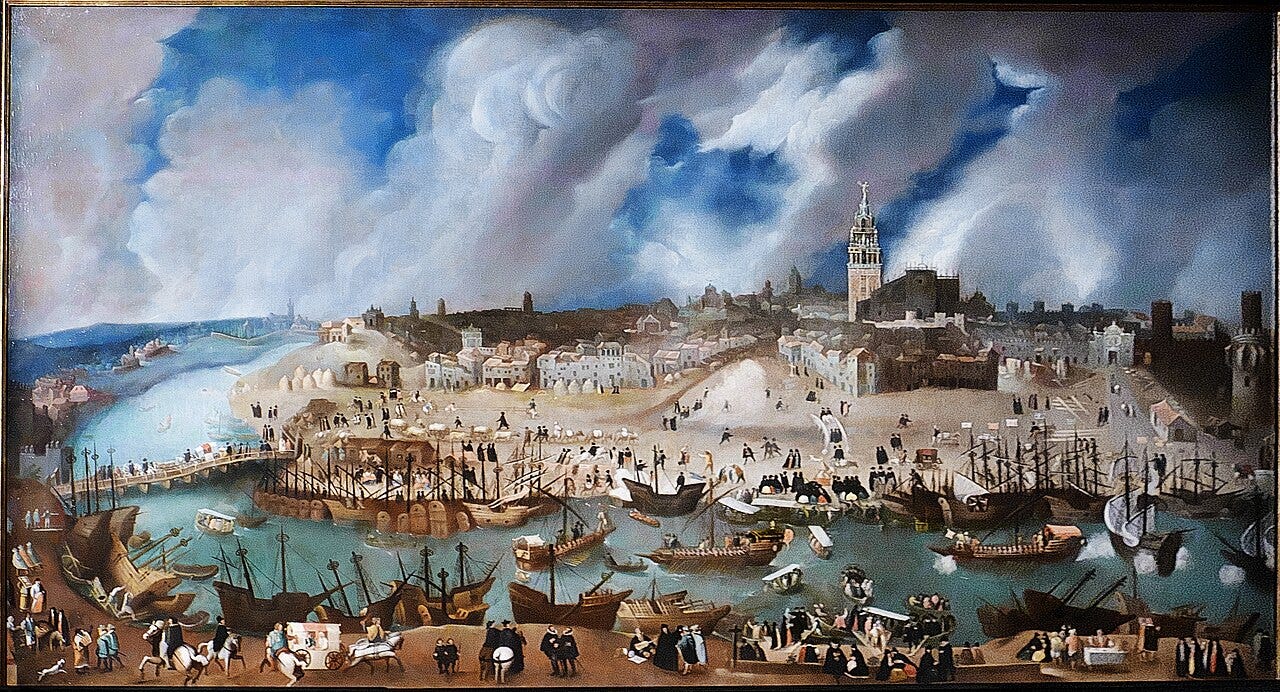
To write historical fiction, you need to do the research, and whatever you write needs to be grounded in that research. My historical crime novel The Emperor of Seville takes place in sixteenth-century Seville, the imperial city that sixteenth-century Spaniards called ‘the Great Babylon’, because of its reputation for vice, crime and corruption. The novel is a sequel to my novel The Devils of Cardona, and features the same central protagonists, and in some ways, it was more challenging to write than its predecessor.
When I wrote Devils, I had already done much of the initial research, while writing Blood and Faith: The Purging of Muslim Spain. I was also familiar with the Pyrenees, where much of the action takes place. In writing about sixteenth-century Seville, I had to enter a sixteenth-century urban world that was even more unfamiliar to me. I had to learn about the currents and shallows of the Guadalquivir River, where so many Spanish treasure ships came to grief. I read about how these ships were managed and piloted, about the extraction and production of silver, and the role that silver played in the sixteenth-century economy.
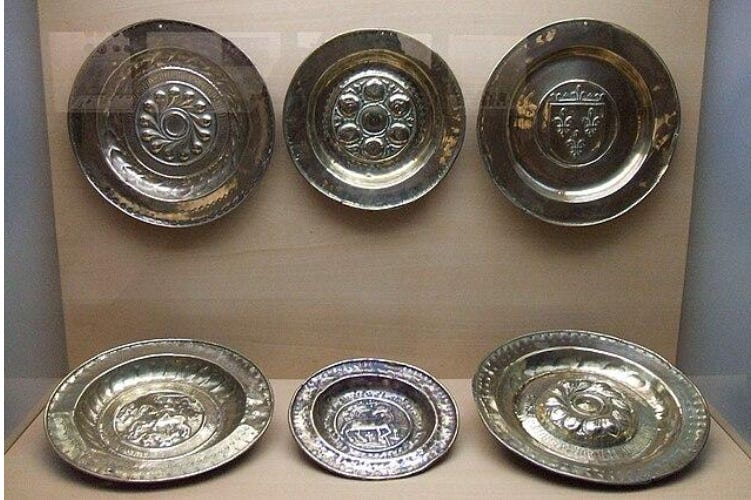
I was intrigued by the famous trade fairs, where so much sixteenth-century finance was conducted. Before I had written a word, I visited Medina del Campo in Castile – one of the great trade fairs of sixteenth-century Europe, and discussed letters of exchange, coins, and trade with the curators of the local trade fair museum:
I went to Valladolid, to visit the archives of the Royal Chancery - the hub of the Habsburg legal system in Spain – in order to gain some insight into what my main protagonist, the criminal magistrate Bernardo de Mendoza, was required to do on a daily basis. Philip II of Spain is an important protagonist in both novels. Following my trip to Valladolid, I visited the Escorial, because I wanted to see his bedroom and study, and the gallery where he walked with his daughters.
Last but not least, I visited Seville – not exactly a burdensome chore. Nowadays, the standard image of Seville is the colourful city of flamenco, tapas, and clacking castanets. Seville in the sixteenth century was a rougher place. I stayed in a sixteenth-century courtyard that became the model for the ‘corral’ controlled by one of the rival criminal gangs in my novel. I visited the House of Trade that once directed the Spanish maritime empire. I walked its corridors and galleries and imagined what people might have been doing in them.
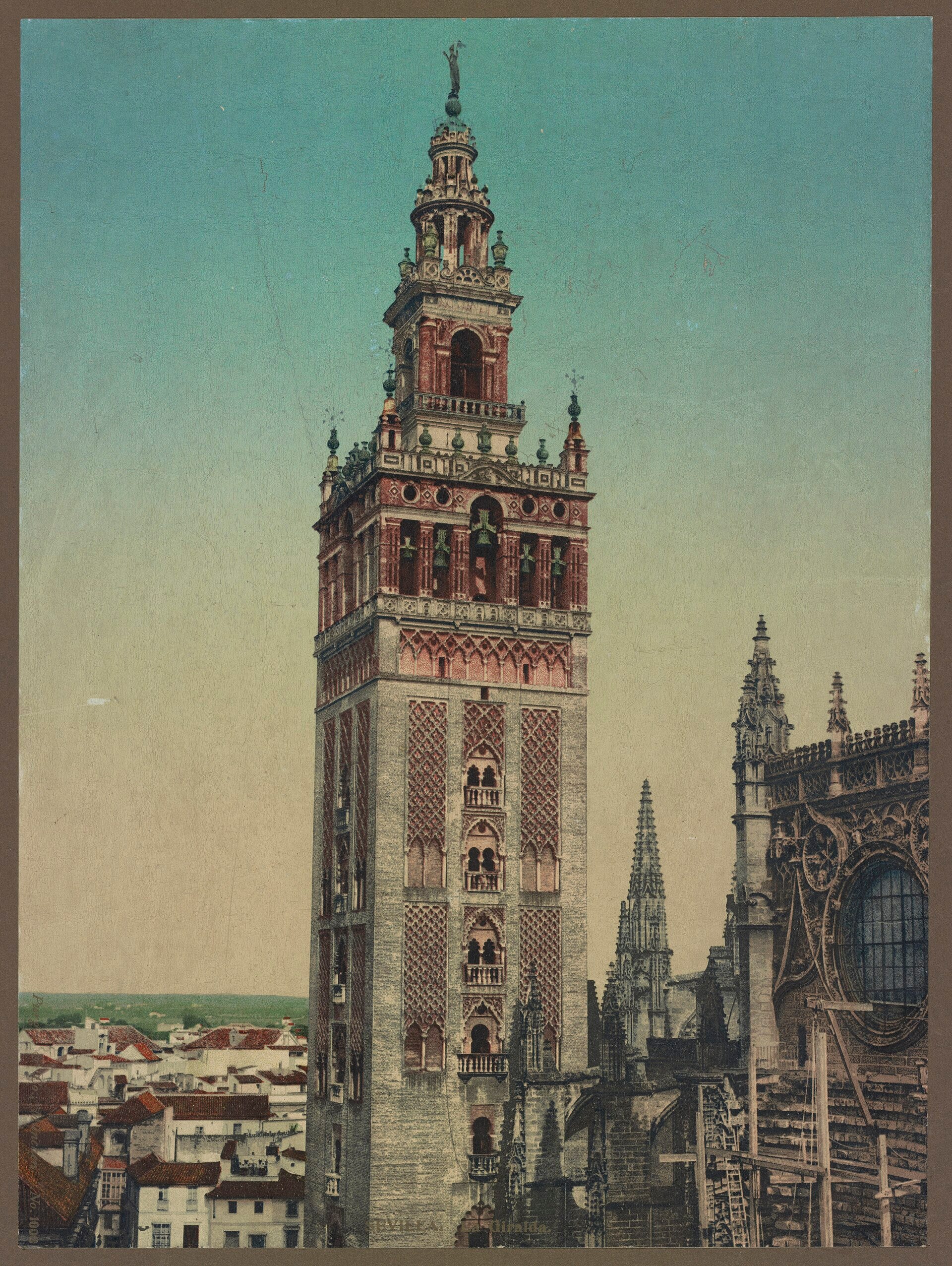
I looked at Murillo’s paintings of orphans in the local museum. I visited the site of the infamous Royal Prison of Seville, where Cervantes was imprisoned on at least two occasions. I read the two documentary descriptions of the prison, by the lawyer Cristóbal de Chaves, and the Jesuit priest Father Pedro de León. I visited the cathedral steps known as the Gradas, where bankers once made loans, and ship captains recruited their crews, and walked through the nearby patios that were once infested with thieves and swords for hire, where tourists now pose for selfies I visited the Arenal, the ‘Strand’ – once a sandy, marshy strip of beach alongside the Guadalquivir, where the treasure fleets were unloaded and refitted. A key scene in the novel takes place in the Giralda – the great Moorish tower alongside the cathedral that looms over the city. I climbed up to the top, and worked out angles and positions for the scene I already knew was going to take place there.
Finally, I sat down to write the novel. I did not entirely follow García Márquez’s method. I was not writing an experimental novel with a polyphonic narration, after all. The story I wanted to tell was built on what I knew, and also on what I didn’t know. In choosing to include real characters such as Cervantes, Philip II and Saint John of the Cross, I needed to have a rough idea of where they were and what they might have been doing at the time the novel was set. I knew that Cervantes had been to Seville various times, but there was nothing to suggest that he was in Seville in 1586 – the year in which the novel unfolds.
This meant that I could do what I liked with him. To write convincingly about the past, you need to understand the big ideas and themes, and you also need an eye for the minutiae of daily life. At the same time, you can’t allow yourself to become so bogged down in historical detail that it overwhelms the reader and distracts from the story you want to tell. In his essay ‘On Antiquity’, William Hazlitt reminds us that, ‘Things gone by and almost forgotten, look dim and dull, uncouth and quaint, from our ignorance of them, and the mutability of customs. But in their day - they were fresh, unimpaired, in full vigour, familiar, and glossy.’
This is absolutely right, and historical research by itself does not always show this. The beauty of historical fiction is that it can take the reader into worlds that are radically different to our own, and still give the characters they encounter – real or invented – an imaginative life in which they appear ‘in full vigour, familiar, and glossy.’
This is what I tried to do in both The Devils of Cardona and The Emperor of Seville, and I leave it to the reader to judge whether I have succeeded, but I hope the reader will enjoy these books as much as I enjoyed writing and researching them.
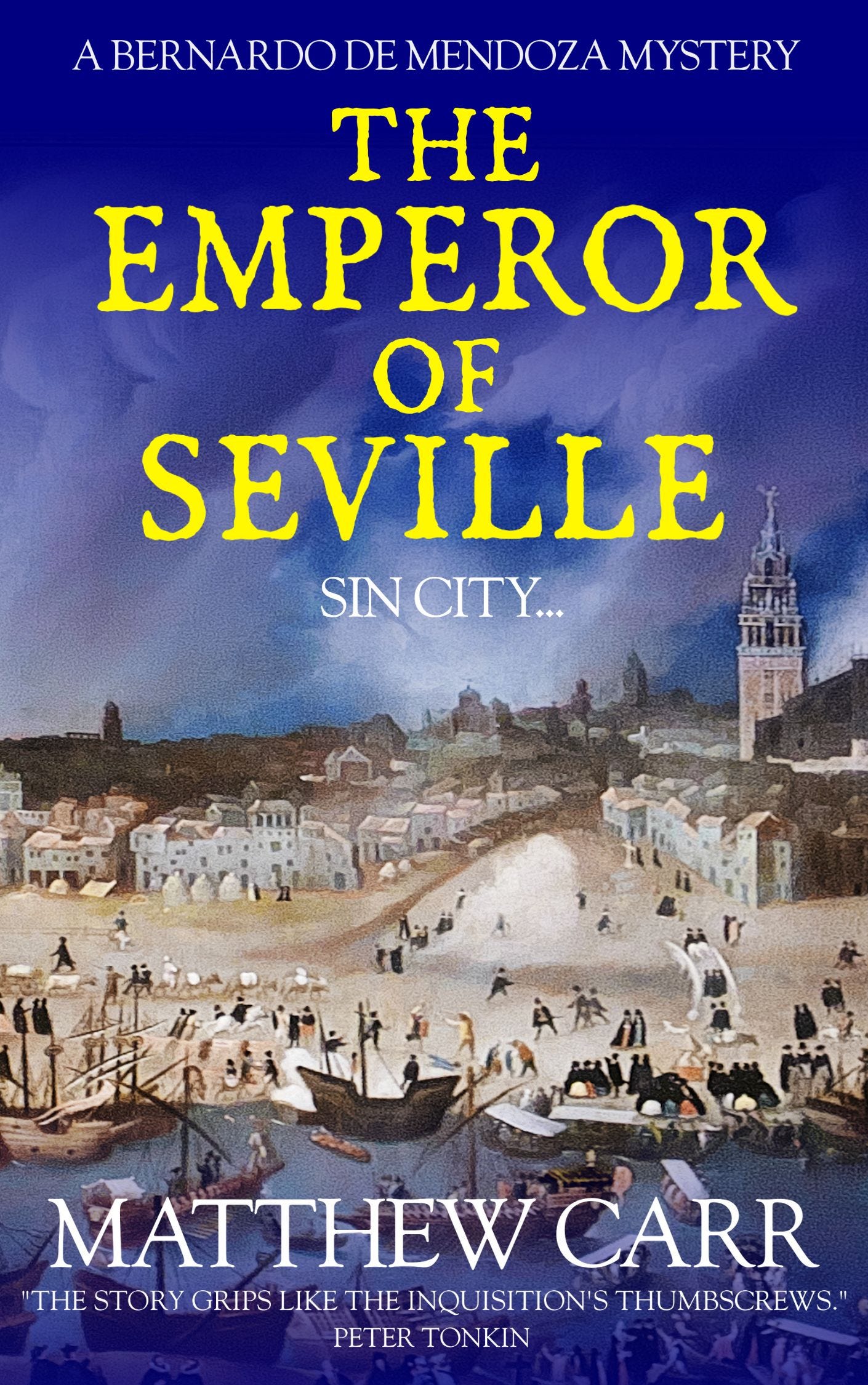
The Emperor of Seville by Matthew Carr is published by Sharpe Books and is available in paperback and ebook from Amazon
No posts
Comments
Nothing yet. Say the first thing.
Sign in to join the conversation.