
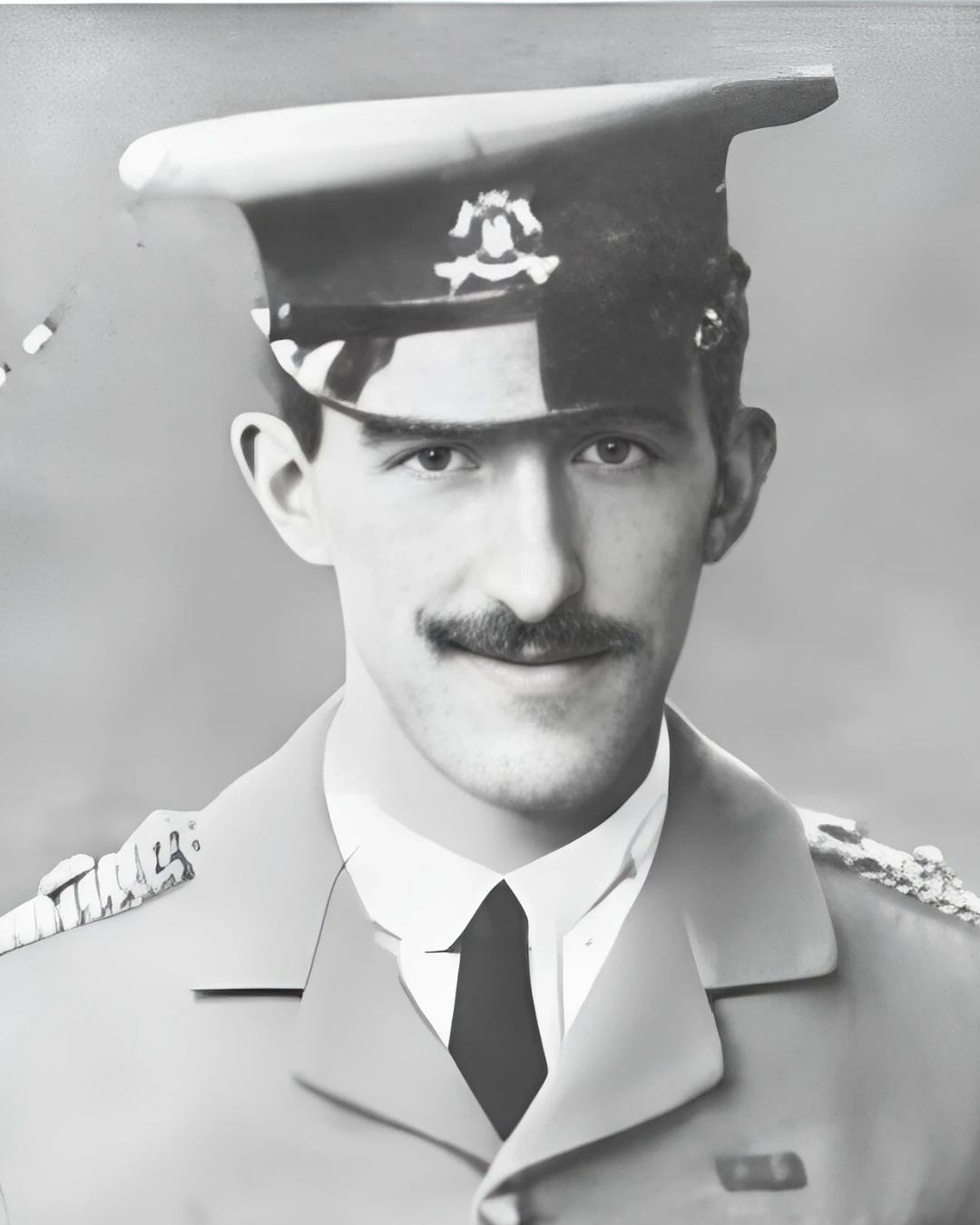
On 24th August 1914, three weeks after the outbreak of the First World War, Captain Francis Octavius Grenfell led the 9th Queen’s Royal Lancers at the Battle of Mons in one of the last full-scale cavalry charges in British military history. Having survived this action without injury, he immediately went on to rescue the guns of the 119th Royal Artillery regiment under heavy German artillery bombardment. With the troopers under his command, he manually dragged the guns to safety, after the teams of terrified horses had bolted. In the process, he got seriously wounded in the leg and arm. On account of his bravery, Francis Grenfell became the first officer to be gazetted the Victoria Cross in WWI, awarded to him in person by King George V at Buckingham Palace in February 1915.
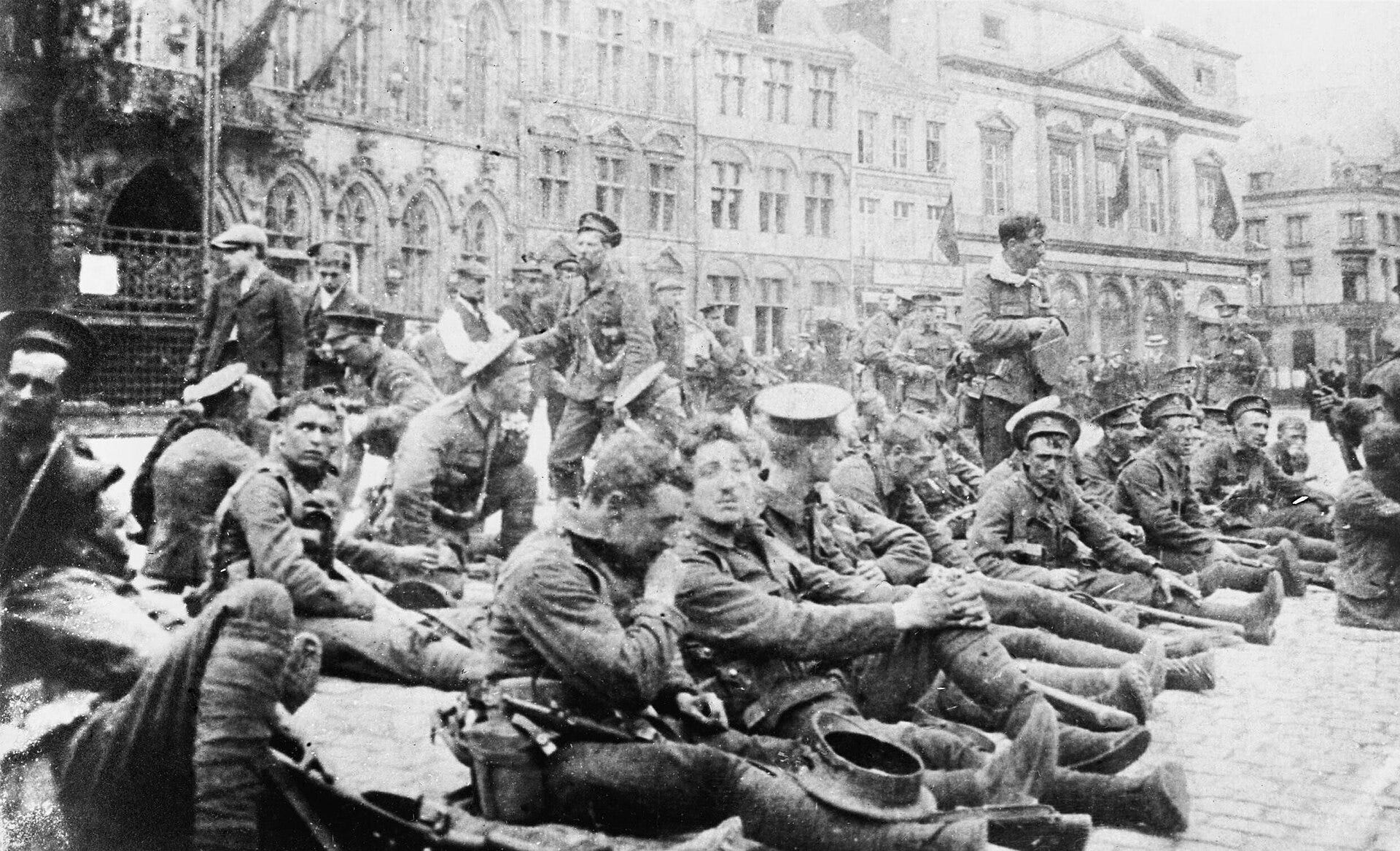
Wounded after his VC action, Francis managed to crawl to the side of a road, where he was miraculously picked up by none other than Bendor, the 2nd Duke of Westminster — one of his closest friends, and Britain’s richest aristocrat. The duke drove Francis to a field hospital in his own Rolls-Royce Silver Ghost. Bendor was serving as a volunteer RAC chauffeur for the top brass during the first months of the war. In September 1914, Francis’s identical twin brother Riversdale (serving alongside him as a brevet captain in the 9th Lancers) was killed on the Chemin des Dames ridge, near the River Aisne. A skilled horseman, Rivy had been a member of England’s national polo team. Having been seriously wounded a second time (hospitalised for months in Ireland due to a shortage of hospital spaces available in England), Francis insisted on returning to the front for a third tour of duty. On 24th May 1915, he was killed in the 2nd Battle of Ypres, exactly 9 months to the day after his VC action. Despite his Victoria Cross and personal connections to Douglas Haig and other WWI generals, Francis was never promoted above the junior rank of captain. Two of his cousins were killed during the same period, one being Julian Grenfell, the famous war poet who wrote the immortal ‘Into Battle’ poem. The twins’ memorial service took place in St. Peter’s Church, Eaton Square, in June 1915, which was attended by their cousin-in-law, Winston Churchill, and former Prime Minister Arthur Balfour.
The King’s Shilling and The Sovereign Coin novels — written by Simon Hirst and published by Holand Press in September 2025— are a two-part historical duology, set between 1912 and 1915. The story is told through the eyes of a fictional female protagonist, Michelle de Montfaucon, a young noble French girl with a troubled past. Dispatched over to England by her parents, she’s sent over in disgrace — to stay with the Grenfell family at their ancestral home, Wilton Park, near Beaconsfield. Life grows more complicated when the spirited young woman is introduced to Francis and Riversdale Grenfell, a dashing pair of identical twins; and both confirmed bachelors. When the declaration of war intervenes, time is not on her side, and she begins a desperate attempt to hold onto what she regards as so dear. This is a story of love filled with tragedy; yet infused with hope that the struggle is worthwhile, and that something ephemeral lies beyond it.
These two novels have been based on extensive research, one of the main sources being the posthumous memoir of the twins, written in 1920 by their friend, John Buchan (the celebrated author of The Thirty-Nine Steps). However, this book is very short and refers to names and places that are virtually impossible to discern. As a result, author Simon Hirst decided to first write a detailed illustrated history book on the Grenfell brothers that went far beyond the Buchan memoir. This contains hundreds of photographs and previously untold anecdotes. To establish the provenance of the story, Simon decided not to publish this book, but instead sent it privately to the descendants of family and friends of the Grenfell twins. These included Lord Julian Grenfell (senior family member and a great nephew of the twins), the 7th Duke of Westminster, the 7th Marquess of Cholmondeley (whose grandfather served in the 9th Lancers alongside the twins), King Felipe VI of Spain (whose grandfather was the Colonel-in-Chief of the 9th Lancers and a close friend of the twins) and Lord William Waldegrave (former Provost of Eton College and another great nephew of the twins). Simon knew none of these individuals personally, so he wrote them letters of introduction, alongside mailing them a copy of the history book. Much to his surprise, this resulted in extensive follow-on correspondence, revealing additional interesting yarns. Copies of this factual book were also gifted to the Victoria Cross & George Cross Association, The Officers Mess of the Royal Lancers, and the Macnaghten War Library of Eton College.
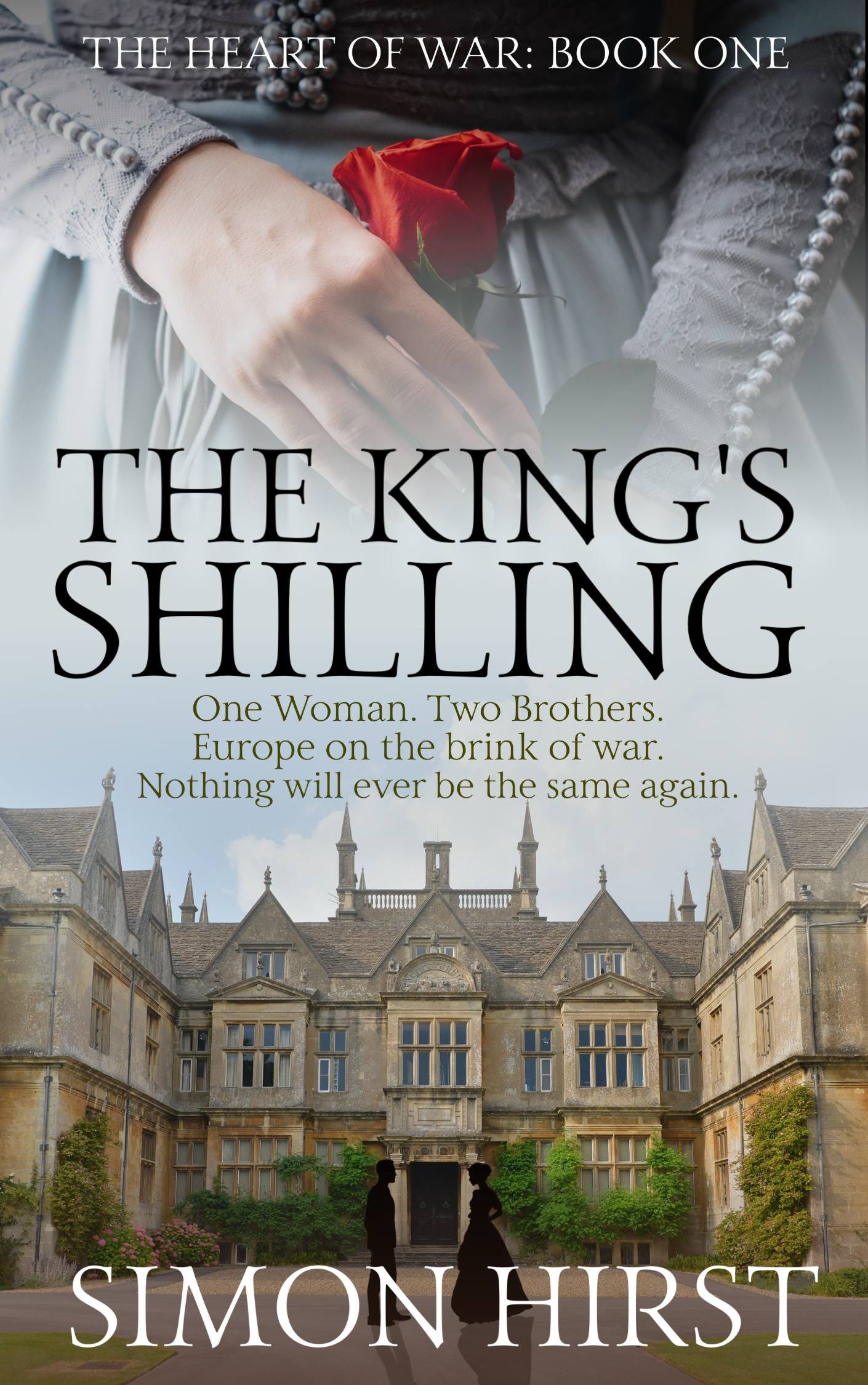
It is important to recognise that writing a historical novel for the first time is a completely different art from crafting a factual history book. This is because the story needs to be told strictly from the protagonist’s perspective and requires skilful narration and dialogue. Too many historical novels suffer from the facts crowding out the underlying story, thereby interfering with its natural flow. It should be said that the author would have found this to be an impossible challenge, without first having one-on-one mentoring sessions with two successful published authors, to whom he owes a great debt of gratitude.
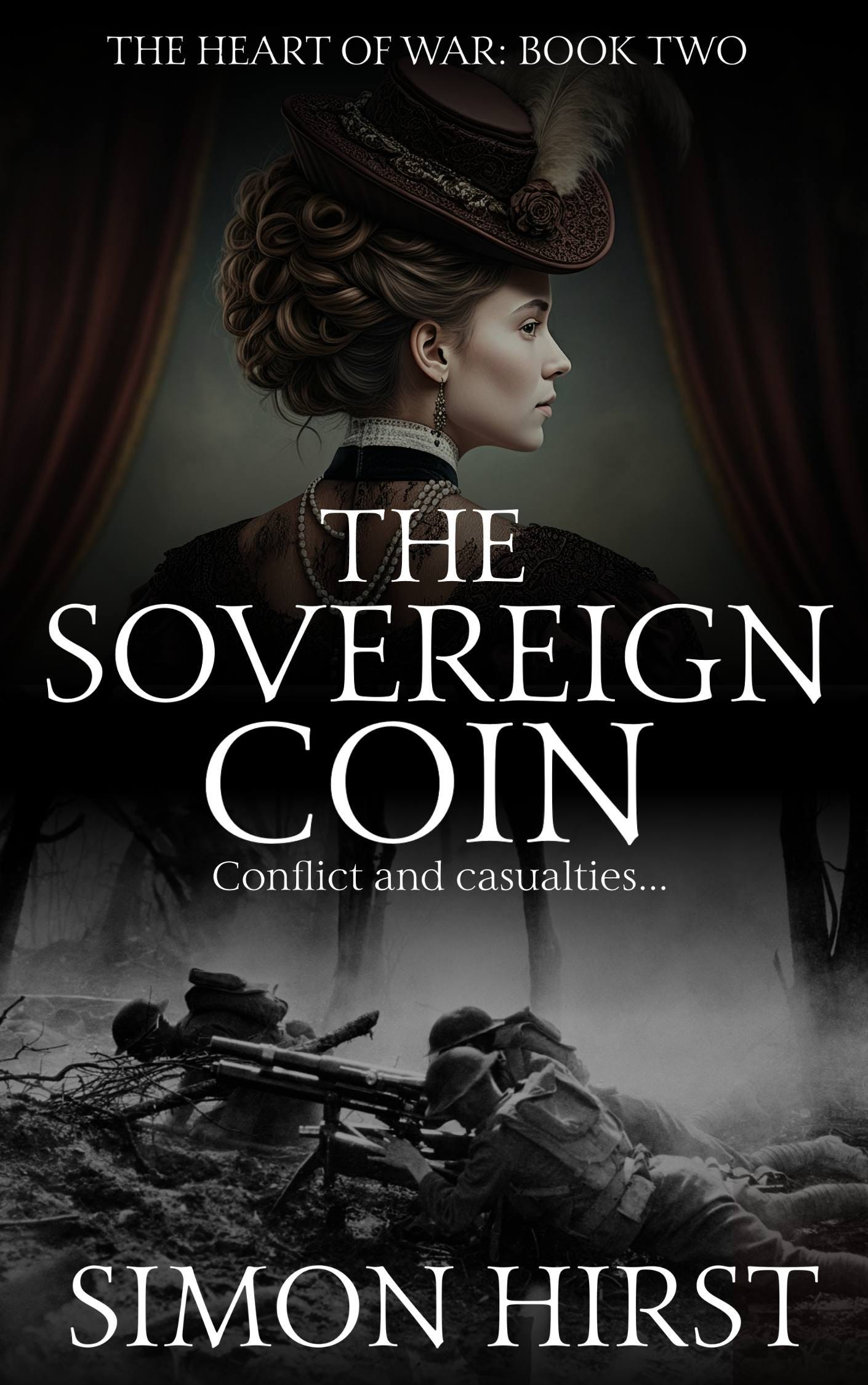
Simon Hirst’s two sister novels tell a tale honouring the bravery of that lost generation of young men. As such, they depart very greatly from revisionist WWI literature, which tends to deride these soldiers’ sacrifice as a wasteful war that served no purpose. It also reflects the mental ordeal experienced by the soldiers’ wives and girlfriends, who wanted them to honour their patriotic duty, yet knew they were unlikely ever to return home. As a personal email from 90-year-old Lord Julian Grenfell to the author stated: “I am glad that you tell the story through the eyes of those living through it. How could it otherwise be honestly written? It’s a terrible shame that, over the past sixty-five years or so, so many have based their limited understanding of how The Great War was viewed and experienced at the time, solely on the parodies presented to them by [authors and theatre directors] such as Alan Clark and Joan Littlewood.” Clark wrote a book called “The Donkeys” published in 1961, while Crawford staged “Oh What A Lovely War” in 1963. Lord Julian Grenfell is a great-nephew of the twins and is the grandson of Field Marshal Lord Francis Grenfell GCB, GCHG, PC (1841 - 1925), who was the uncle and legal guardian to Francis and Rivy. As many as 184 years span the 3 generations of Lord Grenfell’s on account of the 1st Baron having children in old age.
Simon Hirst was educated at Eton College and is a British former Open Scholar and First Class Honour student from Keble College, Oxford University. In the early 1980s, he was a Thouron Fellow of the Wharton School in the US, where he did his MBA. Having previously been a senior investment banker and the former CEO of London Stock Exchange-listed broker Durlacher Corp, he has spent the last ten years dedicating his life to teaching and writing. Based in the Usk Valley in South Wales, he currently serves as a Lecturer in Corporate Finance at Yale University in the US. He is also a Visiting Professor of 3 leading business schools in Europe. Simon also happens to be an identical twin, with his brother Julian sharing all of his education and much of his career. In 1917, both his maternal grandfather and great uncle won the Military Cross as serving officers in the Grenadier Guards, in separate actions on the same day on the Western Front. Both survived the war, and Richard Briscoe went on to become an MP and then the Lord Lieutenant of Cambridgeshire. Neither spoke much about their terrible experiences, but were proud to have to have served their country so courageously.
The King’s Shilling and The Sovereign Coin by Simon Hirst are published by Holand Press. Both books are available now on Kindle & Kindle Unlimited
No posts
Comments
Nothing yet. Say the first thing.
Sign in to join the conversation.