
Hey Everyone, this article covers my recent trip to France🇫🇷. You can read the full piece below, listen to the audio version of the article above, and for members here, you'll be getting the video vlog version delivered to you sometime next week. Love to everyone in here, and I hope you enjoy the piece ✌️❤️.
---
The history of great artists and creatives is full of retreat.
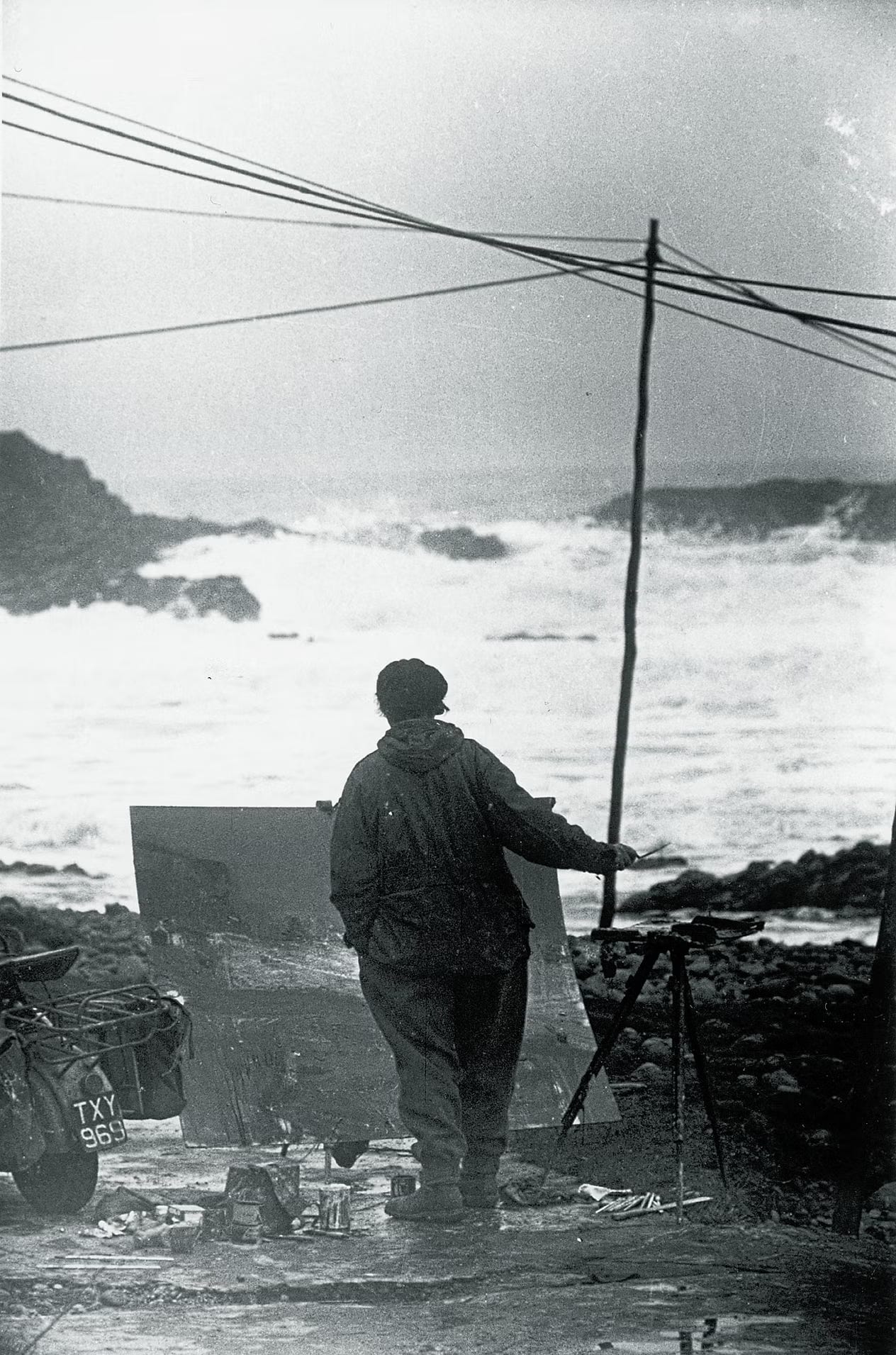
This call for disconnection, is one that many feel from time to time - the desire to escape the noise of the everyday, and find some environment or new way of being that opens up barriers, and lets deeper types of presence and focus present themselves.
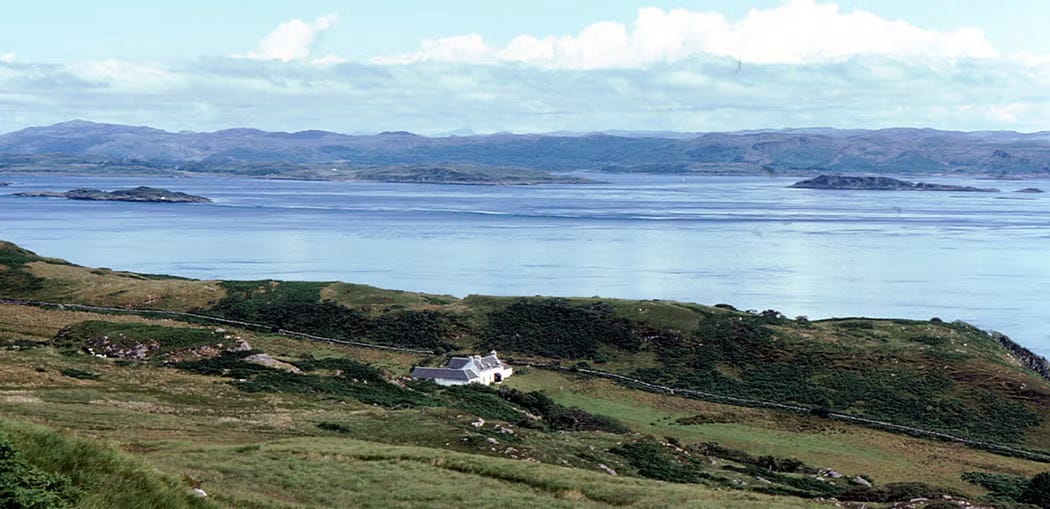
Whether we’re discussing a writer like Orwell, who built a wide understanding of the human condition through his travels, then escaped to the remote island of Jura to realise his final, powerful novel ‘1984’…
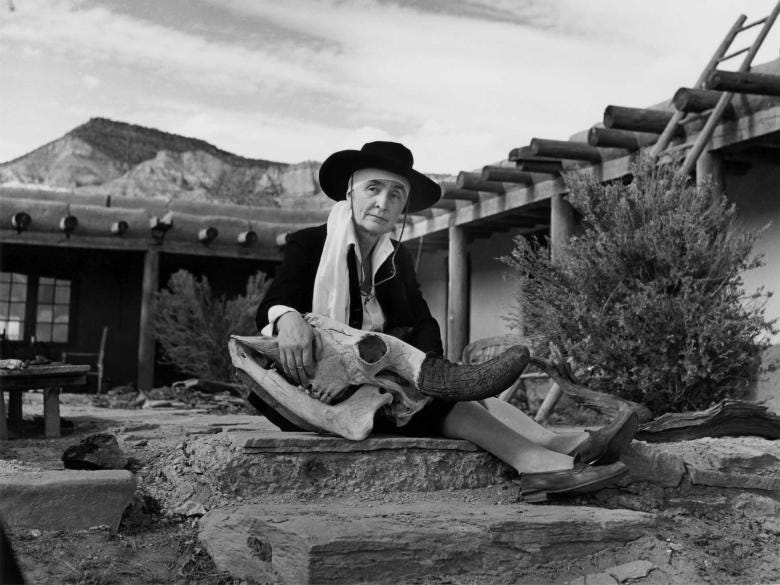
or perhaps an artist like Georgia O’keefe, who’s radical steps beyond the forms of painting that had been handed to her, were reflected in her step away from the city life, and into the more remote landscapes of first lake George, and later New Mexico - creatives have proven time and time again, that sometimes they need retreat… And so might you.
And maybe you’re sitting there thinking - but I’m not a famous artist and these stories don’t project too well over the realities of my own life. Well yeah I get it. But one of my goals with these pieces, is to ground the lives of famous creatives in reality, not as huge models that dwarf our own possibilities, but as places to find direct inspiration and kinship.
So I wanted to form my own, manageable creative retreat, share some stories of creative travel along the way, and hopefully inspire some others to find their own path into this too.
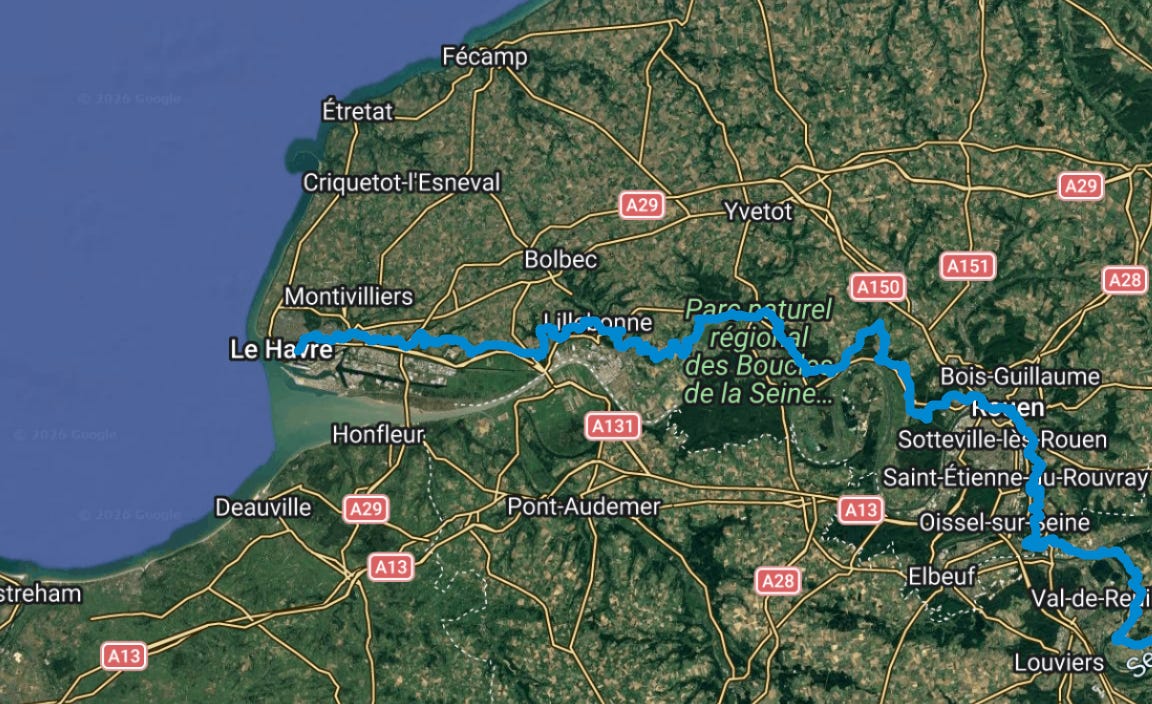
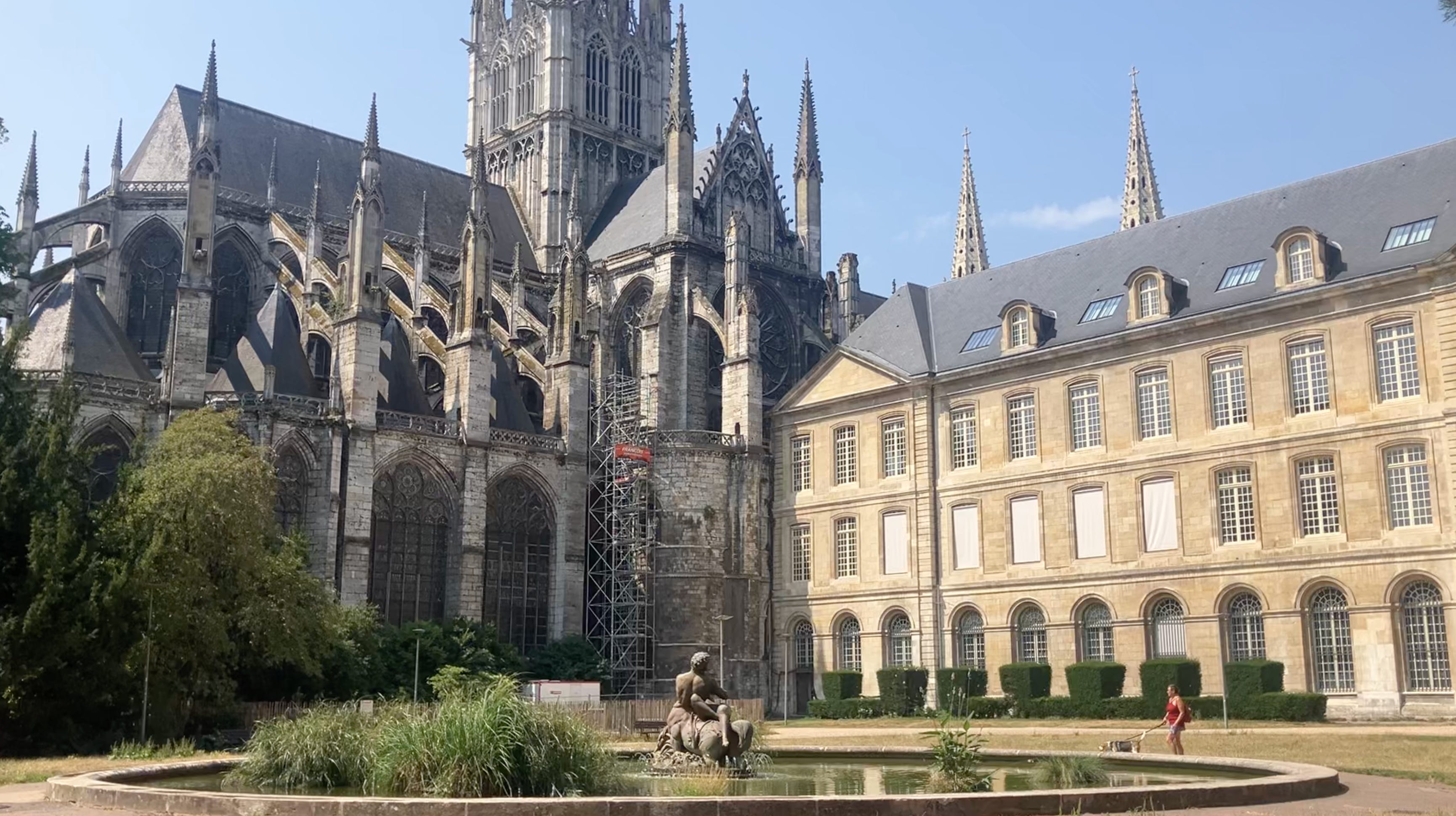
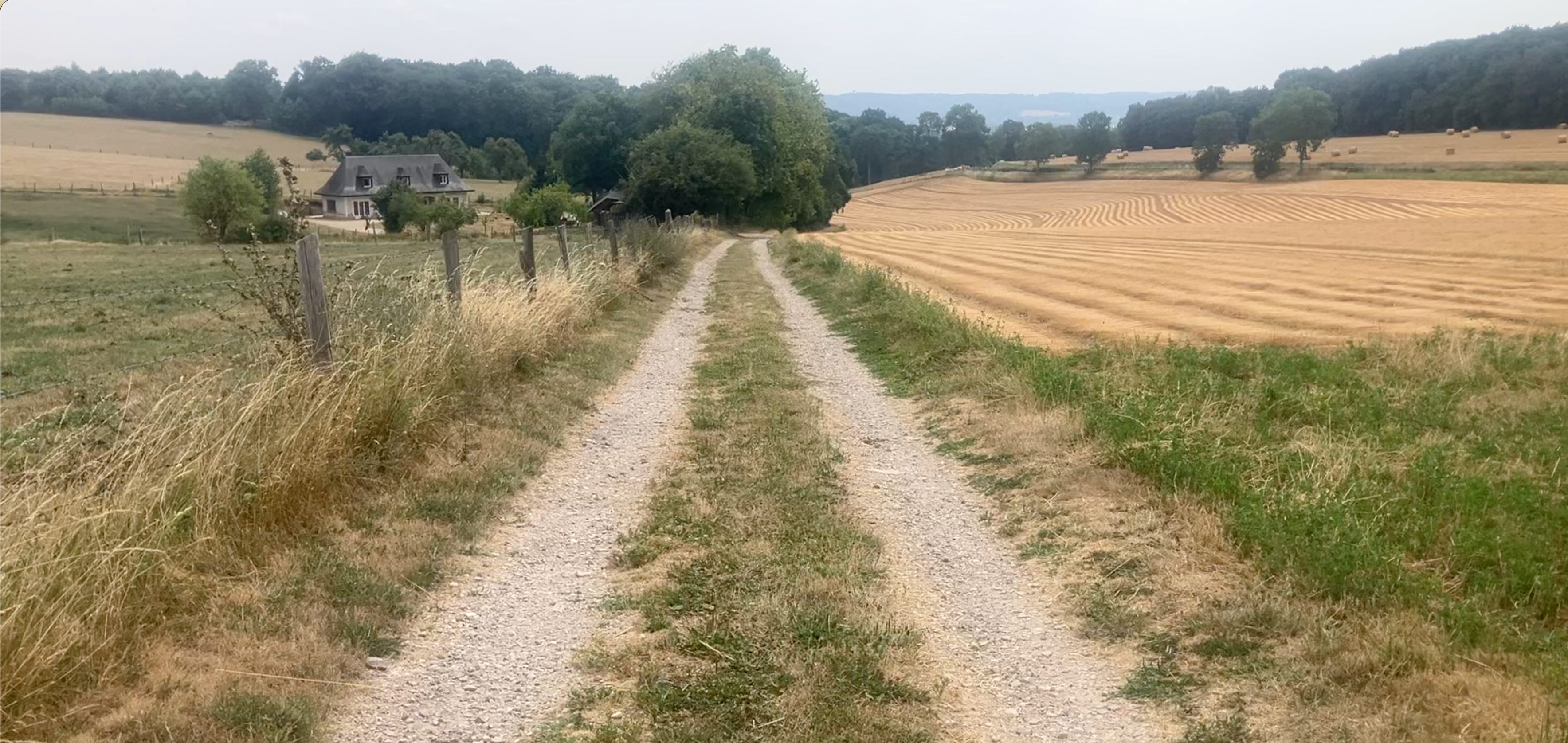
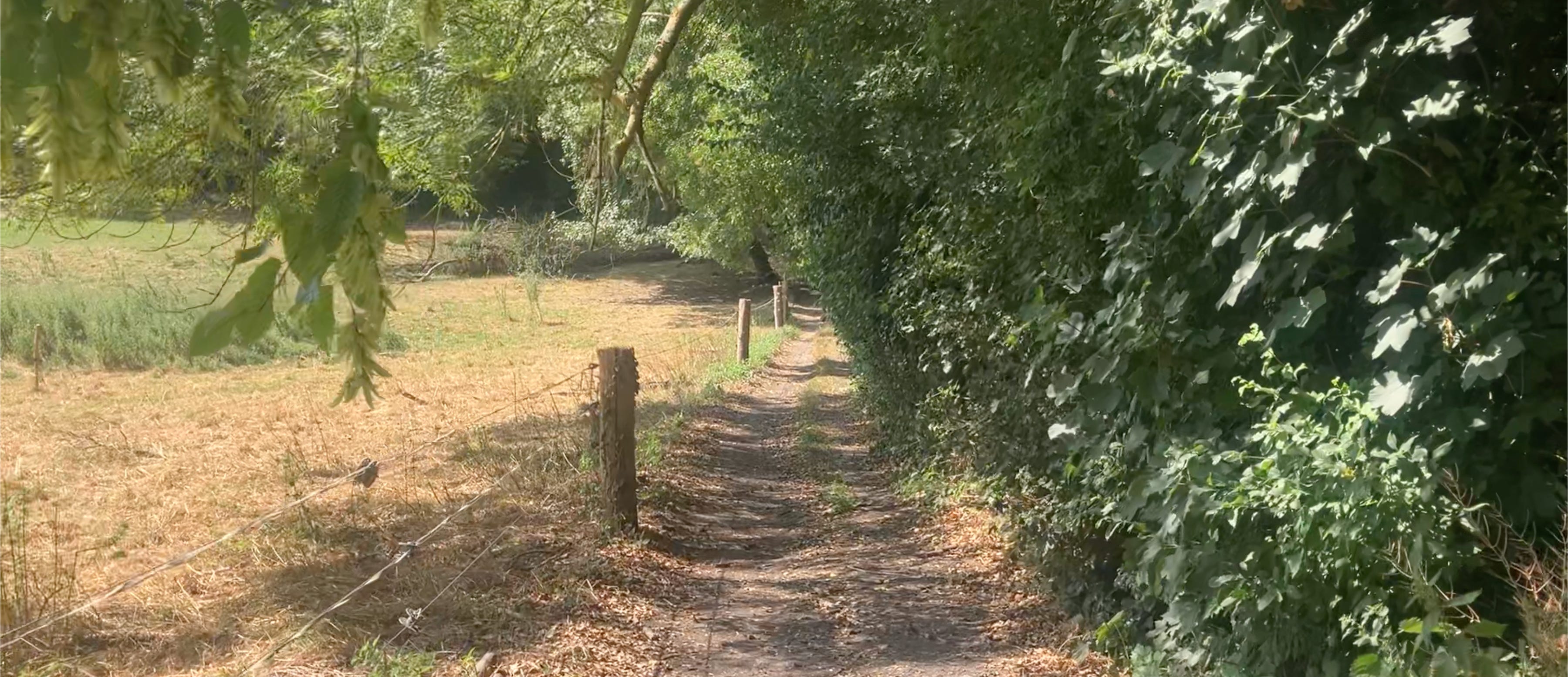
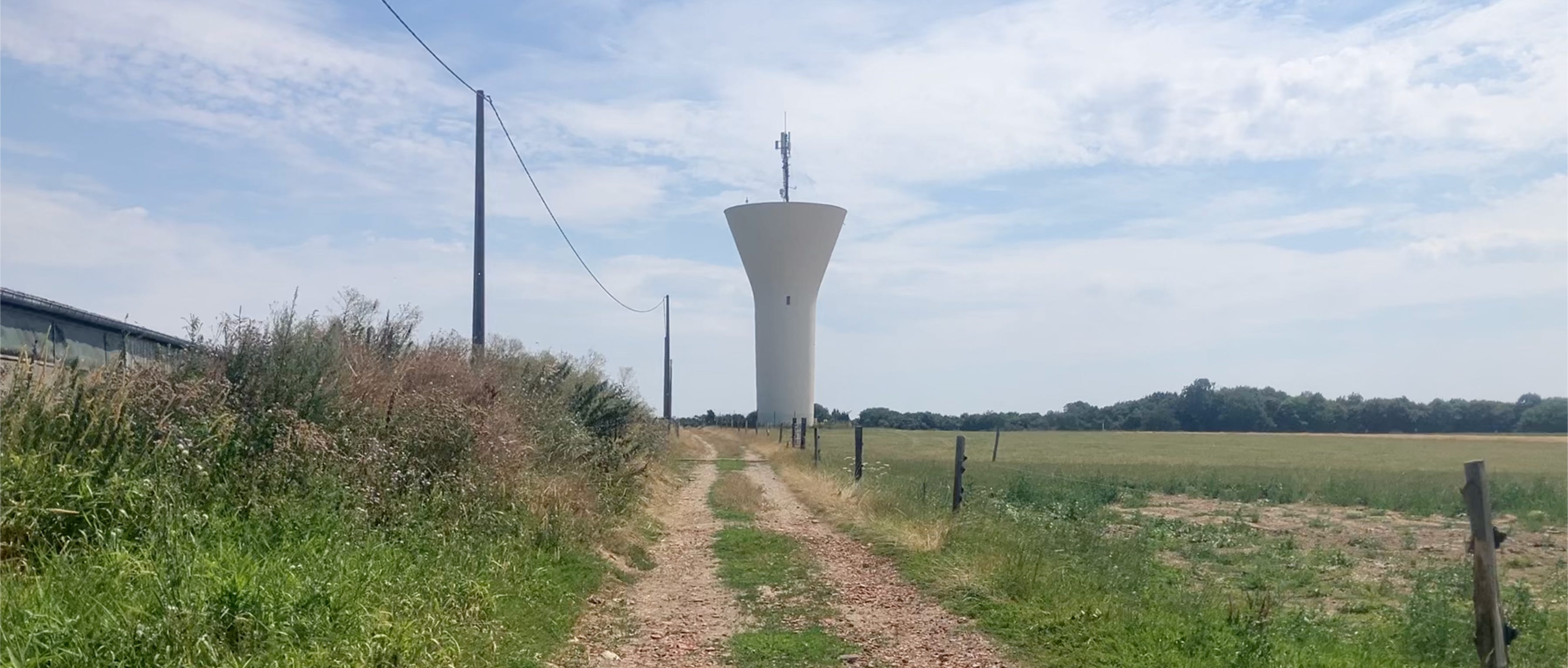
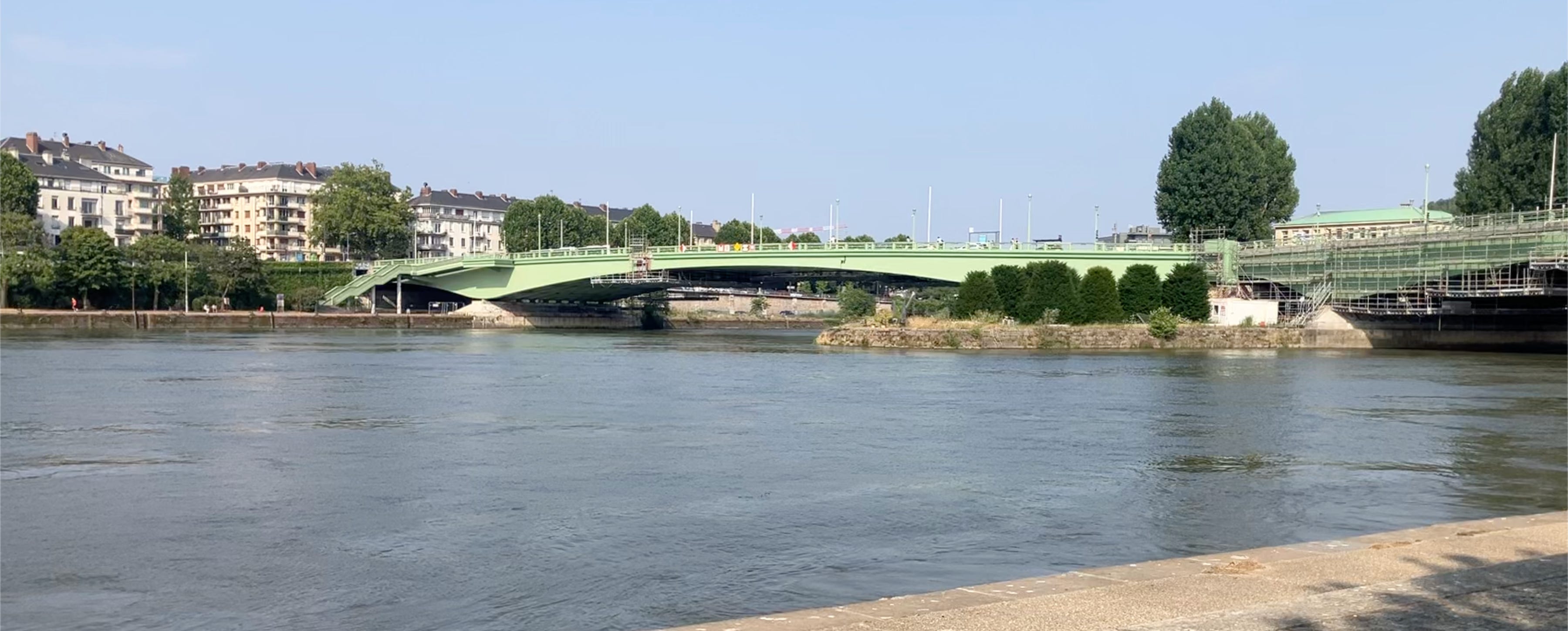
And as for my journey - in the end I took some inspiration from a recent video I’d seen, showing someone walking the GR2 from Le Havre to Paris. And I planned to walk myself, starting in Le Havre, then working my way along the Seine to Rouen, where I’d set up in an Airbnb for some further time for writing.
Now as we know these days, you can access modern life anywhere you go. Somewhere as we speak, there’s a budding artist sitting on a beach in Goa, hoping for fresh and new experience, whilst lying in over-ear headphones and listening to their favourite podcaster.
For this reason, a retreat in 2026 requires rules. And for me, it would be pretty simple. Apart from books and some music, the social media and life admin would stay at home for a week, and my headphones would stay at home too. Especially in the first few days I’d be spending long periods walking, and I wanted these to be a mental reset, not treated like a workout, or soundtracked by my usual Spotify playlist.
I’d be recording a few vloggy bits for my video and keeping up with any necessary work on an IPad that I borrowed. But other than that, my time would be spent working on my creative projects, including a big, sticky, piece of fiction, which I’d been trying to get back into for awhile - as well as trying to be open to other ideas or thoughts that could come throug h too.
To See It As It Is
‘Other painters paint a bridge, a house, a boat. I want to paint the air in which the bridge, the house and the boat are to be found’ - Claude Monet
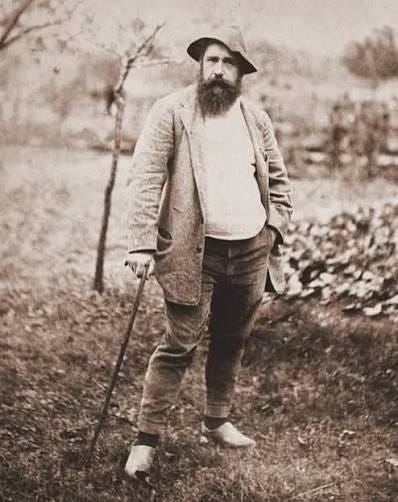
Claude Monet was born in my starting point of Le Havre, and was a great painter of the Seine river. I was watching a documentary about Monet and the impressionist painters before I went, and it was said, that unlike their predecessors, the impressionists painted scenes of real people and everyday life.
To do this, the movement was synonymous with plein air painting - taking their canvas outside into the world to work. And when thinking of travel or retreat, we can think of it through this same lens.
When we change our environment or habits, we are creating opportunities to take our work (and ourselves) out into a new world, to remove the blurred vision that can come with regular routine and familiar spaces, and find the world as it is, afresh.
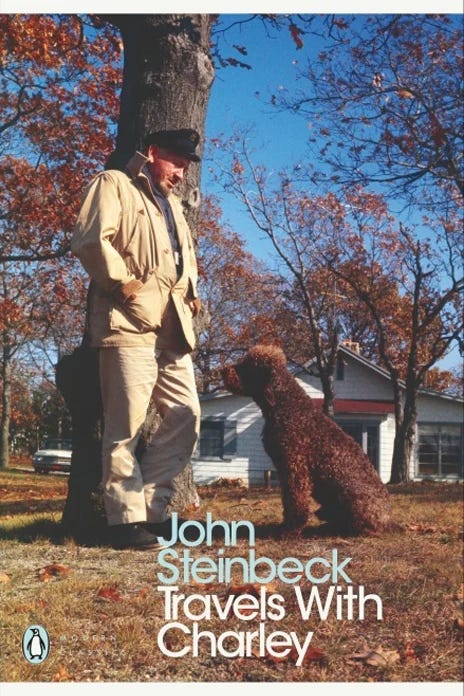
In his highly recommended travelogue across the USA, travels with Charley, John Steinbeck sets out to remind himself first hand of the country he’s been trying to capture in his novels - setting up a small van, and going around the country with his dog, looking to update his sense of place.
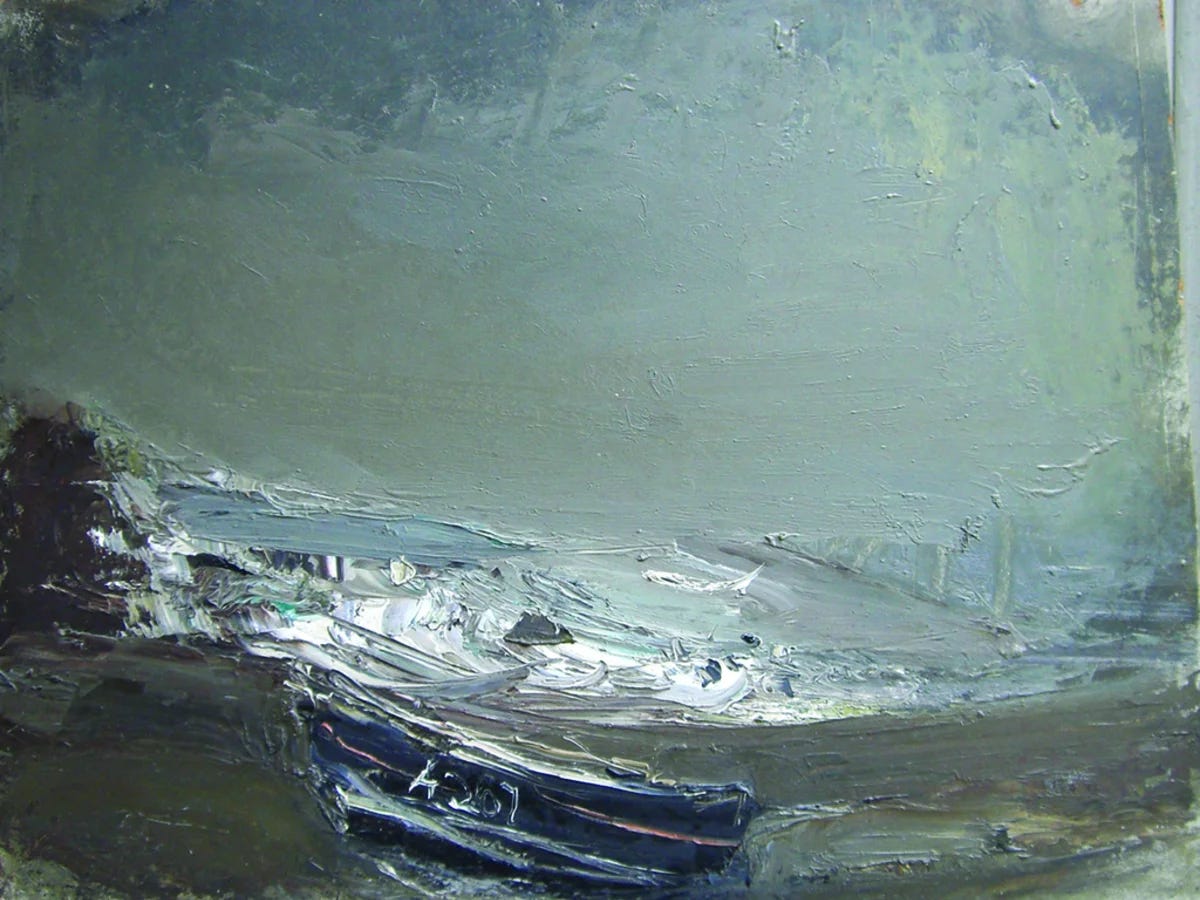
And when Scottish painter Joan Erdley took her easels to the wild coastline, infamously using an old boat anchor to weigh her painting equipment down in all weather, wasn’t the goal of seeing and experiencing things as they are - as opposed to how society or our socialisevd selves constantly colour them - a major part of her call?
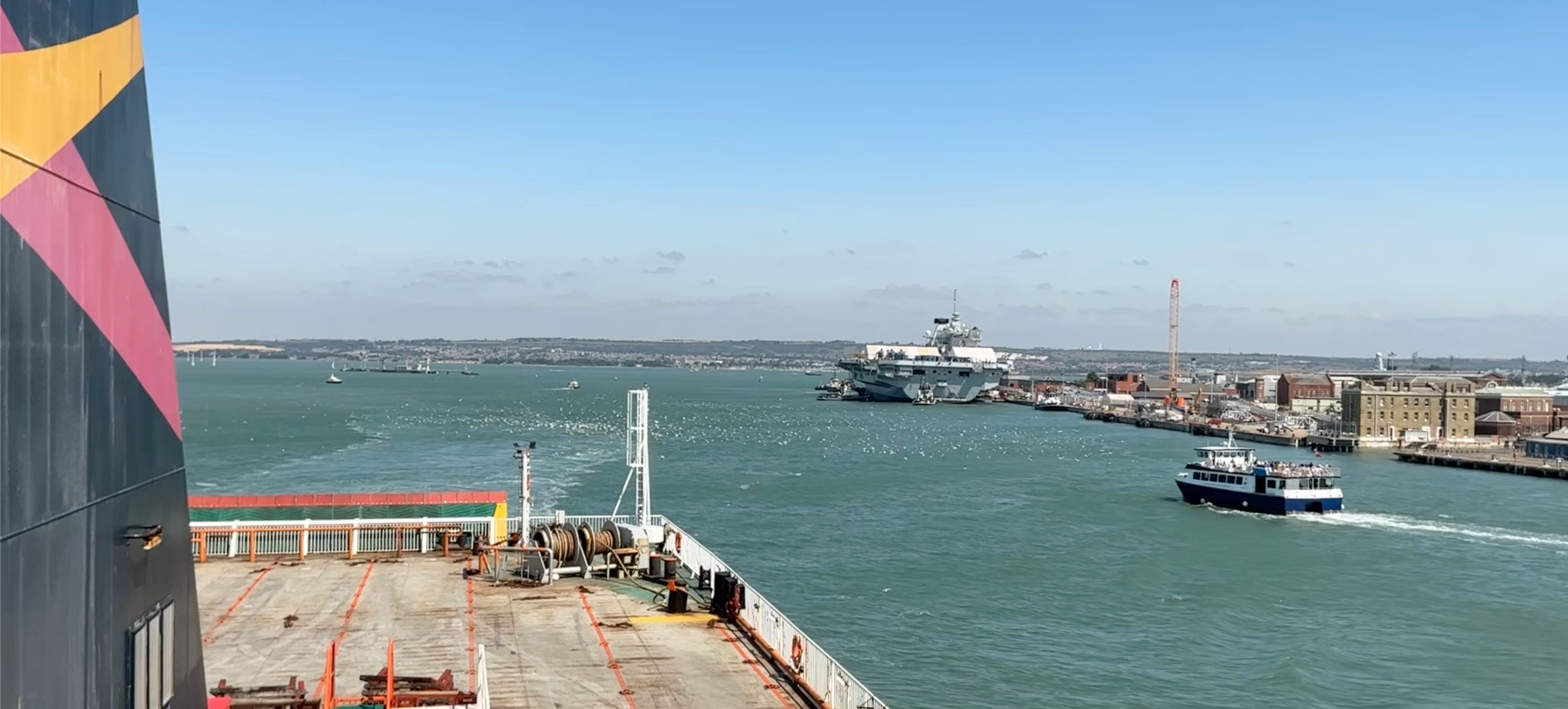
As I left the port in England on my own trip, I remembered the journey I took after the Covid lockdowns. As artists (and people) it’s interesting to realise the long lasting effect the pandemic lockdowns might have had on us. That great shutting down between ourselves and the world, when the silos of our own personal realities were at their most individualised and isolating.
That trip I’d taken after Covid had been longer than this one, with less structure and a more virulent throw into different experience and the unknown.
This trip would be more measured. But a little older now, and a little more rooted in the responsibilities and routines that age can (and most often) will bring, I was hoping to be more aware of the gift of a full week to get away, and be in some new places, with my creative work as my focus.
Things Do Come Up
Werner Herzog wrote of his journey on foot from Munich to Paris
‘The world reveals itself to those who travel on foot’…
And by day 2 of my own journey, things were slowly being unveiled to me. I was remembering agin how sleepy rural France can be, how you can walk all day and find only hairdressers and pharmacies that are open, and how I could manage to sweat through 4 t-shirts in 8 hours.
After a long day and a slightly uncomfortable night, I woke up on morning two genuinely feeling like I’d made the wrong decision. Honestly, I had wanted to go home. But it wasn’t the discomfort that was the problem really. It was what the loss of routine, and what the lack of my usual distractions were doing to my mental state.
We all carry things around with us, baggage in our lives, ways we might feel about ourselves, or things we’d love to change but can’t, and these will arise pretty quickly when we lose our usual routine and certainty, and start to lose a bit of sleep or miss a shower or two even.
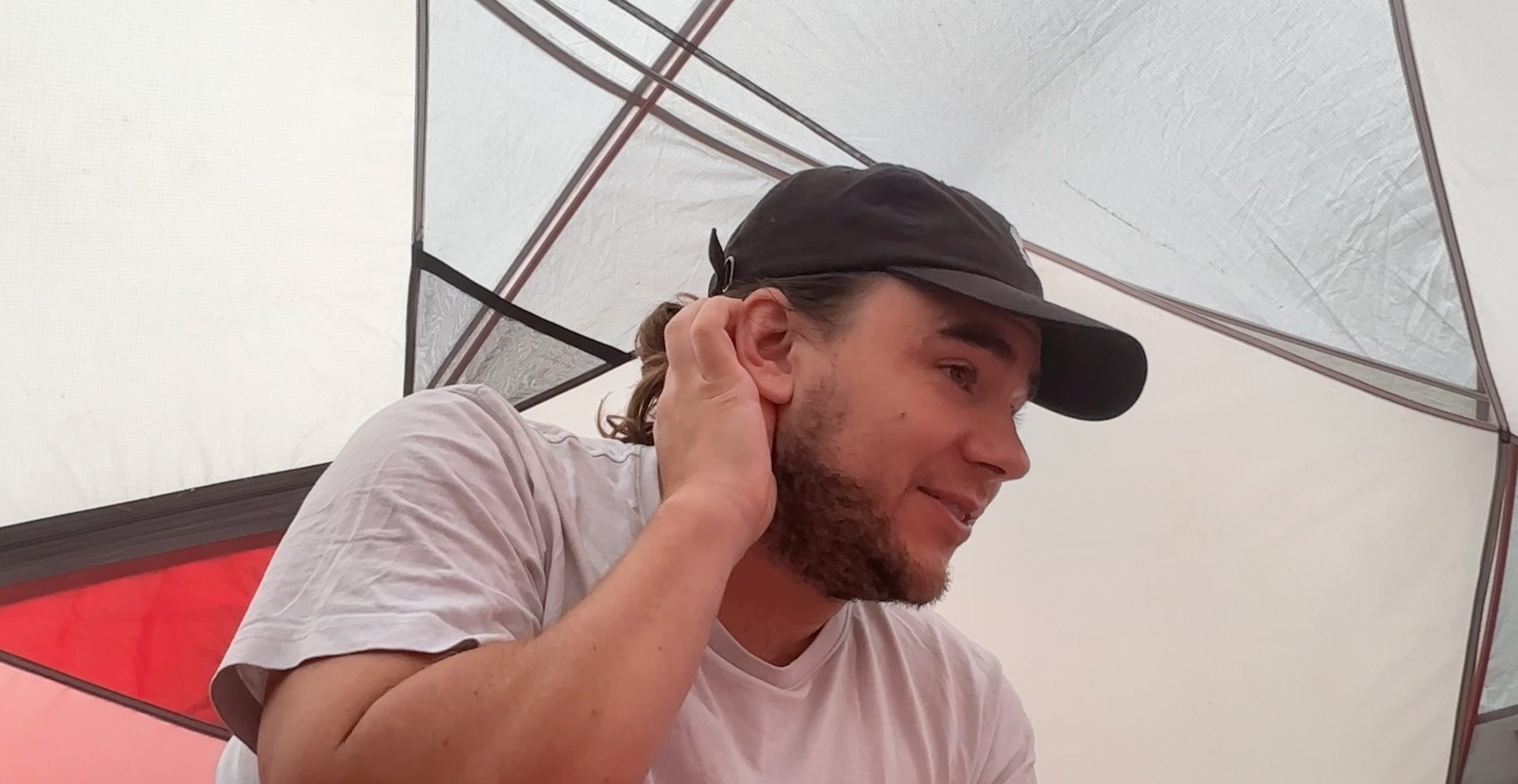
I’m talking about the reality of escape here.
Because what I don’t want anyone to do, is to create a week for yourself to paint everyday somewhere you’ve always wished to, then get there and find, now you’ve secluded yourself from you daily stressors and routine, the space that’s been created is being filled with those deeper levels of stress, as opposed to the work and thinking you’d wished for.
At the start of any retreat or trip, you might find a moment of resistance. You might find a place where things don’t feel right, or feel a bit hard, and you have to kind of let go a little, and remember the intention that drew you out here.
My first few days on trail were testing me in this way.
I had run full pelt at my little adventure, and fallen pretty quickly onto my face after doing so. Then, after packing up my tent - feeling sorry for myself - I had descended a steep wooded valley, heading for the cathedral town of Lillebonne.
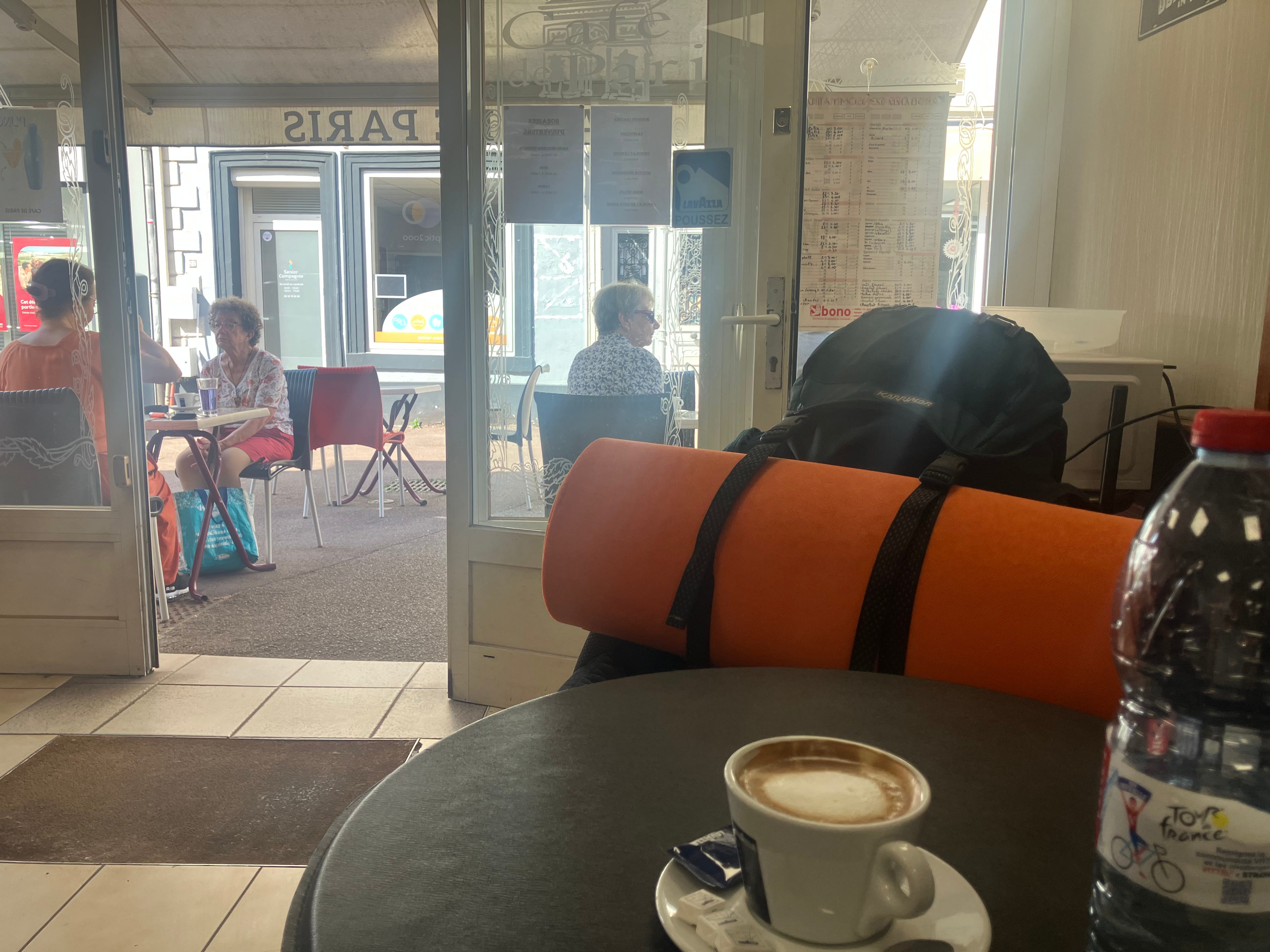
Yes my feet hurt and my back hurt, but my spirits were lifting somewhat with the movement, and on arrival, I had headed directly into a cafe on the square, where I ordered a drink, and sat as the crowds changed from trades people, to leisurely friends, smoking cigarettes whilst the world passed by.
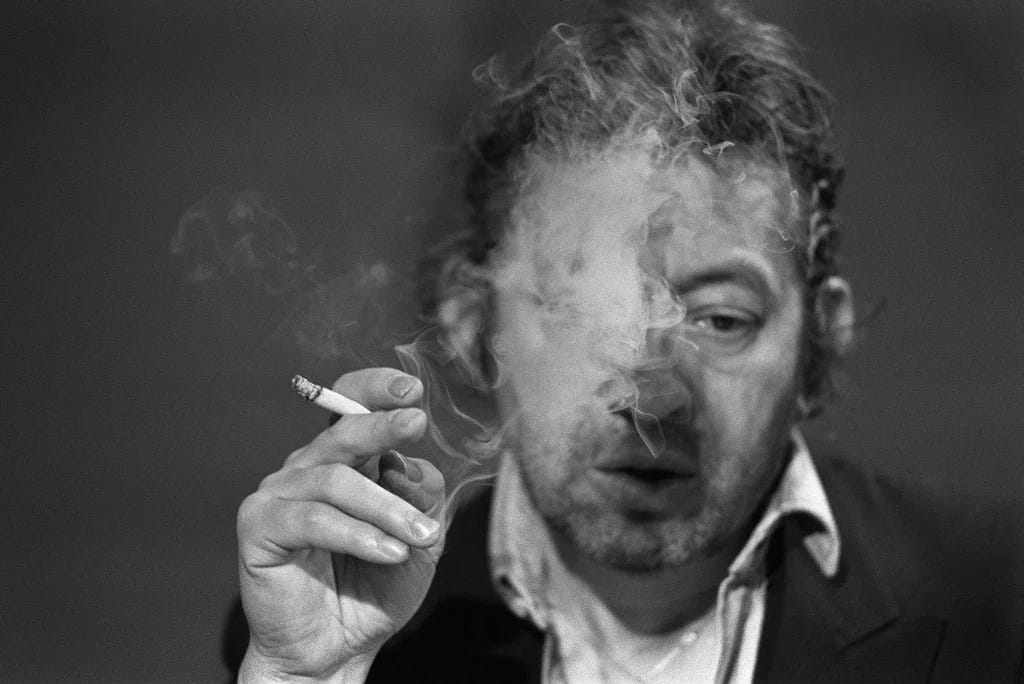
As I sat there, I thought about one of my favourite French songwriters Serge Serge Gainsbourg, I thought about how I needed to send my driving licence to the delivery job as soon as I got home, and I thought about a travelogue that I’d first read at the impressionable age of 18.
The travelogue was written by Alistair Humphrey’s, about his mostly solo cycling adventure he took around the globe in his 20s.
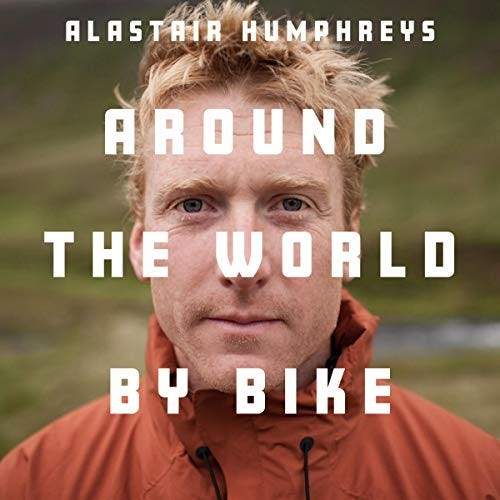
And there’s a moment from that text that always comes into my own mind when I’m away from home, and struggling with these early kinds of resistance that we might want to look out for.
Alastair is laying in a hotel room. He’s sick, tired, and missing his partner and life back home. And he’s considering calling it quits.
And then he goes to sleep, has some food and feels better. He realises, that the time away from home needs to have a different set of rules. If he was tired he would sleep. If he was hungry or thirsty he would eat, drink, and rest.
The resistance came from taking his old baggage and old ways of being, and thinking they could translate to being on the road. Being away, he’d need to form these new lines of philosophy and ways of being. And actually, that was the point where real discovery could start…
The Time For Big Chewy Projects
On the evening of day 3 I would reach the small Airbnb in the cathedral city of Rouen.
As a very happy loner, this slightly disconnected state, in an unfamiliar city and with my work to do, is my happy place to be honest.
But as I approached the city I realised that I needed to protect myself from sitting back into the ways I’d be at home. With WiFi at hand, I could easily make it just so familiar. But in this later half of my trip, I was resolute to protect the creative boost of being away, and make the most of my time.
The project in question, was perfect for this kind of retreat model, because it needed the added capacity which being away would allow me. I first started working on this story in my MA, and it has followed me ever since. And after re-writing the first chapter, and submitting it to my writers circle last month, I was picking it up again to ‘this time finally finish it’.
In short, I needed to put the burners on, and hit a kind of escape velocity with the project, and having this focused time to do so would allow me that.
So here were the two forms of my own retreat - first the walking on the road, and the movement and unfamiliar experience, then the staying in the small apartment in Rouen near the cathedral. And this mix of movement and a stable place to work, was good for me, but we all have different ways a creative retreat might serve us.
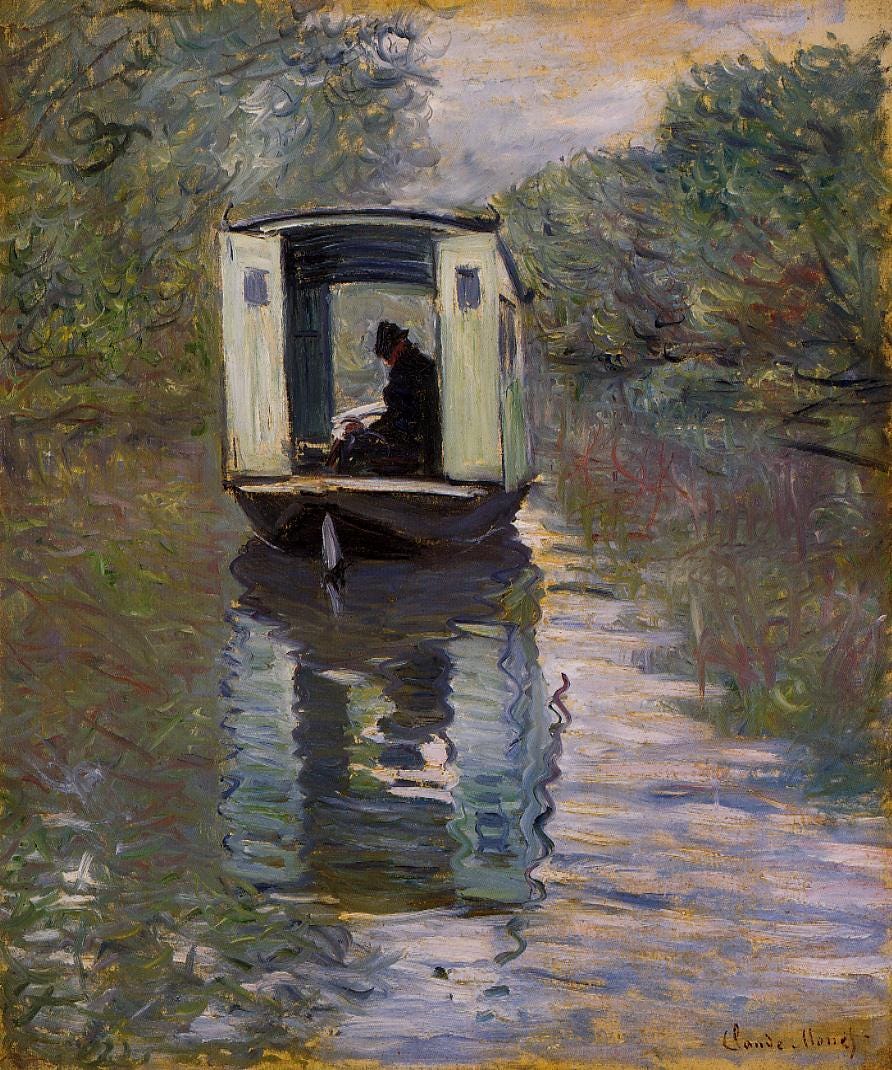
Maybe you simply want a room, with a balcony, where you can setup your painting and challenge yourself with a new work daily?
Or a quiet caravan on the coast for a week, where you can finish that music project you’ve had hanging over you for two years?
Or maybe you’re stuck entirely and looking for completely new creative drive and ideas, and you need to move into something of pure exposure and new experience, where you’ll only take a small notebook to record anything that might arise?
Whatever your particular requirement, the urge for retreat can lead us into all kinds of living and working formats. And it might be a case of exploration as to what works for you, and letting new routines form slowly over the first few days of stepping out.
Weighting The brush
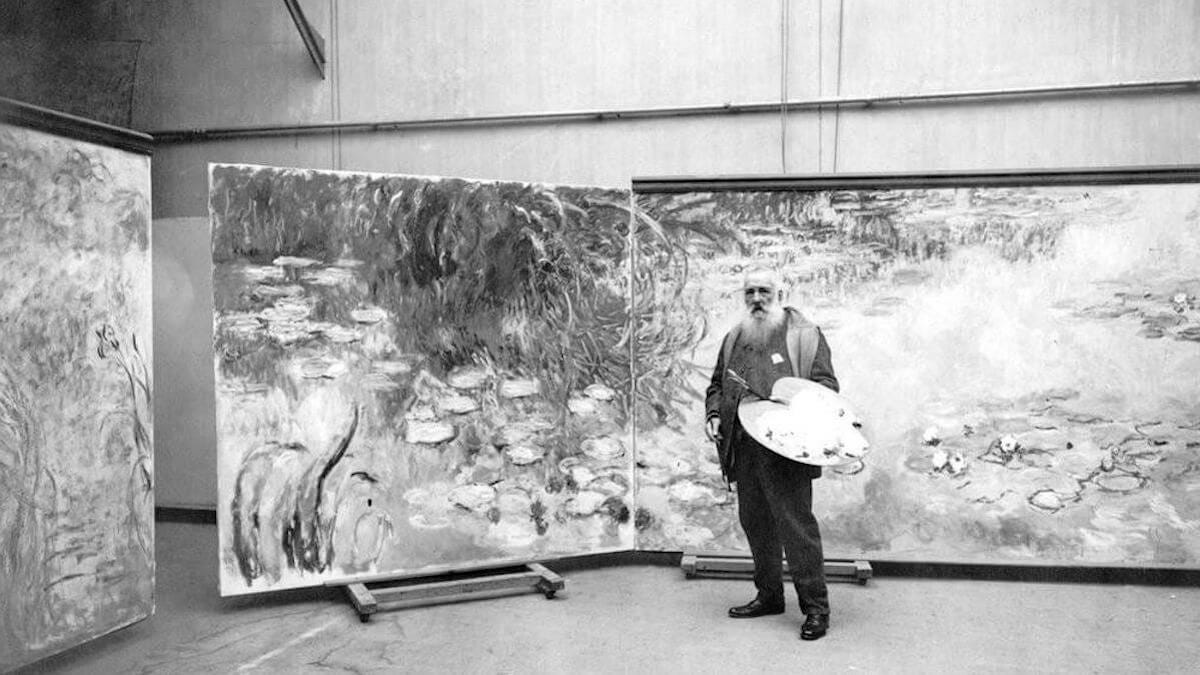
To finish this piece, I wanted to return to its central figure, no not myself, but Monet. Monet did that most inspirational thing that some artists show us, he kept getting more and more expansive and interesting, as he grew older.
In the final part of his life, Monet painted the giant waterlily canvases, based on the solitary views of his own pond and large studio at Giverny. By looking deeply towards nature, and away from the art world, Monet was trying to develop a new, immersive form, with the extra large canvases displayed in a circle around the viewer.
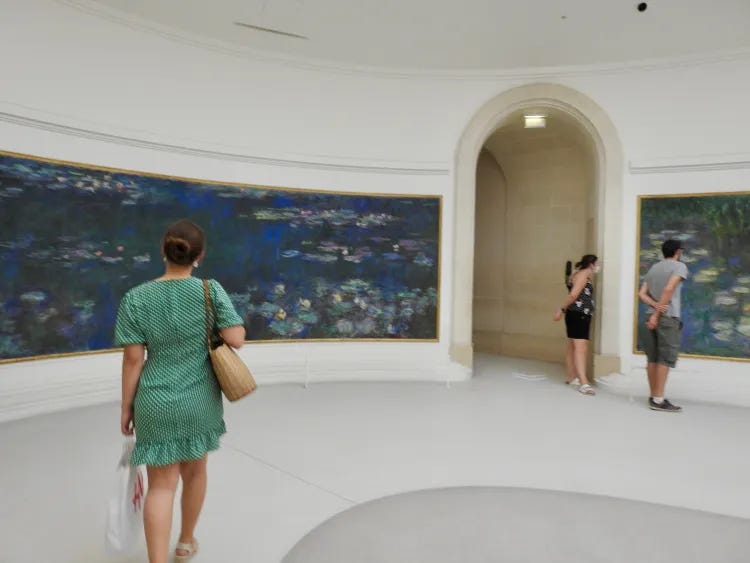
Now as I said at the top, I know we can’t all base our whole lives around our art or creative passions. But when we ring fence our own retreat, to challenge us to paint a piece everyday, or to write a certain amount, or make music in a new landscape or unfamiliar culture, we are weighting our brush with a heavier ambition and drive for when we return too.
On my final full day in Rouen, I was out having a very slow run in the early morning, letting all the other, far fresher and more high-octane runners pass me by on the river. And I settled into my pace for an hour or so, ambling past old steel pier after old steel pier, with some sort of seabirds standing in rows facing down river.
It was then that a few lines of writing came into my head, and I sat down and started a new piece, letting what was in there come through.
When I share that piece at an upcoming spoken word night or someplace else, I don’t know if people will like it or not, but I will know that it’s about something real that happened, and that it was born out of a feeling and a place that emerged kind of naturally. For me, however that piece goes, or is received, I know that it has some innate quality, because of how it came about.
There were other immeasurable things that came from my time away too. There were parts of myself that came up, and thoughts and stories that went through my head, which wouldn’t have if I didn’t go. And I also did some reading that I didn’t expect to either. On the final day I read the entirety of Albert Camus’s essay ‘Create Dangerously’, and was also reading up on EE Cummings’s work around writing process, including ‘Letters to a young poet’. I also revisited some of the stories and works included in this piece. And the reading, the music, my own writing, and the thinking - everything was altered from my usual routine. Not necessarily for better or worse, just different, and carrying that slight change of direction that becomes immeasurable over time.
Perhaps as we close we could circle back onto O’keefe too. When Georgia O’keefe escaped the consuming culture of the city life, for the wide expanses of New Mexico, she too found a place to expand the possibility of her work.
And just like O’Keefe, I hope that my own retreat, and perhaps some of yours, can be a catalyst towards more curiosity, and maybe something new. To push us slowly to take a risk - one that feels like a new step, and over time, and a new place to work from.
‘I’ve been absolutely terrified every moment of my life’, Georgia O’keefe said in a 1977 interview when she was 90 years old, ‘and I’ve never let it keep me from doing a single thing I wanted to do.’
✌️❤️🇫🇷
The CM Newsletter is reader funded. If you enjoy the work here, pls consider supporting with a membership. Members receive exclusive content, and the knowledge that they're helping Creative Minds to support artists and creatives, of all types and all ages across Substack and Youtube.
Comments
Nothing yet. Say the first thing.
Sign in to join the conversation.