
If you’ve been around Inken & Lita for a while, you’ll know that at the core of everything we talk about is The Art of Living Well — which, contrary to what the internet might have you believe, does not require a daily matcha, reformer Pilates at 11am and endless free afternoons to wander around a flower market.
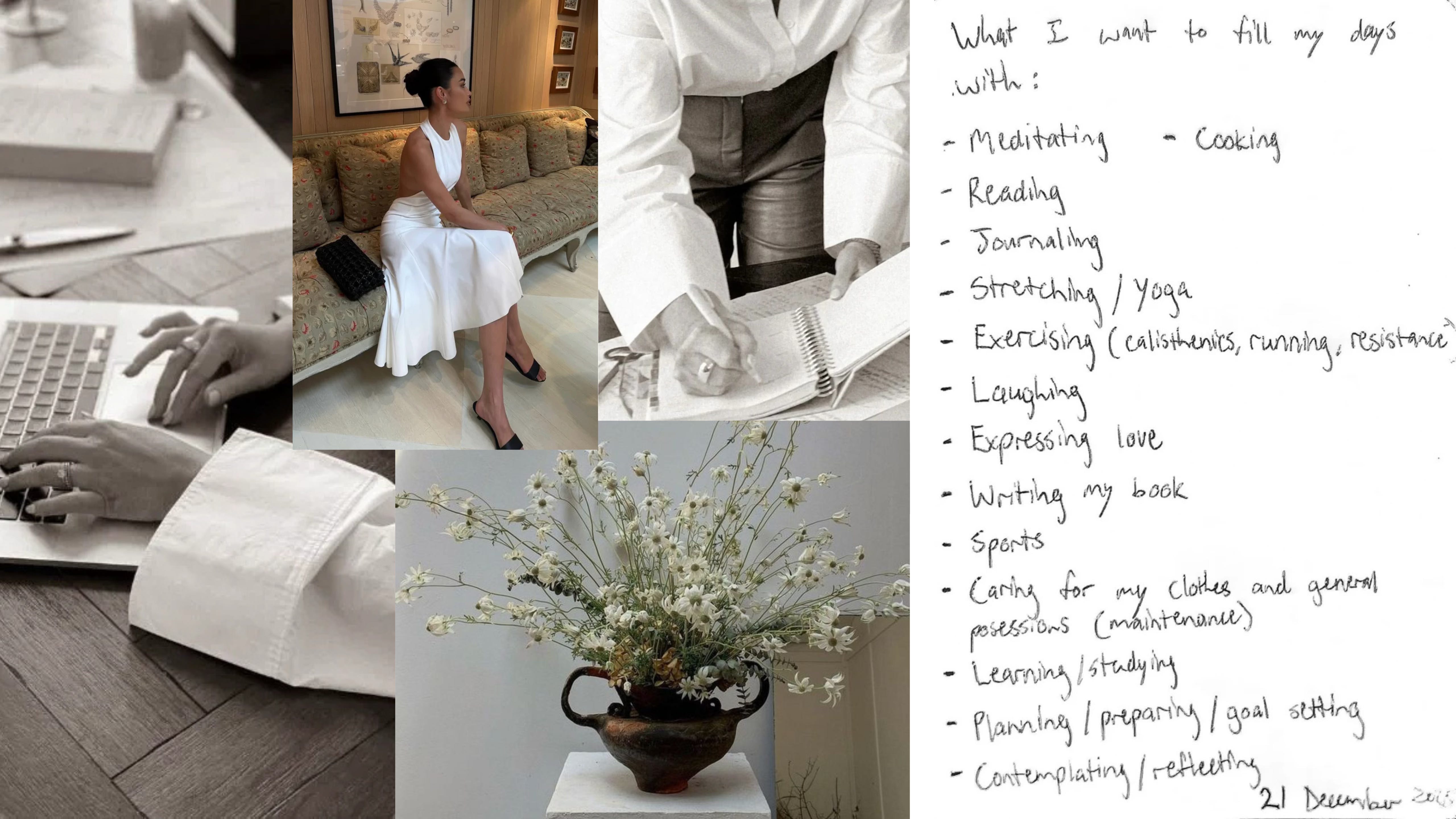
I actually think it’s quite the opposite.
Living well, at least to me, has always been about building a life that feels good in the reality of your life. Meaningful work, a home you love being in, rituals that ground you, food that nourishes you, people you love, and enough structure holding it all together so you’re not constantly one missed grocery shop away from complete emotional collapse.
Because let’s be honest, there is the beautiful side of life, the candlelit dinners, the slow mornings, the linen sheets, the gorgeous ceramics and then there’s the less glamorous infrastructure underneath it all.
The dog still needs to go to the vet. The fridge somehow empties itself every three days. There is always something at the dry cleaners. Your inbox breeds overnight like rabbits. Someone has to order toilet paper before you’re down to the final emergency roll that everyone pretends not to notice.

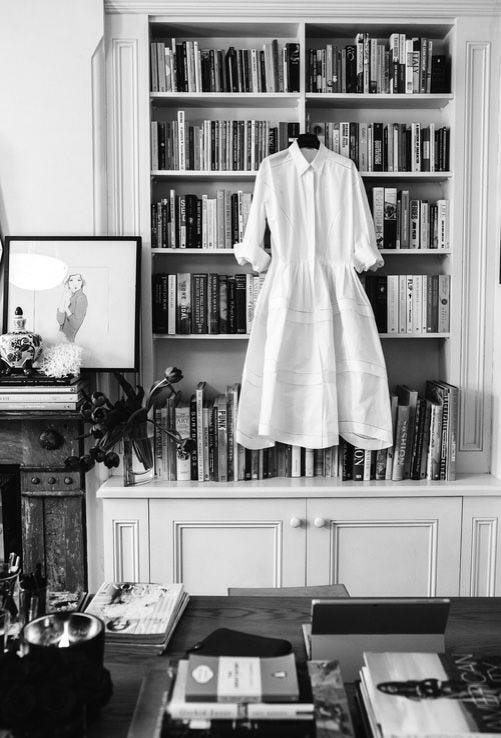

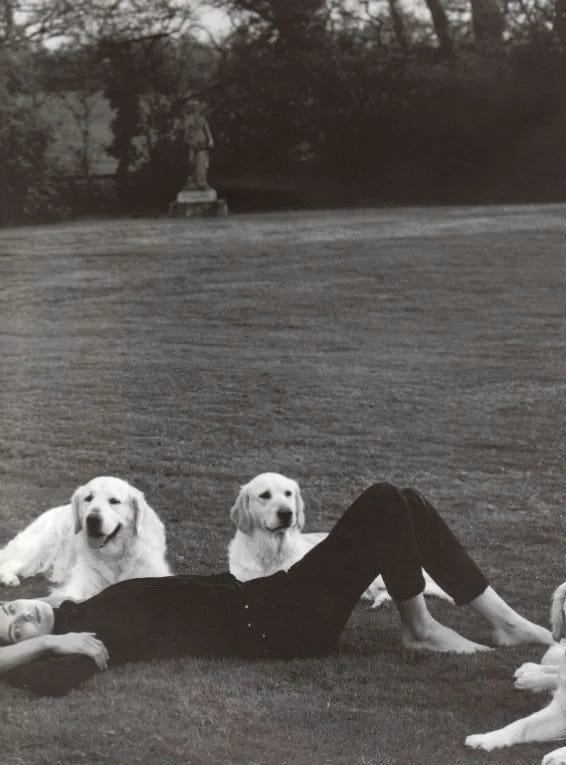
And this is the thing no one really talks about when they talk about living slowly or living beautifully. A soft life still requires systems.
Because how can you be present, luxurious, intentional and calm when your brain is holding seventeen tabs open at all times? “Book dentist.” “Buy olive oil.” “Reply to that email.” “Defrost chicken.” “Why is there no dog food?”
For a long time I was very much a figure-it-out-as-I-go kind of person. Quite whimsical, really. Which sounds charming until you realise whimsical often just means mildly chaotic but wearing nice knitwear. I’ve always been organised in my own way, but I never leaned heavily on systems or technology or planning things in advance because I thought structure would somehow make life feel rigid.
Instead, I’ve realised the opposite which is that the right systems make life feel SO MUCH lighter.
And honestly, I think my corporate job has played a part in this. In those environments, everything is built for efficiency. The repetitive, boring, soul-draining tasks are streamlined to the highest degree because everyone understands the same truth: save your brain for what actually matters.
And now with AI making everything even faster, I keep thinking why are we not doing this more in our personal lives?
And so a lot of these systems live in my 5–9, the hours after work that shape the rest of the week. The little things I do after my 9–5 that mean future me is less stressed, less rushed and far more regulated. The kind of things that make your Wednesday feel easier because your Monday evening was thoughtful.
So I want to break down the exact categories where these systems live for me and the things I rely on most.
These are the background systems that make your home feel supportive instead of demanding.
Create a running household note in your Notes app (or shared with your partner) for things like olive oil, dishwasher tablets, dog food, add things the second they run low so you’re never doing the “how are we out of salt?” dance.
Set one weekly fridge restock (same day, same time) and use saved baskets on your grocery app to reorder staples in under 5 minutes.
Have one designated laundry evening — mine is usually mid-week. If it’s random, it becomes constant.
Keep a “leaving the house” basket by the door for returns, dry cleaning, batteries, post, tiny but removes mental tabs.
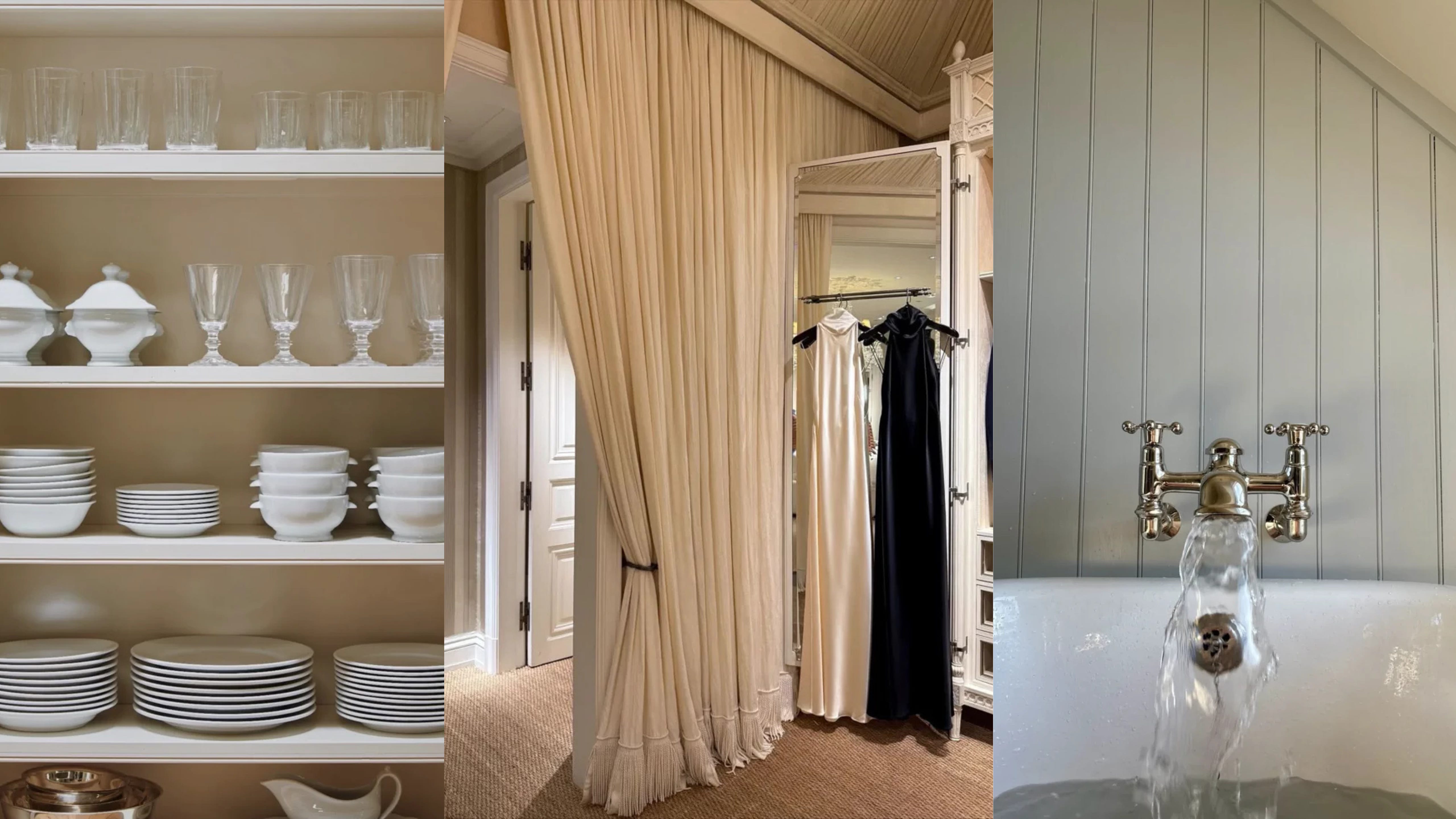
Your body needs support before it starts asking for it louder.
Decide your movement in advance, don’t ask yourself daily. Book Pilates, schedule walks, remove the decision.
Keep supplements visible (next to kettle or coffee machine) because if they live in a drawer, they don’t exist.
Anchor your evening shower to signal the end of work mode, even if it’s 6pm and not bedtime.
Create a 5-minute skincare routine for tired nights so there’s no excuse. Long routines are lovely, but consistency wins.
Set up sleep before you need it: magnesium on bedside, phone charger away from bed, lamp on low light, book ready.

Because feeding yourself well should not require daily reinvention.
Pick 5 “default dinners” you can make half-asleep. Rotation removes decision fatigue.
Use AI for meal planning, tell it your goals, schedule and preferences and let it build your week + shopping list.
Always keep freezer backups: protein, broth, veg, rice. Future you will be thrilled.
Batch one protein (chicken, mince, lentils) once or twice a week to build meals faster.
Order groceries before you run out, not after. This sounds obvious but changes everything.
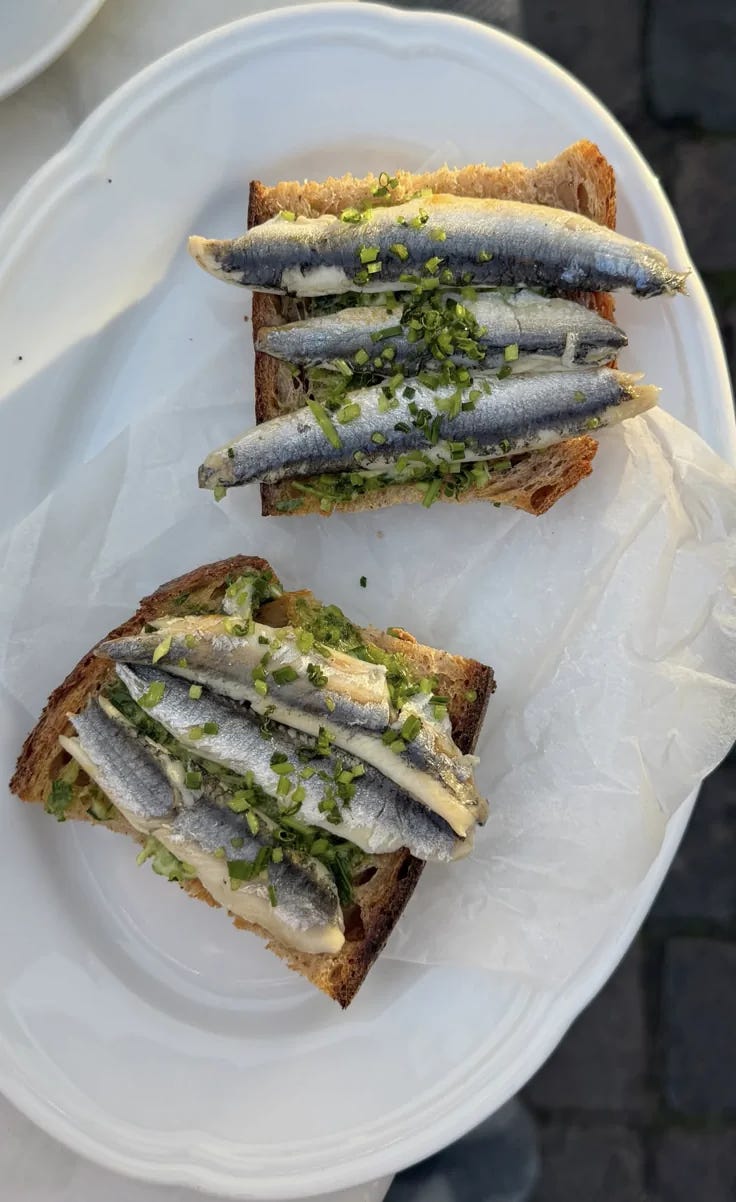
This is where chaos gets neutralised.
Have one admin block per week (30–60 mins) for appointments, forms, invoices, returns, life things.
Batch errands geographically, dry cleaners, pharmacy, groceries in one route instead of five separate energy leaks.
Book recurring appointments in advance (nails, hair, brows, dog grooming, whatever matters to you).
Put personal things in your calendar with the same seriousness as work. Otherwise work wins by default.
Your digital life should serve you, not stalk you.
Create email rules/filters so newsletters, receipts and noise skip your main inbox.
Use AI to summarise long emails or pull action points instead of re-reading paragraphs of corporate fluff.
Voice-note your thoughts into Notes when walking instead of keeping mental tabs open.
Use reminders for recurring life admin (watering plants, ordering contacts, paying parking permits).
This is probably the most important category because no system works if your body is fried.
Create a no-scroll transition window (even just 20 minutes after work) before absorbing the internet.
Change the lighting in your home immediately — lamps over overhead lights changes your state faster than you think.
Take a 10-minute “nothing walk” after work. No podcast, no phone, no productivity.
Build a default downregulation stack: shower, tea, dim lights, music, book. Repeat until your body recognises it. (I have another substack on this here)
Put your phone to sleep before you do — physically charge it away from you.
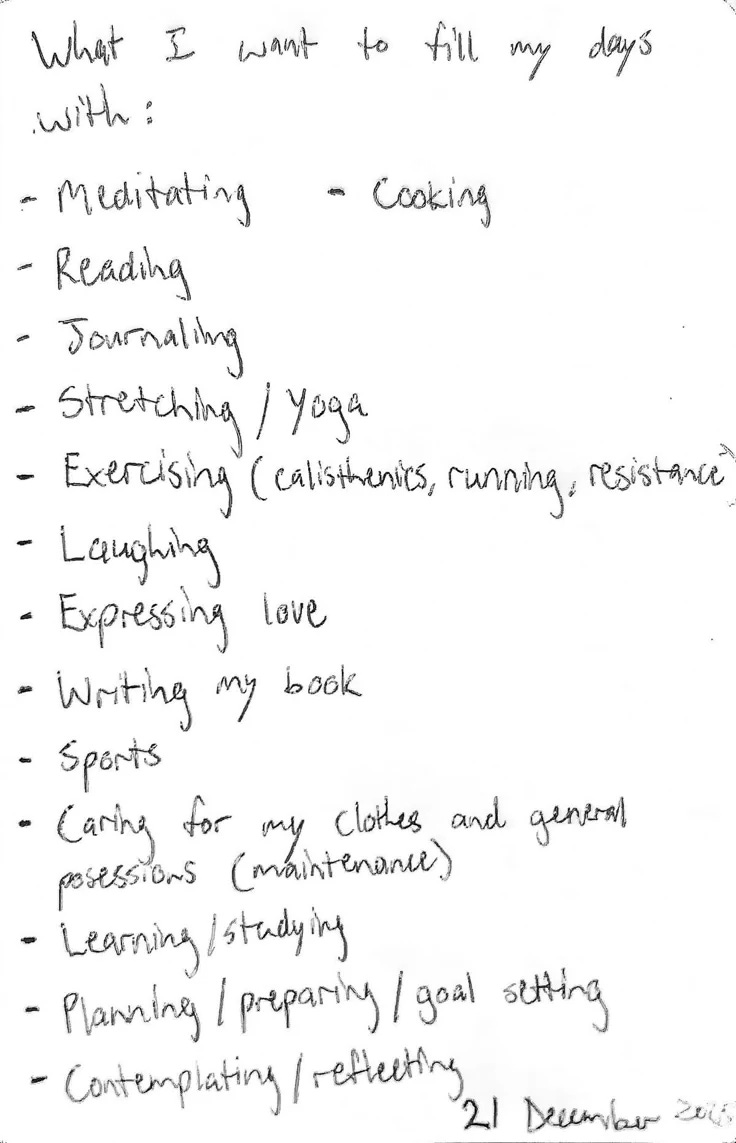
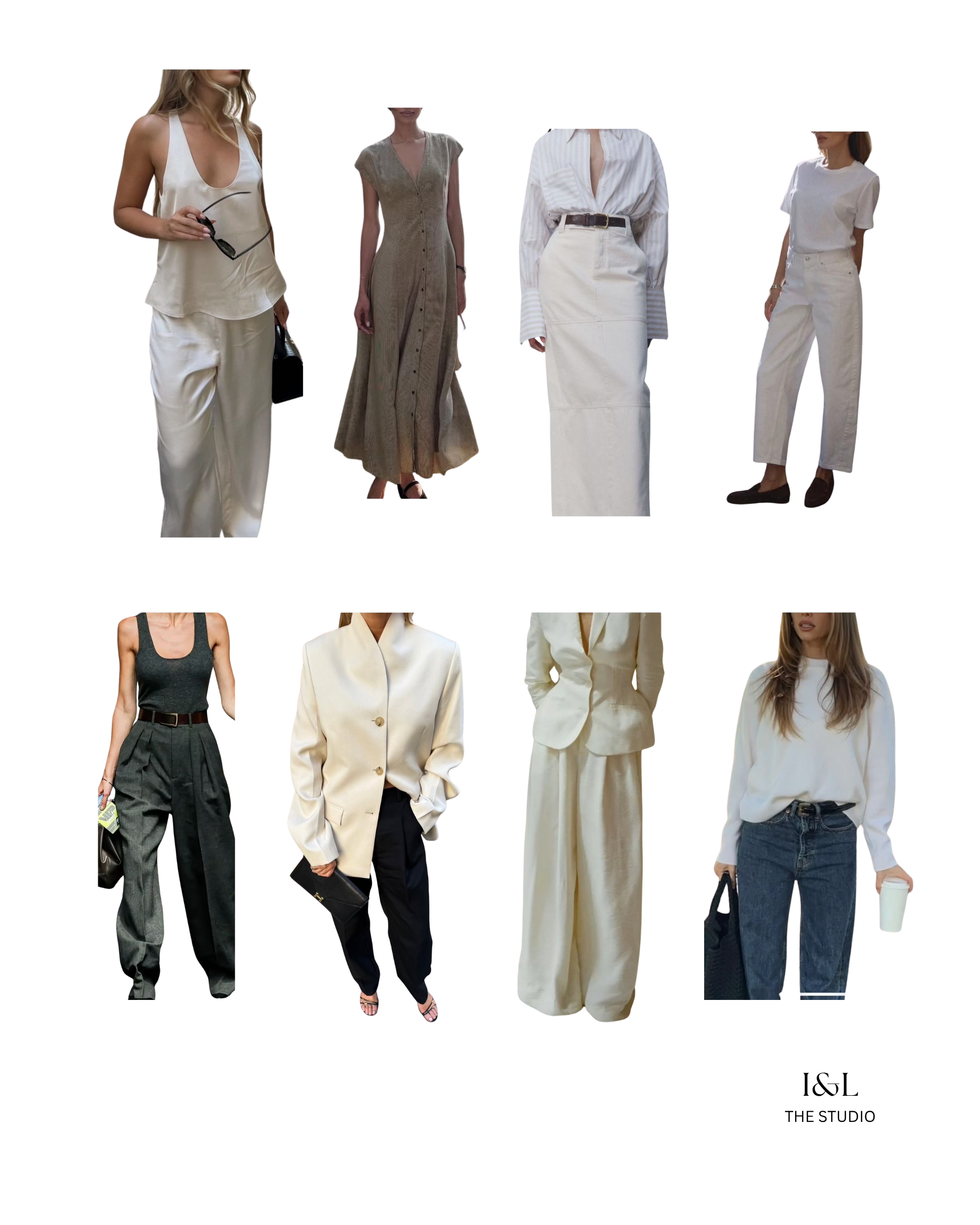
Getting dressed should feel easy, not like an identity crisis at 7:45am.
Plan 3–5 outfits ahead at the start of the week based on your calendar.
Keep a dry-cleaning pile separate so “needs care” doesn’t mix with “wearable.”
Photograph outfits you love so you have your own personal lookbook.
Build mini capsules for categories (work, weekend, dinner, travel).
Use AI as a stylist — upload pieces and ask it for outfit formulas, packing lists or gaps in your wardrobe.
What are your systems that impact how you carry yourself throughout the week?
Love,
Clara
No posts
Comments
Nothing yet. Say the first thing.
Sign in to join the conversation.