
Guest: Aaron Leeder, Vice President of Partnerships and Alliances at Pavilion, explained how referrals have been a key driver of the community’s growth, particularly in its early stages, with trust and customer satisfaction leading to organic referrals. He emphasised that while actively asking for referrals can work, it risks affecting the exclusivity of the network. Pavilion, the world’s #1 private community for go-to-market (GTM) leaders, connects over 10,000 members, including CEOs and executives from top companies like Salesforce and Google. Under Aaron’s leadership, Pavilion hosts 200 yearly events, including 150 Executive Salon Dinners, offering members access to 60 courses, 1,400 tools, and 750 job placements across 56 global chapters.

Pavilion, referrals, community building, networking, LinkedIn, job opportunities, startup lessons, GTM events, partnerships, sales community
00:00 Introduction to Pavilion and Aaron Leeder
03:26 Aaron's Journey from Music to GTM Consulting
05:54 The Power of Referrals in Pavilion's Growth
08:08 Building Trust and Community Engagement
10:45 Maximising LinkedIn for Networking
11:29 Tools for Successful Referrals
11:29 Job Opportunities and Pavilion's Support
12:32 Lessons from Gated's Journey
15:15 Closing Thoughts and Pavilion's Unique Value Proposition
Aaron:
Cold outreach for high-ticket sales has lost its edge. It’s become more like noise in a crowded room. We’ve tried it, but the results were minimal. Referrals, on the other hand, bring trust right from the start. In today’s market, it’s all about relationships—cold outreach just doesn’t deliver the same value.
Aaron:
Referrals were the backbone of Pavilion’s early growth. In the beginning, it was all word-of-mouth, people recommending us to their peers. We didn’t have a formal referral program until 2021, but by that time, referrals had already played a massive role in our success. Referrals bring credibility that no cold outreach can, which is crucial when you’re building a trusted community.
Aaron:
A lot of it comes down to fear—fear of looking desperate or being rejected. People overthink it, but the truth is, asking for referrals is just part of building relationships. If you’ve built trust, it’s not awkward. People are often more willing to help than you realize, but if you don’t ask, you’ll never know.
Aaron:
It’s all about genuine connection. We focus on delighting our existing members by staying in touch in a human way—whether it’s through WhatsApp messages, check-ins, or casual meetups. People don’t want to feel sold to; they want to feel valued. By keeping the relationship alive and showing you care, business flows naturally.
Aaron:
Empathy is a huge driver for us. When you’re dealing with high-ticket clients, you have to see the human behind the business. Empathy builds trust in a way that no hard sell ever could. We listen to our members, understand their challenges, and provide solutions that are relevant to them. It’s what keeps them coming back and referring others.
Aaron:
If there’s a downside to referrals, it’s that they take time to build. You can’t rush them, and they require patience. But I see that as a strength, not a weakness. Referrals bring in clients who already trust you, which means you start on a solid foundation. Once you’ve built that trust, it keeps opening doors for future opportunities.
Aaron:
That’s been a tricky balance. As we grew, we introduced a formal referral process in 2021, which brought in a lot of new members. But we had to be careful not to dilute the community’s intimate feel. Growth is important, but so is maintaining the quality of the network. We learned that the best referrals come from genuinely satisfied members, so keeping them happy is key.
Aaron:
Pavilion was built with a focus on executives—VPs, CROs, CMOs. That high-level focus sets us apart. Plus, Pavilion is a paid community, which means members are serious about getting value. When you pay for something, you’re invested. That commitment creates higher engagement and a stronger, more active community than you might find in free networks.
Aaron:
LinkedIn is still incredibly powerful, but you have to navigate the noise. It’s easy to get lost in a sea of irrelevant connections, but if used properly, it’s a great tool for finding and approaching the right people. What really works is leveraging mutual connections to build introductions, rather than just sending cold messages. It’s about using LinkedIn smartly, not just broadly.
Aaron:
Even in a digital world, referrals carry immense weight. People still crave trust and authenticity, and a referral brings both. Digital platforms might change how we connect, but they don’t change the fact that relationships are at the heart of business. A referral from a trusted source is still one of the most effective ways to land high-ticket clients.
Join Pavilion at GTM2024 in Austin TX Oct 14-16. The event is for Executives only. https://events.joinpavilion.com/gtm2024
If too late for this year, Pavilion has CEO, CMO and CRO Summits in the first half of 2025. Reach out to Aaron on LinkedIn to learn more.
If you're a High-Ticket B2B Service Provider, your network is your lifeline. 6 out of 10 service providers rely solely on referrals to survive. LinkedIn used to be a trusted network, but now it's flooded with random connections, and your 2nd-degree contacts aren’t genuine. Even within your professional group, it’s hard to know which prospects are truly connected to your peers. Inguro brings back genuine networking by letting you validate real connections with your trusted partners. Rebuild your trusted network and get better referrals—try Inguro today for free!
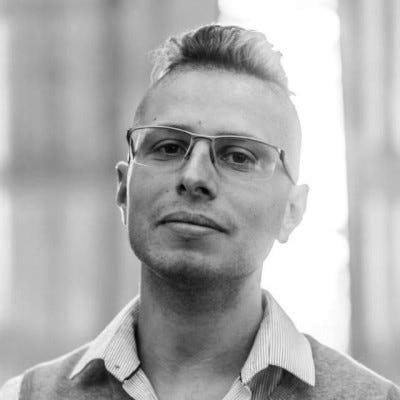
Vyacheslav Ladischenski, CEO of Inguro, has a background in Media Informatics and experience working with companies like Dell, IBM, PwC, and Credit Suisse. His focus is on helping entrepreneurs build trust and credibility in their networks, using practical strategies that improve cooperation and networking success.
Comments
Nothing yet. Say the first thing.
Sign in to join the conversation.