
While I have mixed feelings about social media, their algorithms and dubious demagogues on this platform, Substack also hosts inspiring publications by the Berlin expat scene regularly sharing useful tips and news digests. Thus I’m writing this post to add my two cents to the discussion, announce a new blogpost and recommend an unusual book that I’ve just finished.
Find out how to discover inspiring new indie films while avoiding violence and outdated arthouse clichés without wasting time and money as a broke wannabe film critic in my latest Open Mind Culture blog post about overhyped “deep” films and canonical literature. Share my frustration about outdated cliché, missed opportunites, and unnecessary depiction of violence in mainstream and indie films that make me leave movie theaters before the film is over. One of the books I want to read this year is Carrie Rickey’s biography of the French avant-garde film maker Agnès Varda. More mainstream, Verhoeven’s Total Recall is a good example of critical and relevant philosophy presented in a way to entertain the masses and not only intellectuals in a subsidized arthouse cinema scene.
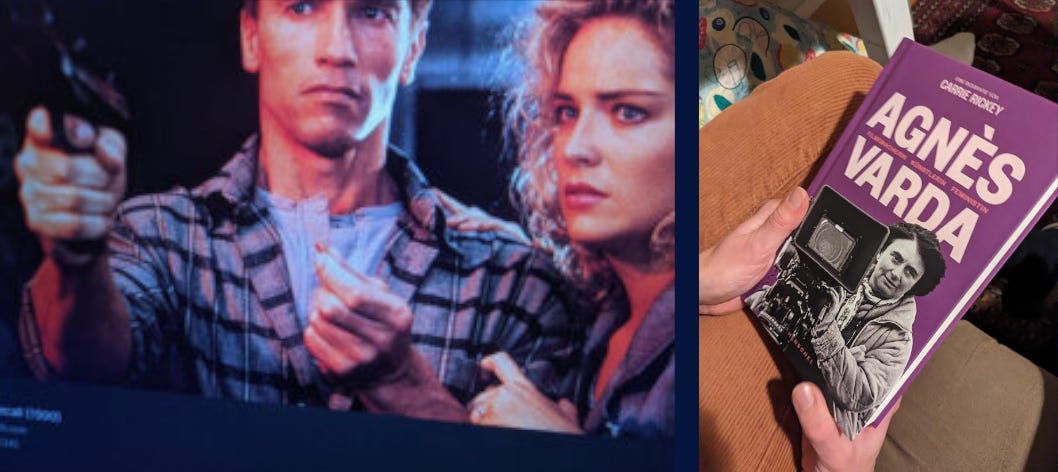
Berlinale is still a special film festival, probably the biggest independent one in Europe, with an open mind culture toward a general audience beyond selected cinemas and expensive or invitation-only screenings, and debating political topics and humanitarian crisis that other cinema festivals prefer to ignore.
On a grey February day when finally some rays of sunlight succeeded to split the dark clouds over a world that still needs de-ICE-ing, between Berlin Fashion week and Berlinale, I finally managed to mingle discarded drafts and discussion details with new ideas and inspiration to finish an ambitious article about what’s wrong with the contemporary cinema scene and why I rather read a book than watch a film these days and why some books are a waste of time as well.
QuitGPT, DeGoogling and European Alternatives aren’t trending for no reason. Don’t get me wrong. I don’t want dramatize the decline of “our free western world” formerly known as the “first world”. Our freedom and comfort might have always been a delusional golden cage built upon the diligent hard work of others and the diligient complicity of the perpetrators of colonialism and exploitation. While I’m drinking tea in a heated room, others shiver and flee war and injustice, while still others might righfully look forward to a better future after having suffered conflicts ignored by mainstream media and global culture.
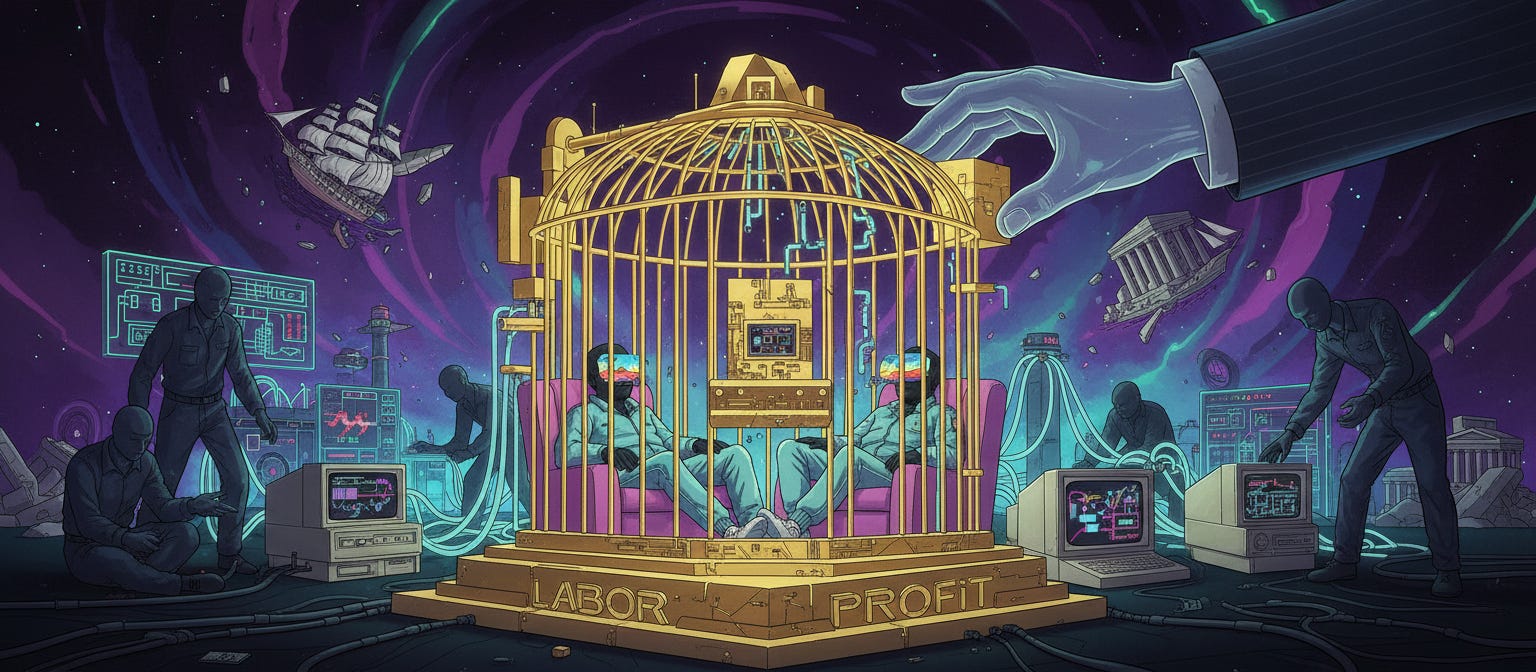
Still, we should always question what and how we use our privileges and which powers are behind the seemingly harmless and useful tools like smartphones, streaming services and artificial intelligence. While we waste precious time competing against each other to make digital algorithms favor our content and help us get followers, customers, or a new job, every click makes the money roll in for the tech bros behind the scenes who are not ashamed to donate millions to MAGA, like OpenAI’s president and co-founder Brockman did just recently.
And if you’re looking for somewhere to put your savings, don’t pour your money into their overrated US American tech stocks that have crashed last week.
I can’t cancel a subscription that I never had but I can stop using toxic technology, although I know that in practice, quitting Instagram would hurt me more than it hurts its owner. AI is different because there are alternatives. First of all, we can and must remember how not to rely on tech that is unpredictable and unreliable by definition. Secondly, ChatGPT has many contenders and not all of them are American big players. Ecosia has just introduced their own AI mode aiming to reduce energy consumption and respect their users’ privacy, while Thaura and the Swiss Apertus AI may be promising alternatives.
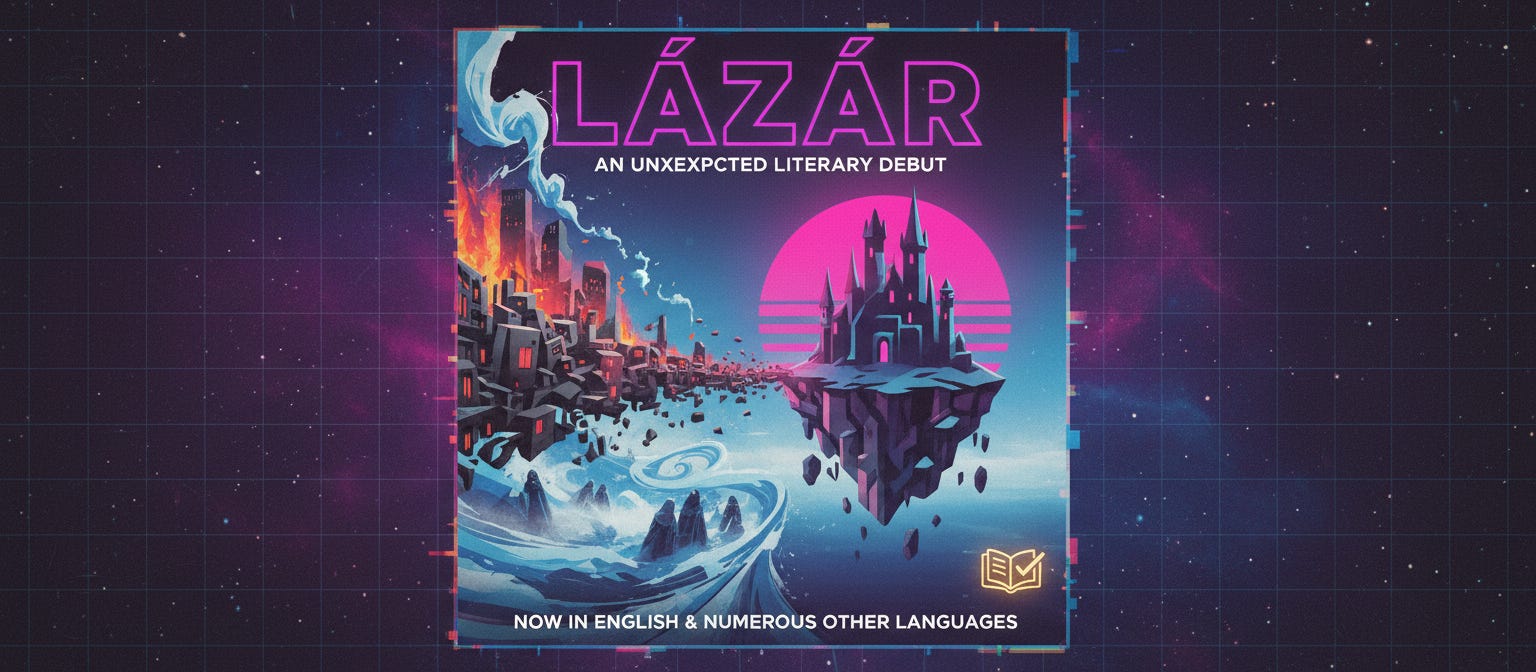
I fed AI the paragraph below to create an image of the novel Lázár and it’s absolutely unexpected! While the retrofuturistic science-fiction style looks more like a 1970’s dystopia or a 1980s arcade computer game, it’s still not totally wrong somehow. A remote castle on a crumbling foundation, a burning city and icy mountains add details that I haven’t provided. However, I will dedicate a distinct blog post to the real book when I have finished reading. Here comes my teaser.
A book that was worth every reading minute and every disturbing thought stirred up by its docu-ficitional story spanning generations from a picturesque Hungarian Habsburg castle in the middle of nowhere to war-ridden mid-century Budapest to desperate refugees in the middle of nowhere in ice-cold winter, Lázár is an unexpected literary debut by a young writer who must have been lucky to meet great-grandparents with an equal talent of storytelling and a vivid memory of old family stories. According to the cover text, the book should be available in English and numerous other languages and it belongs on every reading recommendations list.
I still have a stack of unread books that I’m looking forward to reading this year, but I’ve also discarded a well-known classic that many people read in school and found it inspiring, at least back then, decades ago.
Are you looking forward to Berlinale film festival or don’t you care anymore? If you do, please share your film recommendations in the comments, as I sincerely hope to rediscover my love for independent cinema that the arthouse scene has damaged during the past months.
No posts
Comments
Nothing yet. Say the first thing.
Sign in to join the conversation.