The Largest Tweetable Number—Lectures on Infinity (lecture 4)
The paradox of the largest tweetable number. What is the largest number you can tweet?

The mathematics and philosophy of the infinite
Live Last read · last published · next check
The paradox of the largest tweetable number. What is the largest number you can tweet?
The paradox of giants, the paradox of Gabriel's horn, the painter's paradox, and further paradoxes of dimension.
Let us explore several paradoxical supertasks—the deal with the Devil, balls in a sack, the Chocolatier's game, and more.
An ancient puzzle leads ultimately to a remarkable observation on the malleable nature of infinite sums.
A series of lectures on infinity, with all my favorite paradoxes and conundrums.
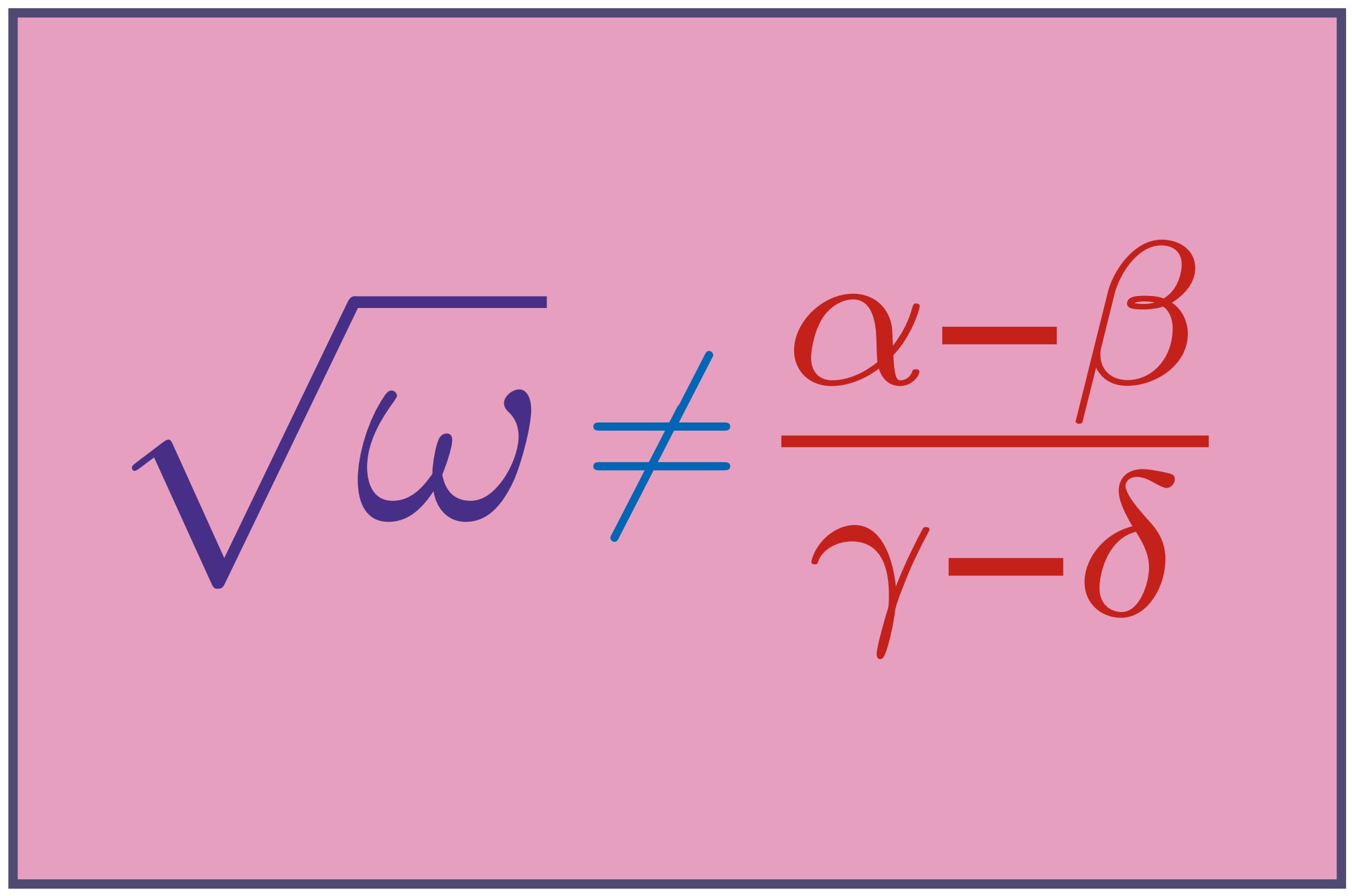
Which numbers are transcendental over the ordinals? Which are irrational? Let us introduce the natural field of ordinals and consider the status of √2, √ω, e, and π, among other numbers.
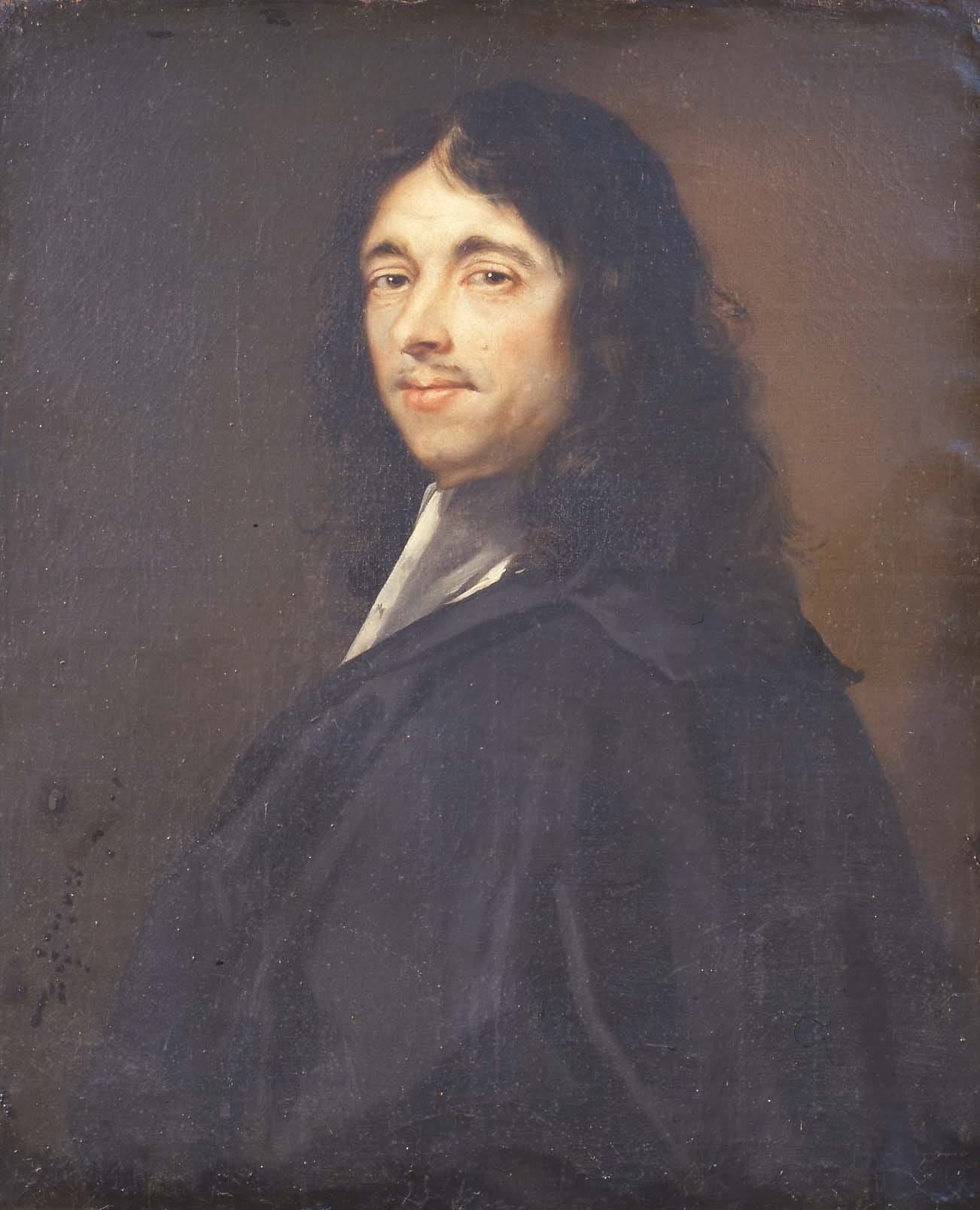
Are there any nontrivial solutions of the famous Fermat equation in the natural ring of ordinals?
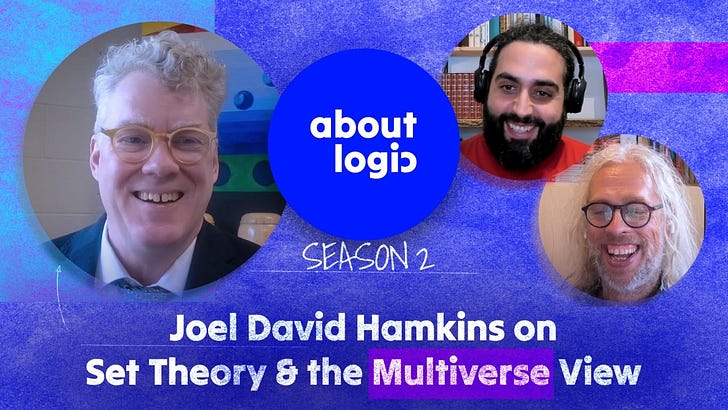
A sweeping conversation on the philosophy of mathematics and set theory, including a few core disagreements, on the About Logic series with Deniz Sarikaya and Thorsten Altenkirch.
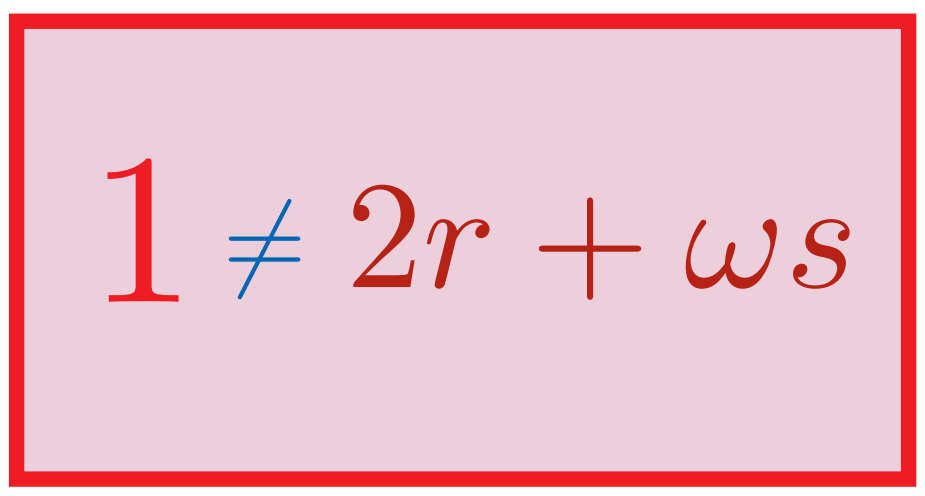
The natural ring of ordinals has unique prime factorization, but other natural features go wrong—the concept of even goes awry, greatest common divisors do not fulfill Bézout’s identity, and more.
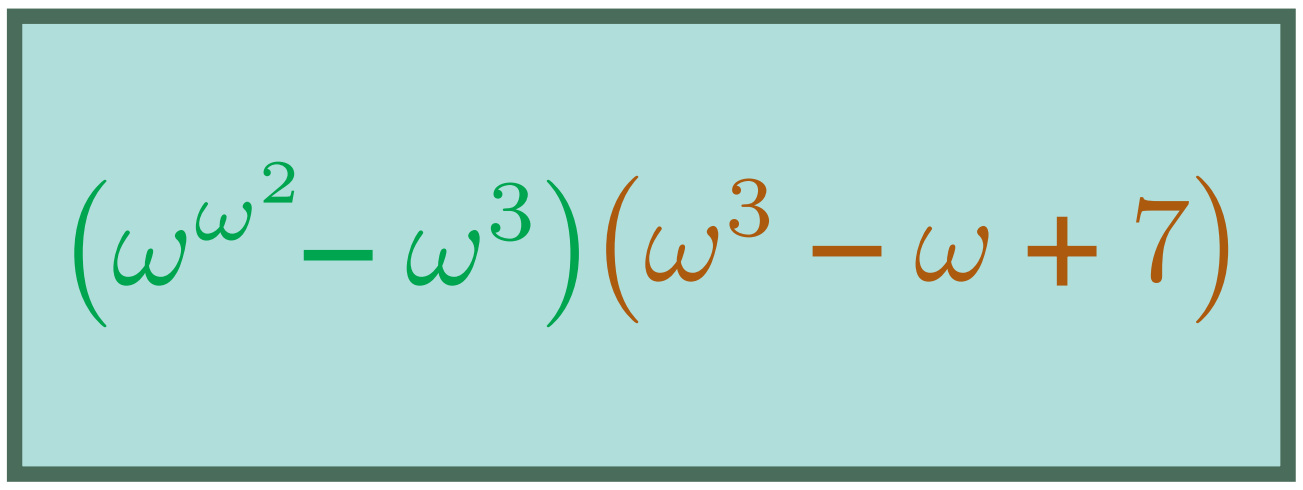
The natural ring of ordinals is a unique factorization domain—every number factors uniquely as a finite product of primes.