Troyen Brennan (Harvard University) joins the Infectious Historians to chat about his recent book which reflects on primary care in the United States. The conversation begins with an historical perspective, tracing the development of specializations within the practice of medicine from the mid-20th century onward and then specifically looking at how the primary care system changed over time.…
David Arnold (Warwick University, emeritus) joins Merle and Lee to chat about his recent book on pandemics in India since the 19th century. After the standard introductions, David reflects on the definition of pandemic and how it began to be used in the 1860s, with discussions of the role of Alfred Crosby’s book and the broader phenomena of writing about disease. The conversation then focuses on…
John Blair (Oxford University) joins Merle and Lee on the podcast in a discussion about his new book, Vampire Epidemics. The episode begins, as usual, with a definition of a vampire, followed by a survey of where and when these supernatural creatures appear in writings. John then discusses the phenomenon of vampire epidemics over time, noting their increased prevalence after the appearance of the…
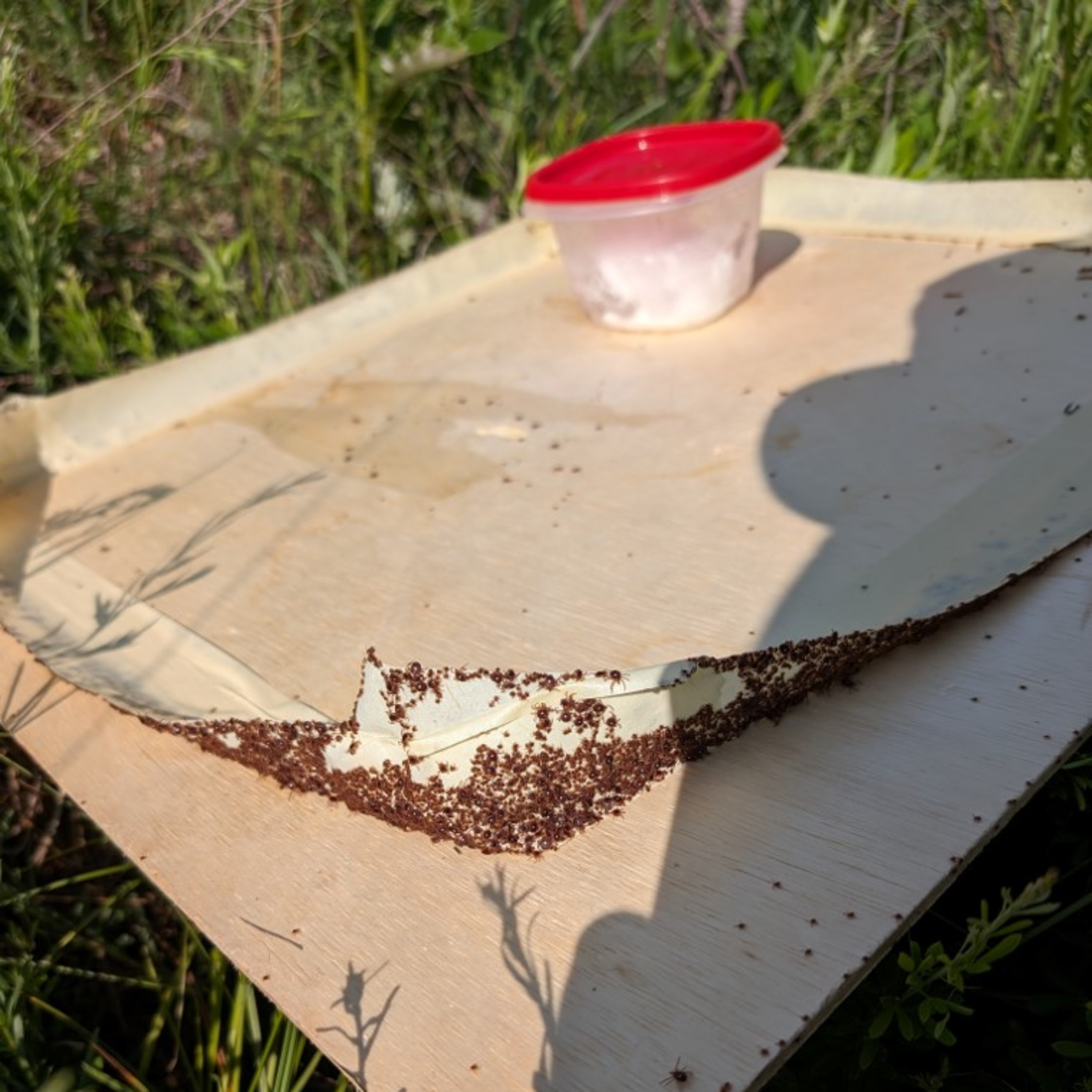
Bruce Noden (Oklahoma State University) joins the podcast to talk about his research on entomology (the study of insects). Bruce introduces his field of study and the particular context of his work on insect-borne diseases in Oklahoma looking at ticks and mosquitoes. He discusses the impacts of climate change on insects as the state’s dry line moves East and recounts several “unusual” experiences…
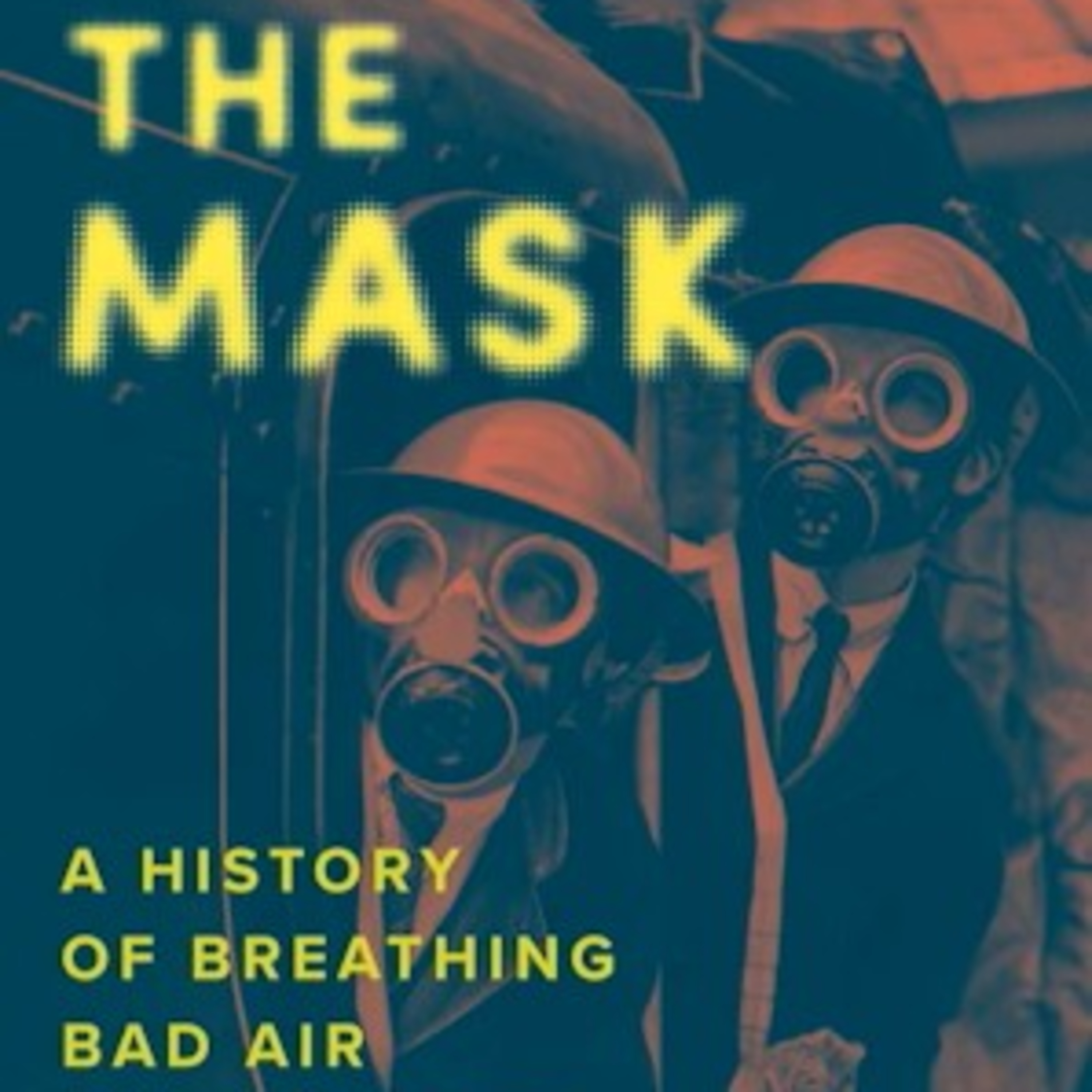
Bruno Strasser (University of Geneva) and Thomas Schlich (McGill University) come on the Infectious Historians podcast to discuss their recent book on the history of masks. As usual, the episode begins with definitions, then moves to discuss some of the commonly known kinds of masks in history - such as the plague doctor bird-like beaked mask, or the masks worn in the US during the 1918 Influenza…
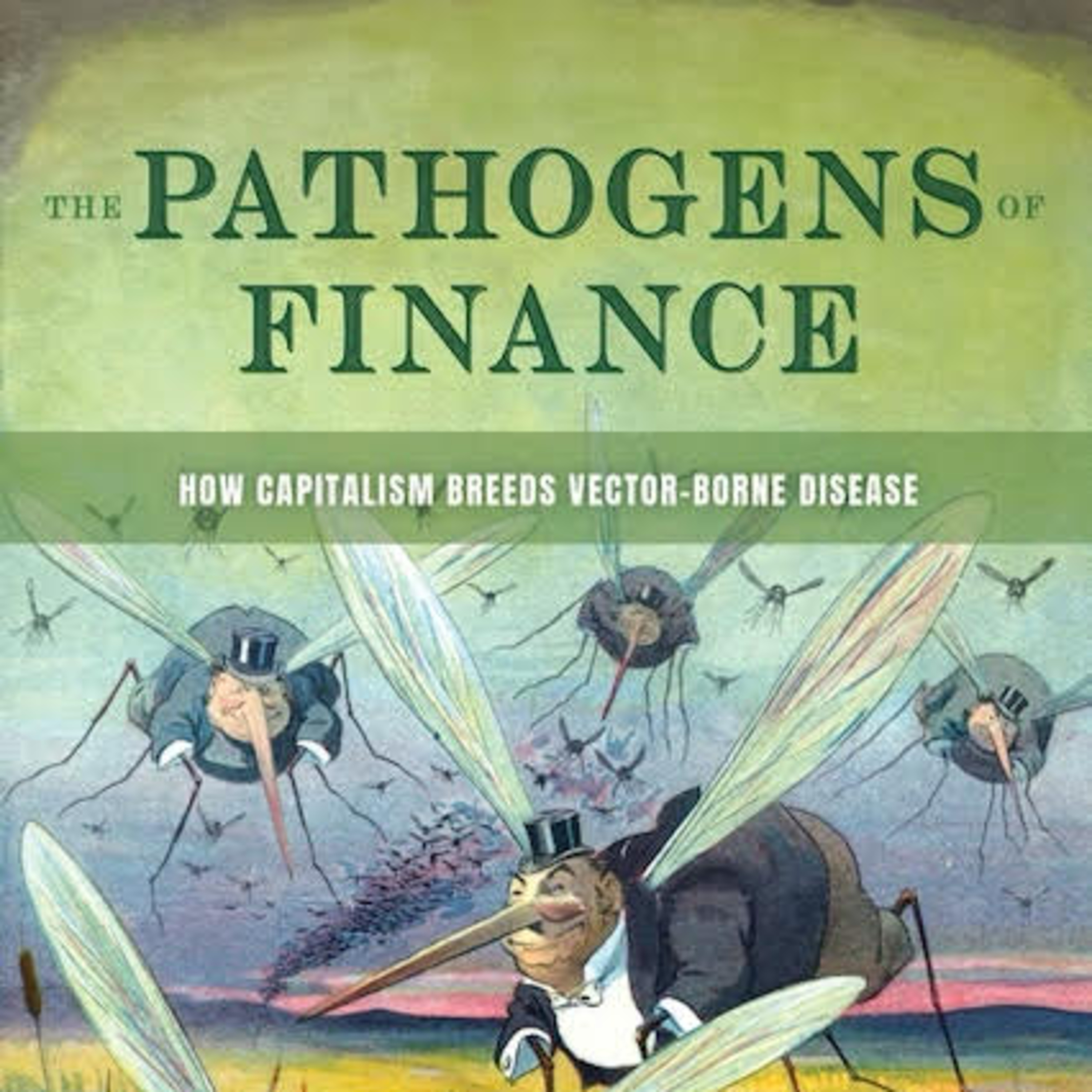
Brent Kaup (William & Mary University) and Kelly Austin (Lehigh University) come on the podcast to discuss their new book connecting disease and capitalism. They begin by discussing the financialization of America and link it as a cause of climate change. Financialization is also linked to diseases and specifically vector borne diseases through the suburbanization of areas such as Virginia. In…
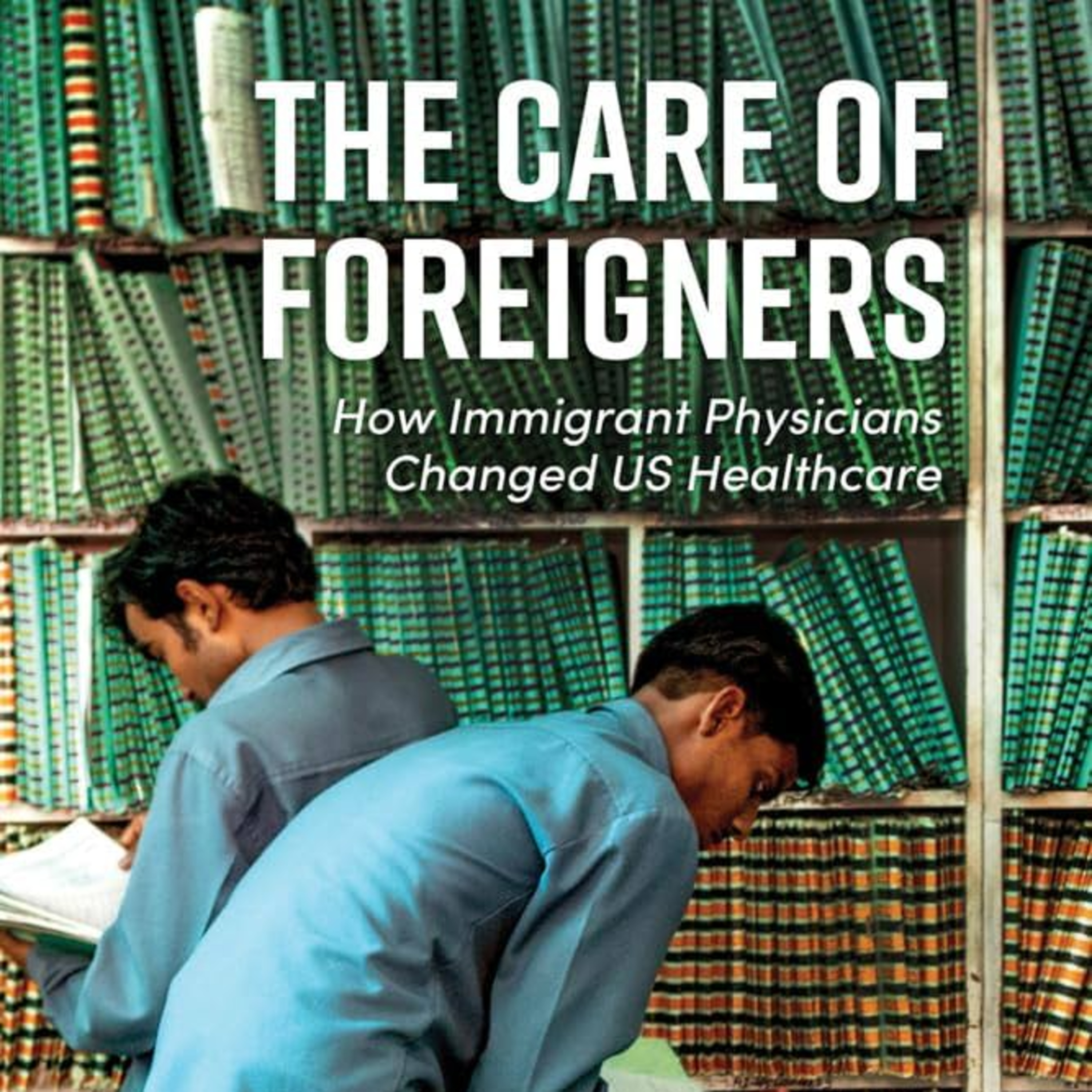
Eran Alam (Harvard University) speaks to the Infectious Historians about foreign healthcare workers in the US. The conversation begins with an examination of doctors in the US - how many are trained (and retire), different fields and different parts of the country. Historically, immigration has been a key way in which the US has historically addressed shortages of doctors. Eram highlights the…
In this episode Merle and Lee speak with Eric Story (Western University) about his work on tuberculosis in the Canadian army during World War I. Eric begins by discussing disability studies and tuberculosis before focusing on the Canadian military during the war. As a social historian, Story examines the impacts of tuberculosis on different groups in Canadian society. He then expands on some of…
Cam Grey (University of Pennsylvania) comes on the podcast to discuss his book on risk in the late Roman world. The conversation begins with a discussion of how to define disasters and risk, before moving on to examine the ways in which risk was conceived and mitigated in the past. Cam speaks about the importance of putting back together the human and natural worlds, but is also aware of how the…
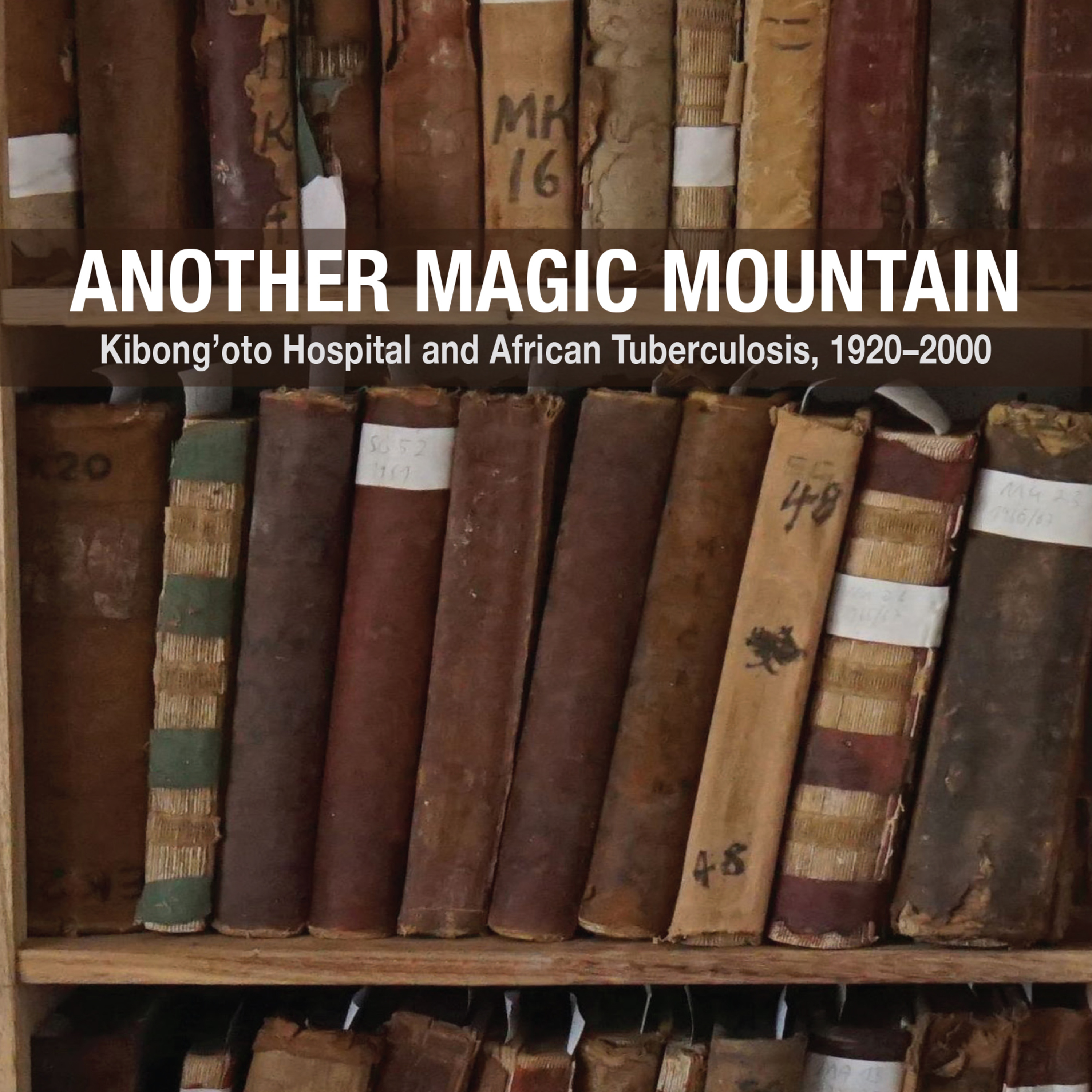
Christoph Gradmann (University of Oslo) joins Merle and Lee to discuss his new book on 20th century tuberculosis in Tanzania seen through the records of Kibong'oto hospital, the main hospital that treated the disease in the region. The conversation begins with some context about Tanzania and its history during and after the colonial period. As a case study, Kibong'oto is important in two ways that…